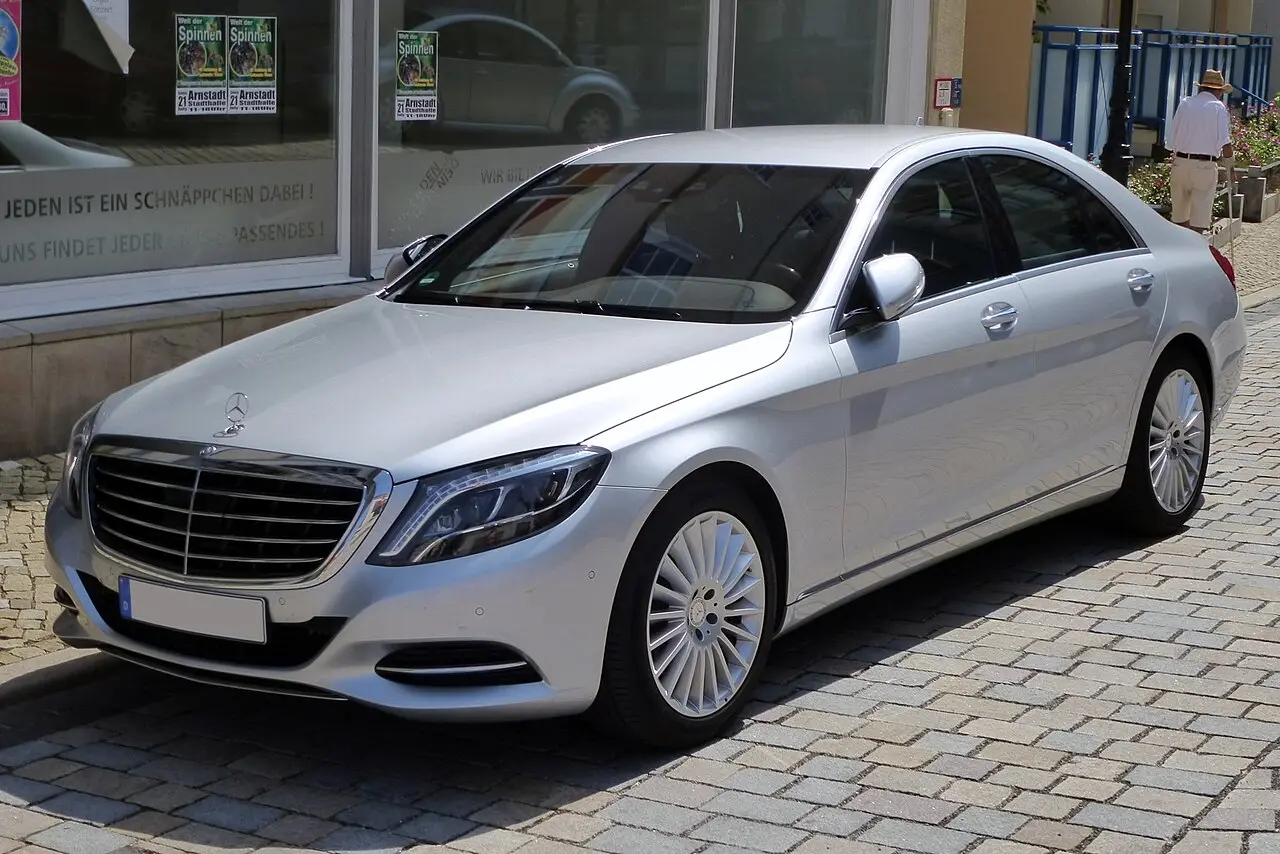
The official data lists 461 versions of the Mercedes-Benz S-Class (1994 - 2027), in the European Union, the United Kingdom, France, the United States, and Canada. Each market publishes its own figures, measured on its own test procedure.
At a glance
Years in the data
1994 - 2027
Markets
European Union, United Kingdom, France, United States, Canada
Engines
2.1 L to 6.3 L
Power
150 kW (204 PS) to 590 kW (802 PS)
Fuels
Hybrid, Diesel, Plug-in hybrid, Petrol, Electric
Lowest consumption (France)
4.2 L/100 km (NEDC)
Lowest consumption (United Kingdom)
4.6 L/100 km (NEDC)
Lowest consumption (European Union)
6.3 L/100 km (WLTP)
Plug-in hybrid, weighted (European Union)
0.7 L/100 km (WLTP)
Plug-in hybrid, weighted (United Kingdom)
2.1 L/100 km (NEDC)
New registrations in the EU
290,729
What is the Mercedes-Benz S-Class?
The S-Class is Mercedes-Benz’s flagship luxury saloon, at the top of its passenger-car range. Its spacious cabin and emphasis on comfort have made it the marque’s leading large saloon. Mercedes-Benz traces its direct lineage to the Model 220 of 1951; the S-Class name became official in 1972.
In official EU registration figures, the S-Class appears from 2010 to 2025, and UK figures cover 2000 to 2026. US and Canadian figures begin in the 1990s.
S-Class generations
The generations listed are the W140 (1991-1998), W220 (1998-2005), W221 (2005-2013), W222 (2013-2020) and W223 (2020-today). Across these successive flagships, Mercedes-Benz has used the S-Class to introduce new ideas in luxury and vehicle technology. The W223 continues the large-saloon format, with a long wheelbase and formal proportions.
Engines, power and official consumption
The EU range spans 2.1 to 6.0-litre engines and 150 kW (204 PS) to 463 kW (630 PS). Listed fuel types include petrol, diesel, hybrid, plug-in hybrid, electric and other. In the UK, power ranges from 210 kW (286 PS) to 590 kW (802 PS), with engines from 2.1 to 6.3 litres. US and Canadian versions list 3.0 to 6.0-litre engines.
The lowest listed non-plug-in EU figure is 6.3 L/100 km on WLTP. The EU plug-in hybrid weighted figure is 0.7 L/100 km; this official calculation assumes part of the driving is electric. In the UK, the corresponding minima are 4.6 L/100 km on NEDC and 2.1 L/100 km for plug-in hybrids. France lists 4.2 and 2.8 L/100 km, also on NEDC. WLTP and NEDC in Europe, EPA in the US and Canada’s 5-cycle procedure use different tests. EU registrations total 290,729 over the years shown.
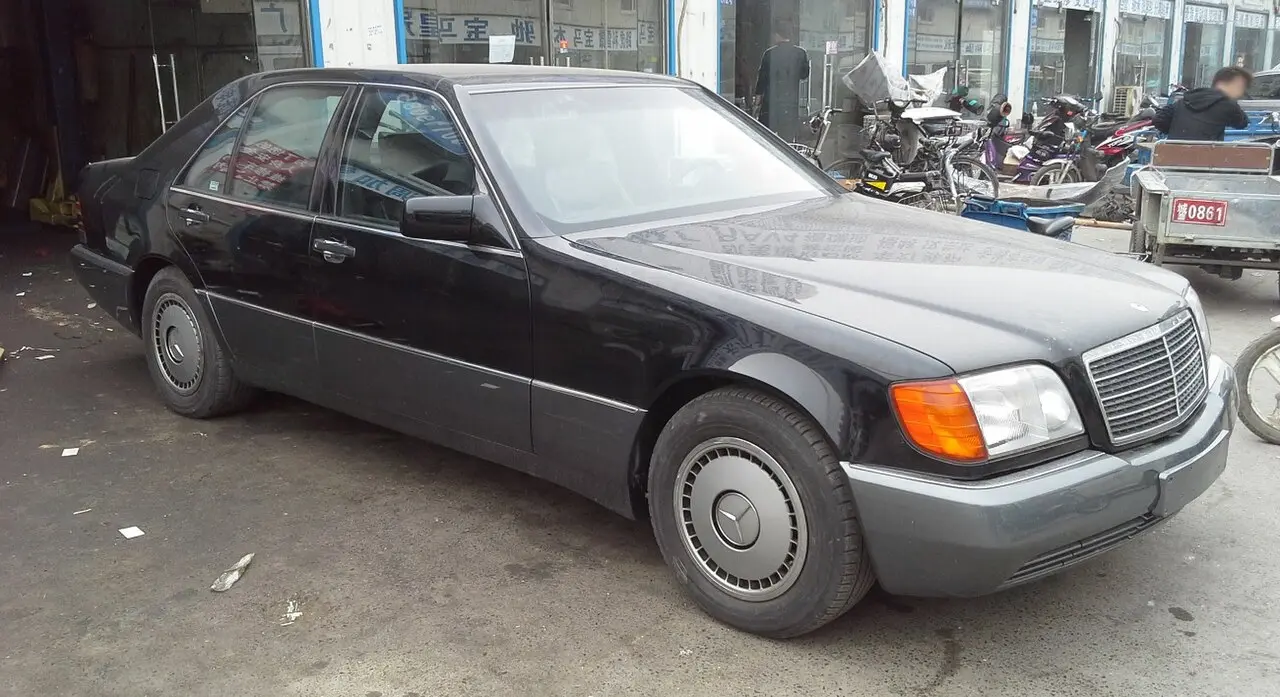
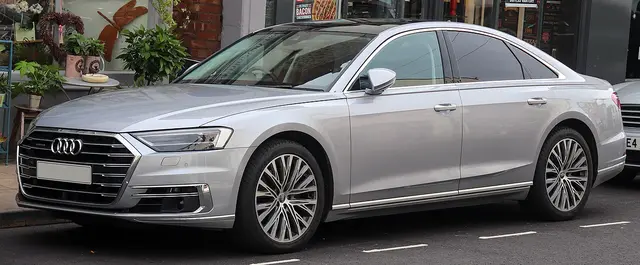
At a glance: Length 5,110 mm · Kerb weight 1,850 - 2,200 kg · Top speed 250 km/h · MOT first-time pass at 13 years and older: 82.6% (UK average 69.2%) Specifications, reliability and all versions
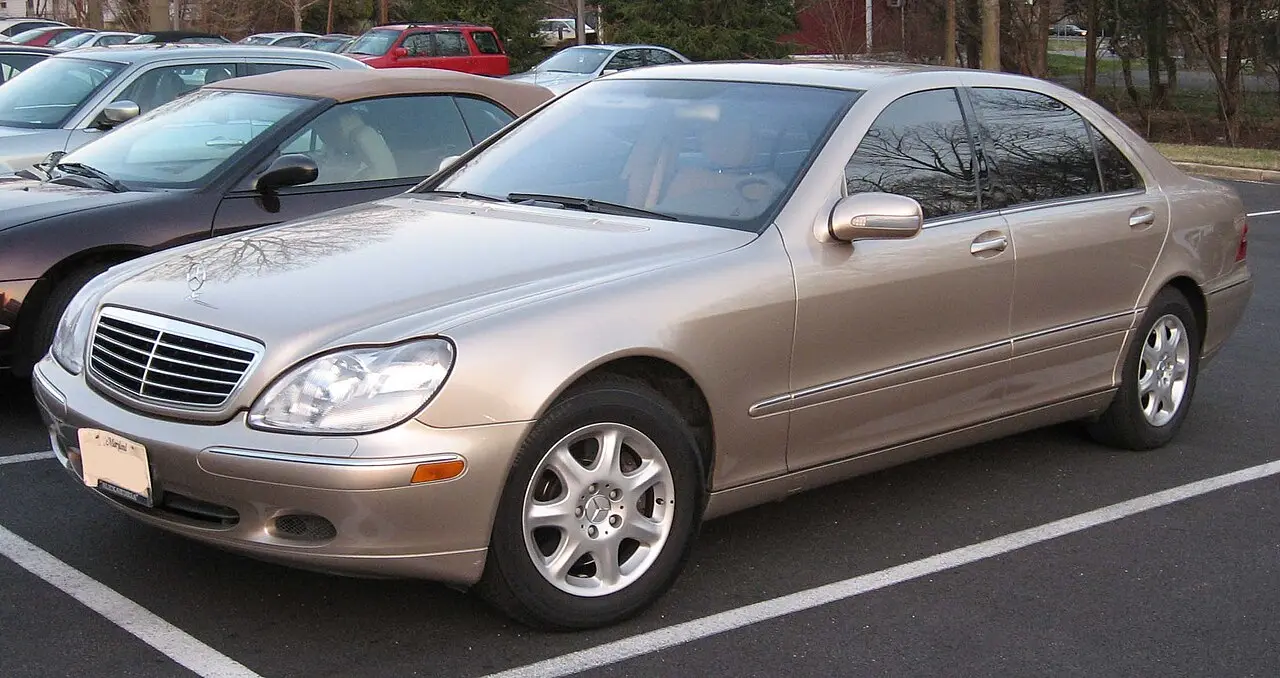
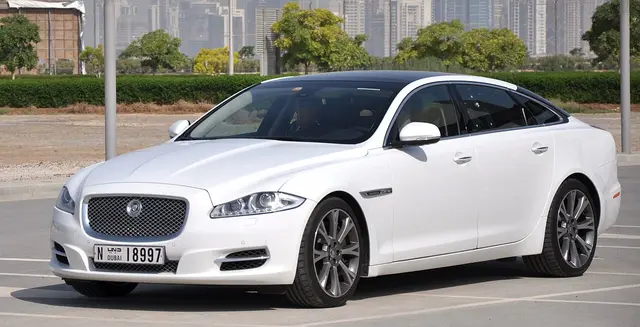
At a glance: Length 5,040 - 5,160 mm · Kerb weight 1,670 - 1,935 kg · Top speed 230 - 250 km/h · MOT first-time pass at 13 years and older: 77.5% (UK average 69.2%) Specifications, reliability and all versions
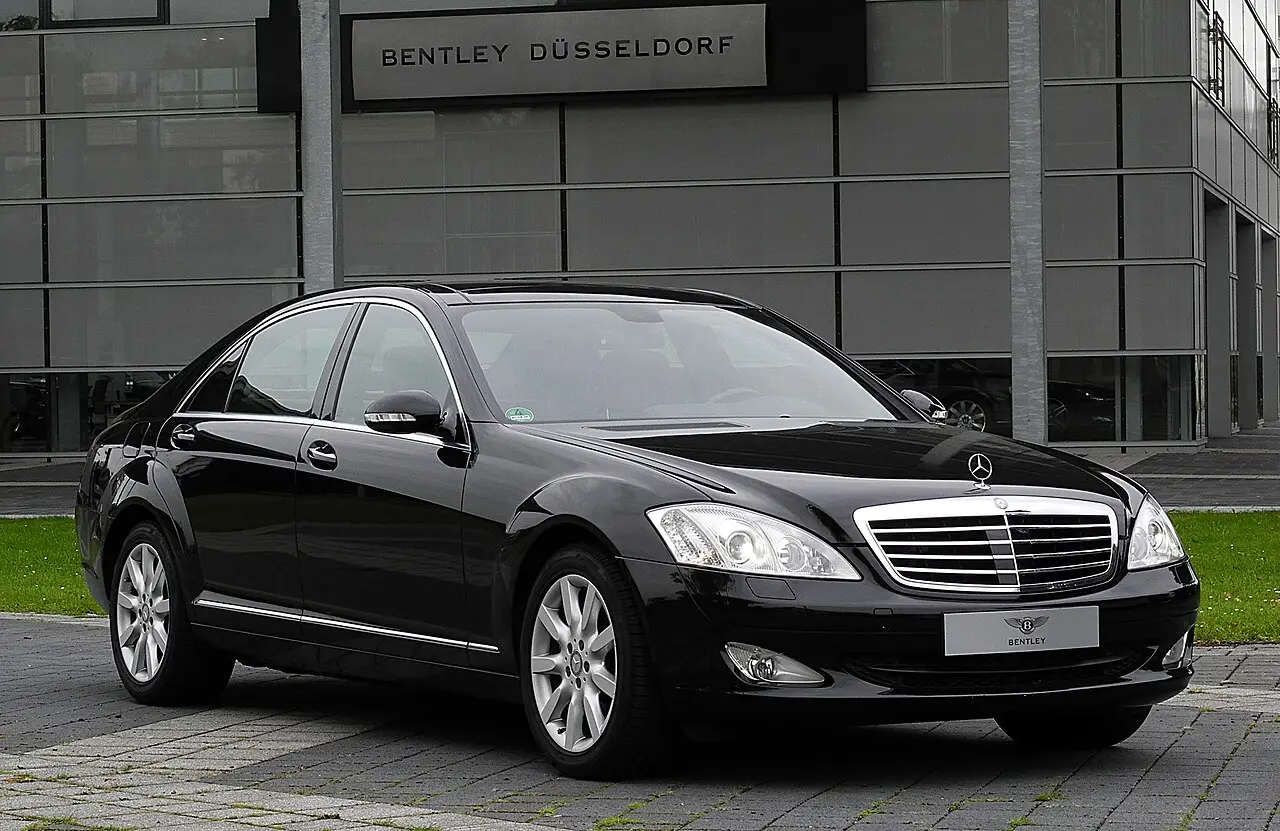
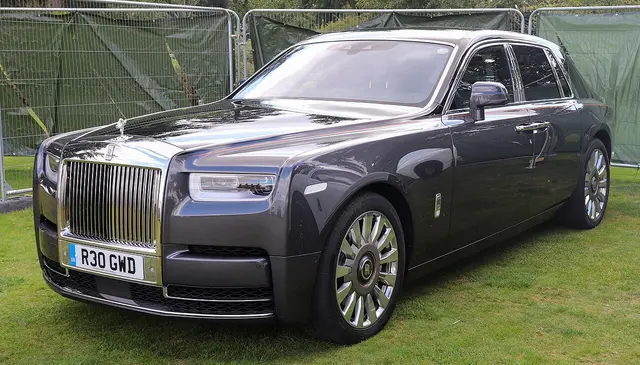
At a glance: Length 5,130 - 5,260 mm · Kerb weight 1,780 - 2,110 kg · Top speed 250 km/h · MOT first-time pass at 13 years and older: 79.9% (UK average 69.2%) Specifications, reliability and all versions
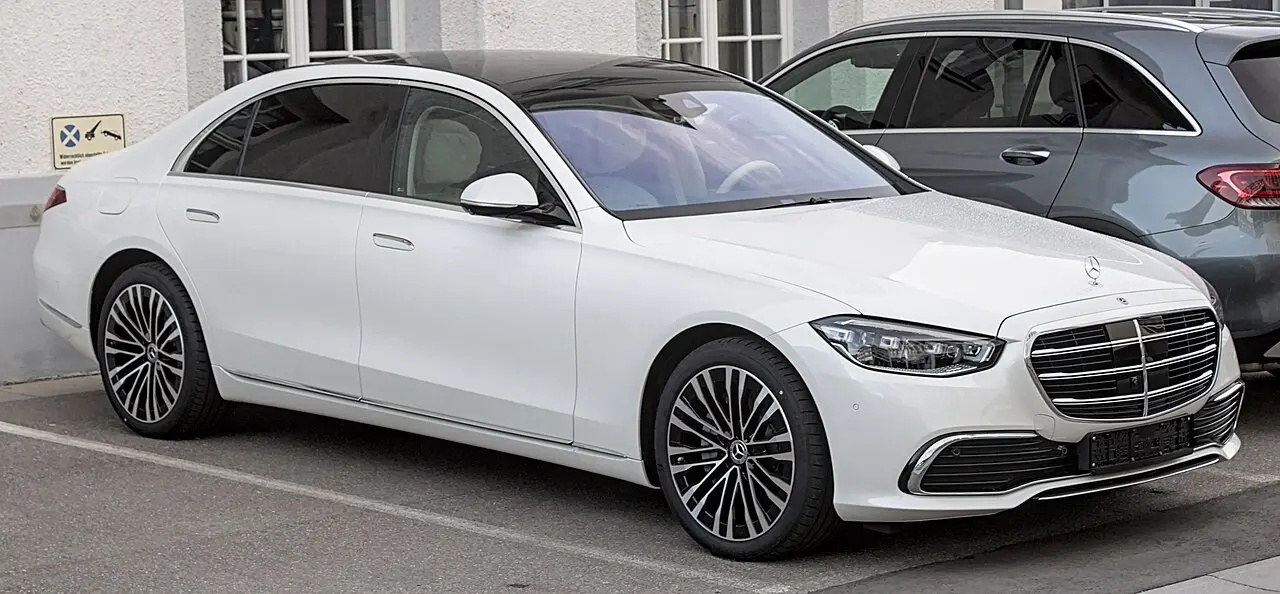
At a glance: Length 5,040 - 5,300 mm · Kerb weight 1,855 - 2,115 kg · Top speed 250 - 300 km/h · MOT first-time pass at 6 - 8 years: 90.1% (UK average 86.4%) Specifications, reliability and all versions
At a glance: Length 5,210 - 5,340 mm · Kerb weight 1,940 - 2,545 kg · Top speed 250 - 290 km/h · MOT first-time pass at 3 years: 93.7% (UK average 92.2%) Specifications, reliability and all versions
Show all 104 versions
European Union 45 versions
New cars registered in the EU (plus Norway and Iceland), from the European Environment Agency. Figures on the NEDC procedure until 2020 and on WLTP from 2021; versions are grouped by engine and power, with their number of registrations.
Years and version
Engine
Power
Fuel
Consumption (combined)
CO₂
Electric range
EU registrations
2021 - 2025
4.0 L
370 kW (503 PS)
Hybrid
10.6 - 10.8 L/100 km WLTP
242 - 247 g/km
-
6,888
2021 - 2025
3.0 L
270 kW (367 PS) (engine only)
Plug-in hybrid
0.7 - 1.3 L/100 km WLTP23.0 - 24.8 kWh/100 km WLTP
23 - 66 g/km
104 - 107 km
5,716
2022 - 2025
2.9 L
243 kW (330 PS)
Diesel
7.1 L/100 km WLTP
185 - 187 g/km
-
4,134
2023 - 2025
3.0 L
270 kW (367 PS)
Hybrid
6.6 L/100 km WLTP
175 - 179 g/km
-
2,724
2023 - 2025
4.0 L
450 kW (612 PS) (engine only)
Plug-in hybrid
4.4 - 5.1 L/100 km WLTP21.3 - 33.6 kWh/100 km WLTP
105 - 122 g/km
32 - 34 km
2,207
2023 - 2025
3.0 L
230 kW (313 PS)
Hybrid
6.3 - 6.5 L/100 km WLTP
169 - 173 g/km
-
1,571
2021 - 2025
6.0 L
450 kW (612 PS)
Petrol
13.8 - 14.1 L/100 km WLTP
314 - 322 g/km
-
1,197
2023 - 2025
3.0 L
280 kW (381 PS)
Hybrid
8.6 - 8.7 L/100 km WLTP
196 - 242 g/km
-
521
2021 - 2025
4.0 L
370 kW (503 PS)
Petrol
10.2 - 10.3 L/100 km WLTP
231 - 243 g/km
-
484
2022 - 2025
3.0 L
220 kW (299 PS) (engine only)
Plug-in hybrid
0.7 - 2.0 L/100 km WLTP22.3 - 23.0 kWh/100 km WLTP
26 - 131 g/km
97 - 110 km
397
2024 - 2025
3.0 L
270 kW (367 PS) (engine only)
Plug-in hybrid
0.8 - 1.2 L/100 km WLTP23.0 - 25.3 kWh/100 km WLTP
33 - 43 g/km
97 - 102 km
372
2025
3.0 L
280 kW (381 PS)
Hybrid
8.7 L/100 km WLTP
198 g/km
-
167
2023 - 2025
4.0 L
395 kW (537 PS)
Hybrid
-
264 - 280 g/km
-
150
2024 - 2025
3.0 L
220 kW (299 PS) (engine only)
Plug-in hybrid
0.7 - 1.6 L/100 km WLTP22.6 - 22.9 kWh/100 km WLTP
15 - 21 g/km
109 - 112 km
137
2025
3.0 L
270 kW (367 PS)
Diesel
6.4 L/100 km WLTP
168 g/km
-
113
2025
3.0 L
330 kW (449 PS)
Hybrid
8.7 L/100 km WLTP
199 g/km
-
105
2024 - 2025
3.0 L
300 kW (408 PS) (engine only)
Plug-in hybrid
-
212 - 357 g/km
89 km
93
2024 - 2025
3.0 L
272 kW (370 PS)
Hybrid
-
196 - 197 g/km
-
86
2025
3.0 L
330 kW (449 PS)
Hybrid
-
304 g/km
-
79
2025
4.0 L
450 kW (612 PS)
Hybrid
-
294 g/km
-
38
2025
3.0 L
270 kW (367 PS) (engine only)
Plug-in hybrid
6.3 L/100 km WLTP20.5 kWh/100 km WLTP
165 g/km
103 km
28
2025
3.0 L
330 kW (449 PS) (engine only)
Plug-in hybrid
8.7 L/100 km WLTP
235 g/km
89 km
24
2025
3.0 L
330 kW (449 PS) (engine only)
Plug-in hybrid
8.8 L/100 km WLTP
207 g/km
89 km
21
2025
4.0 L
370 kW (503 PS)
Hybrid
10.6 L/100 km WLTP
242 g/km
-
15
2025
3.0 L
230 kW (313 PS)
Hybrid
6.6 L/100 km WLTP
171 g/km
-
13
2021 - 2024
2.9 L
210 kW (286 PS)
Diesel
6.9 - 7.1 L/100 km WLTP
181 - 185 g/km
-
6,189
2021 - 2024
3.0 L
320 kW (435 PS)
Hybrid
8.7 - 8.9 L/100 km WLTP
201 - 205 g/km
-
4,987
2023 - 2024
3.0 L
330 kW (449 PS)
Hybrid
8.7 - 8.8 L/100 km WLTP
201 - 213 g/km
-
616
2022 - 2024
3.0 L
270 kW (367 PS)
Hybrid
8.5 - 8.7 L/100 km WLTP
193 - 198 g/km
-
396
2024
6.0 L
463 kW (630 PS)
Petrol
-
331 g/km
-
25
2024
2.5 L
230 kW (313 PS)
Petrol
-
246 g/km
-
12
2021 - 2022
3.0 L
320 kW (435 PS)
Petrol
8.6 - 8.8 L/100 km WLTP
199 g/km
-
328
2021 - 2022
3.0 L
270 kW (367 PS)
Petrol
8.2 - 8.6 L/100 km WLTP24.0 - 24.5 kWh/100 km WLTP
186 - 195 g/km
-
132
2022
4.0 L
450 kW (612 PS) (engine only)
Plug-in hybrid
22.9 kWh/100 km WLTP
68 g/km
-
51
2021
2.9 L
243 kW (330 PS)
Diesel
7.2 L/100 km WLTP0.7 kWh/100 km WLTP
192 g/km
-
7,173
2021
3.0 L
270 kW (367 PS)
Hybrid
8.4 L/100 km WLTP25.3 kWh/100 km WLTP
195 g/km
101 km
1,153
2021
2.9 L
250 kW (340 PS)
Diesel
7.0 L/100 km WLTP
194 g/km
-
120
2021
4.0 L
345 kW (469 PS)
Petrol
10.9 L/100 km WLTP
249 g/km
112 km
120
2021
4.0 L
450 kW (612 PS)
Petrol
12.3 L/100 km WLTP
278 g/km
-
62
2021
4.0 L
450 kW (612 PS) (engine only)
Plug-in hybrid
22.9 kWh/100 km NEDC
49 g/km
-
62
2021
3.0 L
270 kW (367 PS)
Petrol
8.5 L/100 km WLTP20.1 kWh/100 km WLTP
207 g/km
49 km
47
2021
3.0 L
270 kW (367 PS) (engine only)
Plug-in hybrid
2.5 L/100 km WLTP25.0 kWh/100 km WLTP
66 g/km
46 km
45
2021
3.0 L
230 kW (313 PS)
Hybrid
-
160 g/km
-
24
2021
6.0 L
390 kW (530 PS)
Petrol
-
536 g/km
-
20
2021
3.0 L
200 kW (272 PS)
Hybrid
-
206 g/km
-
10
United Kingdom 43 versions
New cars on sale in the UK, from the Vehicle Certification Agency. NEDC figures until 2018 and WLTP figures after; years are the editions a version appeared in.
Years and version
Engine
Power
Fuel
Gearbox
Consumption (combined)
CO₂
Electric range
2023 - 2026S 350 d L · S 350 d · S 350 d Saloon
3.0 L
230 kW (313 PS)
Hybrid
9-speed automatic
5.9 L/100 km WLTP
154 g/km
-
2023 - 2026S 350 d L · S 350 d · S 350 d L Saloon
3.0 L
230 kW (313 PS)
Hybrid
9-speed automatic
6.8 L/100 km WLTP
179 g/km
-
2024 - 2026S 350 d · S 350 d L Saloon
3.0 L
230 kW (313 PS)
Hybrid
9-speed automatic
5.9 L/100 km WLTP
155 g/km
-
2024 - 2026S 350 d · S 350 d Saloon
3.0 L
230 kW (313 PS)
Hybrid
9-speed automatic
6.8 L/100 km WLTP
177 g/km
-
2026S 350 d 4MATIC L
3.0 L
230 kW (313 PS)
Hybrid
9-speed automatic
6.2 - 6.9 L/100 km WLTP
163 - 181 g/km
-
2023 - 2026S 450 d 4MATIC L · S 450 d 4MATIC · S 450 d L 4MATIC Saloon
3.0 L
270 kW (367 PS)
Hybrid
9-speed automatic
6.2 - 7.1 L/100 km WLTP
163 - 186 g/km
-
2025 - 2026S 450 e L Saloon
3.0 L
300 kW (408 PS)
Plug-in hybrid
9-speed automatic
17.2 - 18.0 kWh/100 km WLTP
-
92 - 107 km
2024 - 2026S 500 4MATIC · S 500 4MATIC Saloon
3.0 L
330 kW (449 PS)
Hybrid
9-speed automatic
8.2 - 9.2 L/100 km WLTP
186 - 209 g/km
-
2024 - 2026S 500 4MATIC · S 500 L 4MATIC Saloon
3.0 L
330 kW (449 PS)
Hybrid
9-speed automatic
8.2 - 9.2 L/100 km WLTP
187 - 210 g/km
-
2023 - 2026S 500 4MATIC L
3.0 L
330 kW (449 PS)
Hybrid
9-speed automatic
9.0 - 9.4 L/100 km WLTP
205 - 213 g/km
-
2025 - 2026Maybach S 580 e
3.0 L
375 kW (510 PS)
Plug-in hybrid
9-speed automatic
17.5 - 18.4 kWh/100 km WLTP
-
88 - 97 km
2025 - 2026S 580 e L 4MATIC Saloon
3.0 L
375 kW (510 PS)
Plug-in hybrid
9-speed automatic
16.7 - 18.4 kWh/100 km WLTP
-
89 - 102 km
2026Maybach S 580 e
3.0 L
430 kW (585 PS)
Plug-in hybrid
9-speed automatic
17.5 - 18.2 kWh/100 km WLTP
-
91 - 97 km
2026S 580 e 4MATIC L
3.0 L
430 kW (585 PS)
Plug-in hybrid
9-speed automatic
17.0 - 18.1 kWh/100 km WLTP
-
91 - 101 km
2023 - 2026Mercedes-Maybach S 580 L · Mercedes-Maybach S 580 · Maybach S 580
4.0 L
370 kW (503 PS)
Hybrid
9-speed automatic
10.3 L/100 km WLTP
233 g/km
-
2025 - 2026Maybach S 580
4.0 L
370 kW (503 PS)
Hybrid
9-speed automatic
11.3 L/100 km WLTP
256 g/km
-
2026Maybach S 580
4.0 L
395 kW (537 PS)
Hybrid
9-speed automatic
11.5 L/100 km WLTP
262 g/km
-
2026Maybach S 680
4.0 L
450 kW (612 PS)
Petrol
9-speed automatic
11.7 L/100 km WLTP
266 g/km
-
2025 - 2026AMG S 63 E Performance
4.0 L
590 kW (802 PS)
Plug-in hybrid
9-speed automatic
11.1 kWh/100 km WLTP
-
31 km
2023 - 2026Mercedes-Maybach S 680 L · Mercedes-Maybach S 680 · Maybach S 680
6.0 L
450 kW (612 PS)
Petrol
9-speed automatic
13.2 L/100 km WLTP
300 g/km
-
2025 - 2026Maybach S 680
6.0 L
450 kW (612 PS)
Petrol
9-speed automatic
14.1 L/100 km WLTP
322 g/km
-
2024S 450 e
3.0 L
300 kW (408 PS)
Plug-in hybrid
9-speed automatic
22.5 - 25.0 kWh/100 km WLTP
-
92 - 107 km
2024S 580 e 4MATIC
3.0 L
375 kW (510 PS)
Plug-in hybrid
9-speed automatic
22.6 - 25.7 kWh/100 km WLTP
-
89 - 102 km
2024Mercedes-Maybach S 580
4.0 L
370 kW (503 PS)
Hybrid
9-speed automatic
11.3 L/100 km WLTP
257 g/km
-
2024Mercedes-AMG S 63 E Performance
4.0 L
590 kW (802 PS)
Plug-in hybrid
9-speed automatic
22.2 kWh/100 km WLTP
-
31 km
2023 - 2024Mercedes-Maybach S 680 L · Mercedes-Maybach S 680
6.0 L
450 kW (612 PS)
Petrol
9-speed automatic
14.2 L/100 km WLTP
322 g/km
-
2021 - 2023S 350 d
2.9 L
210 kW (286 PS)
Diesel
9-speed automatic
6.4 - 7.7 L/100 km WLTP
168 - 202 g/km
-
2021 - 2023S 400 d 4MATIC
2.9 L
243 kW (330 PS)
Diesel
9-speed automatic
6.7 - 7.7 L/100 km WLTP
175 - 210 g/km
-
2023S 350 d
3.0 L
230 kW (313 PS)
Hybrid
9-speed automatic
5.8 - 6.7 L/100 km WLTP
154 - 177 g/km
-
2021 - 2023S 500 4MATIC
3.0 L
320 kW (435 PS)
Hybrid
9-speed automatic
8.2 - 9.7 L/100 km WLTP
184 - 221 g/km
-
2023S 500 4MATIC · S 500 4MATIC L
3.0 L
330 kW (449 PS)
Hybrid
9-speed automatic
8.3 L/100 km WLTP
188 g/km
-
2023S 500 4MATIC
3.0 L
330 kW (449 PS)
Hybrid
9-speed automatic
9.3 L/100 km WLTP
211 g/km
-
2021 - 2023S 580 e
3.0 L
375 kW (510 PS)
Plug-in hybrid
9-speed automatic
23.1 - 28.3 kWh/100 km WLTP
-
90 - 111 km
2023S 580 e L
3.0 L
375 kW (510 PS)
Plug-in hybrid
9-speed automatic
20.6 - 23.5 kWh/100 km WLTP
-
95 - 114 km
2022 - 2023S 580 4MATIC
4.0 L
370 kW (503 PS)
Hybrid
9-speed automatic
10.0 - 11.1 L/100 km WLTP
227 - 252 g/km
-
2023Mercedes-Maybach S 580 L
4.0 L
370 kW (503 PS)
Hybrid
9-speed automatic
11.3 L/100 km WLTP
256 g/km
-
2023Mercedes-AMG S 63 E Performance L
4.0 L
590 kW (802 PS)
Plug-in hybrid
9-speed automatic
21.4 kWh/100 km WLTP
-
33 km
2021 - 2023Maybach S 680 4MATIC
6.0 L
450 kW (612 PS)
Petrol
9-speed automatic
11.7 - 14.3 L/100 km WLTP
303 - 326 g/km
-
2021S 560 e
3.0 L
Not listed
Plug-in hybrid
9-speed automatic
8.1 - 8.8 L/100 km WLTP29.7 - 31.3 kWh/100 km WLTP
-
40 - 43 km
2021S 560 e
3.0 L
-
Hybrid
9-speed automatic
8.1 - 8.8 L/100 km WLTP29.7 - 31.3 kWh/100 km WLTP
183 - 198 g/km
-
2021S 560 e
3.0 L
270 kW (367 PS)
Hybrid
9-speed automatic
8.1 - 8.8 L/100 km WLTP29.7 - 31.3 kWh/100 km WLTP
183 - 198 g/km
-
2021S 500
3.0 L
320 kW (435 PS)
Hybrid
9-speed automatic
7.8 - 8.5 L/100 km WLTP
177 - 193 g/km
-
2021Maybach S 580 4MATIC
4.0 L
370 kW (503 PS)
Hybrid
9-speed automatic
9.9 L/100 km WLTP
236 - 267 g/km
-
United States 8 versions
Model years sold in the USA, from the EPA and the Department of Energy (fueleconomy.gov). MPG on the EPA test; litres per 100 km = 235.215 ÷ MPG.
Years and version
Engine
Fuel
Gearbox
Drive
Consumption (combined)
CO₂
2022 - 2027SIDI; Mild Hybrid
3.0 L
Hybrid
9-speed automatic
All-wheel drive
23 - 24 MPG (9.8 - 10.2 L/100 km) EPA
226 - 241 g/km
2022 - 2027SIDI; Mild Hybrid
4.0 L
Hybrid
9-speed automatic
All-wheel drive
18 - 21 MPG (11.2 - 13.1 L/100 km) EPA
260 - 305 g/km
2023 - 2025SIDI; PHEV
3.0 L
Plug-in hybrid
9-speed automatic
All-wheel drive
23 MPG (10.2 L/100 km) EPA
66 - 235 g/km
2025SIDI; PHEV
4.0 L
Plug-in hybrid
9-speed automatic
All-wheel drive
18 MPG (13.1 L/100 km) EPA
190 g/km
2021SIDI; Mild Hybrid
3.0 L
Hybrid
9-speed automatic
Four-wheel drive
24 MPG (9.8 L/100 km) EPA
231 g/km
2021SIDI
4.0 L
Petrol
9-speed automatic
Rear-wheel drive
20 MPG (11.8 L/100 km) EPA
282 g/km
2021SIDI
4.0 L
Petrol
9-speed automatic
Four-wheel drive
17 - 20 MPG (11.8 - 13.8 L/100 km) EPA
282 - 317 g/km
2021SIDI; Mild Hybrid
4.0 L
Hybrid
9-speed automatic
Four-wheel drive
19 - 20 MPG (11.8 - 12.4 L/100 km) EPA
281 - 291 g/km
Canada 8 versions
Model years sold in Canada, from Natural Resources Canada fuel consumption ratings (5-cycle test).
Years and version
Engine
Fuel
Gearbox
Consumption (combined)
CO₂
Electric range
2021 - 2026Full-size
3.0 L
Petrol
9-speed automatic
9.6 - 10.4 L/100 km 5-cycle
226 - 242 g/km
-
2025 - 2026Mid-size
4.0 L
Plug-in hybrid
9-speed automated manual
13.0 L/100 km 5-cycle
190 g/km
26 km
2021 - 2026Full-size
4.0 L
Petrol
9-speed automatic
11.0 - 12.2 L/100 km 5-cycle
208 - 285 g/km
-
2023 - 2024Full-size
3.0 L
Plug-in hybrid
9-speed automatic
10.0 L/100 km 5-cycle
67 - 69 g/km
74 - 90 km
2024Full-size
4.0 L
Plug-in hybrid
9-speed automated manual
13.1 L/100 km 5-cycle
188 g/km
26 km
2021Subcompact
4.0 L
Petrol
9-speed automatic
13.5 L/100 km 5-cycle
317 g/km
-
2021Compact
4.0 L
Petrol
9-speed automatic
12.4 L/100 km 5-cycle
293 g/km
-
2021Subcompact · Compact
4.0 L
Petrol
9-speed automatic
12.0 L/100 km 5-cycle
282 g/km
-
Versions outside these generations
Show all 84 versions
European Union 35 versions
New cars registered in the EU (plus Norway and Iceland), from the European Environment Agency. Figures on the NEDC procedure until 2020 and on WLTP from 2021; versions are grouped by engine and power, with their number of registrations.
Years and version
Engine
Power
Fuel
Consumption (combined)
CO₂
Electric range
EU registrations
2020 - 2021
3.0 L
272 kW (370 PS)
Hybrid
-
160 g/km
-
106
2020
2.9 L
210 kW (286 PS)
Diesel
-
163 g/km
-
3,772
2020
2.9 L
250 kW (340 PS)
Diesel
-
164 g/km
-
2,154
2020
4.0 L
345 kW (469 PS)
Petrol
-
233 g/km
-
1,519
2020
3.0 L
320 kW (435 PS)
Hybrid
-
186 g/km
-
1,062
2020
4.0 L
450 kW (612 PS)
Petrol
-
260 g/km
-
930
2020
3.0 L
270 kW (367 PS) (engine only)
Plug-in hybrid
25.3 kWh/100 km NEDC
58 g/km
46 km
760
2020
3.0 L
270 kW (367 PS)
Hybrid
-
183 g/km
-
720
2020
2.9 L
243 kW (330 PS)
Diesel
-
177 g/km
-
527
2020
6.0 L
463 kW (630 PS)
Petrol
-
320 g/km
-
245
2020
4.0 L
360 kW (489 PS)
Hybrid
-
251 g/km
-
216
2020
3.0 L
270 kW (367 PS)
Petrol
-
202 g/km
-
209
2020
3.0 L
270 kW (367 PS)
Hybrid
-
169 g/km
-
131
2020
6.0 L
450 kW (612 PS)
Petrol
-
328 g/km
-
58
2020
6.0 L
390 kW (530 PS)
Petrol
-
353 g/km
-
42
2020
3.0 L
220 kW (299 PS)
Petrol
-
210 g/km
-
36
2020
4.0 L
370 kW (503 PS)
Hybrid
-
251 g/km
-
20
2020
2.9 L
200 kW (272 PS)
Diesel
-
208 g/km
-
18
2020
2.5 L
230 kW (313 PS)
Hybrid
-
251 g/km
-
12
2020
3.0 L
230 kW (313 PS)
Hybrid
-
160 g/km
-
12
2020
2.0 L
230 kW (313 PS)
Hybrid
-
206 g/km
-
10
2020
2.5 L
270 kW (367 PS)
Hybrid
-
243 g/km
-
10
2013
3.0 L
190 kW (258 PS)
Diesel
-
160 g/km
-
10,376
2013
4.7 L
335 kW (455 PS)
Petrol
-
212 g/km
-
3,554
2013
3.5 L
225 kW (306 PS)
Petrol
-
163 g/km
-
1,432
2013
4.7 L
320 kW (435 PS)
Petrol
-
227 g/km
-
344
2013
5.5 L
430 kW (585 PS)
Petrol
-
242 g/km
-
316
2013
3.0 L
Not listed
Other fuel
-
155 g/km
-
216
2013
2.1 L
150 kW (204 PS)
Diesel
-
149 g/km
-
190
2013
-
Not listed
Diesel
-
164 g/km
-
52
2013
4.7 L
Not listed
Other fuel
-
215 g/km
-
42
2013
3.5 L
Not listed
Other fuel
-
154 g/km
-
36
2013
5.5 L
380 kW (517 PS)
Petrol
-
330 g/km
-
32
2013
5.5 L
420 kW (571 PS)
Petrol
-
244 g/km
-
24
2013
3.5 L
205 kW (279 PS)
Petrol
-
188 g/km
-
14
United Kingdom 16 versions
New cars on sale in the UK, from the Vehicle Certification Agency. NEDC figures until 2018 and WLTP figures after; years are the editions a version appeared in.
Years and version
Engine
Power
Fuel
Gearbox
Consumption (combined)
CO₂
Electric range
2020 - 2021S 350 d
2.9 L
210 kW (286 PS)
Diesel
9-speed automatic
6.4 - 7.2 L/100 km WLTP
168 - 190 g/km
-
2020 - 2021S 450
3.0 L
270 kW (367 PS)
Petrol
9-speed automatic
7.8 - 8.5 L/100 km WLTP
177 - 193 g/km
-
2020 - 2021S 500
3.0 L
320 kW (435 PS)
Petrol
9-speed automatic
7.8 - 8.5 L/100 km WLTP
177 - 193 g/km
-
2020 - 2021S 560
4.0 L
345 kW (469 PS)
Petrol
9-speed automatic
10.3 - 10.7 L/100 km WLTP
235 - 243 g/km
-
2020 - 2021AMG S 63
4.0 L
450 kW (612 PS)
Petrol
9-speed automatic
11.6 - 12.2 L/100 km WLTP
263 - 276 g/km
-
2020S 560 e
3.0 L
-
Hybrid
9-speed automatic
8.1 - 8.8 L/100 km WLTP29.7 - 31.3 kWh/100 km WLTP
183 - 198 g/km
40 - 43 km
2020S 560 e
3.0 L
270 kW (367 PS)
Hybrid
9-speed automatic
8.1 - 8.8 L/100 km WLTP29.7 - 31.3 kWh/100 km WLTP
183 - 198 g/km
40 - 43 km
2013S 350 BLUETEC with 17" and 18" rear wheels
3.0 L
Not listed
Diesel
Automatic
6.2 L/100 km NEDC
164 g/km
-
2013S 350 BLUETEC with 19" and 20" rear wheels
3.0 L
Not listed
Diesel
Automatic
6.4 L/100 km NEDC
168 g/km
-
2013S 350 with 17" & 18" rear wheels ECO Start/Stop
3.5 L
Not listed
Petrol
Automatic
7.6 - 7.7 L/100 km NEDC
177 - 179 g/km
-
2013S 350 with 19" & 20" rear wheels ECO Start/Stop
3.5 L
Not listed
Petrol
Automatic
7.9 - 8.0 L/100 km NEDC
184 - 186 g/km
-
2013S 500 with 18" rear wheels
4.7 L
Not listed
Petrol
Automatic
9.4 L/100 km NEDC
219 g/km
-
2013S 500 with 19" & 20" rear wheels
4.7 L
Not listed
Petrol
Automatic
9.6 L/100 km NEDC
224 g/km
-
2013S 63 AMG with 19" and 20" rear wheels
5.5 L
Not listed
Petrol
Automatic
10.5 L/100 km NEDC
244 g/km
-
2013S 600 with 19" & 20" rear wheels
5.5 L
Not listed
Petrol
Automatic
14.2 L/100 km NEDC
332 g/km
-
2013S 65 AMG with 20" rear wheels
6.0 L
Not listed
Petrol
Automatic
14.3 L/100 km NEDC
334 g/km
-
France 10 versions
New cars on sale in France, from ADEME Car Labelling. NEDC figures until 2015, WLTP figures in the current catalogue.
Years and version
Engine
Power
Fuel
Gearbox
Consumption (combined)
CO₂
2013S 250 CDI BERLINE BVA7 FAP
-
150 kW (204 PS)
Diesel
7-speed automatic
5.5 L/100 km NEDC
146 g/km
2013S 350 BLUETEC 4MATIC BVA7 FAP
-
190 kW (258 PS)
Diesel
7-speed automatic
5.5 - 7.4 L/100 km NEDC
146 - 195 g/km
2013S 350 BLUETEC 4MATIC LIMOUSINE BVA7 FAP
-
190 kW (258 PS)
Diesel
7-speed automatic
7.3 - 7.4 L/100 km NEDC
193 - 195 g/km
2013S 350 BLUETEC LIMOUSINE BVA7 FAP
-
190 kW (258 PS)
Diesel
7-speed automatic
5.6 - 6.0 L/100 km NEDC
148 - 158 g/km
2013S 400 HYBRID BERLINE BVA7
-
205 kW (279 PS)
Hybrid
7-speed automatic
7.9 - 8.1 L/100 km NEDC
186 - 189 g/km
2013S 400 HYBRID LIMOUSINE BVA7
-
205 kW (279 PS)
Hybrid
7-speed automatic
8.0 - 8.2 L/100 km NEDC
188 - 191 g/km
2013S 400 HYBRID BERLINE BVA7
-
225 kW (306 PS)
Hybrid
7-speed automatic
6.3 - 6.8 L/100 km NEDC
147 - 159 g/km
2013S 400 HYBRID LIMOUSINE BVA7
-
225 kW (306 PS)
Hybrid
7-speed automatic
6.3 - 6.8 L/100 km NEDC
147 - 159 g/km
2013S 500 BERLINE BVA7
-
335 kW (455 PS)
Petrol
7-speed automatic
8.6 - 9.1 L/100 km NEDC
199 - 213 g/km
2013S 500 LIMOUSINE BVA7
-
335 kW (455 PS)
Petrol
7-speed automatic
8.6 - 9.1 L/100 km NEDC
199 - 213 g/km
United States 12 versions
Model years sold in the USA, from the EPA and the Department of Energy (fueleconomy.gov). MPG on the EPA test; litres per 100 km = 235.215 ÷ MPG.
Years and version
Engine
Fuel
Gearbox
Drive
Consumption (combined)
CO₂
2020SIDI; PHEV
3.0 L
Plug-in hybrid
9-speed automatic
Rear-wheel drive
23 MPG (10.2 L/100 km) EPA
127 g/km
2020SIDI
4.0 L
Petrol
9-speed automatic
Rear-wheel drive
20 - 21 MPG (11.2 - 11.8 L/100 km) EPA
267 - 273 g/km
2020SIDI
4.0 L
Petrol
9-speed automatic
Four-wheel drive
19 MPG (12.4 L/100 km) EPA
283 g/km
2013
3.5 L
Hybrid
7-speed automatic
Rear-wheel drive
21 MPG (11.2 L/100 km) EPA
258 g/km
2013SIDI
4.7 L
Petrol
7-speed automatic
Rear-wheel drive
19 MPG (12.4 L/100 km) EPA
298 g/km
2013SIDI
4.7 L
Petrol
7-speed automatic
Four-wheel drive
18 MPG (13.1 L/100 km) EPA
311 g/km
2013SIDI
5.5 L
Petrol
7-speed automatic
Rear-wheel drive
18 MPG (13.1 L/100 km) EPA
311 g/km
2013
5.5 L
Petrol
5-speed automatic
Rear-wheel drive
14 MPG (16.8 L/100 km) EPA
386 g/km
2013
6.0 L
Petrol
5-speed automatic
Rear-wheel drive
15 MPG (15.7 L/100 km) EPA
379 g/km
2005EMS 2MODE CLKUP
5.4 L
Petrol
5-speed automatic
Rear-wheel drive
15 MPG (15.7 L/100 km) EPA
368 g/km
1998 - 1999EMS 2MODE CLKUP
5.0 L
Petrol
5-speed automatic
Rear-wheel drive
16 - 18 MPG (13.1 - 14.7 L/100 km) EPA
307 - 345 g/km
1998 - 1999EMS 2MODE CLKUP
6.0 L
Petrol
5-speed automatic
Rear-wheel drive
13 MPG (18.1 L/100 km) EPA
425 g/km
Canada 11 versions
Model years sold in Canada, from Natural Resources Canada fuel consumption ratings (5-cycle test).
Years and version
Engine
Fuel
Gearbox
Consumption (combined)
CO₂
Electric range
2020Full-size
3.0 L
Plug-in hybrid
9-speed automatic
10.3 L/100 km 5-cycle
127 g/km
31 km
2020Mid-size
4.0 L
Petrol
9-speed automatic
11.5 L/100 km 5-cycle
268 g/km
-
2020Subcompact
4.0 L
Petrol
9-speed automatic
11.7 L/100 km 5-cycle
273 g/km
-
2020Compact
4.0 L
Petrol
9-speed automatic
11.5 L/100 km 5-cycle
270 g/km
-
2013Full-size
3.5 L
Petrol
7-speed automatic
11.0 L/100 km 5-cycle
253 g/km
-
2005 - 2006Full-size
4.3 L
Petrol
7-speed automatic
12.7 L/100 km 5-cycle
292 g/km
-
2005Full-size
5.4 L
Petrol
5-speed automatic
15.2 L/100 km 5-cycle
350 g/km
-
1998 - 1999Full-size
4.2 L
Petrol
5-speed automatic
14.6 L/100 km 5-cycle
336 g/km
-
1998 - 1999Full-size
5.0 L
Petrol
5-speed automatic
15.1 L/100 km 5-cycle
347 g/km
-
1998 - 1999Full-size
6.0 L
Petrol
5-speed automatic
17.5 L/100 km 5-cycle
403 g/km
-
1998Full-size
3.2 L
Petrol
5-speed automatic
13.3 L/100 km 5-cycle
306 g/km
-
Mercedes-Benz S-Class recalls
165 official safety recalls for the Mercedes-Benz S-Class from NHTSA (United States), DVSA (United Kingdom) and the EU Safety Gate, newest first. Recall repairs are normally free at the maker’s dealers.
Windshield bonding may not meet specifications2025
Drive shaft joint may break2018 - 2020
Reversing warning sound may be incorrect2025
Incorrect fuse box may cause power loss or fire2023
Starter-generator control unit may become overloaded2022 - 2025
Official figures are measured on standard test procedures and differ between markets. Your consumption depends on how, where and in what conditions you drive.