The official data lists 495 versions of the Mercedes-Benz CLS (2006–2024), in the European Union, the United Kingdom, France, the United States, and Canada. Each market publishes its own figures, measured on its own test procedure.
At a glance
Years in the data
2006–2024
Markets
European Union, United Kingdom, France, United States, Canada
Engines
2.0 L to 6.2 L
Power
125 kW (170 PS) to 430 kW (585 PS)
Fuels
Diesel, Petrol, Hybrid
Lowest consumption (France)
4.6 L/100 km (NEDC)
Lowest consumption (United Kingdom)
4.9 L/100 km (NEDC)
Lowest consumption (European Union)
5.7 L/100 km (WLTP)
New registrations in the EU
202,876
What is the Mercedes-Benz CLS?
The CLS is a luxury four-door coupé, with a sweeping roofline that gives it a distinctive profile while retaining a four-door cabin. Mercedes-Benz introduced this body style with the first CLS, bringing coupé-inspired design to a saloon format.
The model ran through three generations in the markets covered here. The second generation also came as the CLS Shooting Brake, an estate-style version; the third generation returned to a coupé body.
CLS generations
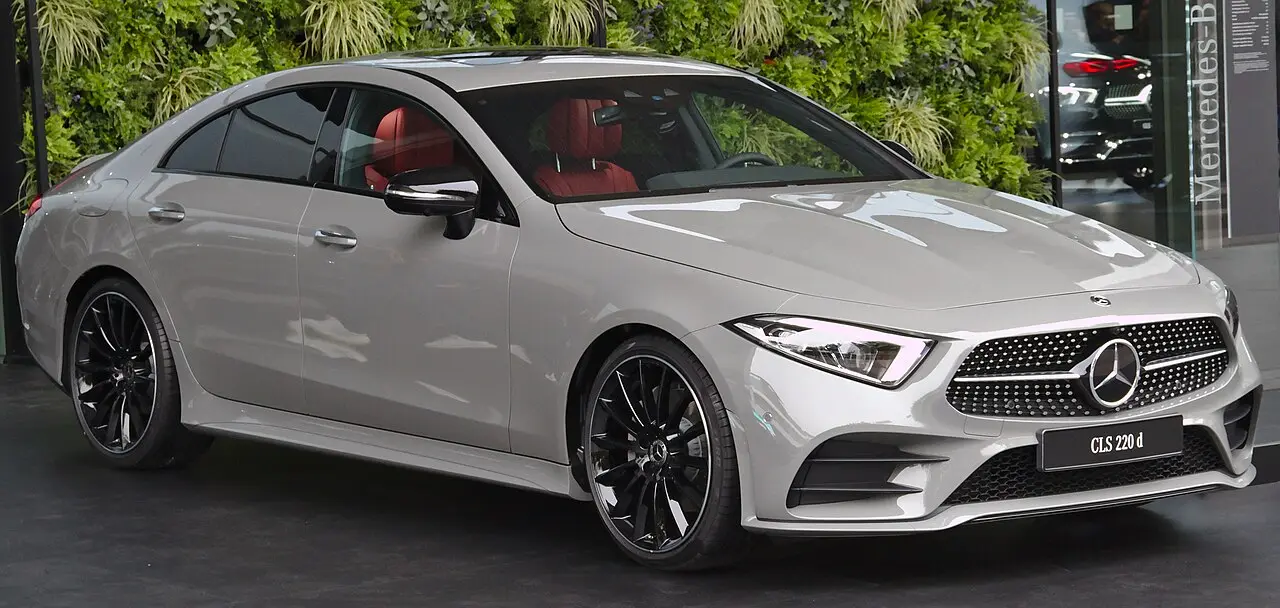
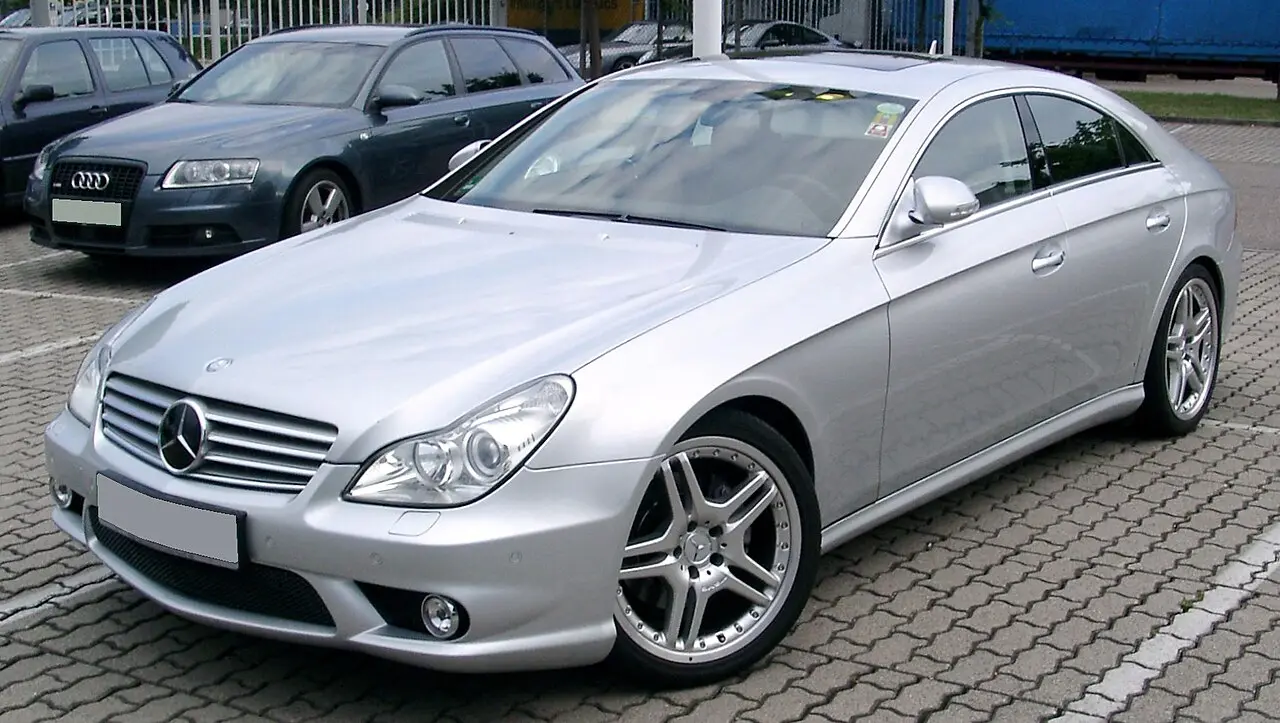
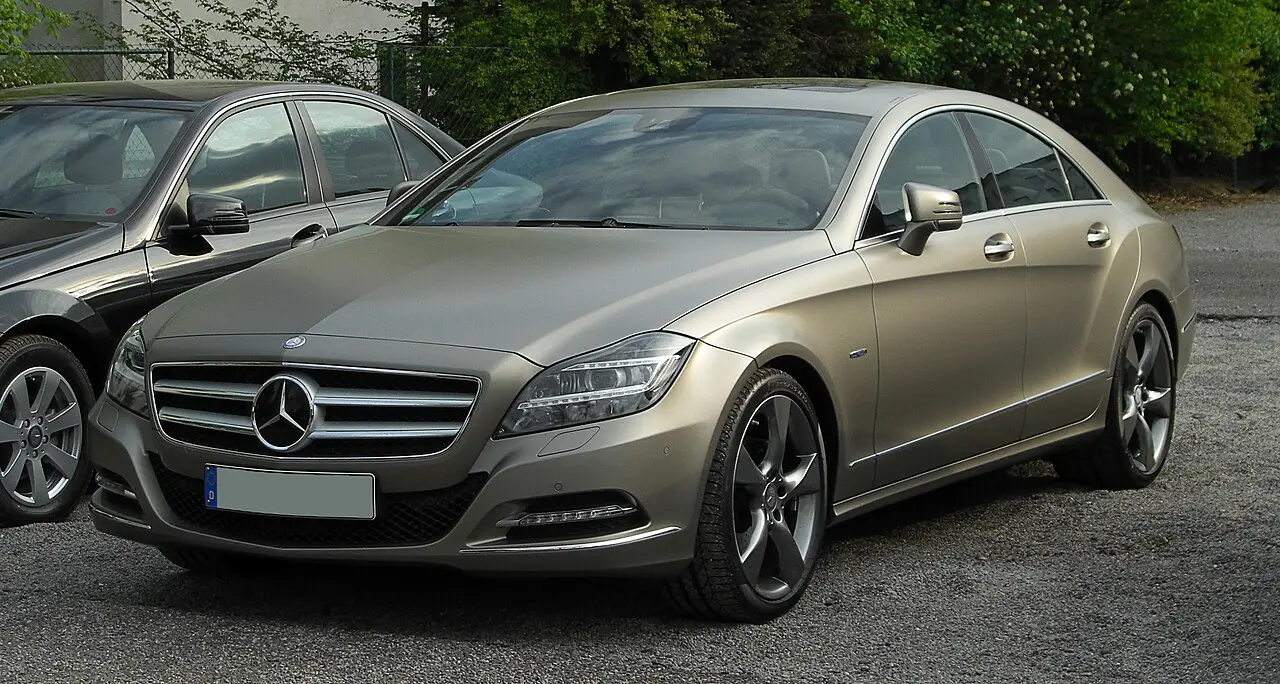
The first generation, C219, ran from 2006 to 2010. The second, C218, ran from 2011 to 2017 and included the X218 Shooting Brake. The third generation, C257, followed from 2018 to 2023, keeping the low roofline and long profile.
The CLS gave Mercedes-Benz’s passenger-car range a more design-led shape, while keeping the four-door layout. Its generations brought changes in styling and equipment.
Engines, power and fuel consumption
The CLS range included petrol and diesel engines, with hybrid versions in some markets. EU figures cover engines from 1.9 to 5.5 litres and power from 120 kW (163 PS) to 430 kW (585 PS). US versions range from 3.0 to 6.3 litres; Canadian versions from 3.0 to 6.2 litres.
The lowest listed consumption is 5.7 L/100 km in EU WLTP figures. UK figures reach 4.9 L/100 km under NEDC, and France lists 4.6 L/100 km under NEDC. The best combined EPA rating is 26 MPG; the US low in L/100 km is 9. Canada’s NRCan 5-cycle low is 9.1 L/100 km. WLTP and NEDC are European procedures; EPA and NRCan use different tests, so results are best considered within each market.
Where was the CLS sold?
The CLS appears in official figures for the European Union, the UK, France, the United States and Canada. EU registrations total 202,876 from 2010 to 2024. The most registered listed configuration is a 3.0-litre diesel rated at 195 kW (265 PS), with 20,336 registrations in 2011.
Questions and answers
How many generations of Mercedes-Benz CLS were there?
Three: C219 (2006–2010), C218 (2011–2017) and C257 (2018–2023).
Did the CLS come as an estate?
The second-generation CLS was also offered as the estate-style X218 Shooting Brake.
What is the CLS’s lowest official fuel consumption?
The lowest listed result is 4.6 L/100 km in France under NEDC. The EU’s lowest WLTP figure is 5.7 L/100 km; US and Canadian figures use EPA and NRCan 5-cycle tests.
New cars registered in the EU (plus Norway and Iceland), from the European Environment Agency. Figures on the NEDC procedure until 2020 and on WLTP from 2021; versions are grouped by engine and power, with their number of registrations.
Years and version
Engine
Power
Fuel
Consumption (combined)
CO₂
EU registrations
2023–2024
2.0 L
195 kW (265 PS)
Hybrid
6.2 L/100 km WLTP
162 g/km
375
2023–2024
3.0 L
320 kW (435 PS)
Hybrid
9.5 L/100 km WLTP
216 g/km
300
2023
2.9 L
243 kW (330 PS)
Diesel
7.1 L/100 km WLTP
187 g/km
319
2023
3.0 L
270 kW (367 PS)
Hybrid
8.8 L/100 km WLTP
201 g/km
265
2023
2.0 L
143 kW (194 PS)
Diesel
5.9 L/100 km WLTP
155 g/km
185
2023
2.0 L
220 kW (299 PS)
Hybrid
8.0 L/100 km WLTP
182 g/km
58
2022
2.9 L
243 kW (330 PS)
Diesel
7.1 L/100 km WLTP
188 g/km
536
2022
3.0 L
270 kW (367 PS)
Hybrid
8.8 L/100 km WLTP
201 g/km
409
2022
3.0 L
320 kW (435 PS)
Hybrid
9.4 L/100 km WLTP
216 g/km
392
2022
2.0 L
195 kW (265 PS)
Hybrid
5.9 L/100 km WLTP
162 g/km
364
2022
2.0 L
143 kW (194 PS)
Diesel
5.8 L/100 km WLTP
154 g/km
228
2022
2.0 L
220 kW (299 PS)
Hybrid
8.1 L/100 km WLTP
193 g/km
38
2022
2.0 L
220 kW (299 PS)
Petrol
6.9 L/100 km WLTP
181 g/km
28
2022
2.0 L
195 kW (265 PS)
Diesel
5.4 L/100 km WLTP
149 g/km
21
2021
2.9 L
243 kW (330 PS)
Diesel
7.1 L/100 km WLTP
189 g/km
927
2021
2.0 L
143 kW (194 PS)
Diesel
5.7 L/100 km WLTP
155 g/km
633
2021
3.0 L
270 kW (367 PS)
Hybrid
8.9 L/100 km WLTP
203 g/km
604
2021
3.0 L
320 kW (435 PS)
Hybrid
9.5 L/100 km WLTP
216 g/km
458
2021
2.0 L
195 kW (265 PS)
Hybrid
6.2 L/100 km WLTP
166 g/km
180
2021
2.0 L
180 kW (245 PS)
Diesel
6.3 L/100 km WLTP
142 g/km
146
2021
2.0 L
195 kW (265 PS)
Diesel
5.8 L/100 km WLTP
160 g/km
132
2021
2.0 L
220 kW (299 PS)
Hybrid
7.9 L/100 km WLTP
190 g/km
99
2021
2.9 L
250 kW (340 PS)
Diesel
6.8 L/100 km WLTP
191 g/km
98
2021
2.9 L
210 kW (286 PS)
Diesel
6.4 L/100 km WLTP
190 g/km
35
2021
3.0 L
270 kW (367 PS)
Petrol
8.6 L/100 km WLTP
198 g/km
28
2021
2.0 L
220 kW (299 PS)
Petrol
7.7 L/100 km WLTP
180 g/km
16
2021
3.0 L
320 kW (435 PS)
Petrol
9.1 L/100 km WLTP
210 g/km
15
2020
3.0 L
270 kW (367 PS)
Hybrid
–
188 g/km
1,306
2020
2.9 L
210 kW (286 PS)
Diesel
–
156 g/km
1,268
2020
2.0 L
180 kW (245 PS)
Diesel
–
142 g/km
1,119
2020
2.9 L
250 kW (340 PS)
Diesel
–
159 g/km
1,073
2020
2.0 L
143 kW (194 PS)
Diesel
–
132 g/km
704
2020
3.0 L
320 kW (435 PS)
Hybrid
–
202 g/km
653
2020
2.9 L
243 kW (330 PS)
Diesel
–
169 g/km
516
2020
2.0 L
220 kW (299 PS)
Hybrid
–
164 g/km
410
2020
3.0 L
270 kW (367 PS)
Petrol
–
186 g/km
78
2020
2.0 L
220 kW (299 PS)
Petrol
–
160 g/km
54
2020
3.0 L
320 kW (435 PS)
Petrol
–
200 g/km
46
2020
2.0 L
195 kW (265 PS)
Hybrid
–
189 g/km
34
2019
2.9 L
210 kW (286 PS)
Diesel
–
153 g/km
5,246
2019
2.9 L
250 kW (340 PS)
Diesel
–
158 g/km
2,892
2019
3.0 L
270 kW (367 PS)
Petrol
–
185 g/km
2,215
2019
2.0 L
180 kW (245 PS)
Diesel
–
142 g/km
2,168
2019
3.0 L
320 kW (435 PS)
Petrol
–
221 g/km
1,399
2019
3.0 L
270 kW (367 PS)
Hybrid
1.0 kWh/100 km NEDC
184 g/km
930
2018–2019
2.0 L
220 kW (299 PS)
Petrol
–
162 g/km
716
2019
3.0 L
320 kW (435 PS)
Hybrid
1.0 kWh/100 km NEDC
203 g/km
369
2019
2.0 L
220 kW (299 PS)
Hybrid
–
162 g/km
230
2019
2.0 L
143 kW (194 PS)
Diesel
–
133 g/km
214
2019
2.1 L
120 kW (163 PS)
Diesel
–
127 g/km
10
2018
2.9 L
210 kW (286 PS)
Diesel
–
156 g/km
5,710
2018
3.0 L
270 kW (367 PS)
Petrol
–
184 g/km
4,344
2018
2.9 L
250 kW (340 PS)
Diesel
–
158 g/km
3,962
2018
2.0 L
180 kW (245 PS)
Diesel
–
142 g/km
904
2018
2.1 L
150 kW (204 PS)
Diesel
–
142 g/km
822
2018
3.0 L
320 kW (435 PS)
Petrol
–
203 g/km
647
2018
3.0 L
190 kW (258 PS)
Diesel
–
166 g/km
622
2018
2.1 L
120 kW (163 PS)
Diesel
–
127 g/km
96
2018
3.5 L
245 kW (333 PS)
Petrol
–
189 g/km
88
2018
5.5 L
430 kW (585 PS)
Petrol
–
250 g/km
84
2018
2.1 L
125 kW (170 PS)
Diesel
–
123 g/km
38
2018
3.0 L
270 kW (367 PS)
Other fuel
–
184 g/km
22
2018
4.7 L
300 kW (408 PS)
Petrol
–
218 g/km
10
United Kingdom 29 versions
New cars on sale in the UK, from the Vehicle Certification Agency. NEDC figures until 2018 and WLTP figures after; years are the editions a version appeared in.
Years and version
Engine
Power
Fuel
Gearbox
Consumption (combined)
CO₂
2022–2023CLS 400 d 4MATIC
2.9 L
243 kW (330 PS)
Diesel
9-speed automatic
6.7 L/100 km WLTP
175 g/km
2022–2023CLS 400 d 4MATIC
2.9 L
243 kW (330 PS)
Diesel
9-speed automatic
7.4 L/100 km WLTP
194 g/km
2022–2023AMG CLS 53 4MATIC+
3.0 L
320 kW (435 PS)
Hybrid
9-speed automatic
9.2 L/100 km WLTP
209 g/km
2022–2023AMG CLS 53 4MATIC+
3.0 L
320 kW (435 PS)
Hybrid
9-speed automatic
9.6 L/100 km WLTP
218 g/km
2020–2021CLS 300 d
2.0 L
180 kW (245 PS)
Diesel
9-speed automatic
6.1 L/100 km WLTP
161 g/km
2020–2021CLS 300 d
2.0 L
180 kW (245 PS)
Diesel
9-speed automatic
7.0 L/100 km WLTP
183 g/km
2021CLS 300 d
2.0 L
180 kW (245 PS)
Hybrid
9-speed automatic
6.1 L/100 km WLTP
161 g/km
2021CLS 300 d
2.0 L
180 kW (245 PS)
Hybrid
9-speed automatic
7.0 L/100 km WLTP
183 g/km
2020–2021CLS 350
2.0 L
220 kW (299 PS)
Petrol
9-speed automatic
7.6 L/100 km WLTP
172 g/km
2020–2021CLS 350
2.0 L
220 kW (299 PS)
Petrol
9-speed automatic
8.6 L/100 km WLTP
195 g/km
2021CLS 350
2.0 L
220 kW (299 PS)
Hybrid
9-speed automatic
7.6 L/100 km WLTP
172 g/km
2021CLS 350
2.0 L
220 kW (299 PS)
Hybrid
9-speed automatic
8.6 L/100 km WLTP
195 g/km
2021CLS 300 d 4MATIC
2.0 L
195 kW (265 PS)
Hybrid
9-speed automatic
6.4 L/100 km WLTP
151 g/km
2021CLS 300 d 4MATIC
2.0 L
195 kW (265 PS)
Hybrid
9-speed automatic
6.4 L/100 km WLTP
173 g/km
2021CLS 400 d 4MATIC
2.9 L
243 kW (330 PS)
Diesel
9-speed automatic
6.9 L/100 km WLTP
175 g/km
2021CLS 400 d 4MATIC
2.9 L
243 kW (330 PS)
Diesel
9-speed automatic
6.9 L/100 km WLTP
196 g/km
2020–2021CLS 400 d 4MATIC
2.9 L
250 kW (340 PS)
Diesel
9-speed automatic
6.8 L/100 km WLTP
178 g/km
2020–2021CLS 400 d 4MATIC
2.9 L
250 kW (340 PS)
Diesel
9-speed automatic
7.5 L/100 km WLTP
197 g/km
2020–2021CLS 450 4MATIC
3.0 L
270 kW (367 PS)
Petrol
9-speed automatic
8.0 L/100 km WLTP
183 g/km
2020–2021CLS 450 4MATIC
3.0 L
270 kW (367 PS)
Petrol
9-speed automatic
9.1 L/100 km WLTP
207 g/km
2021CLS 450 4MATIC
3.0 L
270 kW (367 PS)
Hybrid
9-speed automatic
8.0 L/100 km WLTP
183 g/km
2021CLS 450 4MATIC
3.0 L
270 kW (367 PS)
Hybrid
9-speed automatic
9.1 L/100 km WLTP
207 g/km
2021AMG CLS 53 4MATIC+
3.0 L
320 kW (435 PS)
Hybrid
9-speed automatic
9.1 L/100 km WLTP
209 g/km
2021AMG CLS 53 4MATIC+
3.0 L
320 kW (435 PS)
Hybrid
9-speed automatic
9.1 L/100 km WLTP
219 g/km
2018CLS 300 d 4MATIC with 19'' & 20'' rear wheels
2.0 L
–
Diesel
9-speed automatic
5.4 L/100 km NEDC
142 g/km
2018CLS 350 d 4MATIC with 19'' rear wheels · CLS 350 d 4MATIC with 20'' rear wheels
2.9 L
–
Diesel
9-speed automatic
5.8 L/100 km NEDC
156 g/km
2018CLS 400 d 4MATIC with 19'' rear wheels · CLS 400 d 4MATIC with 20'' rear wheels
2.9 L
–
Diesel
9-speed automatic
5.9 L/100 km NEDC
156 g/km
2018CLS 450 4MATIC with 19'' rear wheels · CLS 450 4MATIC with 20'' rear wheels
3.0 L
–
Petrol
9-speed automatic
7.8 L/100 km NEDC
184 g/km
2018AMG CLS 53 4MATIC with 19'' & 20'' rear wheels
3.0 L
–
Hybrid
9-speed automatic
8.9 L/100 km NEDC
203 g/km
United States 8 versions
Model years sold in the USA, from the EPA and the Department of Energy (fueleconomy.gov). MPG on the EPA test; litres per 100 km = 235.215 ÷ MPG.
Years and version
Engine
Fuel
Gearbox
Drive
Consumption (combined)
CO₂
2023SIDI; Mild Hybrid
3.0 L
Hybrid
9-speed automatic
All-wheel drive
25 MPG (9.4 L/100 km) EPA
222 g/km
2022SIDI; Mild Hybrid
3.0 L
Hybrid
9-speed automatic
Four-wheel drive
25 MPG (9.4 L/100 km) EPA
222 g/km
2021SIDI; Mild Hybrid
3.0 L
Hybrid
9-speed automatic
Rear-wheel drive
26 MPG (9.0 L/100 km) EPA
216 g/km
2021SIDI; Mild Hybrid
3.0 L
Hybrid
9-speed automatic
Four-wheel drive
25 MPG (9.4 L/100 km) EPA
222 g/km
2021SIDI; Mild Hybrid
3.0 L
Hybrid
9-speed automatic
Four-wheel drive
23 MPG (10.2 L/100 km) EPA
242 g/km
2019–2020SIDI; Mild Hybrid
3.0 L
Hybrid
9-speed automatic
Four-wheel drive
23 MPG (10.2 L/100 km) EPA
235 g/km
2019–2020SIDI; Mild Hybrid
3.0 L
Hybrid
9-speed automatic
Rear-wheel drive
26 MPG (9.0 L/100 km) EPA
208 g/km
2019–2020SIDI; Mild Hybrid
3.0 L
Hybrid
9-speed automatic
Four-wheel drive
26 MPG (9.0 L/100 km) EPA
213 g/km
Canada 9 versions
Model years sold in Canada, from Natural Resources Canada fuel consumption ratings (5-cycle test).
Years and version
Engine
Fuel
Gearbox
Consumption (combined)
CO₂
2022–2023Compact
3.0 L
Petrol
9-speed automatic
10.3 L/100 km 5-cycle
241 g/km
2023Compact
3.0 L
Petrol
9-speed automatic
9.7 L/100 km 5-cycle
229 g/km
2022Compact
3.0 L
Petrol
9-speed automatic
9.8 L/100 km 5-cycle
229 g/km
2021Compact
3.0 L
Petrol
9-speed automatic
10.3 L/100 km 5-cycle
242 g/km
2021Compact
3.0 L
Petrol
9-speed automatic
9.4 L/100 km 5-cycle
222 g/km
2020Compact
3.0 L
Petrol
9-speed automatic
10.0 L/100 km 5-cycle
235 g/km
2020Compact
3.0 L
Petrol
9-speed automatic
9.1 L/100 km 5-cycle
213 g/km
2019Compact
3.0 L
Petrol
9-speed automatic
10.7 L/100 km 5-cycle
235 g/km
2019Compact
3.0 L
Petrol
9-speed automatic
9.8 L/100 km 5-cycle
213 g/km
Versions outside these generations
European Union 4 versions
New cars registered in the EU (plus Norway and Iceland), from the European Environment Agency. Figures on the NEDC procedure until 2020 and on WLTP from 2021; versions are grouped by engine and power, with their number of registrations.
Years and version
Engine
Power
Fuel
Consumption (combined)
CO₂
EU registrations
2024
3.0 L
270 kW (367 PS)
Hybrid
9.0 L/100 km WLTP
204 g/km
76
2024
2.9 L
243 kW (330 PS)
Diesel
7.2 L/100 km WLTP
188 g/km
45
2024
2.0 L
143 kW (194 PS)
Diesel
6.1 L/100 km WLTP
158 g/km
27
2024
2.0 L
220 kW (299 PS)
Hybrid
8.2 L/100 km WLTP
186 g/km
11
Official figures are measured on standard test procedures and differ between markets. Your consumption depends on how, where and in what conditions you drive.