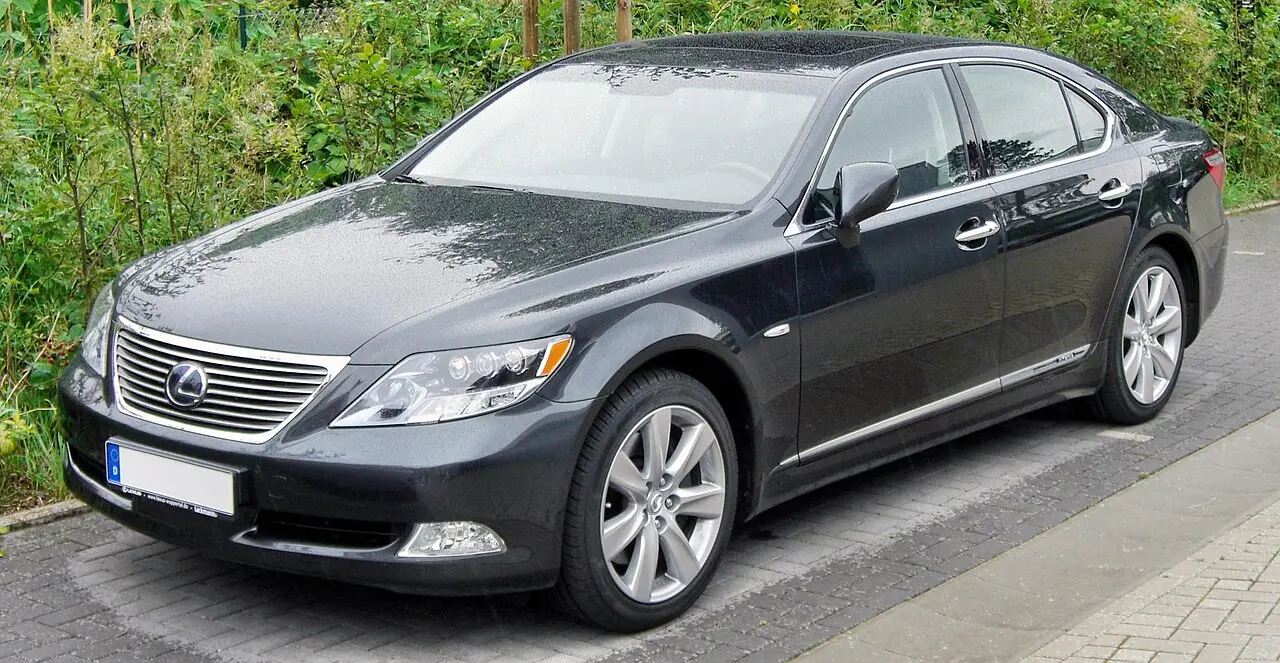
The official data lists 209 versions of the Lexus LS (1990–2026), in the European Union, the United Kingdom, France, the United States, and Canada. Each market publishes its own figures, measured on its own test procedure.
At a glance
Years in the data
1990–2026
Markets
European Union, United Kingdom, France, United States, Canada
Engines
3.4 L to 5.0 L
Power
220 kW (299 PS) to 359 kW (488 PS)
Fuels
Petrol, Hybrid, Electric
Lowest consumption (United Kingdom)
6.5 L/100 km (NEDC)
Lowest consumption (European Union)
8.4 L/100 km (WLTP)
Lowest consumption (United States)
8.4 L/100 km (EPA)
New registrations in the EU
4,973
What is the Lexus LS?
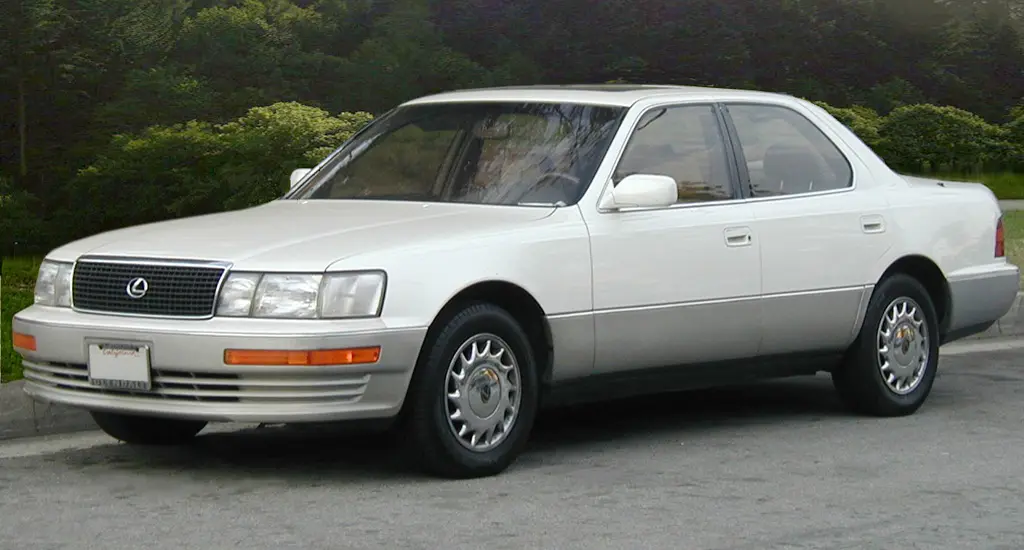
The LS is Lexus’s flagship saloon, designed around quietness and passenger comfort. Its first generation debuted in 1989 and helped establish the Lexus brand in North America. The LS remains the top saloon in the Lexus range.
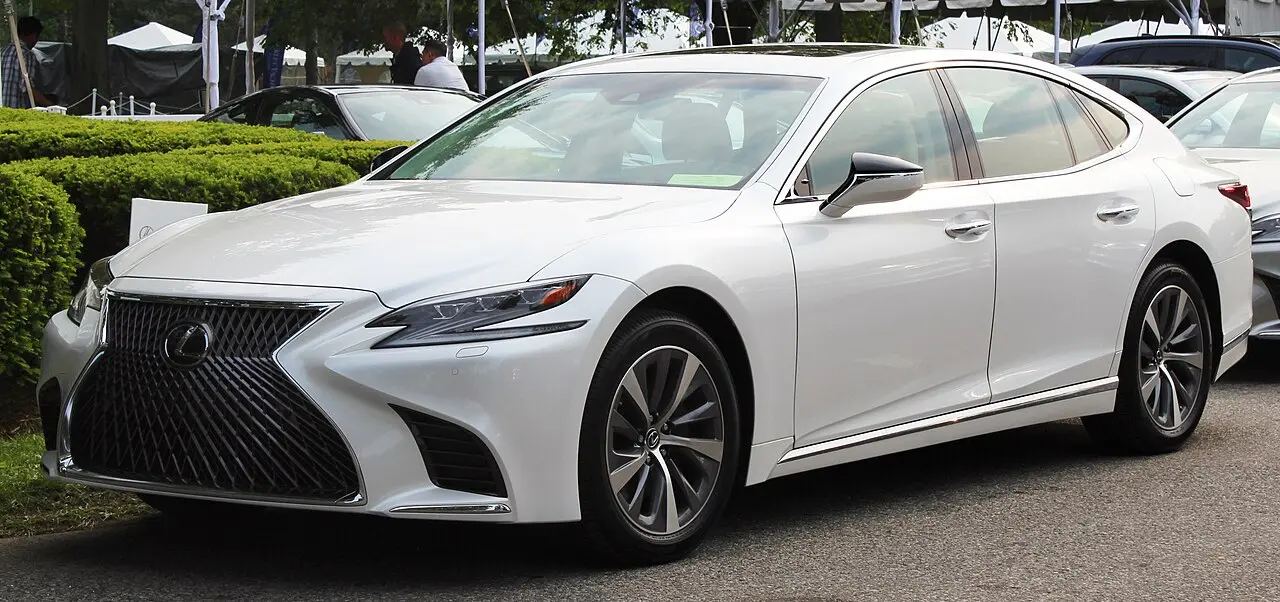
Across its generations, the LS has kept the large four-door format while adopting new design and technology. The fourth generation ran from 2007 to 2017. The fifth, introduced in 2018, brought a more coupe-like roofline while retaining a spacious cabin. It also introduced a twin-turbo V6 alongside hybrid power.
Lexus LS generations
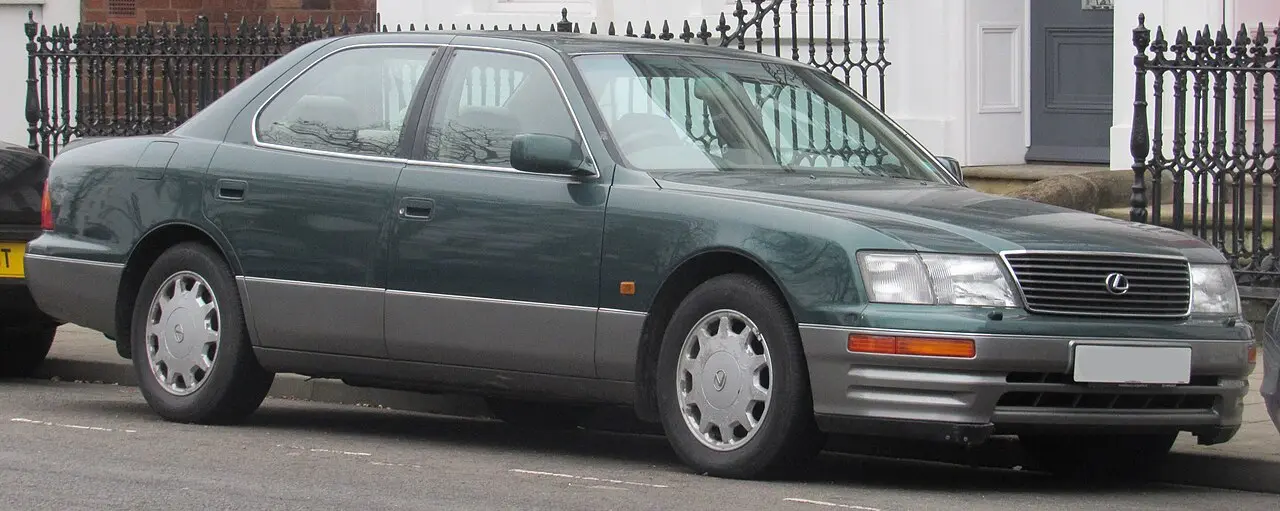
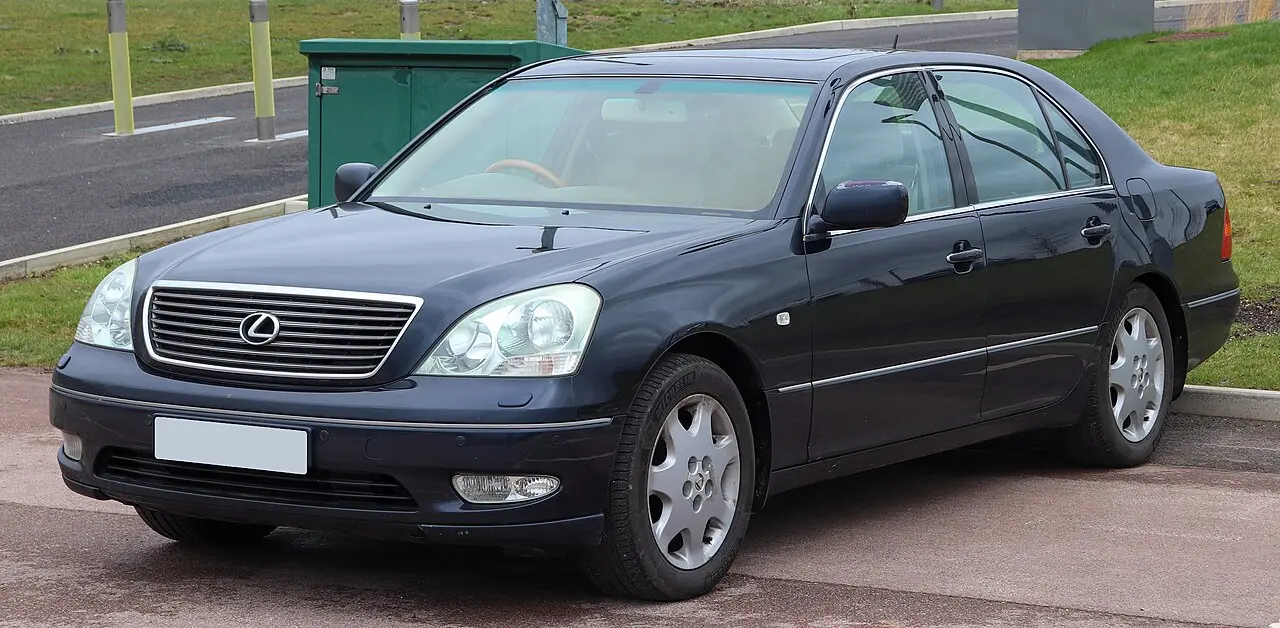
The first generation ran from 1990 to 1994, followed by the second from 1995 to 2000 and the third from 2001 to 2006. The fourth generation ran from 2007 to 2017. The fifth began in 2018 and continues today.
Engines, power and fuel consumption
In the EU, the LS range covered engines from 3.4 L to 5.0 L, with power from 220 kW (299 PS) to 330 kW (449 PS). UK versions ranged from 264 kW (359 PS) to 359 kW (488 PS). The EU’s most registered version was a 3.5 L petrol with 220 kW (299 PS). The LS has been offered with petrol and hybrid power.
The lowest listed consumption figures are 8.4 L/100 km in the EU on WLTP, 6.5 L/100 km in the UK on NEDC and 8.6 L/100 km in France on NEDC. The USA figure is 8.4 L/100 km under EPA testing, and Canada’s is 8.4 L/100 km under NRCan’s 5-cycle procedure. These results are not directly comparable because test procedures differ.
Where was the Lexus LS sold?
The LS appears in figures for the EU, UK, France, USA and Canada. The recorded years run from 1990 to 2026 in the USA, 2010 to 2025 in the EU, 2002 to 2024 in the UK, 2012 to 2015 in France and 1995 to 2026 in Canada.
Questions and answers
Is the Lexus LS a hybrid?
Some LS versions use hybrid power alongside petrol versions.
What is the lowest listed LS consumption?
The lowest listed figure is 6.5 L/100 km in UK VCA figures, measured on the NEDC test.
Which LS generation began in 2018?
The fifth generation began in 2018 and continues today.
Model codes: XF50, GSF50, VXFA50, GVF50 · References: en.wikipedia.org
European Union 14 versions
New cars registered in the EU (plus Norway and Iceland), from the European Environment Agency. Figures on the NEDC procedure until 2020 and on WLTP from 2021; versions are grouped by engine and power, with their number of registrations.
Years and version
Engine
Power
Fuel
Consumption (combined)
CO₂
EU registrations
2025
3.5 L
220 kW (299 PS)
Hybrid
9.6 L/100 km WLTP
215 g/km
53
2024
3.5 L
220 kW (299 PS)
Hybrid
9.5 L/100 km WLTP
215 g/km
85
2023
3.5 L
220 kW (299 PS)
Hybrid
9.4 L/100 km WLTP
213 g/km
103
2022
3.5 L
220 kW (299 PS)
Hybrid
8.4 L/100 km WLTP
212 g/km
118
2021
3.5 L
220 kW (299 PS)
Hybrid
8.7 L/100 km WLTP
211 g/km
166
2021
3.5 L
220 kW (299 PS)
Petrol
9.5 L/100 km WLTP
215 g/km
12
2020
3.5 L
220 kW (299 PS)
Hybrid
–
165 g/km
101
2020
3.5 L
220 kW (299 PS)
Petrol
–
162 g/km
29
2020
3.4 L
307 kW (417 PS)
Petrol
–
228 g/km
28
2019
3.5 L
220 kW (299 PS)
Hybrid
–
159 g/km
294
2019
3.4 L
307 kW (417 PS)
Petrol
–
224 g/km
79
2019
3.5 L
220 kW (299 PS)
Petrol
–
160 g/km
62
2018
3.5 L
220 kW (299 PS)
Petrol
–
159 g/km
976
2018
3.4 L
307 kW (417 PS)
Petrol
–
225 g/km
228
United Kingdom 25 versions
New cars on sale in the UK, from the Vehicle Certification Agency. NEDC figures until 2018 and WLTP figures after; years are the editions a version appeared in.
Model years sold in Canada, from Natural Resources Canada fuel consumption ratings (5-cycle test).
Years and version
Engine
Fuel
Gearbox
Consumption (combined)
CO₂
2025–2026Mid-size
3.4 L
Petrol
10-speed automatic
11.2 L/100 km 5-cycle
271 g/km
2023–2025Mid-size
3.5 L
Petrol
Continuously variable (CVT)
9.2 L/100 km 5-cycle
217 g/km
2022–2024Mid-size
3.4 L
Petrol
10-speed automatic
11.2 L/100 km 5-cycle
270 g/km
2022Mid-size
3.5 L
Petrol
Continuously variable (CVT)
9.2 L/100 km 5-cycle
216 g/km
2021Mid-size
3.5 L
Petrol
10-speed automatic
11.1 L/100 km 5-cycle
269 g/km
2021Mid-size
3.5 L
Petrol
Continuously variable (CVT)
9.2 L/100 km 5-cycle
213 g/km
2020Mid-size
3.4 L
Petrol
10-speed automatic
11.1 L/100 km 5-cycle
262 g/km
2019–2020Mid-size
3.5 L
Petrol
Continuously variable (CVT)
9.1 L/100 km 5-cycle
214 g/km
2019Mid-size
3.4 L
Petrol
10-speed automatic
11.1 L/100 km 5-cycle
261 g/km
2018Mid-size
3.4 L
Petrol
10-speed automatic
10.2 L/100 km 5-cycle
240 g/km
2018Mid-size
3.4 L
Petrol
10-speed automatic
11.0 L/100 km 5-cycle
259 g/km
2018Mid-size
3.5 L
Petrol
Continuously variable (CVT)
8.4 L/100 km 5-cycle
195 g/km
2018Mid-size
3.5 L
Petrol
Continuously variable (CVT)
9.1 L/100 km 5-cycle
211 g/km
Official figures are measured on standard test procedures and differ between markets. Your consumption depends on how, where and in what conditions you drive.