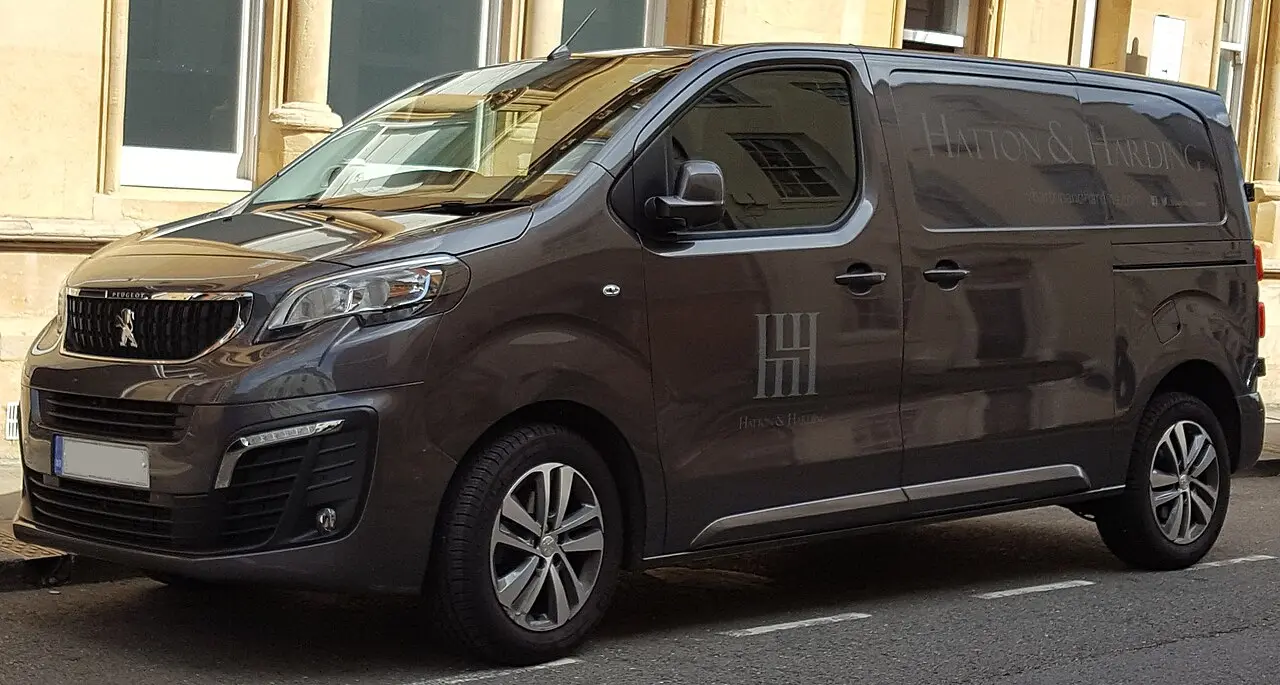
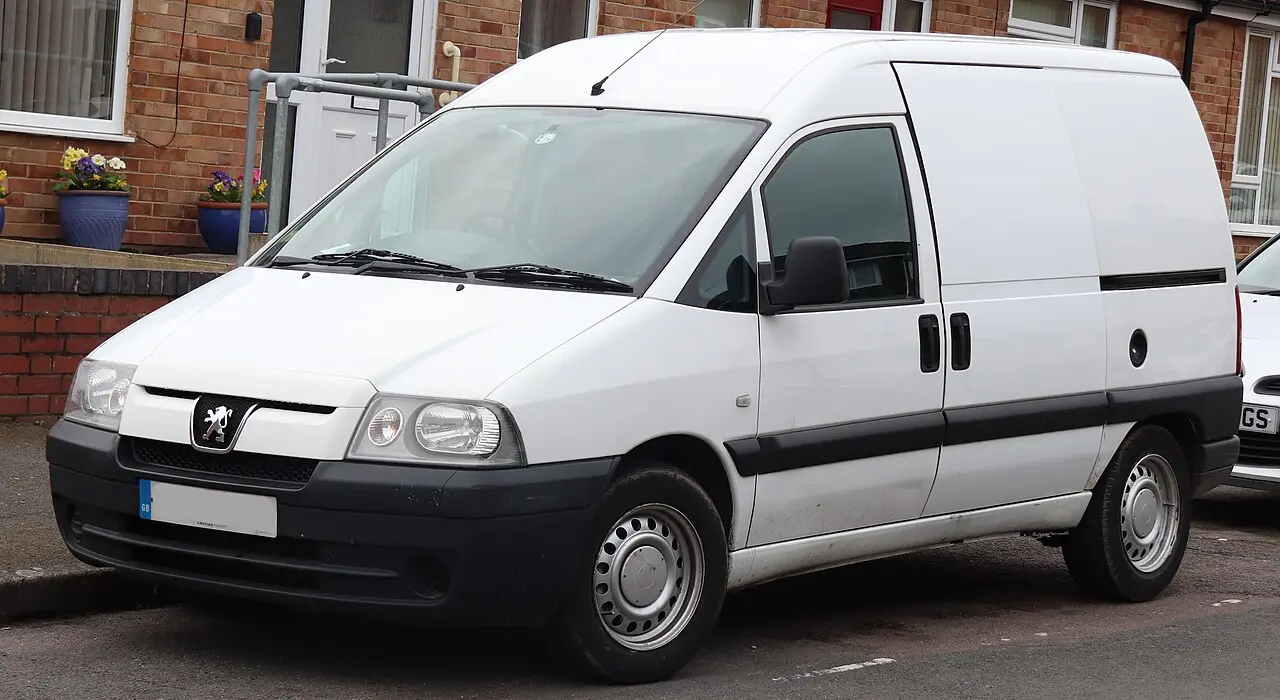
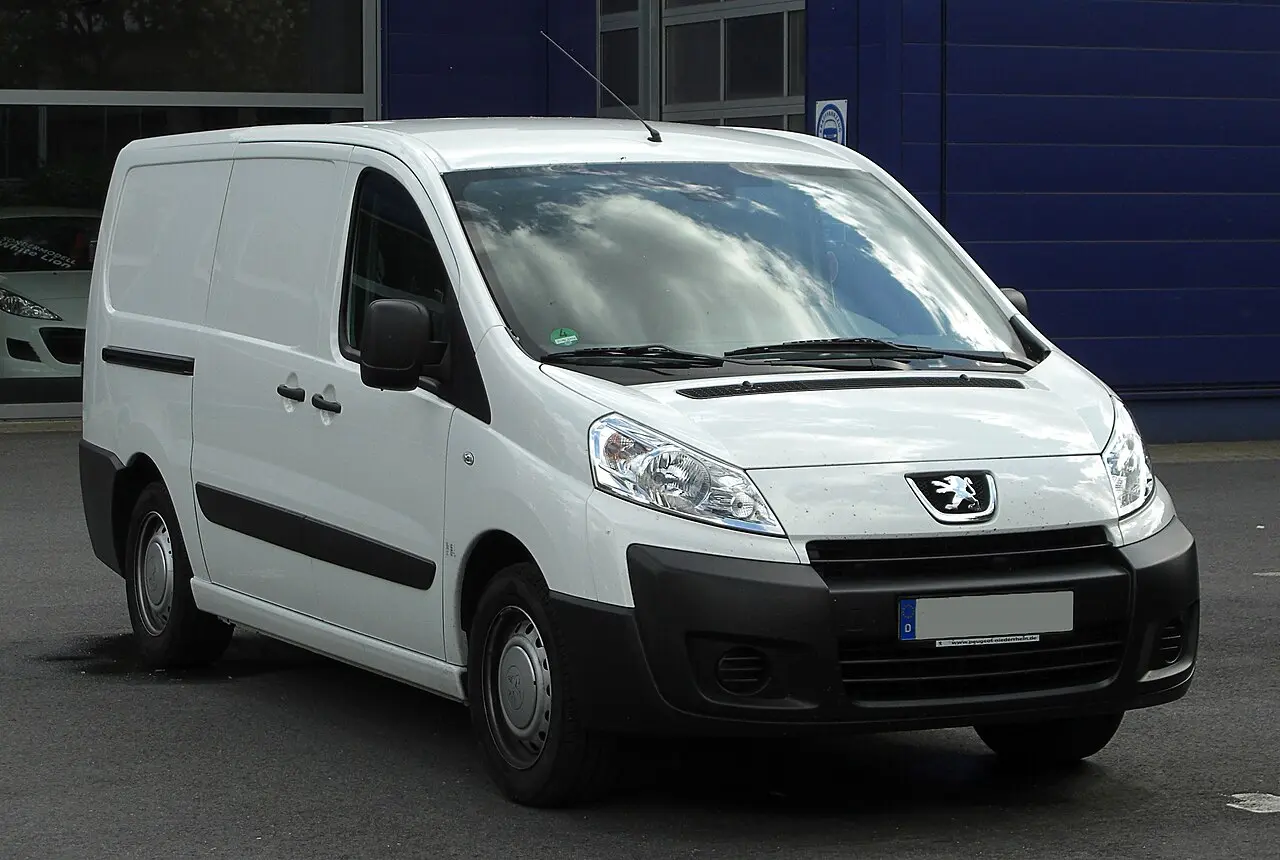
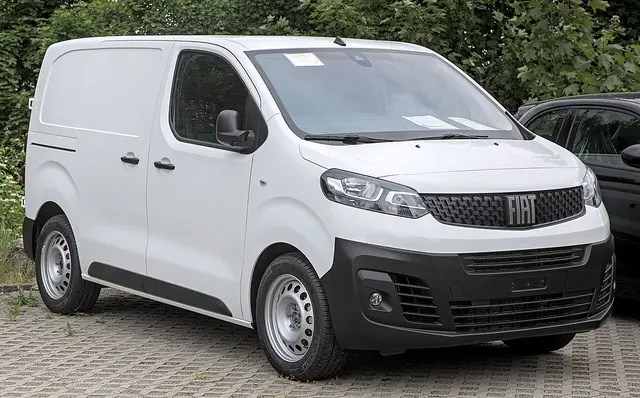
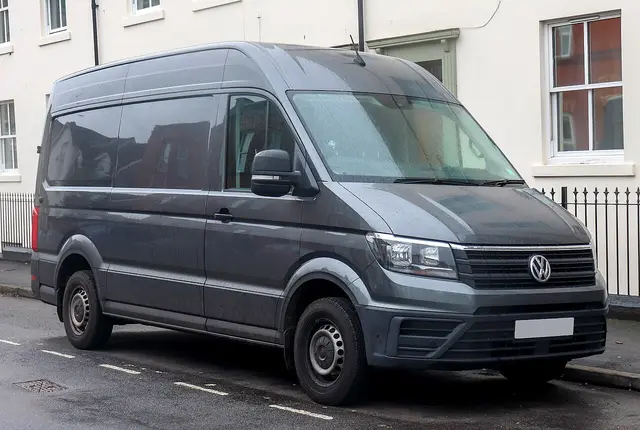
The official data lists 75 versions of the Peugeot Expert (2000 - 2025), in the European Union, the United Kingdom, and France. Each market publishes its own figures, measured on its own test procedure.
At a glance
Years in the data
2000 - 2025
Markets
European Union, United Kingdom, France
Engines
1.5 L to 2.2 L
Power
66 kW (90 PS) to 132 kW (179 PS)
Fuels
Diesel, Electric, Petrol
Lowest consumption (United Kingdom)
4.8 L/100 km (NEDC)
Lowest consumption (European Union)
6.3 L/100 km (WLTP)
Lowest consumption (France)
6.4 L/100 km (NEDC)
New registrations in the EU
58,148
What is the Peugeot Expert?
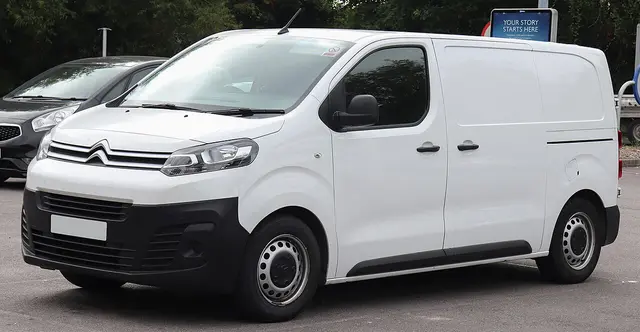
The Peugeot Expert is a mid-sized commercial van, suited to carrying goods and equipment for work. Peugeot also offers passenger-carrying versions as the Expert Combi, while the Traveller serves as a passenger van in its own right.
The Expert has evolved through several generations. The third generation, introduced in 2016, moved to the EMP2 modular platform and brought electric power to the range alongside combustion engines. It is offered in different body styles for commercial and passenger transport.
Generations and engines
The second generation ran from 2007 to 2016. The third generation began in 2016 and continues today. They are identified as G9 and K0 respectively.
EU listings span 1.5 to 2.2 litre engines and include diesel, electric, petrol and other fuel types, with power from 66 kW (90 PS) to 132 kW (179 PS). UK listings from 2000 to 2019 cover diesel engines from 1.5 to 2.0 litres and 67 kW (91 PS) to 130 kW (177 PS). French listings from 2012 to 2015 show diesel versions rated from 72 kW (98 PS) to 120 kW (163 PS).
Fuel consumption and registrations
The lowest listed consumption is 6.3 L/100 km for EU versions on WLTP. UK listings give 4.8 L/100 km on NEDC, while French listings show 6.4 L/100 km on NEDC. WLTP and NEDC are different European test procedures, so these values are not directly comparable.
The Expert appears in EU registration figures from 2010 to 2025, UK VCA listings from 2000 to 2019 and French ADEME listings from 2012 to 2015. EU registrations total 58,148 over the period.
Questions and answers
How many generations of Peugeot Expert are covered?
The second generation ran from 2007 to 2016, and the third began in 2016 and continues today.
Does the Peugeot Expert come as an electric van?
Yes. Electric versions appear in EU listings.
What is the lowest listed consumption for the Expert?
The EU WLTP figure is 6.3 L/100 km. UK NEDC listings show 4.8 L/100 km, and French NEDC listings show 6.4 L/100 km.
At a glance: Length 4,530 - 5,143 mm · Kerb weight 1,545 - 1,908 kg · Top speed 155 - 165 km/h · MOT first-time pass at 9 - 12 years: 68.7% (UK average 77.9%) Specifications, reliability and all versions
At a glance: Length 4,960 - 5,330 mm · Kerb weight 1,738 - 2,141 kg · Top speed 130 - 160 km/h · MOT first-time pass at 4 - 5 years: 86.9% (UK average 91.0%) Specifications, reliability and all versions
Show all 29 versions
European Union 16 versions
New cars registered in the EU (plus Norway and Iceland), from the European Environment Agency. Figures on the NEDC procedure until 2020 and on WLTP from 2021; versions are grouped by engine and power, with their number of registrations.
Years and version
Engine
Power
Fuel
Consumption (combined)
CO₂
Electric range
EU registrations
2021 - 2025
Electric motor
100 kW (136 PS)
Electric
24.3 - 26.3 kWh/100 km WLTP
0 g/km
251 - 322 km
1,953
2021 - 2025
2.0 L
130 kW (177 PS)
Diesel
7.2 - 7.3 L/100 km WLTP
188 - 191 g/km
-
1,876
2025
2.2 L
132 kW (179 PS)
Diesel
6.9 L/100 km WLTP
181 g/km
-
51
2021 - 2025
Electric motor
Not listed
Electric
24.1 - 26.8 kWh/100 km WLTP
0 g/km
265 - 309 km
307
2021 - 2023
1.5 L
88 kW (120 PS)
Diesel
6.3 - 6.4 L/100 km WLTP
167 - 168 g/km
-
2,620
2021 - 2023
2.0 L
106 kW (144 PS)
Diesel
7.0 L/100 km WLTP
184 - 185 g/km
-
673
2021
2.0 L
110 kW (150 PS)
Diesel
7.1 L/100 km WLTP
187 g/km
-
29
2021
1.5 L
75 kW (102 PS)
Diesel
6.3 L/100 km WLTP
167 g/km
-
24
2018 - 2020
1.5 L
88 kW (120 PS)
Diesel
-
127 - 129 g/km
-
2,294
2017 - 2020
2.0 L
110 kW (150 PS)
Diesel
-
139 - 145 g/km
-
530
2017 - 2020
2.0 L
130 kW (177 PS)
Diesel
-
149 - 159 g/km
-
222
2018 - 2020
1.5 L
75 kW (102 PS)
Diesel
-
130 - 137 g/km
-
186
2018 - 2020
1.5 L
Not listed
Diesel
-
128 g/km
-
128
2017 - 2019
1.6 L
85 kW (116 PS)
Diesel
-
136 - 137 g/km
-
338
2019
2.0 L
Not listed
Diesel
-
144 g/km
-
28
2017
2.0 L
94 kW (128 PS)
Diesel
-
172 g/km
-
16
United Kingdom 13 versions
New cars on sale in the UK, from the Vehicle Certification Agency. NEDC figures until 2018 and WLTP figures after; years are the editions a version appeared in.
Years and version
Engine
Power
Fuel
Gearbox
Consumption (combined)
CO₂
2019BlueHDi 100 S&S
1.5 L
75 kW (102 PS)
Diesel
6-speed manual
6.1 - 7.0 L/100 km WLTP
-
2019BlueHDi 120 S&S
1.5 L
88 kW (120 PS)
Diesel
6-speed manual
6.0 - 7.0 L/100 km WLTP
-
2019BlueHDi 180 S&S EAT8
2.0 L
130 kW (177 PS)
Diesel
8-speed automatic
7.0 - 8.0 L/100 km WLTP
-
2018Compact BlueHDi 120 S&S · Standard BlueHDi 120 S&S
1.5 L
Not listed
Diesel
6-speed manual
4.8 L/100 km NEDC
127 g/km
2018Compact BlueHDi 100 S&S
1.5 L
Not listed
Diesel
6-speed manual
5.2 L/100 km NEDC
137 g/km
2018Long BlueHDi 120 S&S
1.5 L
Not listed
Diesel
6-speed manual
4.8 L/100 km NEDC
128 g/km
2018Long BlueHDi 180 S&S EAT8
2.0 L
Not listed
Diesel
8-speed automatic
6.1 L/100 km NEDC
160 g/km
2017BlueHDi 115 S&S
1.6 L
Not listed
Diesel
6-speed manual
5.2 L/100 km NEDC
137 g/km
2017BlueHDi 95 S&S ETG6
1.6 L
Not listed
Diesel
6-speed automated manual
5.4 L/100 km NEDC
139 g/km
2017Compact BlueHDi 95
1.6 L
Not listed
Diesel
5-speed manual
5.5 L/100 km NEDC
144 g/km
2017Long BlueHDi 150 S&S
2.0 L
Not listed
Diesel
6-speed manual
5.5 L/100 km NEDC
143 g/km
2017Standard BlueHDi 150 S&S
2.0 L
Not listed
Diesel
6-speed manual
5.3 L/100 km NEDC
139 g/km
2017Long BlueHDi 180 S&S EAT6
2.0 L
Not listed
Diesel
6-speed automatic
5.9 L/100 km NEDC
155 g/km
Versions outside these generations
European Union 5 versions
New cars registered in the EU (plus Norway and Iceland), from the European Environment Agency. Figures on the NEDC procedure until 2020 and on WLTP from 2021; versions are grouped by engine and power, with their number of registrations.
Years and version
Engine
Power
Fuel
CO₂
EU registrations
2016
2.0 L
94 kW (128 PS)
Diesel
174 g/km
568
2016
2.0 L
120 kW (163 PS)
Diesel
183 g/km
150
2016
2.0 L
110 kW (150 PS)
Diesel
140 g/km
80
2016
1.6 L
85 kW (116 PS)
Diesel
137 g/km
30
2016
2.0 L
72 kW (98 PS)
Diesel
173 g/km
20
Peugeot Expert recalls
85 official safety recalls for the Peugeot Expert from NHTSA (United States), DVSA (United Kingdom) and the EU Safety Gate, newest first. Recall repairs are normally free at the maker’s dealers.
Water pump may cause engine shutdown2025 - 2026
Fuel rail nut may loosen and cause a leak2025
Instrument panel may show a black screen2023 - 2025
Engine control software may not meet emissions requirements2022 - 2024
Official figures are measured on standard test procedures and differ between markets. Your consumption depends on how, where and in what conditions you drive.