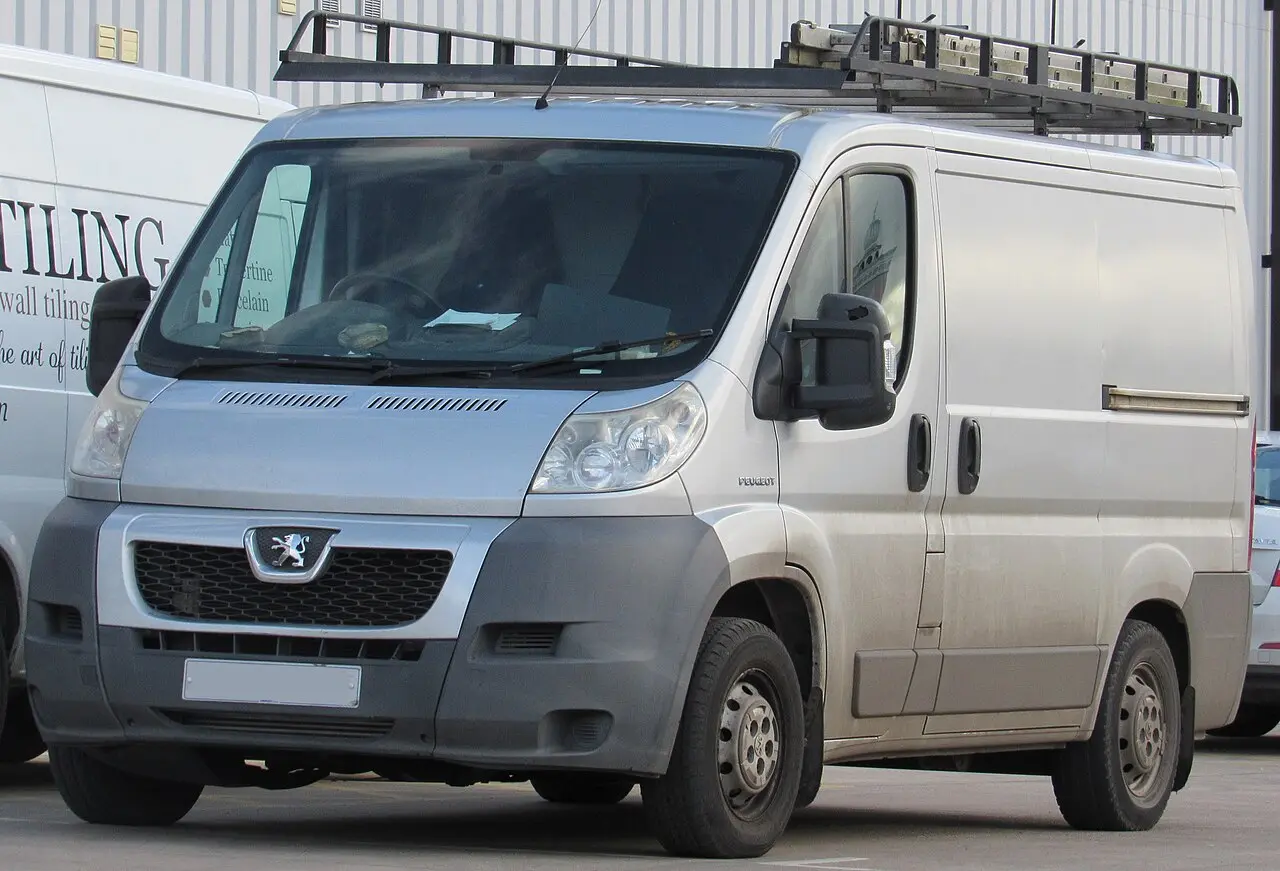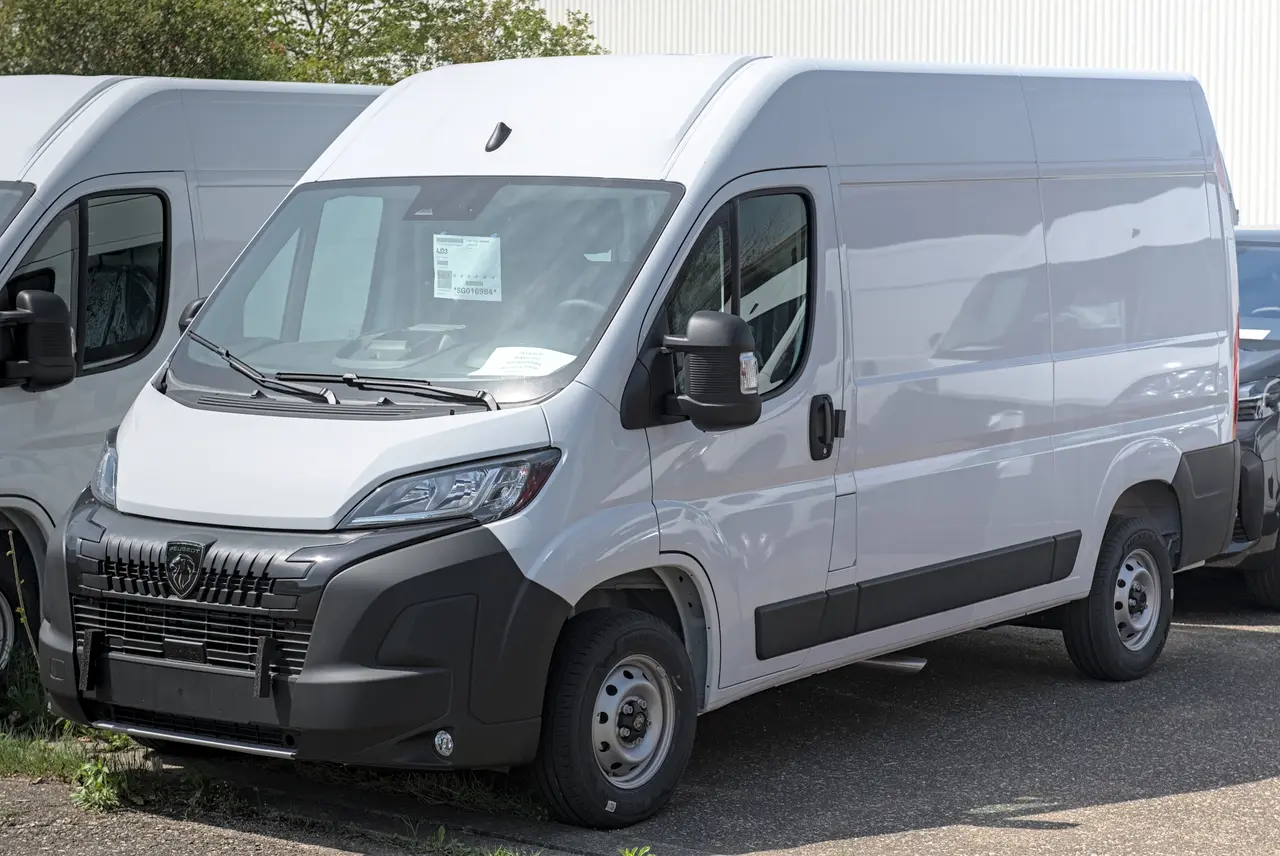
What is the Peugeot Boxer?
The Peugeot Boxer is a large commercial van for carrying goods, tools and equipment. It forms part of Peugeot’s commercial-vehicle range, a line that includes vans for professional work. The company’s Boxer name replaced the J5 van in 1994.
The listed Boxer generations are Generation I, from 2007 to 2014, and Generation II, which began in 2015. Their vehicle codes are X250 and X290 respectively.
Engines and power
EU versions span 2.0 L to 3.0 L engines, with power from 74 kW (101 PS) to 144 kW (196 PS). Diesel is listed among the fuel types. French listings cover diesel versions with outputs from 81 kW (110 PS) to 110 kW (150 PS).
A 2.0 L diesel with 96 kW (131 PS) features among the leading EU registration entries, including in 2016 and 2017.
How economical is the Peugeot Boxer?
The lowest listed EU consumption is 8.9 L/100 km on the WLTP test. France’s lowest listed figure is 6.8 L/100 km on NEDC. These European procedures differ; the USA uses EPA testing and Canada uses a 5-cycle procedure, so figures from different markets are not directly comparable.
Official EU registration figures cover 2010–2025 and total 24,067 registrations. French listings cover 2012–2015.
Where was the Peugeot Boxer sold?
The Boxer appears in EU registration figures and French specifications. As a commercial van, its central purpose is carrying loads, with versions suited to different working needs.
Questions and answers
What is the Peugeot Boxer used for?
It is a large commercial van for carrying goods, tools and equipment.
How many Boxer generations are listed?
Two: Generation I from 2007 to 2014, and Generation II, which began in 2015.
What is the lowest listed Boxer consumption?
The lowest listed EU figure is 8.9 L/100 km on WLTP; the French figure is 6.8 L/100 km on NEDC.
What engine range is listed for the Boxer in the EU?
Engines range from 2.0 L to 3.0 L, with power from 74 kW (101 PS) to 144 kW (196 PS).