Opel

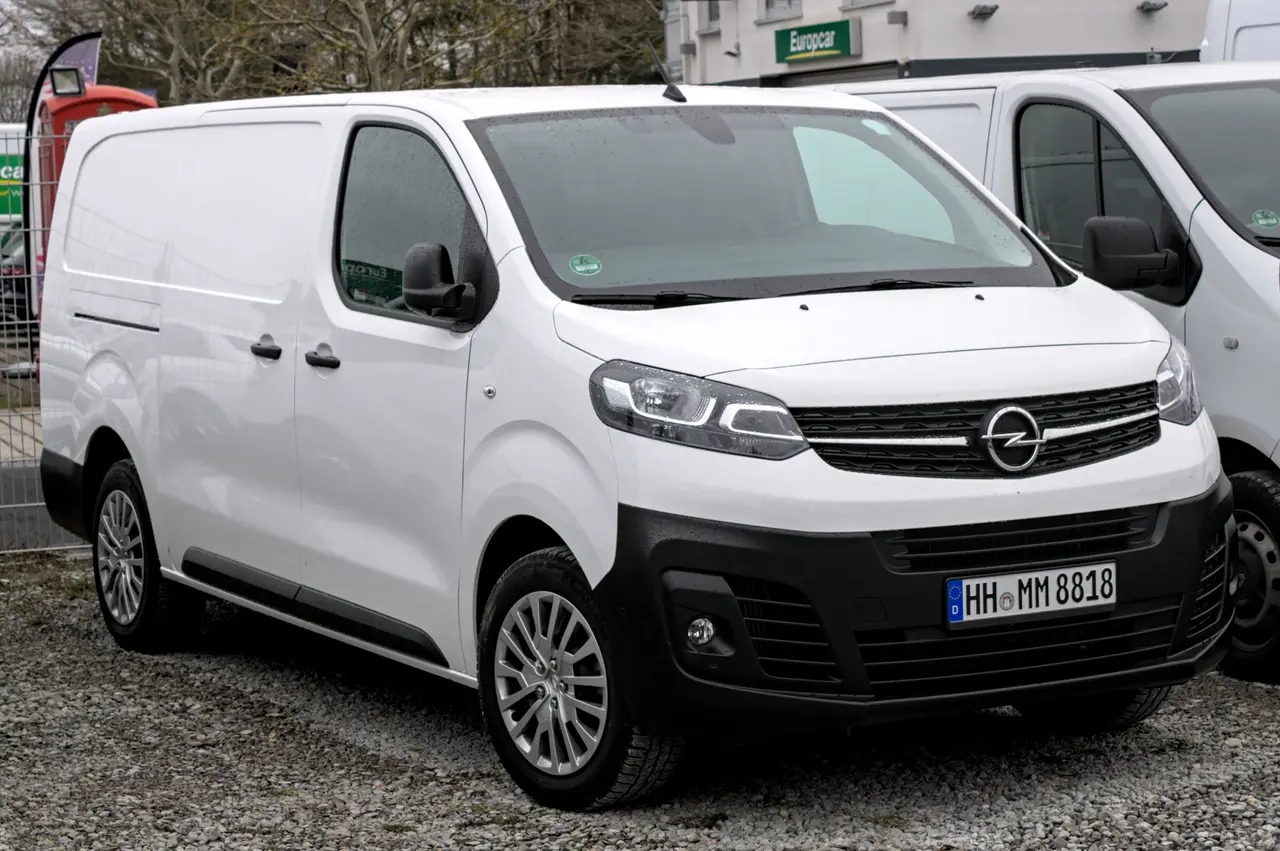
Opel Vivaro

Opel Vivaro
Photo: Alexander Migl / Wikimedia Commons · CC BY-SA 4.0

The official data lists 123 versions of the Opel Vivaro (2010–2025), in the European Union and France. Each market publishes its own figures, measured on its own test procedure.

At a glance

Years in the data
2010–2025
Markets
European Union, France
Engines
1.5 L to 2.5 L
Power
57 kW (77 PS) to 138 kW (188 PS)
Fuels
Diesel, Electric, Petrol
Lowest consumption (France)
5.7 L/100 km (NEDC)
Lowest consumption (European Union)
6.3 L/100 km (WLTP)
New registrations in the EU
193,044

What kind of vehicle is the Opel Vivaro?

The Opel Vivaro is a light commercial van for businesses and other users who need room for cargo or passengers. Its range of body styles gives it a role as either a goods carrier or a passenger shuttle, with usable space at the heart of its design.

The Vivaro A ran from 2001 to 2014, followed by the Vivaro B from 2014 to 2019 and the Vivaro C from 2019 to today. The model has been offered with diesel, petrol and electric power, as well as other fuel classifications in EU registrations.

Engines and power

Across EU registrations, Vivaro engines ranged from 1.5 L to 2.5 L, with power from 57 kW (77 PS) to 138 kW (188 PS). Recorded fuel types include diesel, electric and petrol. Leading registrations included 1.6 L and 2.0 L diesel versions. French ADEME listings cover diesel models with power from 66 kW (90 PS) to 103 kW (140 PS).

Fuel consumption and registrations

The lowest listed EU consumption is 6.3 L/100 km on the WLTP test. The lowest French ADEME figure is 5.7 L/100 km on NEDC. EU registration figures span 2010 to 2025 and total 193,044; French ADEME listings cover 2012 to 2015. Test procedures differ by market: Europe uses WLTP or NEDC, the USA uses EPA ratings, and Canada uses the 5-cycle procedure.

Questions and answers

What are the Opel Vivaro generations?

The Vivaro A ran from 2001 to 2014, the Vivaro B from 2014 to 2019, and the Vivaro C from 2019 to today.

What engine sizes and power outputs are listed?

EU registration figures span 1.5 L to 2.5 L and 57 kW (77 PS) to 138 kW (188 PS).

What is the Vivaro’s lowest listed consumption?

The lowest EU figure is 6.3 L/100 km on WLTP. The French ADEME listing gives 5.7 L/100 km on NEDC.

Was there an electric Vivaro?

Yes. Electric is among the fuel types recorded for EU registrations.
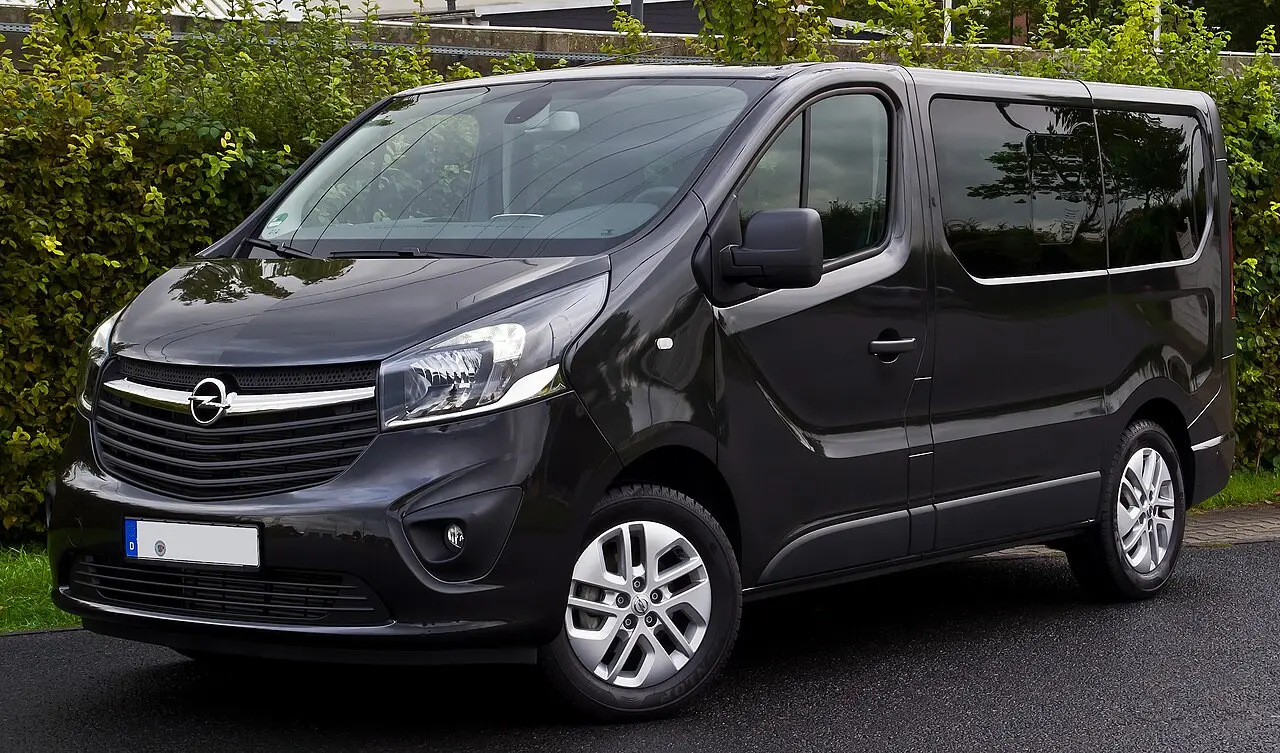
Vivaro A (2001–2014)

References: adac.de

Show all 52 versions

Vivaro B (2014–2019)

Opel Vivaro B
Photo: M 93 / Wikimedia Commons · CC BY-SA 3.0 de

References: adac.de

Show all 57 versions

Vivaro C (since 2019)

Opel Vivaro C
Photo: Alexander Migl / Wikimedia Commons · CC BY-SA 4.0

References: adac.de

European Union 34 versions

New cars registered in the EU (plus Norway and Iceland), from the European Environment Agency. Figures on the NEDC procedure until 2020 and on WLTP from 2021; versions are grouped by engine and power, with their number of registrations.

Years and versionEnginePowerFuelConsumption (combined)CO₂Electric rangeEU registrations
20252.0 L130 kW (177 PS)Diesel7.3 L/100 km WLTP192 g/km–1,217
2025Electric motor100 kW (136 PS)Electric24.4 kWh/100 km WLTP0 g/km326 km338
2025Electric motor62 kW (84 PS)Electric24.1 kWh/100 km WLTP0 g/km323 km73
20252.2 L132 kW (179 PS)Diesel6.9 L/100 km WLTP181 g/km–16
20251.5 L88 kW (120 PS)Diesel6.7 L/100 km WLTP176 g/km–11
2024Electric motor100 kW (136 PS)Electric25.5 kWh/100 km WLTP0 g/km312 km673
20242.0 L130 kW (177 PS)Diesel7.3 L/100 km WLTP191 g/km–619
20241.5 L75 kW (102 PS)Diesel6.8 L/100 km WLTP177 g/km–19
20241.5 L88 kW (120 PS)Diesel6.7 L/100 km WLTP175 g/km–15
2022–20231.5 L88 kW (120 PS)Diesel6.4 L/100 km WLTP168 g/km–1,301
2023Electric motor100 kW (136 PS)Electric26.7 kWh/100 km WLTP0 g/km302 km1,232
20232.0 L106 kW (144 PS)Diesel7.1 L/100 km WLTP185 g/km–149
2023Electric motor57 kW (77 PS)Electric26.9 kWh/100 km WLTP0 g/km310 km56
20232.0 L130 kW (177 PS)Diesel7.2 L/100 km WLTP189 g/km–22
20231.5 L75 kW (102 PS)Diesel6.7 L/100 km WLTP176 g/km–16
2022Electric motor100 kW (136 PS)Electric26.8 kWh/100 km WLTP0 g/km306 km393
20222.0 L106 kW (144 PS)Diesel6.8 L/100 km WLTP185 g/km–247
2022Electric motor57 kW (77 PS)Electric26.6 kWh/100 km WLTP0 g/km299 km50
20211.5 L88 kW (120 PS)Diesel6.3 L/100 km WLTP168 g/km–1,195
20212.0 L106 kW (144 PS)Diesel7.0 L/100 km WLTP186 g/km–442
20212.0 L110 kW (150 PS)Diesel7.3 L/100 km WLTP189 g/km–112
20212.0 L130 kW (177 PS)Diesel7.3 L/100 km WLTP182 g/km–83
2021Electric motor100 kW (136 PS)Electric26.4 kWh/100 km WLTP0 g/km254 km39
2021–100 kW (136 PS)Petrol26.5 kWh/100 km WLTP105 g/km243 km25
20202.0 L110 kW (150 PS)Diesel–145 g/km–531
20201.5 L88 kW (120 PS)Diesel–128 g/km–345
20202.0 L130 kW (177 PS)Diesel–147 g/km–86
20201.6 L89 kW (121 PS)Diesel–164 g/km–70
2020Electric motor100 kW (136 PS)Electric26.3 kWh/100 km NEDC0 g/km210 km60
20191.6 L89 kW (121 PS)Diesel–165 g/km–12,688
20191.6 L92 kW (125 PS)Diesel–148 g/km–1,118
20191.6 L107 kW (145 PS)Diesel–154 g/km–1,106
20191.6 L70 kW (95 PS)Diesel–160 g/km–462
20191.5 L88 kW (120 PS)Diesel–127 g/km–22

Official figures are measured on standard test procedures and differ between markets. Your consumption depends on how, where and in what conditions you drive.