Peugeot

Peugeot Partner

Peugeot Partner
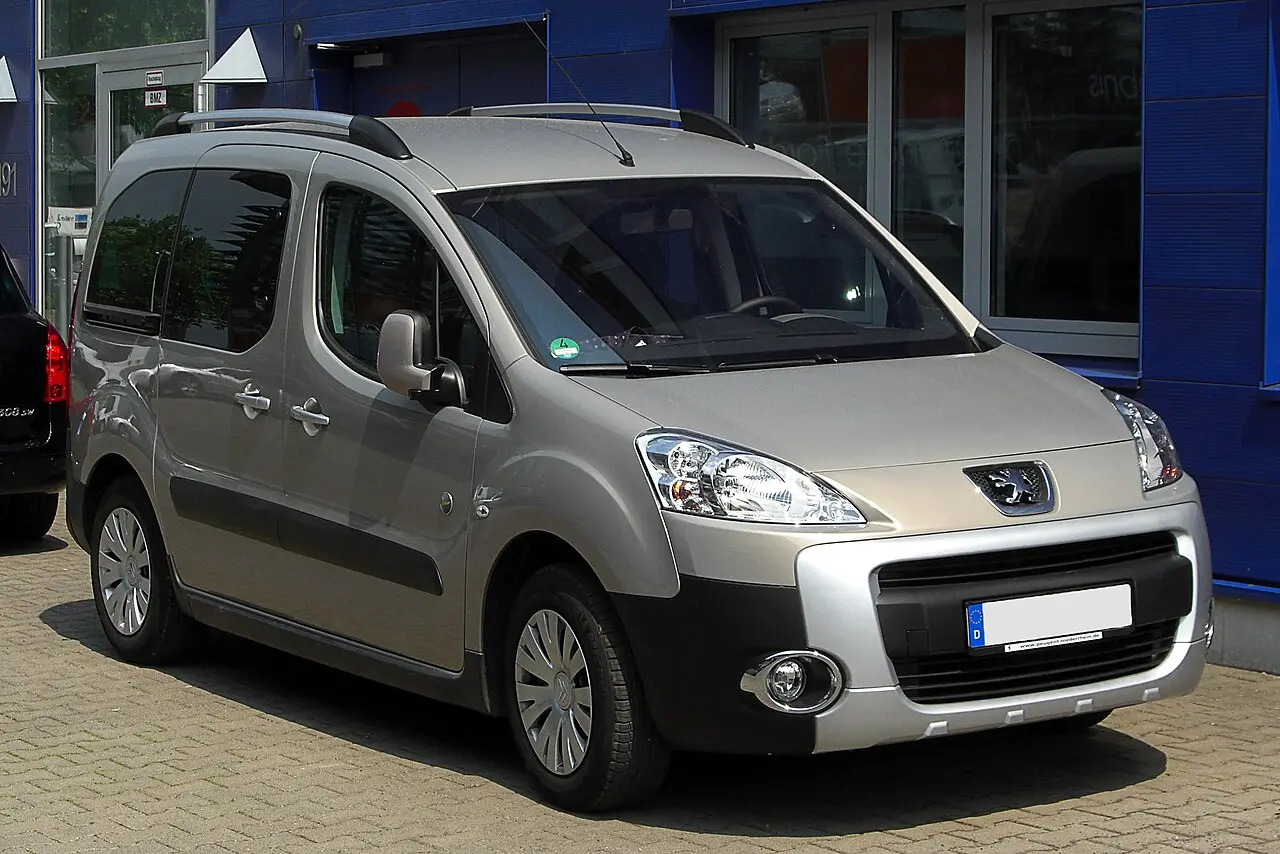
Photo: Vauxford / Wikimedia Commons · CC BY-SA 4.0

The official data lists 185 versions of the Peugeot Partner (2000–2020), in the European Union, the United Kingdom, and France. Each market publishes its own figures, measured on its own test procedure.

At a glance

Years in the data
2000–2020
Markets
European Union, United Kingdom, France
Engines
1.2 L to 2.0 L
Power
35 kW (48 PS) to 110 kW (150 PS)
Fuels
Diesel, Petrol, Electric, LPG
Lowest consumption (United Kingdom)
4.1 L/100 km (NEDC)
Lowest consumption (France)
4.4 L/100 km (NEDC)
New registrations in the EU
580,304

What is the Peugeot Partner?

The Peugeot Partner is a compact van introduced in 1996. Peugeot’s commercial vehicle history also notes that the range has included passenger versions. Its van roots give it a practical, adaptable character for carrying people or everyday loads.

Partner generations and engines

The first Partner generation ran from 1996 to 2008, the second from 2008 to 2018, and the third began in 2018. EU figures cover engines from 1.2 to 1.6 litres and power from 35 kW (48 PS) to 132 kW (179 PS), as well as electric and other fuel options. UK figures list 1.4 to 2.0-litre engines and 52–90 kW (71–122 PS); French figures list 55–88 kW (75–120 PS). The UK and French listings include petrol and diesel, while EU listings also include LPG.

How economical is the Peugeot Partner?

The lowest listed consumption is 4.1 L/100 km in the UK, measured on the NEDC test. France’s lowest listed figure is 4.4 L/100 km, also on NEDC. EU registrations span 2010 to 2020, with 580,304 registrations overall; diesel versions feature among the most registered configurations. Test figures can differ between markets because procedures and vehicle versions vary.

Where was the Partner sold?

The Partner appears in EU registration figures, UK VCA figures and French ADEME figures. UK figures span 2000 to 2018, while the French figures cover 2012 to 2015. The model has continued across three generations, serving both commercial and passenger roles.

Questions and answers

When did the Peugeot Partner generations run?

Generation I ran from 1996 to 2008, generation II from 2008 to 2018, and generation III began in 2018.

What fuels and engines are listed for the Partner?

EU figures include electric, diesel, petrol, LPG and other fuel types, with 1.2 to 1.6-litre engines. UK and French figures list diesel and petrol.

What is the lowest listed Partner consumption?

The UK low is 4.1 L/100 km and the French low is 4.4 L/100 km, both on the NEDC test.
Partner I (1996–2008)

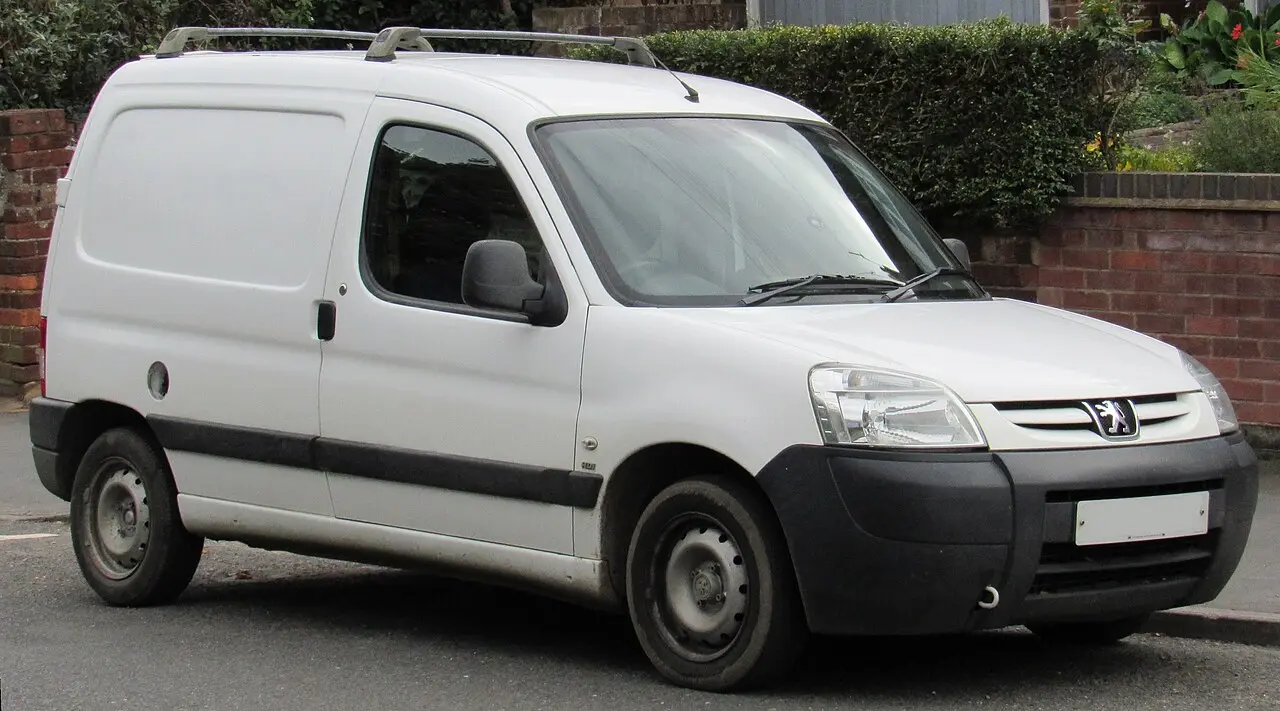
Peugeot Partner I
Photo: Vauxford / Wikimedia Commons · CC BY-SA 4.0

Model codes: M49, M59 · Sold in: European Union, United Kingdom, and France · References: largus.fr, forum-peugeot.com

Show all 19 versions

Partner II (2008–2018)

Peugeot Partner II
Photo: M 93 / Wikimedia Commons · CC BY-SA 3.0 de

Model codes: B9 · References: largus.fr, forum-peugeot.com

Show all 163 versions

Partner III (since 2018)

Peugeot Partner III
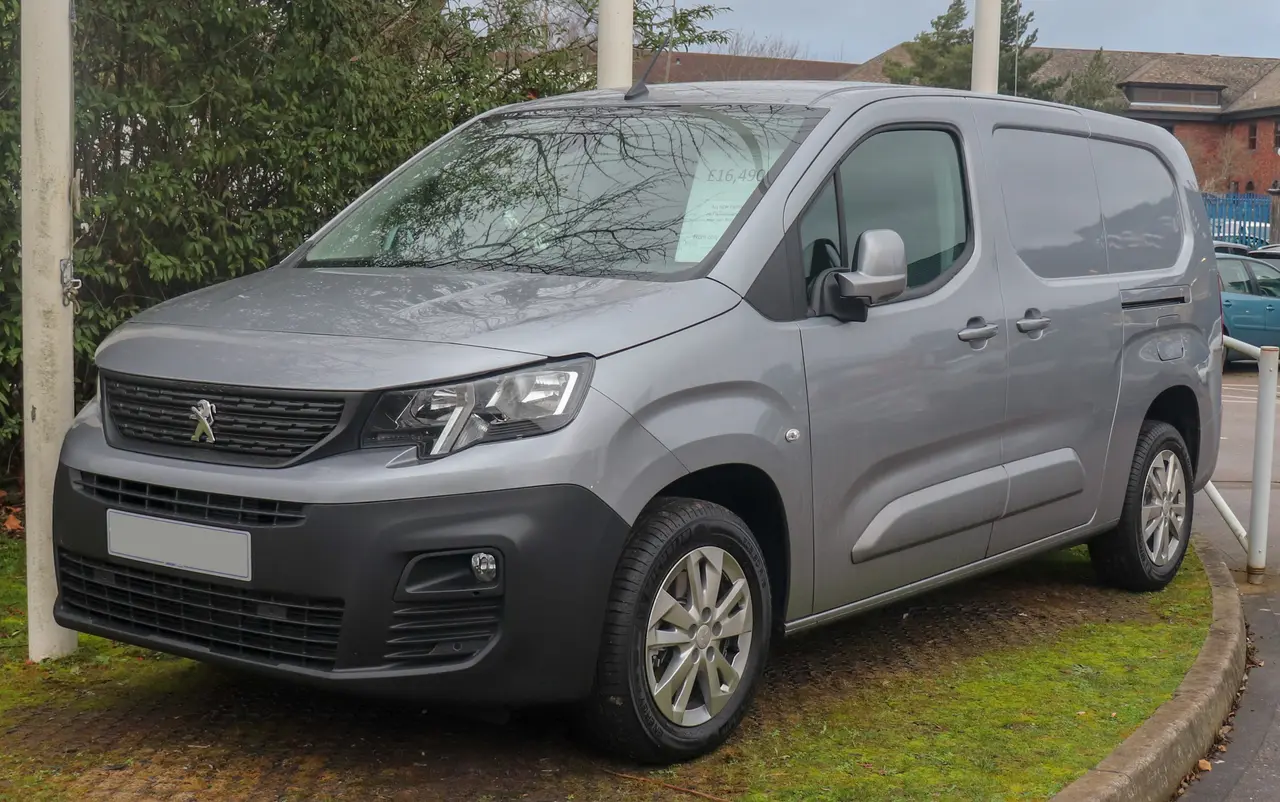
Photo: Vauxford / Wikimedia Commons · CC BY-SA 4.0

Model codes: K9 · References: peugeot.co.uk, forum-peugeot.com

European Union 16 versions

New cars registered in the EU (plus Norway and Iceland), from the European Environment Agency. Figures on the NEDC procedure until 2020 and on WLTP from 2021; versions are grouped by engine and power, with their number of registrations.

Years and versionEnginePowerFuelConsumption (combined)CO₂Electric rangeEU registrations
2020Electric motor49 kW (67 PS)Electric25.4 kWh/100 km NEDC0 g/km107 km168
2020Electric motor35 kW (48 PS)Electric24.5 kWh/100 km NEDC0 g/km115 km54
20201.5 L75 kW (102 PS)Diesel–108 g/km–10
2018–20191.2 L81 kW (110 PS)Petrol–119 g/km–12,722
2018–20191.6 L55 kW (75 PS)Diesel–113 g/km–3,186
20191.6 L88 kW (120 PS)Diesel–115 g/km–426
2019Electric motor35 kW (48 PS)Electric19.8 kWh/100 km NEDC0 g/km–362
20191.6 L73 kW (99 PS)Diesel–112 g/km–284
2019Electric motor49 kW (67 PS)Electric21.7 kWh/100 km NEDC0 g/km–170
20191.6 L72 kW (98 PS)Petrol–148 g/km–24
20181.6 L73 kW (99 PS)Diesel–112 g/km–35,738
20181.6 L88 kW (120 PS)Diesel–113 g/km–11,396
20181.6 L72 kW (98 PS)Petrol–148 g/km–1,066
2018Electric motor35 kW (48 PS)Electric18.1 kWh/100 km NEDC0 g/km–974
20181.6 L88 kW (120 PS)Petrol–151 g/km–726
2018Electric motor49 kW (67 PS)Electric18.3 kWh/100 km NEDC0 g/km–76

Official figures are measured on standard test procedures and differ between markets. Your consumption depends on how, where and in what conditions you drive.