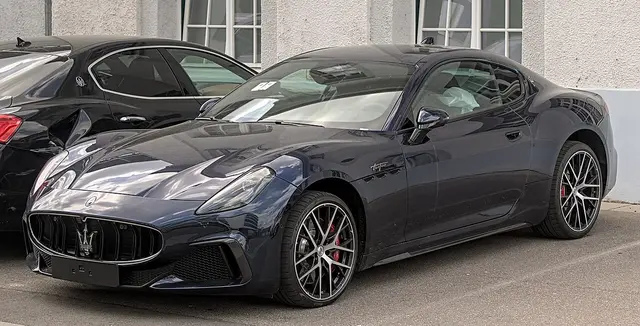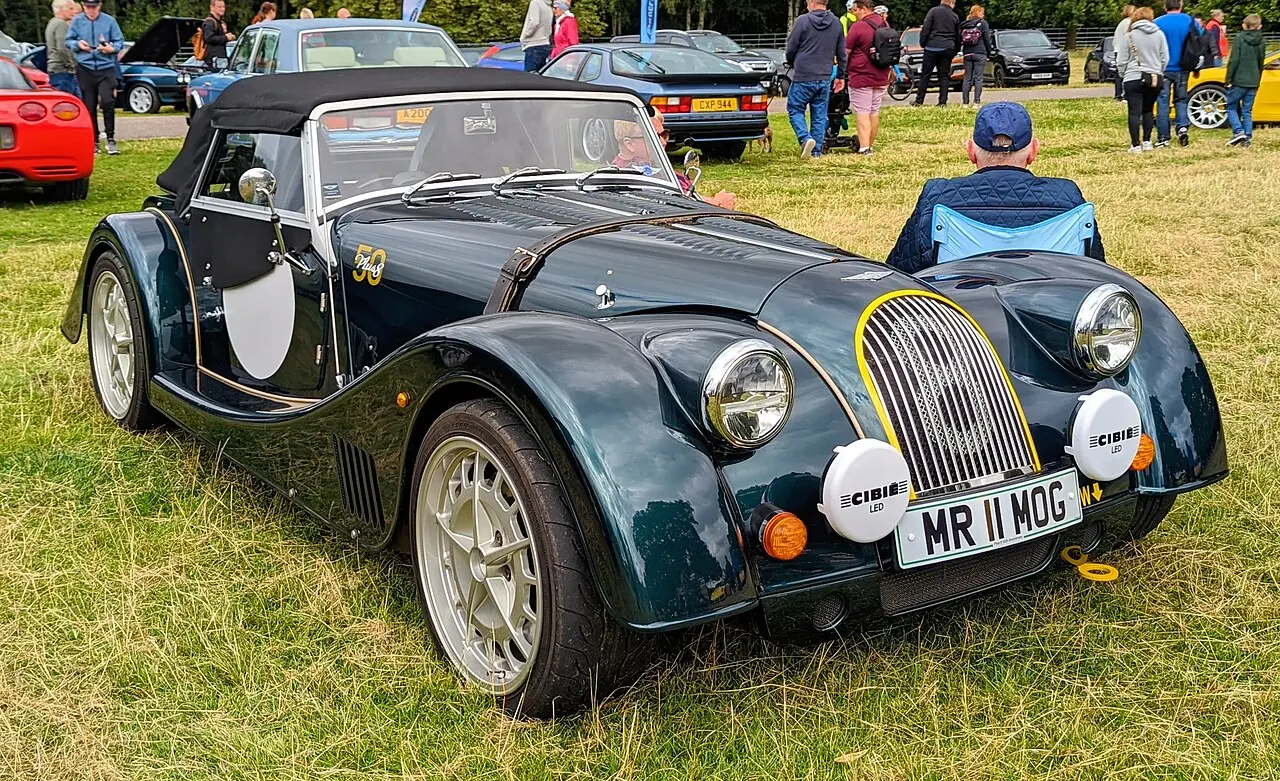
Morgan Plus 8

Morgan Plus 8
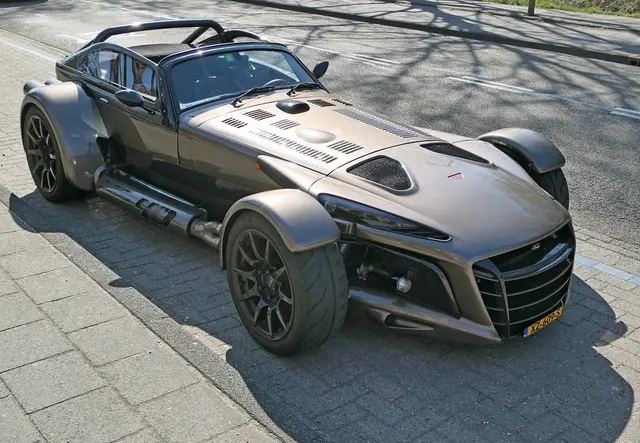
Photo: Calreyn88 / Wikimedia Commons · CC BY-SA 4.0

The official data lists 6 versions of the Morgan Plus 8 (2002 - 2018), in the European Union, the United Kingdom, and the United States. Each market publishes its own figures, measured on its own test procedure.

At a glance

Years in the data
2002 - 2018
Markets
European Union, United Kingdom, United States
Engines
3.9 L to 4.8 L
Power
270 kW (367 PS)
Fuels
Petrol
Lowest consumption (United Kingdom)
11.0 L/100 km (NEDC)
Lowest consumption (United States)
13.8 L/100 km (EPA)
New registrations in the EU
392

What is the Morgan Plus 8?

The Plus 8 is a two-seat Morgan sports car best known for combining the marque’s traditional roadster shape with V8 power. First introduced in 1968, it evolved through several versions. The US-market cars listed here date from 2002-2003; a later version built on Morgan’s Aero platform appeared in Europe and the UK from 2012.

The Plus 8 reflects Morgan’s approach to coachbuilding: a hand-finished, familiar shape paired with changing engines and engineering. The later car used a BMW V8, continuing a technical relationship that began with the Aero 8.

Engines and power

The Plus 8 used petrol V8 engines. EU figures list a 4.8-litre engine producing 270 kW (367 PS). UK figures span 4.0- to 4.8-litre engines, while US EPA figures cover 3.9- to 4.0-litre engines.

How economical is the Morgan Plus 8?

The lowest listed UK consumption is 11 L/100 km on the NEDC test. In the United States, the EPA lists a best combined rating of 17 MPG, equivalent to 13.8 L/100 km. These results come from different procedures: NEDC is an older European test, while the EPA uses its own US procedure, so the figures are not directly comparable.

Where was the Plus 8 sold?

The Plus 8 appears in figures for the United States, the United Kingdom and the European Union. US EPA figures span 2002-2003, UK VCA figures span 2002-2018, and EU registration figures span 2012-2018, with 392 registrations.

Questions and answers

What engine did the Plus 8 use?

It used petrol V8 engines. EU figures list a 4.8-litre engine, while UK and US figures cover other engine sizes too.

How much power did the EU Plus 8 make?

EU figures list 270 kW (367 PS) from a 4.8-litre petrol engine.

What is the Plus 8’s official fuel consumption?

The lowest listed UK figure is 11 L/100 km on NEDC. The US EPA lists a best combined rating of 17 MPG, or 13.8 L/100 km.

When was the later Plus 8 sold in Europe?

EU registration figures span 2012-2018; UK VCA figures span 2002-2018.
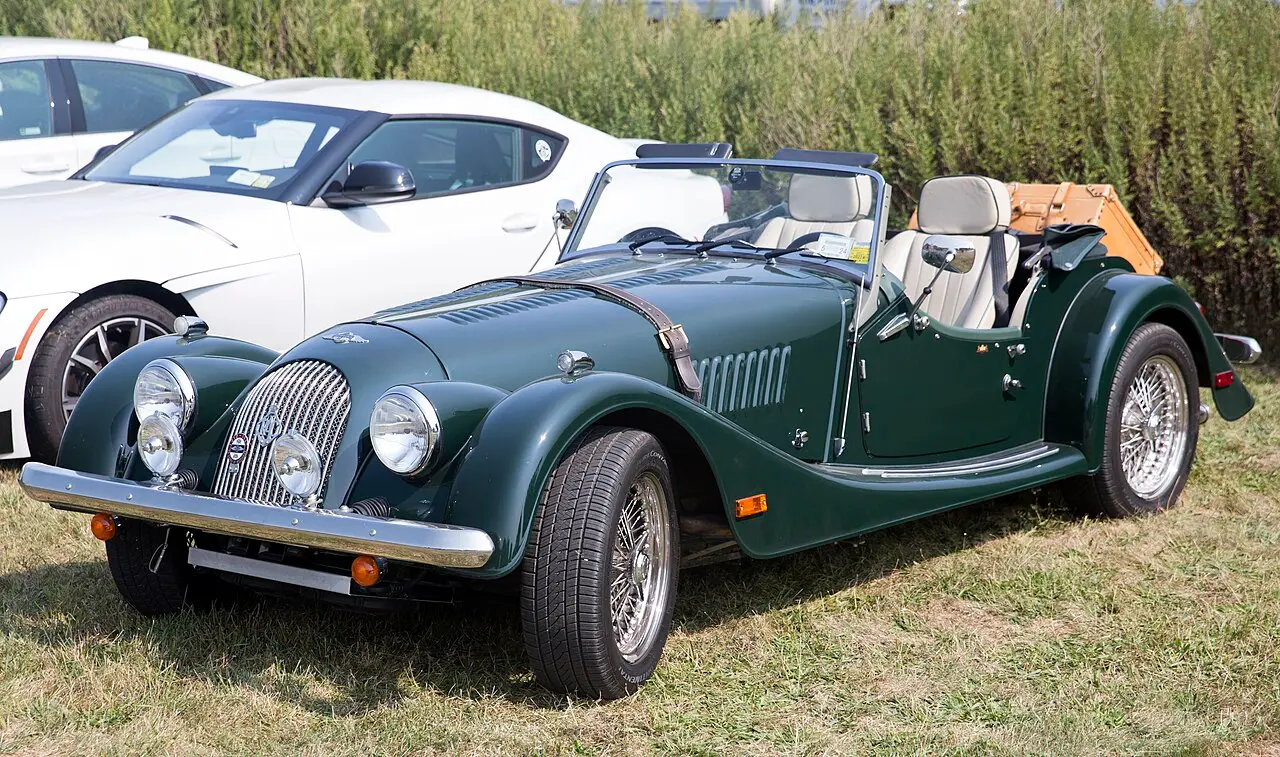
Plus 8 (2002 - 2004)

Morgan Plus 8
Photo: Mr.choppers / Wikimedia Commons · CC BY-SA 3.0

Sold in: United Kingdom and United States · References: cars.com, wikipedia.org

At a glance: Length 3,708 mm · Kerb weight 851 kg Specifications, reliability and all versions

Show all 3 versions

Plus 8 (2012 - 2019)

Morgan Plus 8
Photo: Calreyn88 / Wikimedia Commons · CC BY-SA 4.0

Model codes: Aero platform · Sold in: European Union and United Kingdom · References: en.wikipedia.org, morgan-motor.com

At a glance: Length 3,910 - 4,140 mm · Kerb weight 1,120 kg Specifications, reliability and all versions

European Union 1 version

New cars registered in the EU (plus Norway and Iceland), from the European Environment Agency. Figures on the NEDC procedure until 2020 and on WLTP from 2021; versions are grouped by engine and power, with their number of registrations.

Years and versionEnginePowerFuelCO₂EU registrations
2012 - 20184.8 L270 kW (367 PS)Petrol256 - 282 g/km392

United Kingdom 2 versions

New cars on sale in the UK, from the Vehicle Certification Agency. NEDC figures until 2018 and WLTP figures after; years are the editions a version appeared in.

Years and versionEngineFuelGearboxConsumption (combined)CO₂
2017 - 20182 Seat Convertible4.8 LPetrolAutomatic11.0 L/100 km NEDC256 g/km
2017 - 20182 Seat Convertible4.8 LPetrolManual12.1 L/100 km NEDC282 g/km

Official figures are measured on standard test procedures and differ between markets. Your consumption depends on how, where and in what conditions you drive.