Morgan

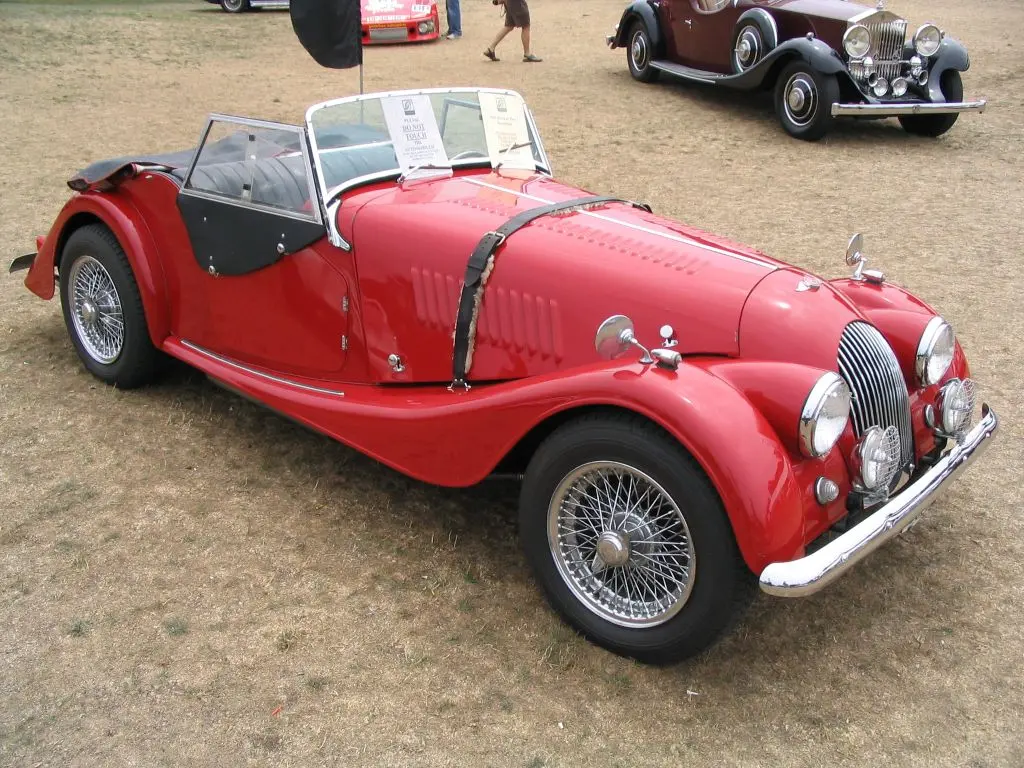
Morgan Plus 4

Morgan Plus 4
Photo: Ramgeis / Wikimedia Commons · CC BY-SA 3.0

The official data lists 32 versions of the Morgan Plus 4 (2010–2026), in the European Union and the United Kingdom. Each market publishes its own figures, measured on its own test procedure.

At a glance

Years in the data
2010–2026
Markets
European Union, United Kingdom
Engines
2.0 L to 2.0 L
Power
106 kW (144 PS) to 258 kW (351 PS)
Fuels
Petrol
Lowest consumption (United Kingdom)
6.2 L/100 km (WLTP)
Lowest consumption (European Union)
6.4 L/100 km (WLTP)
New registrations in the EU
4,555

What is the Morgan Plus 4?

The Morgan Plus 4 is a two-seat, open-top British sports car with a classic roadster shape. It has long sat above the narrower 4/4 in Morgan’s traditional range, pairing a familiar design with four-cylinder power. Morgan has built hand-crafted cars in Malvern since 1909.

The earlier model was called Plus 4; its successor, introduced in 2020, is named Plus Four. The Plus 4 generation ran from 2010 to 2020, while Plus Four has been built since 2020.

Plus 4 generations

The Plus 4 generation ran from 2010 to 2020. The Plus Four that followed used Morgan’s CX-Generation platform, bringing a new underlying structure while keeping the model’s traditional shape.

Engines, power and official economy

In the EU, the Plus 4 and Plus Four used 2.0-litre petrol engines, with power ranging from 106 kW (144 PS) to 190 kW (258 PS). UK figures span 115 kW (156 PS) to 258 kW (351 PS). The lowest listed official consumption is 6.4 L/100 km in EU WLTP figures and 6.2 L/100 km in UK WLTP figures. Actual consumption varies with driving conditions.

There were 4,555 EU registrations. Among the most registered entries were 2.0-litre petrol versions with 115 kW (156 PS), recorded in 2016 and 2019.

Where was the Plus 4 sold?

The Plus 4 and Plus Four appear in EU registration figures for 2010–2025 and UK VCA figures for 2010–2026. The EU list includes 20 versions and the UK list includes 12. The consumption figures use WLTP in both markets. The Plus Four has been built since 2020.

Questions and answers

What is the difference between Plus 4 and Plus Four?

Plus 4 refers to the generation that ran from 2010 to 2020. The CX-Generation Plus Four has followed since 2020.

What engine and power does the Plus 4 have?

The listed EU and UK versions use 2.0-litre petrol engines. EU power ranges from 106 kW (144 PS) to 190 kW (258 PS); UK figures range from 115 kW (156 PS) to 258 kW (351 PS).

What is the official fuel consumption of the Plus 4?

The lowest listed figure is 6.4 L/100 km in EU WLTP figures and 6.2 L/100 km in UK WLTP figures.

Where was the Plus 4 sold?

The listed markets are the European Union and the United Kingdom.
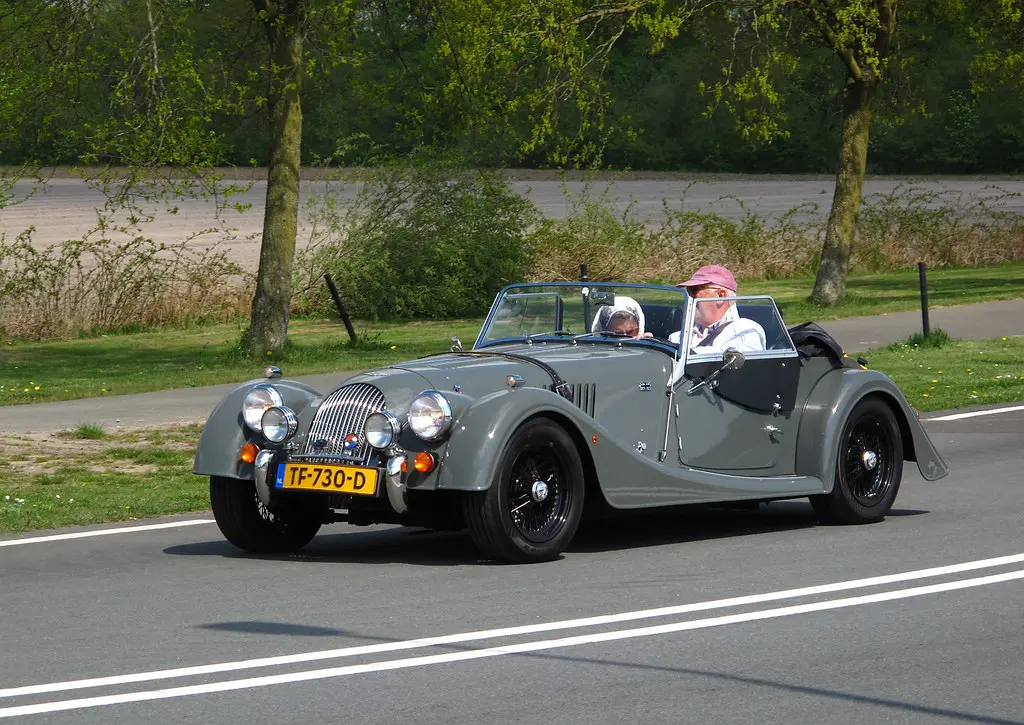
Plus 4 Plus 4 (2010–2020)

Morgan Plus 4 Plus 4
Photo: Rutger van der Maar / Wikimedia Commons · CC BY 2.0

Sold in: European Union and United Kingdom · References: morgan-motor.com, en.wikipedia.org

Show all 22 versions

Plus 4 Plus Four (since 2020)

Morgan Plus 4 Plus Four
Photo: Ramgeis / Wikimedia Commons · CC BY-SA 3.0

Model codes: CX-Generation · Sold in: European Union and United Kingdom · References: en.wikipedia.org, morgan-motor.com

European Union 9 versions

New cars registered in the EU (plus Norway and Iceland), from the European Environment Agency. Figures on the NEDC procedure until 2020 and on WLTP from 2021; versions are grouped by engine and power, with their number of registrations.

Years and versionEnginePowerFuelConsumption (combined)CO₂EU registrations
20252.0 L190 kW (258 PS)Petrol6.3 L/100 km WLTP148 g/km43
20242.0 L190 kW (258 PS)Petrol6.5 L/100 km WLTP148 g/km85
20232.0 L190 kW (258 PS)Petrol6.4 L/100 km WLTP146 g/km96
20222.0 L190 kW (258 PS)Petrol7.1 L/100 km WLTP161 g/km125
20212.0 L190 kW (258 PS)Petrol7.0 L/100 km WLTP163 g/km230
20212.0 L190 kW (258 PS)Petrol6.8 L/100 km WLTP161 g/km10
20202.0 L115 kW (156 PS)Petrol–194 g/km166
20202.0 L190 kW (258 PS)Petrol–156 g/km148
20202.0 L190 kW (258 PS)Petrol–156 g/km14

United Kingdom 6 versions

New cars on sale in the UK, from the Vehicle Certification Agency. NEDC figures until 2018 and WLTP figures after; years are the editions a version appeared in.

Years and versionEnginePowerFuelGearboxConsumption (combined)CO₂
2025–20262 seat open top roadster Standard exhaust · 2 seat open top roadster Sports exhaust2.0 L190 kW (258 PS)Petrol6-speed manual7.3 L/100 km WLTP165 g/km
2025–20262 seat open top roadster Standard exhaust · 2 seat open top roadster Sports exhaust2.0 L190 kW (258 PS)Petrol8-speed automatic6.2 L/100 km WLTP142 g/km
20242 seat open top roadster2.0 L258 kW (351 PS)Petrol8-speed automatic7.0 L/100 km WLTP159 g/km
20242 seat open top roadster2.0 L258 kW (351 PS)Petrol6-speed manual7.3 L/100 km WLTP165 g/km
2020–20232 seat open top roadster2.0 L190 kW (258 PS)Petrol8-speed automatic7.0 L/100 km WLTP159 g/km
2020–20232 seat open top roadster2.0 L190 kW (258 PS)Petrol6-speed manual7.3 L/100 km WLTP165 g/km

Official figures are measured on standard test procedures and differ between markets. Your consumption depends on how, where and in what conditions you drive.