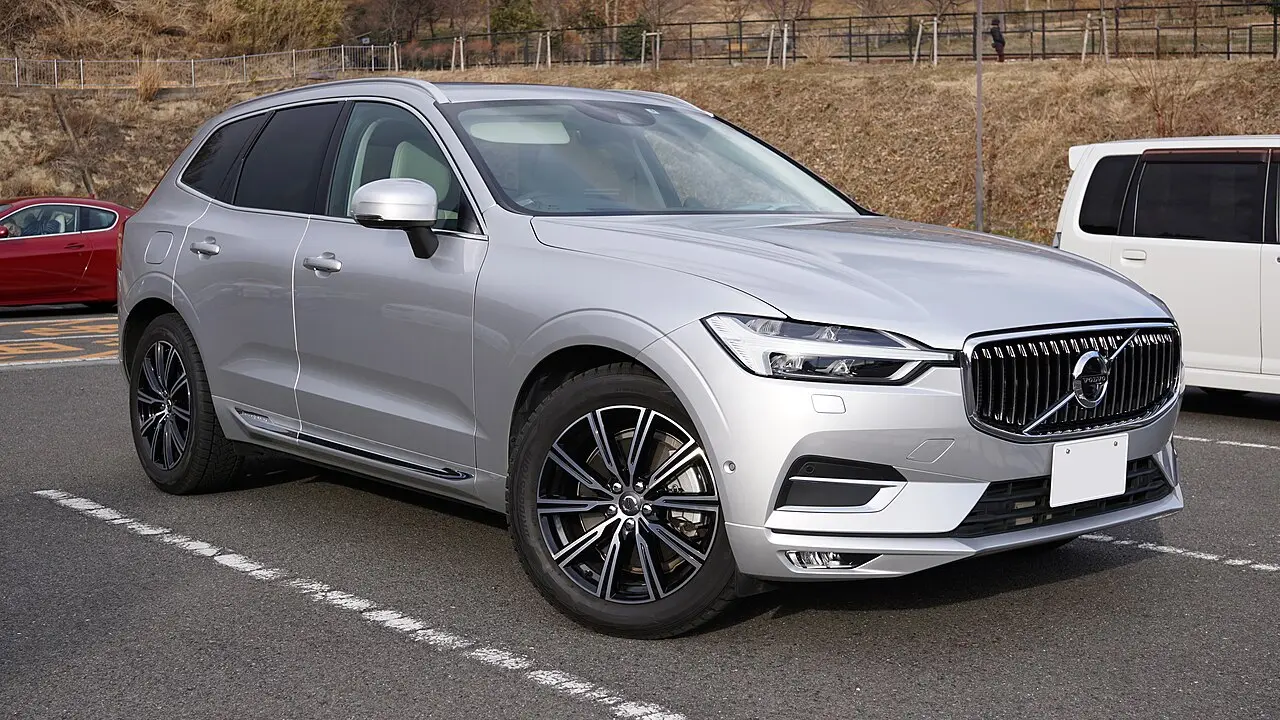
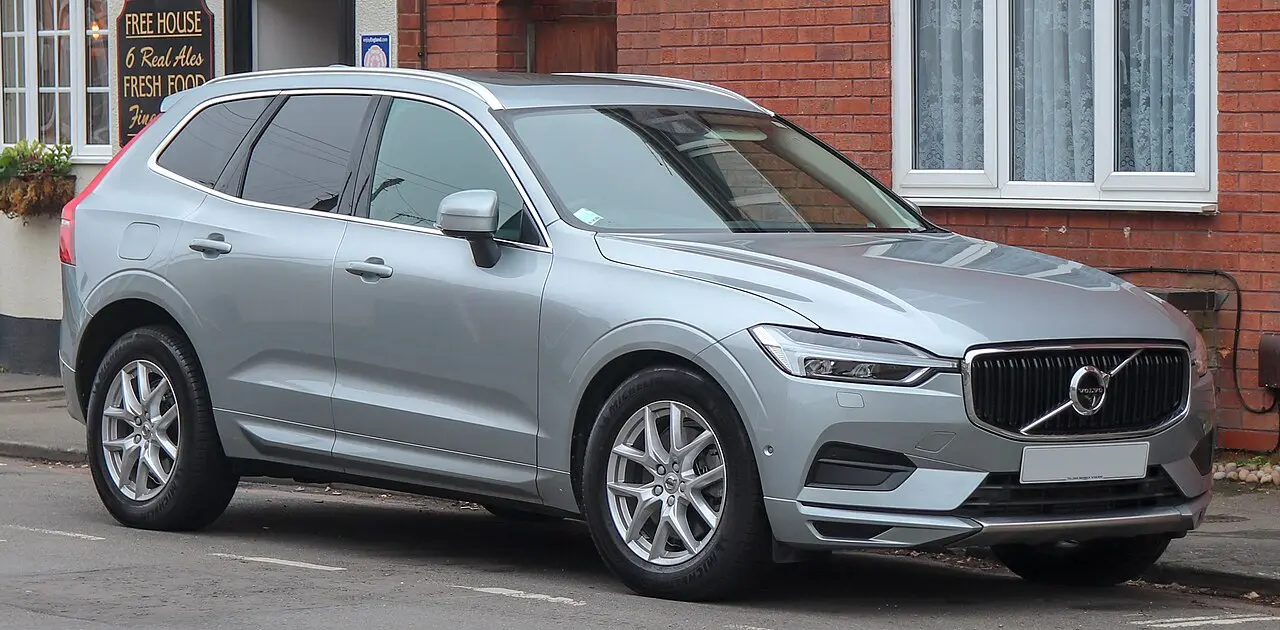
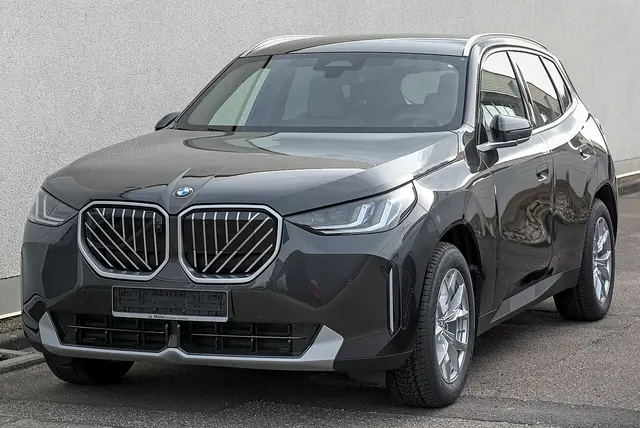
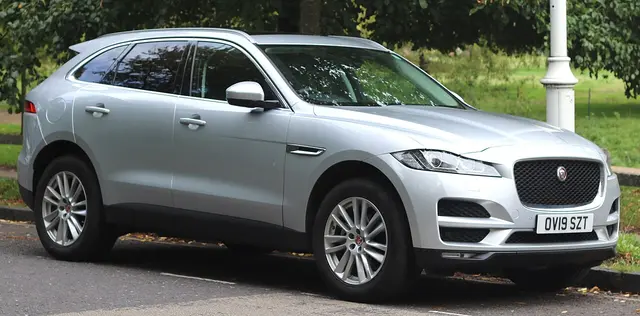
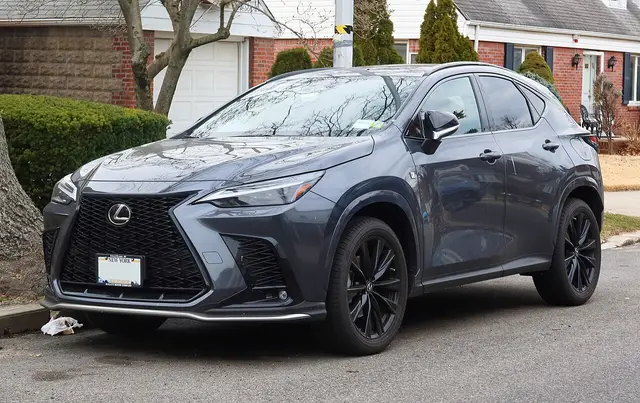
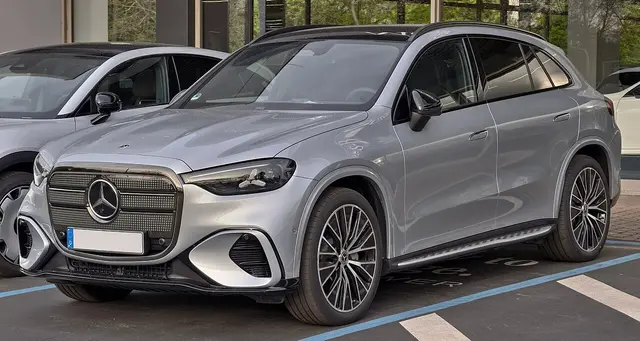
The official data lists 270 versions of the Volvo XC60 (2009 - 2027), in the European Union, the United Kingdom, France, the United States, and Canada. Each market publishes its own figures, measured on its own test procedure.
At a glance
Years in the data
2009 - 2027
Markets
European Union, United Kingdom, France, United States, Canada
Engines
2.0 L to 3.2 L
Power
100 kW (136 PS) to 335 kW (455 PS)
Fuels
Hybrid, Diesel, Petrol, Plug-in hybrid
Lowest consumption (France)
4.5 L/100 km (NEDC)
Lowest consumption (United Kingdom)
4.5 L/100 km (NEDC)
Lowest consumption (European Union)
6.0 L/100 km (WLTP)
Plug-in hybrid, weighted (European Union)
1.0 L/100 km (WLTP)
Plug-in hybrid, weighted (United Kingdom)
2.1 L/100 km (NEDC)
New registrations in the EU
1,720,619
What is the Volvo XC60?
The XC60 is Volvo’s mid-size SUV, sitting between the XC40 and XC90 in the brand’s range. Its raised seating position and versatile cabin suit everyday errands as well as longer trips. When it launched, the XC60 introduced City Safety, a system designed to help prevent or reduce low-speed collisions.
XC60 generations
The first XC60 generation ran from 2009 to 2017. The second, built on Volvo’s SPA architecture, has been built since 2017 and brought plug-in hybrid versions into the range.
Engines and power
The XC60 has been offered with petrol, diesel, hybrid and plug-in hybrid power. Engine sizes range from 2.0 L to 3.0 L in the EU and UK, and from 2.0 L to 3.2 L in the US and Canada. EU power ranges from 100 kW (136 PS) to 235 kW (320 PS); UK versions span 140 kW (190 PS) to 335 kW (455 PS).
How economical is the Volvo XC60?
The lowest listed petrol, diesel or hybrid consumption in the EU is 6 L/100 km on the WLTP test. The lowest weighted plug-in hybrid figure is 1 L/100 km WLTP; that official figure assumes some driving is electric. Test procedures differ by market: Europe uses WLTP or, for some older ratings, NEDC; the US uses EPA testing, and Canada uses its 5-cycle procedure. The lowest listed conventional figures are 8.7 L/100 km in the US and 8.8 L/100 km in Canada.
Where was the XC60 sold?
The XC60 appears in official figures for the EU, UK, France, the US and Canada. EU registration figures span 2010-2025 and total 1,720,619 cars. The UK figures run from 2009 to 2026, French figures from 2012 to 2026, US figures from 2009 to 2027, and Canadian figures from 2010 to 2026.
Questions and answers
When did the XC60 generations run?
The first generation ran from 2009 to 2017; the second has been built since 2017.
Does the XC60 have a plug-in hybrid?
Yes. Plug-in hybrid versions appear in the EU, UK, US and Canadian market figures.
What is the XC60’s lowest listed EU consumption?
The lowest listed petrol, diesel or hybrid figure is 6 L/100 km WLTP. The weighted plug-in hybrid figure is 1 L/100 km WLTP.
At a glance: Length 4,630 - 4,640 mm · Kerb weight 1,791 - 1,935 kg · Top speed 190 - 210 km/h · MOT first-time pass at 6 - 8 years: 86.9% (UK average 86.4%) Specifications, reliability and all versions
At a glance: Length 4,690 - 4,710 mm · Kerb weight 1,671 - 2,069 kg · Top speed 180 - 230 km/h · MOT first-time pass at 4 - 5 years: 92.9% (UK average 91.0%) Specifications, reliability and all versions
Show all 165 versions
European Union 70 versions
New cars registered in the EU (plus Norway and Iceland), from the European Environment Agency. Figures on the NEDC procedure until 2020 and on WLTP from 2021; versions are grouped by engine and power, with their number of registrations.
Years and version
Engine
Power
Fuel
Consumption (combined)
CO₂
Electric range
EU registrations
2021 - 2025
2.0 L
186 kW (253 PS) (engine only)
Plug-in hybrid
1.0 - 2.5 L/100 km WLTP16.0 - 19.4 kWh/100 km WLTP
24 - 56 g/km
51 - 80 km
168,430
2021 - 2025
2.0 L
145 kW (197 PS)
Hybrid
6.2 - 6.8 L/100 km WLTP
166 - 169 g/km
-
120,863
2021 - 2025
2.0 L
184 kW (250 PS)
Hybrid
7.3 - 8.1 L/100 km WLTP
176 - 183 g/km
-
38,179
2021 - 2025
2.0 L
228 kW (310 PS) (engine only)
Plug-in hybrid
1.1 - 1.3 L/100 km WLTP18.7 - 20.3 kWh/100 km WLTP
25 - 31 g/km
74 - 78 km
35,893
2021 - 2025
2.0 L
184 kW (250 PS)
Petrol
7.5 - 7.9 L/100 km WLTP
177 - 195 g/km
-
3,018
2021 - 2025
2.0 L
220 kW (299 PS)
Hybrid
7.8 - 8.7 L/100 km WLTP
193 - 196 g/km
-
1,007
2025
2.0 L
184 kW (250 PS)
Hybrid
7.8 L/100 km WLTP
178 g/km
-
211
2021 - 2024
2.0 L
173 kW (235 PS)
Hybrid
6.4 - 6.6 L/100 km WLTP
170 - 172 g/km
-
8,717
2022 - 2023
2.0 L
180 kW (245 PS)
Hybrid
6.5 - 6.6 L/100 km WLTP
173 g/km
-
40
2021 - 2022
2.0 L
223 kW (303 PS) (engine only)
Plug-in hybrid
2.5 - 3.0 L/100 km WLTP16.0 - 16.2 kWh/100 km WLTP
57 - 63 g/km
50 km
10,307
2021 - 2022
2.0 L
145 kW (197 PS)
Diesel
6.1 - 6.8 L/100 km WLTP
163 - 176 g/km
-
1,864
2021 - 2022
2.0 L
233 kW (317 PS) (engine only)
Plug-in hybrid
2.9 - 3.1 L/100 km WLTP16.9 - 17.1 kWh/100 km WLTP
69 - 72 g/km
46 - 47 km
1,497
2021 - 2022
2.0 L
173 kW (235 PS)
Diesel
6.0 - 6.8 L/100 km WLTP
171 - 177 g/km
-
891
2022
2.0 L
183 kW (249 PS)
Petrol
-
-
-
657
2022
2.0 L
186 kW (253 PS)
Hybrid
6.2 L/100 km WLTP
157 g/km
-
328
2022
2.0 L
183 kW (249 PS)
Hybrid
8.3 L/100 km WLTP
188 g/km
-
246
2022
2.0 L
228 kW (310 PS)
Petrol
6.0 L/100 km WLTP
158 g/km
-
203
2022
2.0 L
206 kW (280 PS)
Hybrid
-
167 g/km
-
51
2022
2.0 L
186 kW (253 PS)
Petrol
5.5 L/100 km WLTP16.3 kWh/100 km WLTP
145 g/km
-
29
2021
2.0 L
120 kW (163 PS)
Diesel
-
157 g/km
-
354
2021
2.0 L
140 kW (190 PS)
Diesel
-
159 g/km
-
340
2021
2.0 L
145 kW (197 PS)
Petrol
7.0 L/100 km WLTP
167 g/km
-
322
2021
2.0 L
110 kW (150 PS)
Diesel
-
154 g/km
-
168
2021
2.0 L
140 kW (190 PS)
Petrol
7.5 L/100 km WLTP
189 g/km
-
128
2021
2.0 L
155 kW (211 PS)
Petrol
-
195 g/km
-
90
2021
2.0 L
220 kW (299 PS)
Petrol
7.8 L/100 km WLTP
186 g/km
-
44
2021
2.0 L
186 kW (253 PS)
Petrol
16.4 kWh/100 km WLTP
67 g/km
-
34
2021
2.0 L
173 kW (235 PS)
Hybrid
-
169 g/km
-
28
2021
2.0 L
223 kW (303 PS)
Petrol
2.8 L/100 km WLTP16.3 kWh/100 km WLTP
106 g/km
-
28
2021
2.0 L
184 kW (250 PS)
Hybrid
-
179 g/km
-
14
2018 - 2020
2.0 L
140 kW (190 PS)
Diesel
-
130 - 144 g/km
-
163,250
2019 - 2020
2.0 L
223 kW (303 PS) (engine only)
Plug-in hybrid
16.1 - 16.3 kWh/100 km NEDC
45 - 49 g/km
50 km
54,576
2018 - 2020
2.0 L
184 kW (250 PS)
Petrol
-
165 - 170 g/km
-
50,126
2019 - 2020
2.0 L
145 kW (197 PS)
Hybrid
-
144 g/km
-
42,505
2018 - 2020
2.0 L
173 kW (235 PS)
Diesel
-
145 - 154 g/km
-
20,360
2018 - 2020
2.0 L
110 kW (150 PS)
Diesel
-
130 - 131 g/km
-
13,788
2018 - 2020
2.0 L
140 kW (190 PS)
Petrol
-
165 - 167 g/km
-
13,522
2019 - 2020
2.0 L
145 kW (197 PS)
Diesel
-
143 g/km
-
12,662
2020
2.0 L
186 kW (253 PS) (engine only)
Plug-in hybrid
16.2 kWh/100 km NEDC
42 g/km
51 km
12,285
2019 - 2020
2.0 L
184 kW (250 PS)
Hybrid
-
156 - 164 g/km
-
9,765
2019 - 2020
2.0 L
173 kW (235 PS)
Hybrid
-
145 - 146 g/km
-
9,189
2019 - 2020
2.0 L
120 kW (163 PS)
Diesel
-
129 g/km
-
3,638
2018 - 2020
2.0 L
228 kW (310 PS)
Petrol
-
178 - 179 g/km
-
2,841
2019 - 2020
2.0 L
233 kW (317 PS) (engine only)
Plug-in hybrid
17.7 kWh/100 km NEDC
51 - 53 g/km
43 km
2,282
2018 - 2020
2.0 L
147 kW (200 PS)
Diesel
-
130 - 147 g/km
-
718
2020
2.0 L
220 kW (299 PS)
Hybrid
-
166 g/km
-
452
2020
2.0 L
186 kW (253 PS)
Petrol
17.3 kWh/100 km NEDC
166 g/km
-
301
2020
2.0 L
223 kW (303 PS)
Petrol
-
60 g/km
-
296
2019 - 2020
2.0 L
155 kW (211 PS)
Petrol
-
166 - 167 g/km
-
233
2020
2.0 L
145 kW (197 PS)
Petrol
-
155 g/km
-
170
2018 - 2020
2.0 L
240 kW (326 PS)
Petrol
-
177 - 179 g/km
-
130
2020
2.0 L
220 kW (299 PS)
Petrol
-
163 g/km
-
42
2020
2.0 L
186 kW (253 PS)
Hybrid
-
49 g/km
-
16
2020
2.0 L
233 kW (317 PS)
Petrol
-
51 g/km
-
15
2018 - 2019
2.4 L
140 kW (190 PS)
Diesel
-
148 - 149 g/km
-
636
2018 - 2019
2.0 L
187 kW (254 PS)
Petrol
-
166 g/km
-
414
2018 - 2019
2.0 L
186 kW (253 PS)
Petrol
-
171 - 172 g/km
-
388
2018 - 2019
2.0 L
177 kW (241 PS)
Diesel
-
153 - 154 g/km
-
238
2019
2.0 L
235 kW (320 PS) (engine only)
Plug-in hybrid
17.8 kWh/100 km NEDC
49 g/km
-
28
2018
2.0 L
223 kW (303 PS)
Hybrid
17.7 kWh/100 km NEDC
56 g/km
-
12,544
2018
2.0 L
235 kW (320 PS)
Hybrid
18.0 kWh/100 km NEDC
49 g/km
-
6,786
2018
2.4 L
162 kW (220 PS)
Diesel
-
149 g/km
-
120
2018
2.0 L
223 kW (303 PS)
Other fuel
-
138 g/km
-
106
2018
2.0 L
223 kW (303 PS)
Petrol
-
146 g/km
-
98
2018
2.0 L
235 kW (320 PS)
Petrol
-
173 g/km
-
90
2018
2.0 L
180 kW (245 PS)
Petrol
-
171 g/km
-
36
2018
2.0 L
246 kW (334 PS)
Hybrid
17.8 kWh/100 km NEDC
49 g/km
-
22
2018
2.4 L
120 kW (163 PS)
Diesel
-
153 g/km
-
20
2018
2.0 L
180 kW (245 PS)
Diesel
-
124 g/km
-
14
2018
2.0 L
300 kW (408 PS)
Hybrid
-
49 g/km
-
10
United Kingdom 87 versions
New cars on sale in the UK, from the Vehicle Certification Agency. NEDC figures until 2018 and WLTP figures after; years are the editions a version appeared in.
Years and version
Engine
Power
Fuel
Gearbox
Consumption (combined)
CO₂
Electric range
2026B4 Plus AWD
2.0 L
145 kW (197 PS)
Hybrid
8-speed automatic
7.2 L/100 km WLTP
188 g/km
-
2026B4 Plus
2.0 L
145 kW (197 PS)
Hybrid
8-speed automatic
6.4 L/100 km WLTP
167 g/km
-
2026B5 Core AWD
2.0 L
184 kW (250 PS)
Hybrid
8-speed automatic
8.9 L/100 km WLTP
202 g/km
-
2026B5 Plus AWD
2.0 L
184 kW (250 PS)
Hybrid
8-speed automatic
7.7 L/100 km WLTP
176 g/km
-
2026B5 Core
2.0 L
184 kW (250 PS)
Hybrid
8-speed automatic
7.7 - 8.0 L/100 km WLTP
175 - 181 g/km
-
2026B5 Plus · B5 Plus Black Edition · B5 Plus Pro Black Edition
2.0 L
184 kW (250 PS)
Hybrid
8-speed automatic
8.0 L/100 km WLTP
182 g/km
-
2026B5 Ultimate
2.0 L
184 kW (250 PS)
Hybrid
8-speed automatic
8.1 L/100 km WLTP
185 g/km
-
2026B5 Plus - Dark Theme · B5 Plus Pro - Dark Theme
2018T8 Twin Engine AWD Inscription 19'' Alloys · T8 Twin Engine AWD Inscription 20'' Alloys · T8 Twin Engine AWD Inscription Pro 20'' Alloys and 1 more trim
2.0 L
Not listed
Plug-in hybrid
8-speed automatic
2.3 L/100 km NEDC27.6 kWh/100 km NEDC
52 g/km
42 km
2018T8 Twin Engine AWD Inscription Pro 22'' Alloys · T8 Twin Engine AWD R-Design 21'' Alloys · T8 Twin Engine AWD R-Design Pro 21'' Alloys and 1 more trim
2.0 L
Not listed
Plug-in hybrid
8-speed automatic
2.4 L/100 km NEDC30.4 kWh/100 km NEDC
55 g/km
42 km
France 1 version
New cars on sale in France, from ADEME Car Labelling. NEDC figures until 2015, WLTP figures in the current catalogue.
Years and version
Engine
Fuel
Gearbox
Consumption (combined)
CO₂
2026XC60 B4 Diesel FWD BVA8 (190ch)
2.0 L
Hybrid
8-speed automatic
6.0 L/100 km WLTP
156 g/km
United States 5 versions
Model years sold in the USA, from the EPA and the Department of Energy (fueleconomy.gov). MPG on the EPA test; litres per 100 km = 235.215 ÷ MPG.
Years and version
Engine
Fuel
Gearbox
Drive
Consumption (combined)
CO₂
2023 - 2027SIDI; Mild Hybrid
2.0 L
Hybrid
8-speed automatic
All-wheel drive
23 - 26 MPG (9.0 - 10.2 L/100 km) EPA
213 - 233 g/km
2018 - 2026SIDI; PHEV
2.0 L
Plug-in hybrid
8-speed automatic
All-wheel drive
25 - 28 MPG (8.4 - 9.4 L/100 km) EPA
76 - 130 g/km
2023SIDI; Mild Hybrid
2.0 L
Hybrid
8-speed automatic
Front-wheel drive
26 MPG (9.0 L/100 km) EPA
213 g/km
2018 - 2022SIDI
2.0 L
Petrol
8-speed automatic
All-wheel drive
22 - 24 MPG (9.8 - 10.7 L/100 km) EPA
224 - 245 g/km
2019 - 2022SIDI
2.0 L
Petrol
8-speed automatic
Front-wheel drive
24 - 26 MPG (9.0 - 9.8 L/100 km) EPA
214 - 226 g/km
Canada 2 versions
Model years sold in Canada, from Natural Resources Canada fuel consumption ratings (5-cycle test).
Years and version
Engine
Fuel
Gearbox
Consumption (combined)
CO₂
Electric range
2018 - 2026Sport utility vehicle: Small
2.0 L
Plug-in hybrid
8-speed automatic
8.5 - 9.4 L/100 km 5-cycle
72 - 133 g/km
27 - 58 km
2018 - 2026Sport utility vehicle: Small
2.0 L
Petrol
8-speed automatic
9.0 - 10.4 L/100 km 5-cycle
212 - 242 g/km
-
Versions outside these generations
Show all 25 versions
European Union 16 versions
New cars registered in the EU (plus Norway and Iceland), from the European Environment Agency. Figures on the NEDC procedure until 2020 and on WLTP from 2021; versions are grouped by engine and power, with their number of registrations.
Years and version
Engine
Power
Fuel
Consumption (combined)
CO₂
EU registrations
2017
2.0 L
140 kW (190 PS)
Diesel
-
131 g/km
72,878
2017
2.4 L
140 kW (190 PS)
Diesel
-
148 - 149 g/km
41,464
2017
2.0 L
110 kW (150 PS)
Diesel
-
121 g/km
28,886
2017
2.4 L
162 kW (220 PS)
Diesel
-
148 g/km
18,896
2017
2.0 L
187 kW (254 PS)
Petrol
-
166 g/km
7,362
2017
2.0 L
173 kW (235 PS)
Diesel
-
146 g/km
6,440
2017
2.0 L
235 kW (320 PS)
Hybrid
17.8 kWh/100 km NEDC
62 g/km
4,432
2017
2.0 L
180 kW (245 PS)
Petrol
-
162 g/km
3,640
2017
2.0 L
184 kW (250 PS)
Petrol
-
169 g/km
1,246
2017
2.0 L
235 kW (320 PS)
Petrol
-
173 g/km
832
2017
2.0 L
225 kW (306 PS)
Petrol
-
179 g/km
352
2017
2.4 L
169 kW (230 PS)
Diesel
-
149 g/km
334
2017
2.4 L
120 kW (163 PS)
Diesel
-
146 g/km
176
2017
2.0 L
228 kW (310 PS)
Petrol
-
177 g/km
148
2017
2.0 L
147 kW (200 PS)
Diesel
-
138 g/km
20
2017
2.0 L
246 kW (334 PS)
Hybrid
17.8 kWh/100 km NEDC
49 g/km
12
United Kingdom 6 versions
New cars on sale in the UK, from the Vehicle Certification Agency. NEDC figures until 2018 and WLTP figures after; years are the editions a version appeared in.
Years and version
Engine
Fuel
Gearbox
Consumption (combined)
CO₂
Electric range
2017 - 2018D4 AWD
2.0 L
Diesel
8-speed automatic
5.2 L/100 km NEDC
136 g/km
-
2017 - 2018D4 AWD Momentum
2.0 L
Diesel
8-speed automatic
5.1 L/100 km NEDC
133 g/km
-
2017 - 2018D5 Powerpulse AWD
2.0 L
Diesel
8-speed automatic
5.5 L/100 km NEDC
144 g/km
-
2017 - 2018T8 Twin Engine
2.0 L
Plug-in hybrid
8-speed automatic
2.1 L/100 km NEDC25.9 kWh/100 km NEDC
49 g/km
45 km
2017 - 2018T5 AWD
2.0 L
Petrol
8-speed automatic
7.3 L/100 km NEDC
167 g/km
-
2017 - 2018T5 AWD Momentum
2.0 L
Petrol
8-speed automatic
7.2 L/100 km NEDC
164 g/km
-
United States 2 versions
Model years sold in the USA, from the EPA and the Department of Energy (fueleconomy.gov). MPG on the EPA test; litres per 100 km = 235.215 ÷ MPG.
Years and version
Engine
Fuel
Gearbox
Drive
Consumption (combined)
CO₂
2017SIDI
2.0 L
Petrol
8-speed automatic
Front-wheel drive
26 MPG (9.0 L/100 km) EPA
216 g/km
2017SIDI
2.0 L
Petrol
8-speed automatic
All-wheel drive
22 - 23 MPG (10.2 - 10.7 L/100 km) EPA
239 - 245 g/km
Canada 1 version
Model years sold in Canada, from Natural Resources Canada fuel consumption ratings (5-cycle test).
Years and version
Engine
Fuel
Gearbox
Consumption (combined)
CO₂
2017Sport utility vehicle: Small
2.0 L
Petrol
8-speed automatic
9.2 - 10.4 L/100 km 5-cycle
216 - 244 g/km
Volvo XC60 recalls
92 official safety recalls for the Volvo XC60 from NHTSA (United States), DVSA (United Kingdom) and the EU Safety Gate, newest first. Recall repairs are normally free at the maker’s dealers.
Rearview camera image may not display in reverse2022 - 2025
Loose front seat bolts may affect restraint2018 - 2026
Front seat belt retractor torsion bar may be damaged2026
Braking may temporarily be lost after coasting2019 - 2025
Brake function may be lost while coasting downhill2022 - 2026
Official figures are measured on standard test procedures and differ between markets. Your consumption depends on how, where and in what conditions you drive.