The official data lists 491 versions of the BMW X3 (2004–2026), in the European Union, the United Kingdom, France, the United States, and Canada. Each market publishes its own figures, measured on its own test procedure.
At a glance
Years in the data
2004–2026
Markets
European Union, United Kingdom, France, United States, Canada
Engines
2.0 L to 3.0 L
Power
100 kW (136 PS) to 375 kW (510 PS)
Fuels
Petrol, Diesel, Plug-in hybrid, Hybrid, Electric
Lowest consumption (United Kingdom)
4.7 L/100 km (NEDC)
Lowest consumption (European Union)
5.0 L/100 km (WLTP)
Lowest consumption (France)
5.1 L/100 km (NEDC)
Plug-in hybrid, weighted (European Union)
1.0 L/100 km (WLTP)
Plug-in hybrid, weighted (United States)
9.8 L/100 km (EPA)
New registrations in the EU
1,252,461
What is the BMW X3?
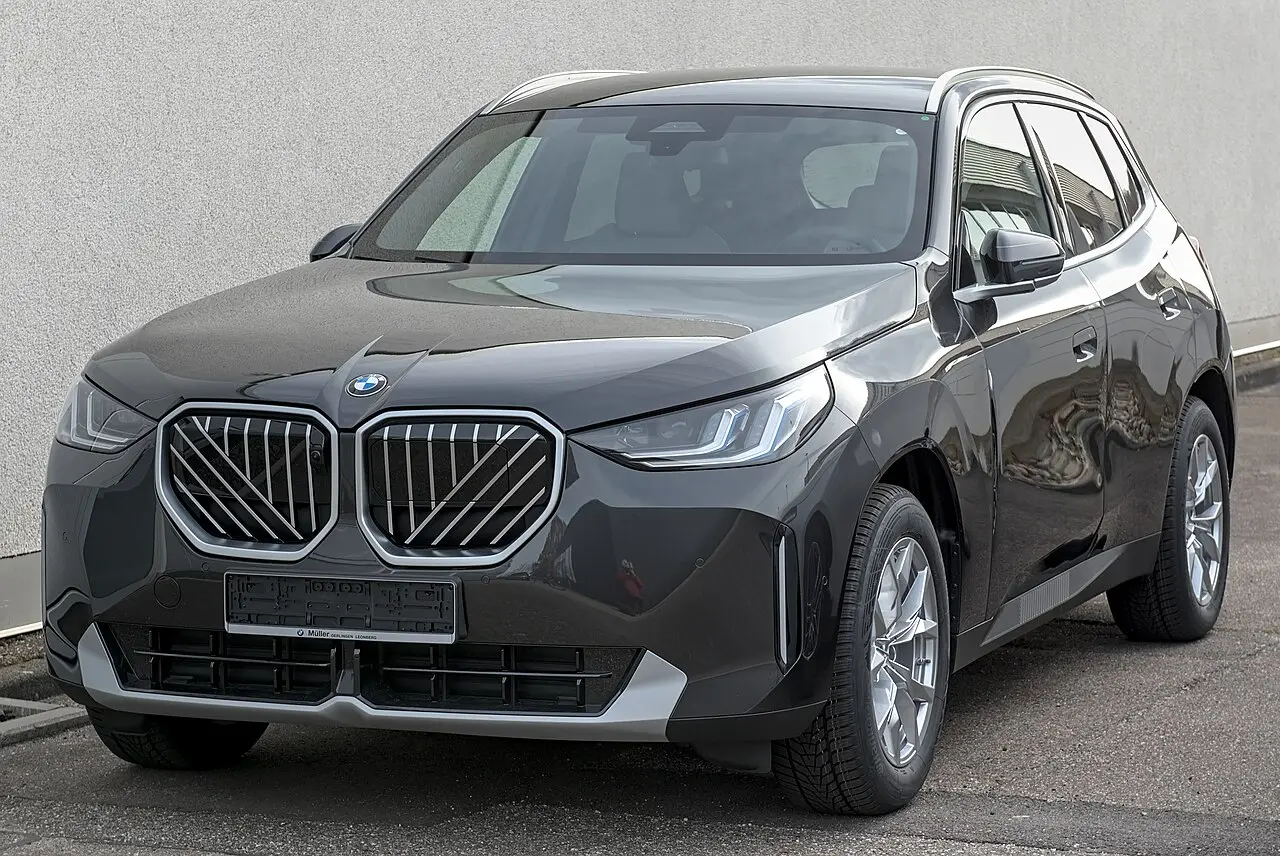
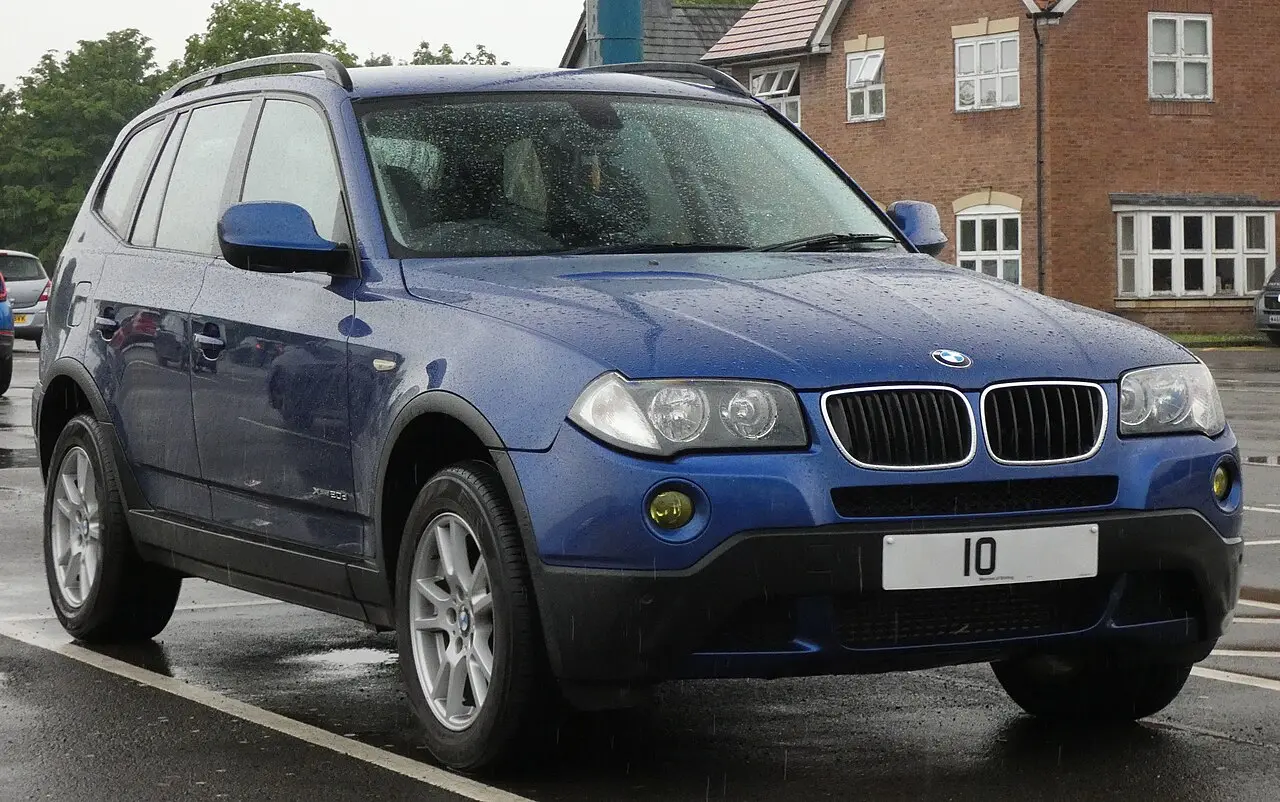
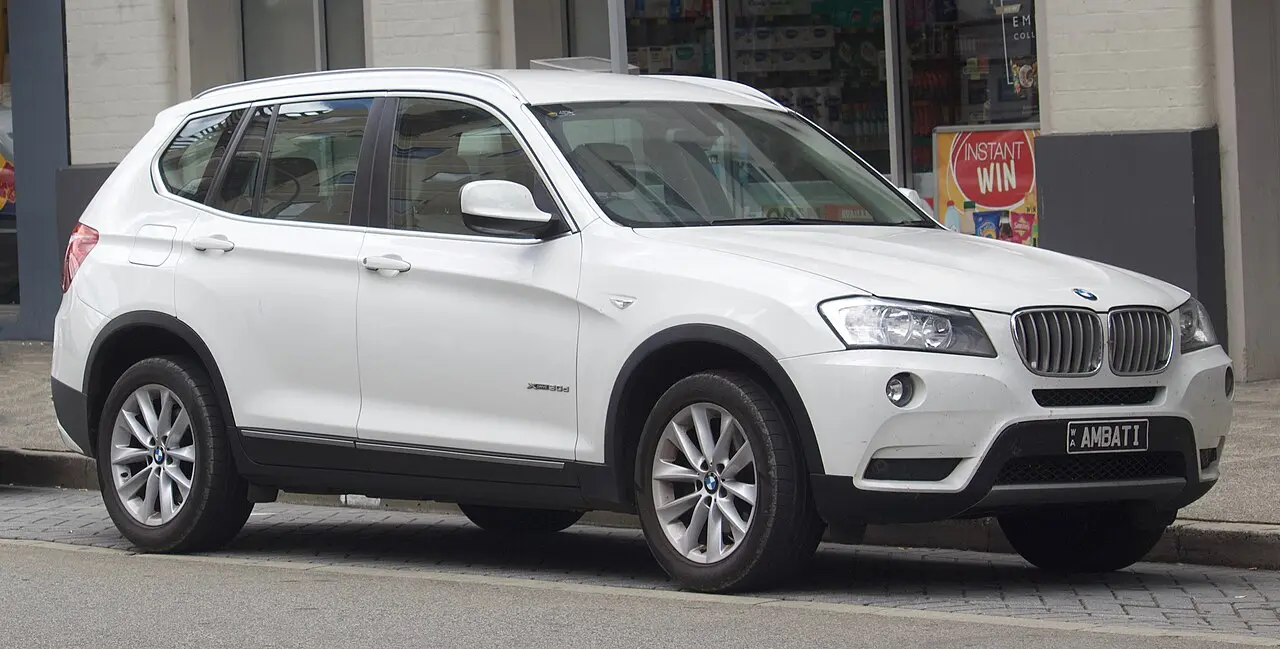
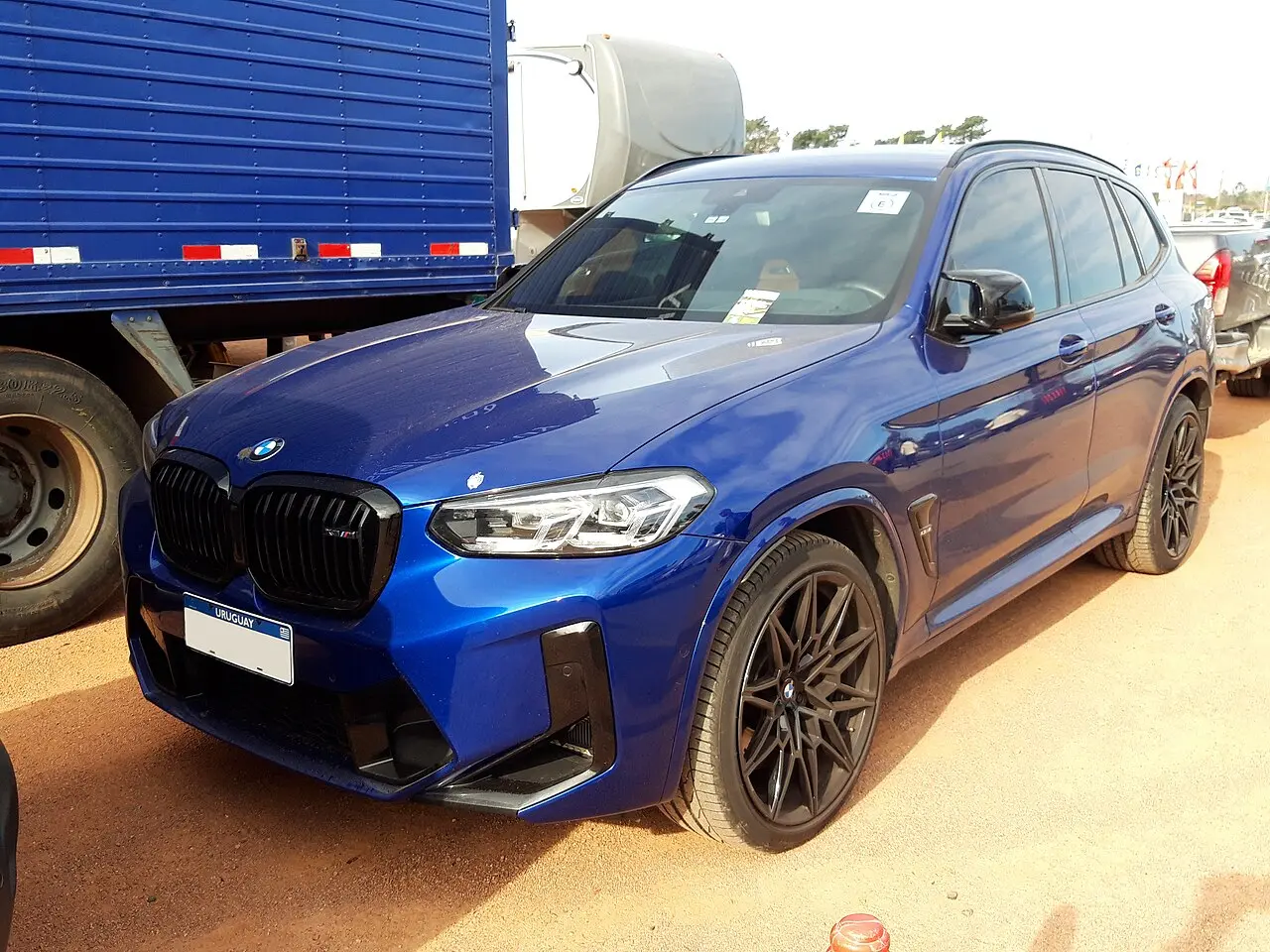
The X3 is a mid-size, five-door sport utility vehicle in BMW’s X range. BMW calls it a Sports Activity Vehicle, a practical, higher-riding model in a range shaped by the brand’s focus on driving dynamics. It sits between the compact X1 and larger X models, offering a roomier alternative within the family.
BMW introduced the X3 as a more compact companion to the X5. It was the first BMW model to use the xDrive all-wheel-drive system. The model appears in registration and test figures across Europe and North America, including the United Kingdom and France.
Generations
The X3 generations are E83 (2003–2010), F25 (2010–2017), G01 (2017–2024) and G45 (2024–today). Each has continued the X3’s role as BMW’s mid-size SAV, with later generations broadening the available powertrains and technology.
Engines and power
In the EU, engines range from 2.0 L to 3.0 L, with power from 100 kW (136 PS) to 375 kW (510 PS). The listed fuels include petrol, diesel, hybrid, plug-in hybrid and electric. UK engines span 2.0 L to 3.0 L, with power from 145 kW (197 PS) to 293 kW (398 PS). US versions include hybrid, petrol, plug-in hybrid and diesel options; Canadian versions include petrol, plug-in hybrid and diesel.
How economical is the BMW X3?
The lowest EU figure for petrol, diesel and hybrid versions is 5 L/100 km on WLTP; the lowest plug-in hybrid weighted figure is 1 L/100 km WLTP. In the UK, the lowest listed figure is 4.7 L/100 km on NEDC, and in France it is 5.1 L/100 km on NEDC. WLTP and NEDC are different European test procedures, so these results are not directly comparable.
In the United States, the EPA low is 7.8 L/100 km, with a best combined rating of 30 MPG. The lowest plug-in hybrid weighted EPA figure is 9.8 L/100 km. Canada’s NRCan 5-cycle figures list a low of 7.9 L/100 km and a plug-in hybrid figure of 9.9 L/100 km. EPA, Canadian 5-cycle and European procedures differ.
Questions and answers
What are the BMW X3 generation years?
E83 ran from 2003 to 2010, F25 from 2010 to 2017, G01 from 2017 to 2024 and G45 from 2024 to today.
What is the lowest EU X3 consumption figure?
It is 5 L/100 km WLTP for petrol, diesel and hybrid versions. The lowest plug-in hybrid weighted figure is 1 L/100 km WLTP.
Does the X3 have plug-in hybrid versions?
Yes. Plug-in hybrid versions are listed in the EU, UK, US and Canadian ranges.
New cars registered in the EU (plus Norway and Iceland), from the European Environment Agency. Figures on the NEDC procedure until 2020 and on WLTP from 2021; versions are grouped by engine and power, with their number of registrations.
Years and version
Engine
Power
Fuel
Consumption (combined)
CO₂
Electric range
EU registrations
2025
2.0 L
140 kW (190 PS)
Plug-in hybrid
1.2 L/100 km WLTP21.8 kWh/100 km WLTP
29 g/km
88 km
23,318
2024–2025
2.0 L
145 kW (197 PS)
Hybrid
6.0 L/100 km WLTP
157 g/km
–
21,934
2024–2025
2.0 L
140 kW (190 PS)
Hybrid
7.1 L/100 km WLTP
160 g/km
–
8,571
2025
3.0 L
280 kW (381 PS)
Hybrid
7.9 L/100 km WLTP
179 g/km
–
4,769
2025
3.0 L
210 kW (286 PS)
Hybrid
6.3 L/100 km WLTP
166 g/km
–
2,551
2025
2.0 L
145 kW (197 PS)
Diesel
5.9 L/100 km WLTP
155 g/km
–
1,074
2024–2025
3.0 L
375 kW (510 PS)
Petrol
10.9 L/100 km WLTP
248 g/km
–
948
2025
2.0 L
190 kW (258 PS)
Petrol
–
217 g/km
–
818
2025
2.0 L
140 kW (190 PS)
Hybrid
6.1 L/100 km WLTP
160 g/km
–
291
2025
3.0 L
280 kW (381 PS)
Petrol
8.0 L/100 km WLTP
190 g/km
–
242
2025
2.0 L
145 kW (197 PS)
Plug-in hybrid
6.0 L/100 km WLTP
157 g/km
–
200
2025
3.0 L
–
Diesel
5.8 L/100 km WLTP
162 g/km
–
110
2025
2.0 L
120 kW (163 PS)
Plug-in hybrid
1.1 L/100 km WLTP22.5 kWh/100 km WLTP
24 g/km
84 km
103
2025
2.0 L
135 kW (184 PS)
Hybrid
7.8 L/100 km WLTP
177 g/km
–
66
2025
3.0 L
280 kW (381 PS)
Plug-in hybrid
7.9 L/100 km WLTP
179 g/km
–
59
2025
2.0 L
135 kW (184 PS)
Plug-in hybrid
2.1 L/100 km WLTP20.4 kWh/100 km WLTP
50 g/km
49 km
53
2025
2.0 L
120 kW (163 PS)
Hybrid
6.0 L/100 km WLTP
156 g/km
–
35
2025
3.0 L
265 kW (360 PS)
Hybrid
9.2 L/100 km WLTP
207 g/km
–
35
2025
2.0 L
180 kW (245 PS)
Hybrid
8.0 L/100 km WLTP
181 g/km
–
32
2025
Electric motor
820 kW (1,115 PS)
Electric
–
0 g/km
–
27
2025
3.0 L
250 kW (340 PS)
Hybrid
7.4 L/100 km WLTP
193 g/km
–
24
2025
2.0 L
110 kW (150 PS)
Hybrid
5.7 L/100 km WLTP
151 g/km
–
19
2025
2.0 L
140 kW (190 PS)
Plug-in hybrid
–
169 g/km
75 km
13
2025
3.0 L
210 kW (286 PS)
Plug-in hybrid
6.4 L/100 km WLTP
167 g/km
–
13
2025
2.0 L
190 kW (258 PS)
Petrol
–
162 g/km
–
10
2025
2.0 L
185 kW (252 PS)
Petrol
–
236 g/km
–
10
2024
2.0 L
140 kW (190 PS)
Hybrid
6.0 L/100 km WLTP
156 g/km
–
16,750
2024
2.0 L
135 kW (184 PS)
Plug-in hybrid
3.0 L/100 km WLTP19.9 kWh/100 km WLTP
49 g/km
47 km
7,357
2024
3.0 L
210 kW (286 PS)
Hybrid
6.6 L/100 km WLTP
172 g/km
–
4,486
2024
2.0 L
135 kW (184 PS)
Hybrid
7.7 L/100 km WLTP
175 g/km
–
4,196
2024
3.0 L
250 kW (340 PS)
Hybrid
7.1 L/100 km WLTP
185 g/km
–
2,230
2024
2.0 L
180 kW (245 PS)
Hybrid
7.8 L/100 km WLTP
178 g/km
–
1,895
2024
3.0 L
265 kW (360 PS)
Hybrid
9.0 L/100 km WLTP
206 g/km
–
1,784
2024
2.0 L
110 kW (150 PS)
Hybrid
5.7 L/100 km WLTP
149 g/km
–
1,003
2024
3.0 L
280 kW (381 PS)
Hybrid
8.0 L/100 km WLTP
179 g/km
–
730
2024
2.0 L
120 kW (163 PS)
Plug-in hybrid
6.3 L/100 km WLTP19.4 kWh/100 km WLTP
47 g/km
48 km
563
2024
2.0 L
140 kW (190 PS)
Plug-in hybrid
1.0 L/100 km WLTP22.8 kWh/100 km WLTP
23 g/km
87 km
355
2024
2.0 L
135 kW (184 PS)
Petrol
6.1 L/100 km WLTP22.0 kWh/100 km WLTP
158 g/km
43 km
312
2024
2.0 L
140 kW (190 PS)
Diesel
5.9 L/100 km WLTP
155 g/km
–
177
2024
3.0 L
183 kW (249 PS)
Hybrid
6.4 L/100 km WLTP
169 g/km
–
169
2024
2.0 L
140 kW (190 PS)
Petrol
6.7 L/100 km WLTP
155 g/km
–
161
2024
2.0 L
100 kW (136 PS)
Hybrid
5.8 L/100 km WLTP
153 g/km
–
77
2024
2.0 L
140 kW (190 PS)
Petrol
–
–
–
44
2024
2.0 L
120 kW (163 PS)
Hybrid
6.0 L/100 km WLTP
157 g/km
–
30
2024
3.0 L
210 kW (286 PS)
Hybrid
–
–
–
25
2024
2.0 L
190 kW (258 PS)
Petrol
–
–
–
21
2024
3.0 L
265 kW (360 PS)
Petrol
8.7 L/100 km WLTP
195 g/km
–
21
2024
2.0 L
145 kW (197 PS)
Diesel
5.9 L/100 km WLTP
152 g/km
–
15
2024
3.0 L
210 kW (286 PS)
Plug-in hybrid
7.3 L/100 km WLTP
178 g/km
–
13
United Kingdom 18 versions
New cars on sale in the UK, from the Vehicle Certification Agency. NEDC figures until 2018 and WLTP figures after; years are the editions a version appeared in.
Years and version
Engine
Power
Fuel
Gearbox
Consumption (combined)
CO₂
Electric range
2025–2026X3 20d xDrive xLine · X3 20d xDrive M Sport
2.0 L
145 kW (197 PS)
Hybrid
8-speed automatic
5.9 L/100 km WLTP
160 g/km
–
2026X3 20d xDrive M Sport
2.0 L
145 kW (197 PS)
Hybrid
8-speed automatic
5.9 L/100 km WLTP
155 g/km
–
2026X3 20d xDrive xLine
2.0 L
145 kW (197 PS)
Hybrid
8-speed automatic
5.9 L/100 km WLTP
154 g/km
–
2025–2026X3 20 xDrive xLine
2.0 L
153 kW (208 PS)
Hybrid
8-speed automatic
6.9 L/100 km WLTP
163 g/km
–
2025–2026X3 20 xDrive M Sport
2.0 L
153 kW (208 PS)
Hybrid
8-speed automatic
7.0 L/100 km WLTP
163 g/km
–
2026X3 20 xDrive M Sport
2.0 L
153 kW (208 PS)
Hybrid
8-speed automatic
7.0 L/100 km WLTP
159 g/km
–
2026X3 20 xDrive xLine
2.0 L
153 kW (208 PS)
Hybrid
8-speed automatic
6.9 L/100 km WLTP
156 g/km
–
2025–2026X3 30e xDrive xLine
2.0 L
220 kW (299 PS)
Plug-in hybrid
8-speed automatic
15.9 kWh/100 km WLTP
–
88 km
2025–2026X3 30e xDrive M Sport
2.0 L
220 kW (299 PS)
Plug-in hybrid
8-speed automatic
16.0 kWh/100 km WLTP
–
88 km
2026X3 30e xDrive M Sport · X3 30e xDrive xLine
2.0 L
220 kW (299 PS)
Plug-in hybrid
8-speed automatic
16.0 kWh/100 km WLTP
64 g/km
91 km
2025–2026X3 M50 xDrive
3.0 L
293 kW (398 PS)
Hybrid
8-speed automatic
8.0 L/100 km WLTP
175 g/km
–
2025–2026X3 M50 xDrive
3.0 L
293 kW (398 PS)
Hybrid
8-speed automatic
7.7 L/100 km WLTP
180 g/km
–
2026X3 M50
3.0 L
293 kW (398 PS)
Hybrid
8-speed automatic
7.7 L/100 km WLTP
175 g/km
–
2025X3 20d xDrive xLine
2.0 L
145 kW (197 PS)
Hybrid
8-speed automatic
6.1 L/100 km WLTP
154 g/km
–
2025X3 20d xDrive M Sport
2.0 L
145 kW (197 PS)
Hybrid
8-speed automatic
6.1 L/100 km WLTP
155 g/km
–
2025X3 20 xDrive xLine
2.0 L
153 kW (208 PS)
Hybrid
8-speed automatic
7.2 L/100 km WLTP
156 g/km
–
2025X3 20 xDrive M Sport
2.0 L
153 kW (208 PS)
Hybrid
8-speed automatic
7.2 L/100 km WLTP
159 g/km
–
2025X3 30e xDrive xLine · X3 30e xDrive M Sport
2.0 L
220 kW (299 PS)
Plug-in hybrid
8-speed automatic
16.3 kWh/100 km WLTP
–
85 km
France 1 version
New cars on sale in France, from ADEME Car Labelling. NEDC figures until 2015, WLTP figures in the current catalogue.
Years and version
Engine
Power
Fuel
Gearbox
Consumption (combined)
CO₂
2026X3 M Competition
3.0 L
375 kW (510 PS)
Petrol
8-speed automatic
10.5 L/100 km WLTP
238 g/km
United States 3 versions
Model years sold in the USA, from the EPA and the Department of Energy (fueleconomy.gov). MPG on the EPA test; litres per 100 km = 235.215 ÷ MPG.
Years and version
Engine
Fuel
Gearbox
Drive
Consumption (combined)
CO₂
2025–2026SIDI & PFI; Mild Hybrid
2.0 L
Hybrid
8-speed automatic
All-wheel drive
29 MPG (8.1 L/100 km) EPA
186 g/km
2026SIDI & PFI; Mild Hybrid
3.0 L
Hybrid
8-speed automatic
All-wheel drive
27 MPG (8.7 L/100 km) EPA
199 g/km
2025SIDI & PFI; Mild Hybrid
3.0 L
Hybrid
8-speed automatic
All-wheel drive
27 MPG (8.7 L/100 km) EPA
199 g/km
Canada 2 versions
Model years sold in Canada, from Natural Resources Canada fuel consumption ratings (5-cycle test).
Years and version
Engine
Fuel
Gearbox
Consumption (combined)
CO₂
2025–2026Sport utility vehicle: Small
2.0 L
Petrol
8-speed automatic
8.1 L/100 km 5-cycle
186 g/km
2025–2026Sport utility vehicle: Small
3.0 L
Petrol
8-speed automatic
8.6 L/100 km 5-cycle
199 g/km
Official figures are measured on standard test procedures and differ between markets. Your consumption depends on how, where and in what conditions you drive.