The official data lists 172 versions of the Mercedes-Benz M-Class (1998 - 2022), in the European Union, the United Kingdom, France, the United States, and Canada. Each market publishes its own figures, measured on its own test procedure.
At a glance
Years in the data
1998 - 2022
Markets
European Union, United Kingdom, France, United States, Canada
Engines
1.6 L to 6.3 L
Power
100 kW (136 PS) to 410 kW (557 PS)
Fuels
Diesel, Petrol, Flex fuel (E85), Hybrid
Lowest consumption (France)
5.8 L/100 km (NEDC)
Lowest consumption (United Kingdom)
5.8 L/100 km (NEDC)
Lowest consumption (United States)
9.4 L/100 km (EPA)
New registrations in the EU
252,698
What is the Mercedes-Benz M-Class?
The M-Class is a Mercedes-Benz SUV with a raised driving position and space for passengers and luggage. It brought the brand into the SUV market, combining a road-focused character with a more versatile body style. Mercedes-Benz later renamed the model line GLE.
The M-Class came with a broad choice of engines, from diesel and petrol options to high-output versions. Many models were also known as ML, as in ML 320.
M-Class generations
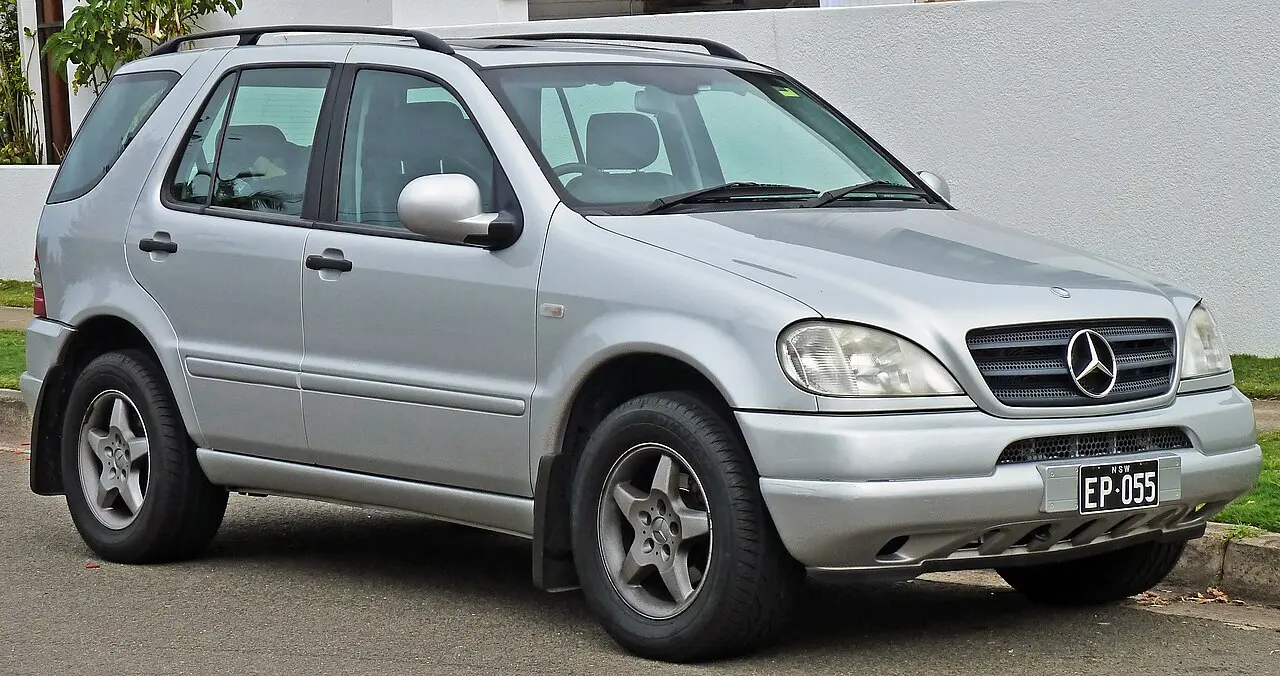
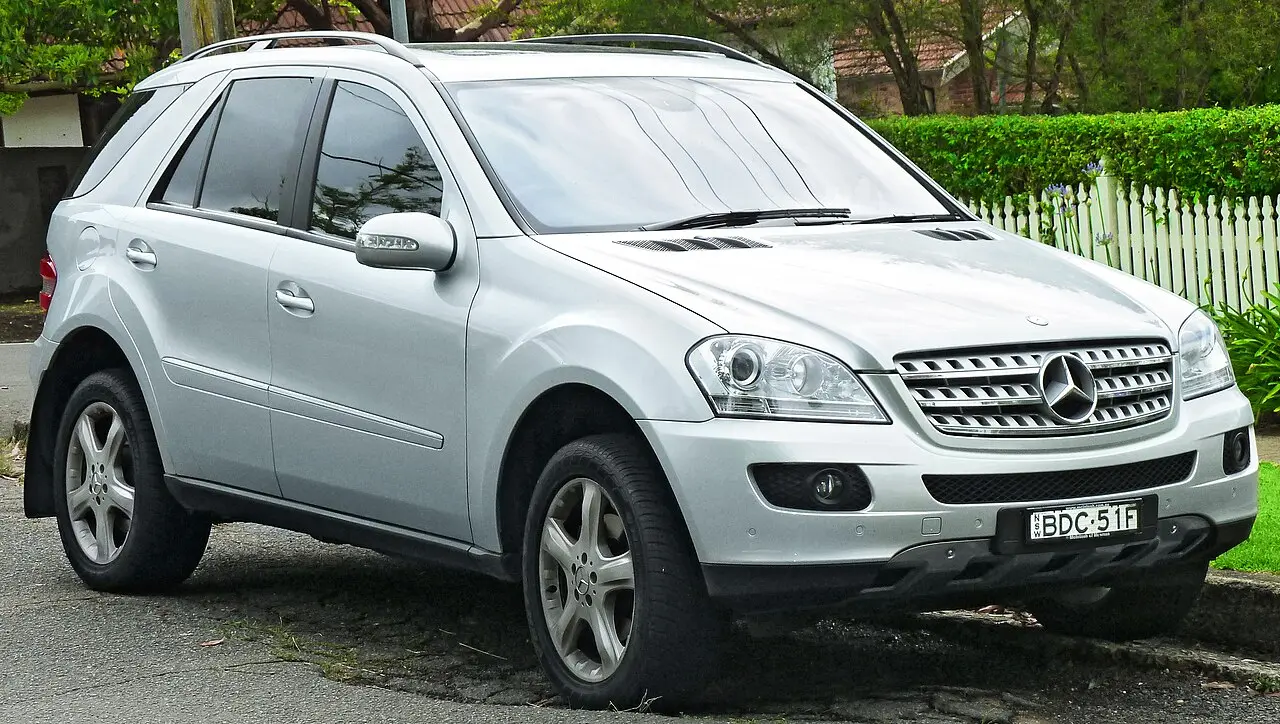
The first generation, W163, ran from 1997 to 2005. It marked Mercedes-Benz’s entry into the SUV market. The W164 followed from 2005 to 2011, and the W166 from 2011 to 2015, with each generation carrying the M-Class into a new design and equipment era.
The M-Class was recorded in official figures across several markets and time periods. EU registrations span 2010 to 2022, while UK figures cover 2000 to 2015. US and Canadian figures start in 1998.
Engines, power and fuel consumption
The M-Class range included diesel and petrol engines, as well as other fuel types in some markets. EU figures span 1.9 to 6.2 litres and 100 kW (136 PS) to 410 kW (557 PS). UK versions range from 2.1 to 5.5 litres; US versions from 2.1 to 6.3 litres; and Canadian versions from 3.0 to 6.2 litres.
The lowest listed consumption is 5.8 L/100 km in UK and French NEDC figures. The US low is 9.4 L/100 km, with a best combined EPA rating of 25 MPG. Canada’s lowest listed figure is 10.3 L/100 km on the NRCan 5-cycle test. These results use different procedures: NEDC is an older European test, while EPA and NRCan use their own methods.
Where was the M-Class sold?
The M-Class appears in official figures for the European Union, the UK, France, the United States and Canada. EU registrations total 252,698 from 2010 to 2022. The most registered listed configuration is a 3.0-litre diesel rated at 190 kW (258 PS), with 65,974 registrations from 2011 to 2019.
Questions and answers
When was the Mercedes-Benz M-Class sold?
Its three generations ran from 1997 to 2015: W163 (1997-2005), W164 (2005-2011) and W166 (2011-2015).
What engines and power did the M-Class offer?
The range included diesel and petrol engines, with other fuel types in some markets. EU figures span 1.9 to 6.2 litres and 100 kW (136 PS) to 410 kW (557 PS).
What is the M-Class’s lowest official fuel consumption?
The lowest listed figure is 5.8 L/100 km in UK and French NEDC results. The US EPA low is 9.4 L/100 km, and Canada’s NRCan 5-cycle low is 10.3 L/100 km.
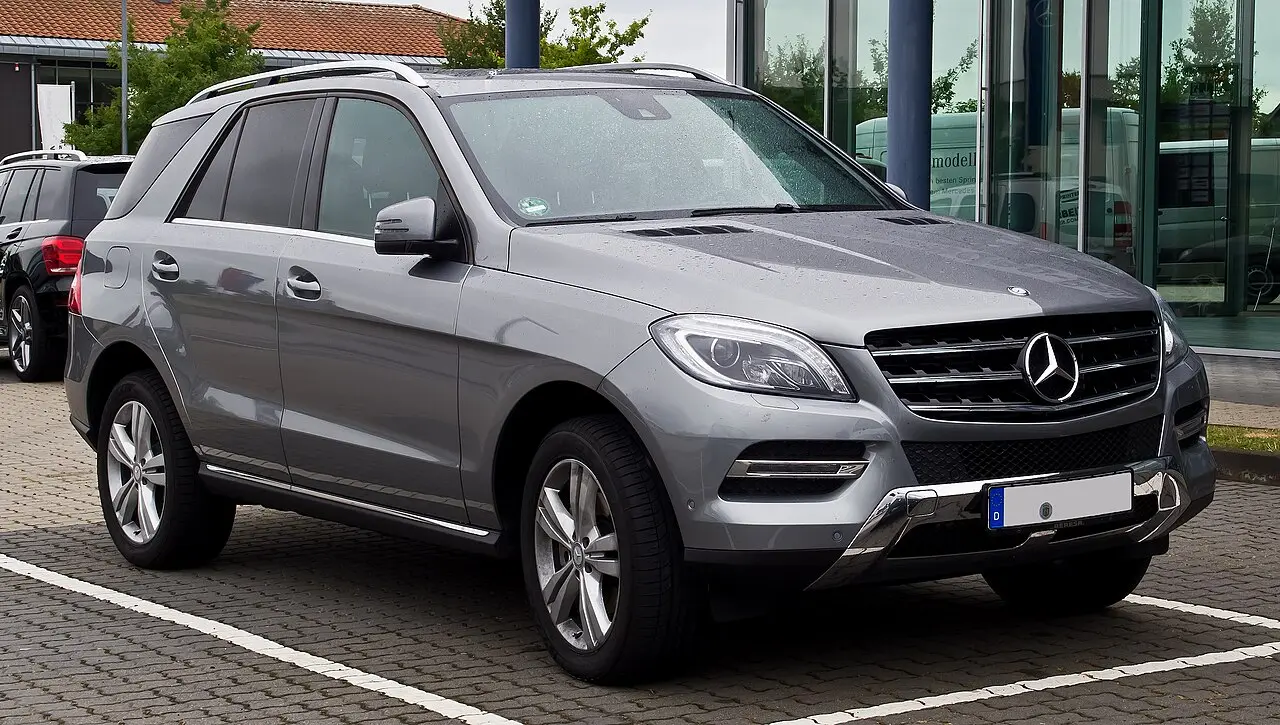
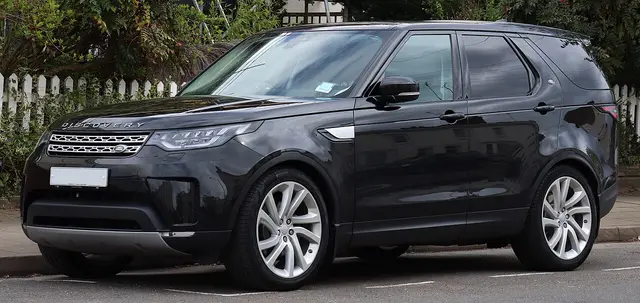
At a glance: Length 4,590 - 4,640 mm · Kerb weight 1,910 - 2,200 kg · Top speed 180 - 235 km/h · MOT first-time pass at 13 years and older: 65.6% (UK average 69.2%) Specifications, reliability and all versions
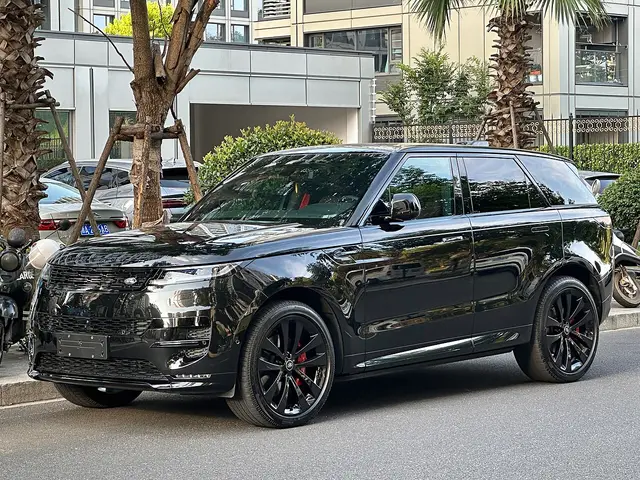
At a glance: Length 4,780 - 4,900 mm · Kerb weight 2,035 - 2,210 kg · Top speed 205 - 250 km/h · MOT first-time pass at 13 years and older: 74.3% (UK average 69.2%) Specifications, reliability and all versions
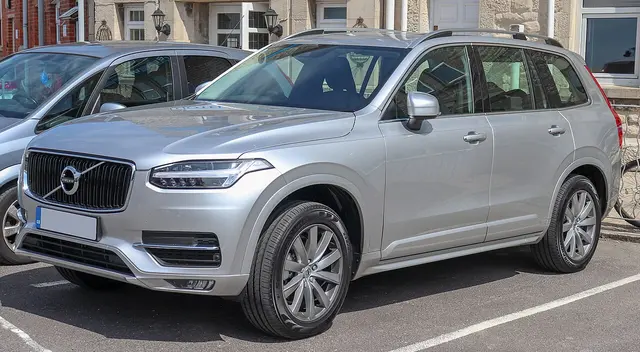
At a glance: Length 4,810 - 4,950 mm · Kerb weight 2,030 - 2,245 kg · Top speed 210 - 250 km/h · MOT first-time pass at 9 - 12 years: 85.8% (UK average 77.9%) Specifications, reliability and all versions
Show all 69 versions
European Union 17 versions
New cars registered in the EU (plus Norway and Iceland), from the European Environment Agency. Figures on the NEDC procedure until 2020 and on WLTP from 2021; versions are grouped by engine and power, with their number of registrations.
Years and version
Engine
Power
Fuel
CO₂
EU registrations
2012 - 2016
5.5 L
410 kW (557 PS)
Petrol
276 g/km
1,640
2013 - 2015
2.1 L
150 kW (204 PS)
Diesel
157 - 165 g/km
46,678
2014 - 2015
3.0 L
190 kW (258 PS)
Diesel
186 - 189 g/km
42,426
2012 - 2015
3.5 L
225 kW (306 PS)
Petrol
201 - 203 g/km
3,576
2012 - 2015
5.5 L
386 kW (525 PS)
Petrol
276 g/km
2,248
2012 - 2015
4.7 L
300 kW (408 PS)
Petrol
262 - 276 g/km
1,334
2015
3.0 L
245 kW (333 PS)
Petrol
211 g/km
280
2015
1.6 L
Not listed
Diesel
169 g/km
14
2012 - 2014
-
Not listed
Diesel
164 - 183 g/km
892
2013
3.0 L
Not listed
Other fuel
195 g/km
840
2013
2.1 L
Not listed
Other fuel
164 g/km
760
2012 - 2013
-
Not listed
Petrol
250 - 251 g/km
78
2013
3.5 L
Not listed
Other fuel
194 g/km
20
2013
5.5 L
Not listed
Other fuel
276 g/km
14
2013
3.0 L
165 kW (224 PS)
Diesel
254 g/km
10
2012
3.0 L
150 kW (204 PS)
Diesel
229 g/km
176
2012
3.0 L
155 kW (211 PS)
Diesel
239 g/km
74
United Kingdom 21 versions
New cars on sale in the UK, from the Vehicle Certification Agency. NEDC figures until 2018 and WLTP figures after; years are the editions a version appeared in.
Years and version
Engine
Fuel
Gearbox
Consumption (combined)
CO₂
2014 - 2015ML 250 BLUETEC 4MATIC with 17" rear wheels
2.1 L
Diesel
7-speed automatic
5.8 L/100 km NEDC
154 g/km
2014 - 2015ML 250 BLUETEC 4MATIC with 20" & 21" rear wheels · ML 250 BLUETEC 4MATIC with 19'' rear wheels · ML 250 BLUETEC 4MATIC with 20'' rear wheels
2.1 L
Diesel
7-speed automatic
6.2 L/100 km NEDC
163 g/km
2014 - 2015ML 250 BLUETEC 4MATIC with 18" & 19" rear wheels · ML 250 BLUETEC 4MATIC with 21'' rear wheels
2014ML 350 4MATIC BVA7 · ML 350 BLUETEC 4MATIC BVA7
-
225 kW (306 PS)
Petrol
7-speed automatic
8.5 - 8.8 L/100 km NEDC
199 - 206 g/km
2012 - 2014ML 63 AMG BVA7
-
386 kW (525 PS)
Petrol
7-speed automatic
11.8 L/100 km NEDC
276 g/km
2012 - 2014ML 63 AMG BVA7
-
410 kW (557 PS)
Petrol
7-speed automatic
11.8 L/100 km NEDC
276 g/km
2012 - 2013ML 350 4MATIC BVA7
-
225 kW (306 PS)
Petrol
7-speed automatic
8.5 - 8.8 L/100 km NEDC
199 - 206 g/km
United States 8 versions
Model years sold in the USA, from the EPA and the Department of Energy (fueleconomy.gov). MPG on the EPA test; litres per 100 km = 235.215 ÷ MPG.
Years and version
Engine
Fuel
Gearbox
Drive
Consumption (combined)
CO₂
2015
2.1 L
Diesel
7-speed automatic
Four-wheel drive
25 MPG (9.4 L/100 km) EPA
257 g/km
2012 - 2015SIDI; FFV
3.5 L
Flex fuel (E85)
7-speed automatic
Four-wheel drive
19 - 20 MPG (11.8 - 12.4 L/100 km) EPA
276 - 283 g/km
2013 - 2015SIDI
3.5 L
Petrol
7-speed automatic
Rear-wheel drive
20 MPG (11.8 L/100 km) EPA
273 - 276 g/km
2012 - 2015SIDI
3.5 L
Petrol
7-speed automatic
Four-wheel drive
19 - 20 MPG (11.8 - 12.4 L/100 km) EPA
280 - 291 g/km
2013 - 2015SIDI
5.5 L
Petrol
7-speed automatic
Four-wheel drive
15 MPG (15.7 L/100 km) EPA
380 g/km
2013 - 2014SIDI
4.7 L
Petrol
7-speed automatic
Four-wheel drive
16 MPG (14.7 L/100 km) EPA
336 - 343 g/km
2012
4.7 L
Petrol
7-speed automatic
Four-wheel drive
17 MPG (13.8 L/100 km) EPA
325 g/km
2012
5.5 L
Petrol
7-speed automatic
Four-wheel drive
15 MPG (15.7 L/100 km) EPA
368 g/km
Canada 10 versions
Model years sold in Canada, from Natural Resources Canada fuel consumption ratings (5-cycle test).
Years and version
Engine
Fuel
Gearbox
Consumption (combined)
CO₂
2013 - 2015Sport utility vehicle: Standard
3.0 L
Diesel
7-speed automatic
10.3 L/100 km 5-cycle
278 g/km
2015Sport utility vehicle: Standard
3.0 L
Petrol
7-speed automatic
12.0 L/100 km 5-cycle
276 g/km
2015Sport utility vehicle: Standard
4.7 L
Petrol
7-speed automatic
14.2 L/100 km 5-cycle
327 g/km
2013 - 2015Sport utility vehicle: Standard
5.5 L
Petrol
7-speed automatic
15.5 - 15.6 L/100 km 5-cycle
356 - 359 g/km
2013 - 2014Sport utility vehicle: Standard
3.5 L
Petrol
7-speed automatic
11.9 - 12.1 L/100 km 5-cycle
274 - 278 g/km
2013 - 2014Sport utility vehicle: Standard
3.5 L
Flex fuel (E85)
7-speed automatic
15.9 - 16.0 L/100 km 5-cycle
254 - 256 g/km
2012 - 2014Sport utility vehicle · Sport utility vehicle: Standard
4.7 L
Petrol
7-speed automatic
14.2 L/100 km 5-cycle
327 g/km
2012Sport utility vehicle
3.0 L
Diesel
7-speed automatic
10.5 L/100 km 5-cycle
284 g/km
2012Sport utility vehicle
3.5 L
Petrol
7-speed automatic
12.3 L/100 km 5-cycle
283 g/km
2012Sport utility vehicle
5.5 L
Petrol
7-speed automatic
15.6 L/100 km 5-cycle
359 g/km
Versions outside these generations
Show all 32 versions
European Union 29 versions
New cars registered in the EU (plus Norway and Iceland), from the European Environment Agency. Figures on the NEDC procedure until 2020 and on WLTP from 2021; versions are grouped by engine and power, with their number of registrations.
Years and version
Engine
Power
Fuel
CO₂
EU registrations
2021 - 2022
2.0 L
120 kW (163 PS)
Diesel
200 - 201 g/km
126
2021 - 2022
2.0 L
140 kW (190 PS)
Diesel
208 - 212 g/km
64
2021 - 2022
2.0 L
174 kW (237 PS)
Diesel
215 - 217 g/km
27
2021
2.0 L
100 kW (136 PS)
Diesel
194 g/km
102
2021
1.8 L
100 kW (136 PS)
Diesel
205 g/km
17
2019 - 2020
2.0 L
120 kW (163 PS)
Diesel
163 - 166 g/km
47
2019 - 2020
2.0 L
100 kW (136 PS)
Diesel
158 - 162 g/km
30
2020
1.8 L
100 kW (136 PS)
Diesel
179 g/km
16
2011 - 2019
3.0 L
190 kW (258 PS)
Diesel
188 - 192 g/km
65,974
2018 - 2019
2.1 L
120 kW (163 PS)
Diesel
157 - 180 g/km
140
2018 - 2019
2.1 L
100 kW (136 PS)
Diesel
167 - 179 g/km
124
2019
2.1 L
140 kW (190 PS)
Diesel
198 g/km
26
2019
2.0 L
140 kW (190 PS)
Diesel
167 g/km
12
2018
1.6 L
-
Diesel
164 g/km
22
2011 - 2017
2.1 L
150 kW (204 PS)
Diesel
159 - 166 g/km
18,245
2016 - 2017
1.6 L
Not listed
Diesel
165 - 167 g/km
60
2016
3.0 L
245 kW (333 PS)
Petrol
211 g/km
16
2011 - 2012
3.0 L
170 kW (231 PS)
Diesel
242 g/km
24,856
2011
3.0 L
150 kW (204 PS)
Diesel
230 g/km
5,372
2011
3.0 L
155 kW (211 PS)
Diesel
237 g/km
964
2011
3.5 L
200 kW (272 PS)
Petrol
273 g/km
464
2011
3.5 L
225 kW (306 PS)
Petrol
202 g/km
248
2011
5.5 L
285 kW (387 PS)
Petrol
304 g/km
214
2011
6.2 L
375 kW (510 PS)
Petrol
392 g/km
114
2011
3.0 L
165 kW (224 PS)
Diesel
241 g/km
88
2011
-
Not listed
Diesel
225 g/km
44
2011
4.0 L
225 kW (306 PS)
Diesel
288 g/km
24
2011
-
Not listed
Petrol
273 g/km
14
2011
3.0 L
140 kW (190 PS)
Diesel
241 g/km
12
United States 2 versions
Model years sold in the USA, from the EPA and the Department of Energy (fueleconomy.gov). MPG on the EPA test; litres per 100 km = 235.215 ÷ MPG.
Years and version
Engine
Fuel
Gearbox
Drive
Consumption (combined)
CO₂
2011
3.5 L
Petrol
7-speed automatic
Rear-wheel drive
17 MPG (13.8 L/100 km) EPA
325 g/km
2011
3.5 L
Hybrid
Continuously variable (CVT)
Four-wheel drive
22 MPG (10.7 L/100 km) EPA
251 g/km
Canada 1 version
Model years sold in Canada, from Natural Resources Canada fuel consumption ratings (5-cycle test).
Years and version
Engine
Fuel
Gearbox
Consumption (combined)
CO₂
2011Sport utility vehicle
3.5 L
Petrol
7-speed automatic
14.1 L/100 km 5-cycle
324 g/km
Mercedes-Benz M-Class recalls
67 official safety recalls for the Mercedes-Benz M-Class from NHTSA (United States), DVSA (United Kingdom) and the EU Safety Gate, newest first. Recall repairs are normally free at the maker’s dealers.
Brake booster corrosion may reduce braking2006 - 2011
Steering gear bolts may corrode and break2011 - 2017
Water may impair fuel pump control unit2011 - 2018
Fuel pump control unit may cause engine stall2012 - 2015
Brake booster corrosion may affect its function2005 - 2013
Official figures are measured on standard test procedures and differ between markets. Your consumption depends on how, where and in what conditions you drive.