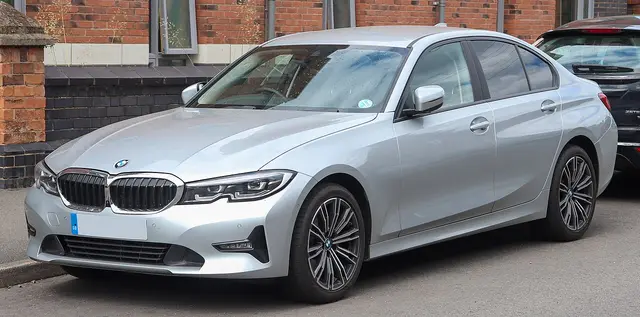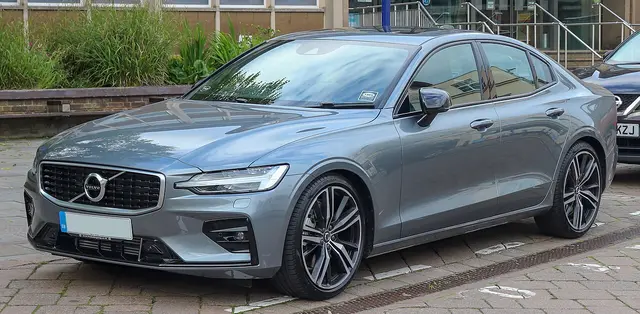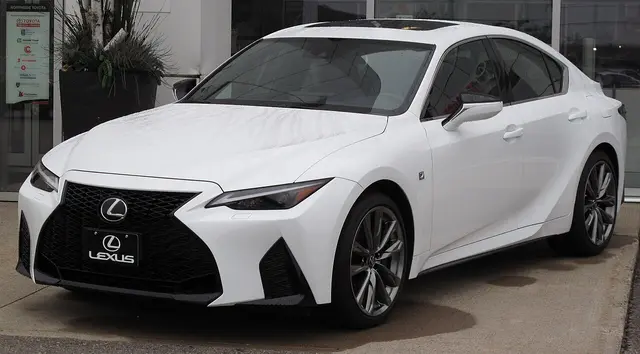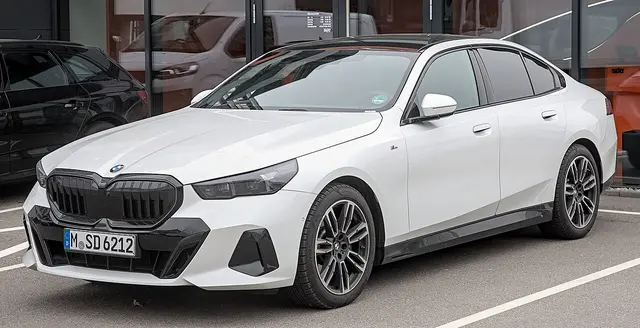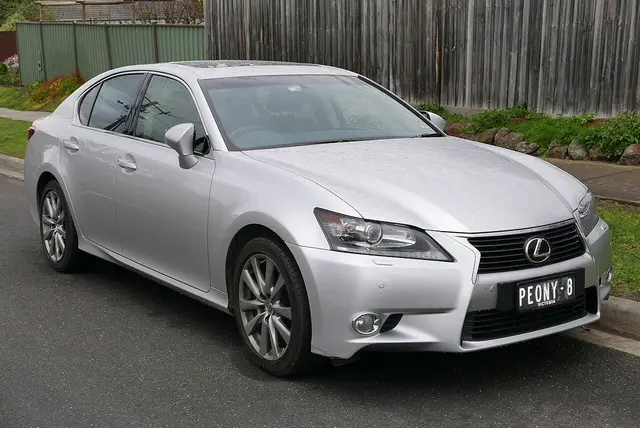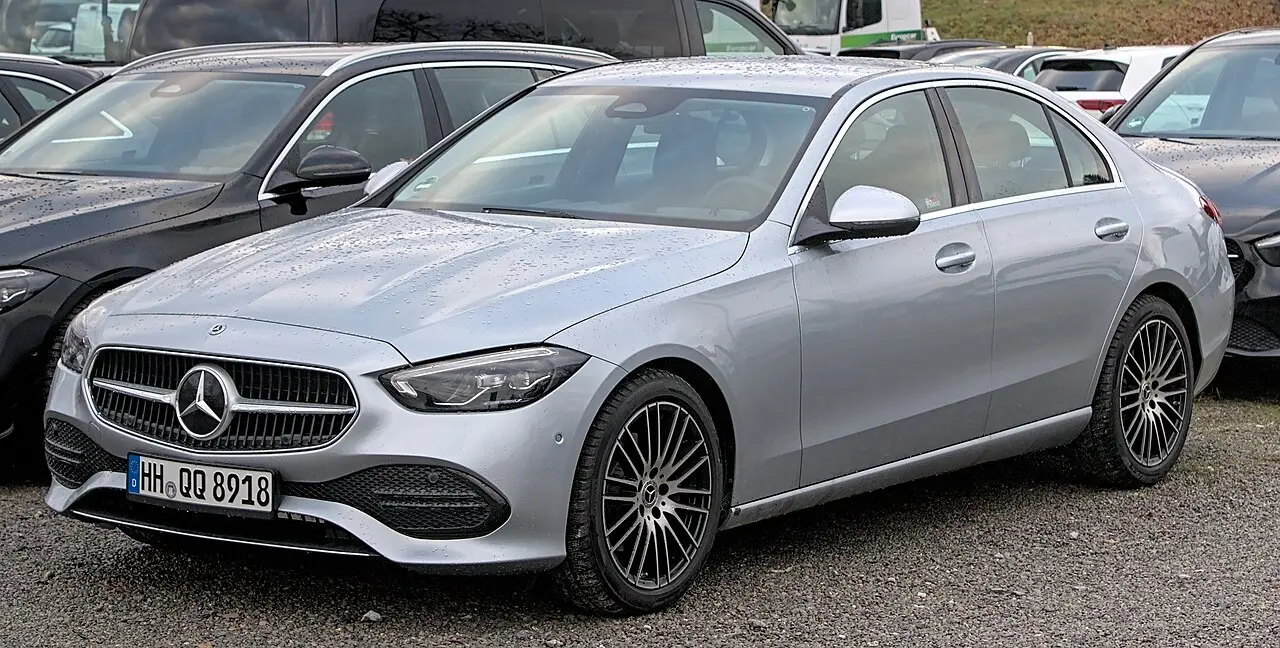
Mercedes-Benz C-Class

Mercedes-Benz C-Class
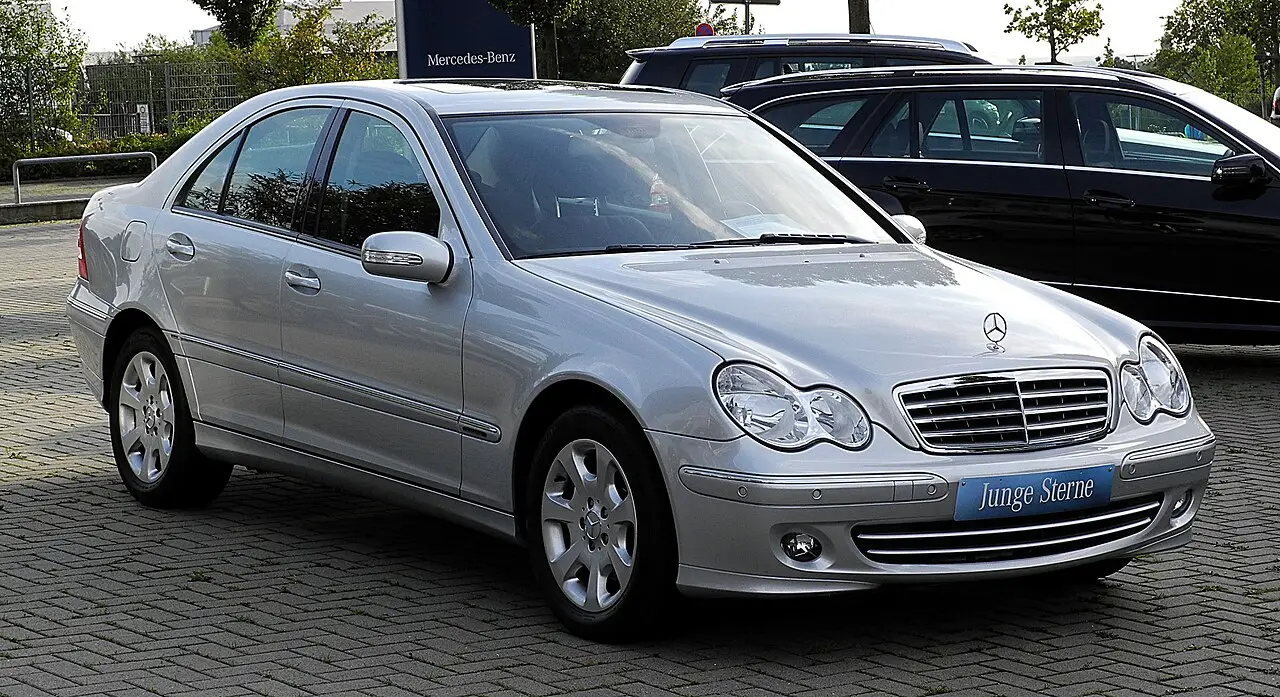
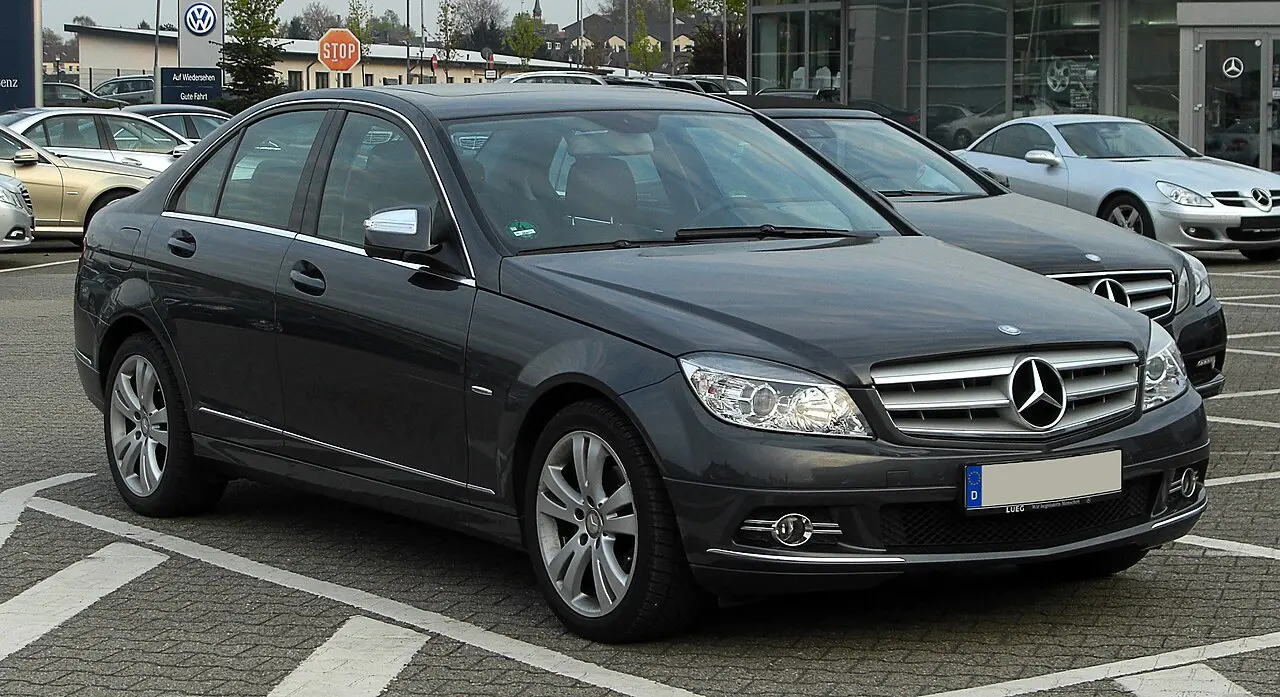
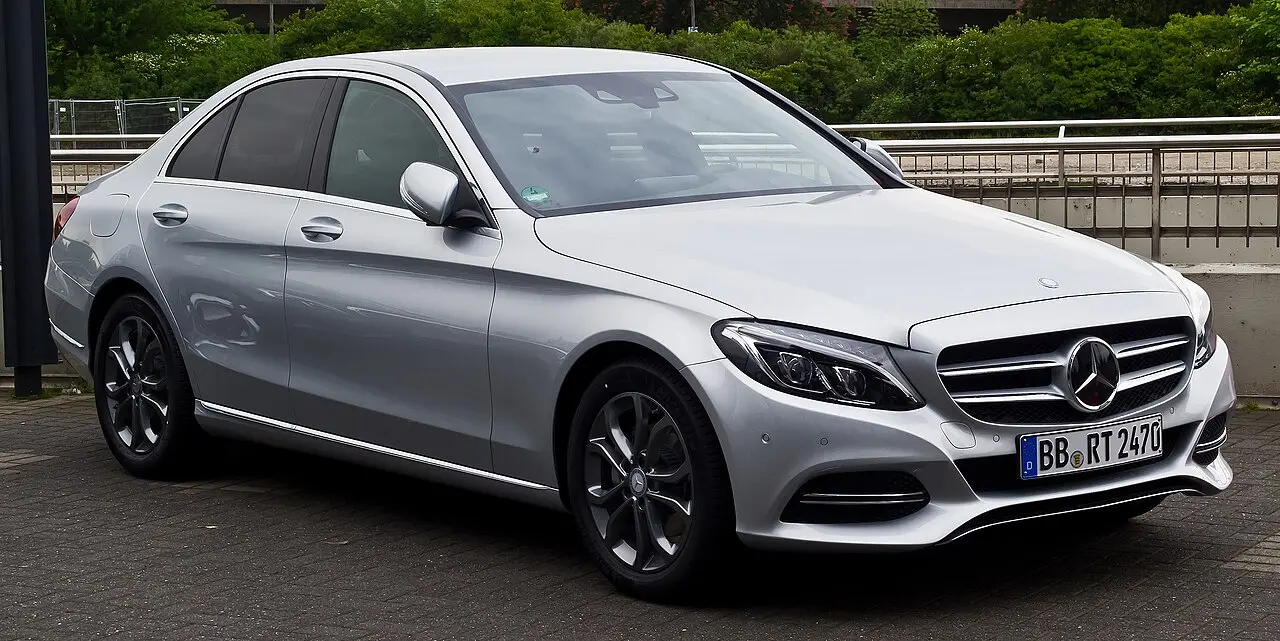
Photo: Alexander Migl / Wikimedia Commons · CC BY-SA 4.0

The official data lists 1049 versions of the Mercedes-Benz C-Class (1994 - 2027), in the European Union, the United Kingdom, France, the United States, and Canada. Each market publishes its own figures, measured on its own test procedure.

At a glance

Years in the data
1994 - 2027
Markets
European Union, United Kingdom, France, United States, Canada
Engines
1.5 L to 6.3 L
Power
85 kW (116 PS) to 380 kW (517 PS)
Fuels
Diesel, Petrol, Hybrid, Plug-in hybrid, Electric, Flex fuel (E85)
Lowest consumption (France)
3.6 L/100 km (NEDC)
Lowest consumption (United Kingdom)
3.6 L/100 km (NEDC)
Lowest consumption (European Union)
4.3 L/100 km (WLTP)
Plug-in hybrid, weighted (European Union)
0.5 L/100 km (WLTP)
Plug-in hybrid, weighted (France)
2.1 L/100 km (NEDC)
New registrations in the EU
3,364,398

What is the Mercedes-Benz C-Class?

The C-Class is Mercedes-Benz’s compact executive car, with saloon and estate versions through much of its history. Some generations also offered a coupé or convertible. It brings together everyday comfort and a smaller footprint than the E-Class.

Its roots reach back to the Mercedes-Benz 190. The C-Class name arrived with the W202, and the range has since evolved through several generations, adding body styles and newer engine and hybrid options.

C-Class generations

The generations are W202 (1994-2000), W203 (2001-2007), W204 (2008-2014), W205 (2015-2021) and W206 (2022-today). The W202 established the C-Class name and estate body style. The W203 added a sports coupé, later known as the CLC. The W204 brought a separate coupé, while the W205 added a convertible. The W206 continues the saloon and estate line.

Body styles did not necessarily run throughout each generation. The coupé and convertible, for example, appeared in particular generations rather than across the whole C-Class range.

Engines, power and official consumption

Engine choices vary by generation and market. In the European Union, the C-Class spans engines from 1.5 L to 6.2 L and power from 85 kW (116 PS) to 380 kW (517 PS). Petrol, diesel, hybrid and plug-in hybrid versions are among the types recorded. The lowest listed EU consumption for petrol, diesel and hybrid versions is 4.3 L/100 km on WLTP. For plug-in hybrids, it is 0.5 L/100 km on WLTP, a weighted figure that assumes some driving is electric.

The UK’s lowest listed figures are 3.6 L/100 km for petrol, diesel and hybrid versions and 2.1 L/100 km for plug-in hybrids, both on NEDC. France lists the same minima, also on NEDC. In the USA, the lowest listed figure is 7.8 L/100 km on EPA testing, with a best combined rating of 30 MPG. Canada’s lowest listed figure is 8.1 L/100 km on the 5-cycle test. WLTP and NEDC in Europe, EPA in the USA, and Canada’s 5-cycle procedure differ, so results across these markets are not directly comparable.

Where is the C-Class sold?

The C-Class is recorded in the European Union, the United Kingdom, France, the United States and Canada. EU registrations total 3,364,398. The range of engines and fuel types varies by market and by year.

Questions and answers

What are the C-Class generations?

W202 (1994-2000), W203 (2001-2007), W204 (2008-2014), W205 (2015-2021) and W206 (2022-today).

What is the lowest official C-Class fuel consumption listed in the EU?

The lowest listed figure is 0.5 L/100 km for a plug-in hybrid on WLTP. It is a weighted figure that assumes some driving is electric.

How much power does the C-Class have?

In the EU, listed power ranges from 85 kW (116 PS) to 380 kW (517 PS).

Where is the C-Class sold?

It is recorded in the European Union, the United Kingdom, France, the United States and Canada.
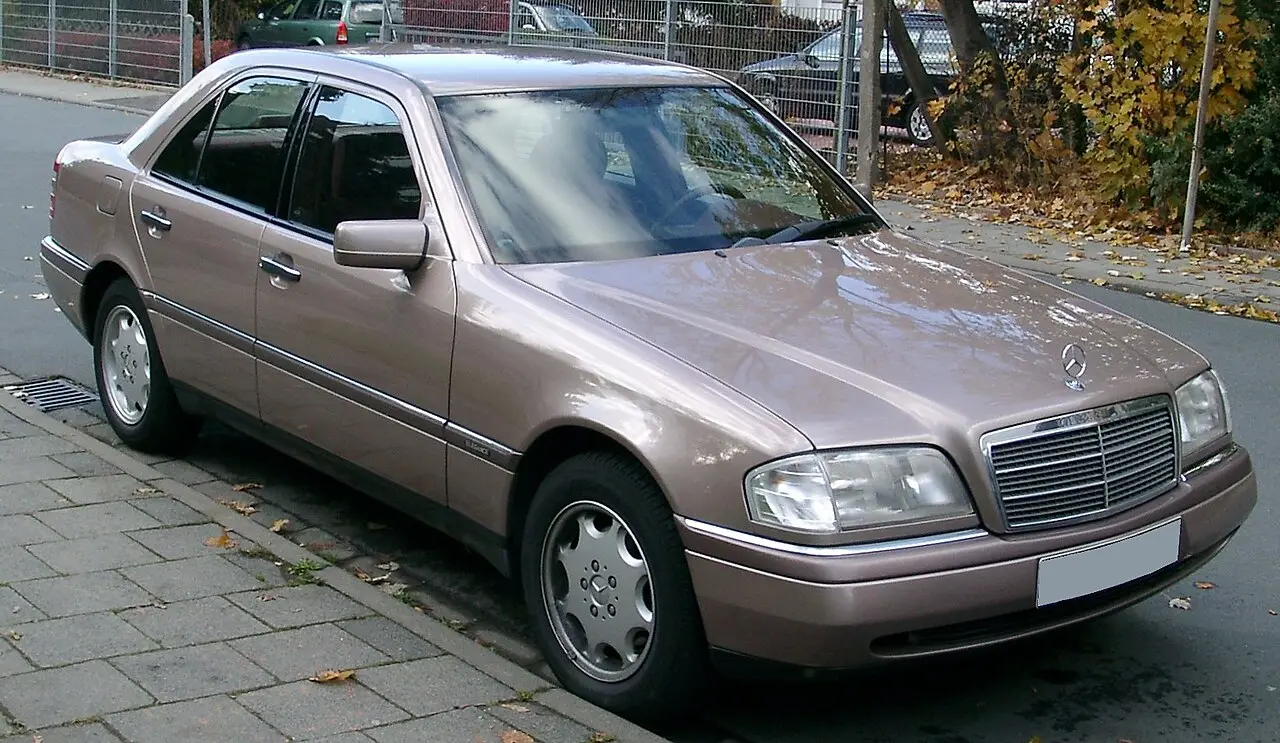
C-Class W202 (1994 - 2000)

Mercedes-Benz C-Class W202
Photo: Rudolf Stricker / Wikimedia Commons · CC BY-SA 3.0

Model codes: W202 · References: media.mercedes-benz.com, en.wikipedia.org

At a glance: Length 4,520 - 4,530 mm · Kerb weight 1,250 - 1,445 kg · Top speed 193 - 227 km/h · MOT first-time pass at 13 years and older: 76.9% (UK average 69.2%) Specifications, reliability and all versions

Show all 42 versions

C-Class W203 (2001 - 2007)

Mercedes-Benz C-Class W203
Photo: M 93 / Wikimedia Commons · CC BY-SA 3.0 de

Model codes: W203, S203, CL203 · References: media.mercedes-benz.com, en.wikipedia.org

At a glance: Length 4,340 - 4,540 mm · Kerb weight 1,365 - 1,520 kg · Top speed 203 - 246 km/h · MOT first-time pass at 13 years and older: 67.9% (UK average 69.2%) Specifications, reliability and all versions

Show all 233 versions

C-Class W204 (2008 - 2014)

Mercedes-Benz C-Class W204
Photo: M 93 / Wikimedia Commons · CC BY-SA 3.0 de

Model codes: W204, S204, C204 · References: media.mercedes-benz.com, motortrend.com

At a glance: Length 4,600 - 4,730 mm · Kerb weight 1,365 - 1,570 kg · Top speed 213 - 246 km/h · MOT first-time pass at 9 - 12 years: 78.7% (UK average 77.9%) Specifications, reliability and all versions

Show all 394 versions

C-Class W205 (2015 - 2021)

Mercedes-Benz C-Class W205
Photo: M 93 / Wikimedia Commons · CC BY-SA 3.0 de

Model codes: W205, S205, C205, A205 · References: media.mercedes-benz.com, motortrend.com

At a glance: Length 4,760 - 4,770 mm · Kerb weight 1,325 - 1,740 kg · Top speed 212 - 250 km/h · MOT first-time pass at 6 - 8 years: 87.7% (UK average 86.4%) Specifications, reliability and all versions

Show all 372 versions

C-Class W206 (since 2022)

Mercedes-Benz C-Class W206
Photo: Alexander Migl / Wikimedia Commons · CC BY-SA 4.0

Model codes: W206, S206 · References: media.mercedes-benz.com, auto-motor-und-sport.de

At a glance: Length 4,790 mm · Kerb weight 1,525 - 2,040 kg · Top speed 240 - 265 km/h Specifications, reliability and all versions

Show all 88 versions

European Union 50 versions

New cars registered in the EU (plus Norway and Iceland), from the European Environment Agency. Figures on the NEDC procedure until 2020 and on WLTP from 2021; versions are grouped by engine and power, with their number of registrations.

Years and versionEnginePowerFuelConsumption (combined)CO₂Electric rangeEU registrations
2022 - 20252.0 L147 kW (200 PS)Hybrid4.8 - 4.9 L/100 km WLTP127 - 129 g/km - 49,824
2022 - 20252.0 L150 kW (204 PS) (engine only)Plug-in hybrid0.6 - 0.8 L/100 km WLTP18.9 - 20.6 kWh/100 km WLTP13 - 19 g/km108 - 112 km43,637
2022 - 20252.0 L120 kW (163 PS)Hybrid4.7 - 4.8 L/100 km WLTP124 - 125 g/km - 30,229
2022 - 20251.5 L125 kW (170 PS)Hybrid6.4 - 6.6 L/100 km WLTP146 - 150 g/km - 24,862
2022 - 20251.5 L150 kW (204 PS)Hybrid6.6 - 6.8 L/100 km WLTP149 - 153 g/km - 20,121
2022 - 20252.0 L145 kW (197 PS) (engine only)Plug-in hybrid0.5 - 0.7 L/100 km WLTP19.0 - 21.1 kWh/100 km WLTP13 - 133 g/km108 - 109 km12,559
2022 - 20252.0 L195 kW (265 PS)Hybrid5.2 - 5.3 L/100 km WLTP137 - 139 g/km - 9,783
2024 - 20252.0 L145 kW (197 PS)Hybrid4.8 L/100 km WLTP125 g/km - 7,758
2022 - 20252.0 L190 kW (258 PS)Hybrid6.8 - 7.2 L/100 km WLTP156 - 164 g/km - 6,865
2022 - 20252.0 L300 kW (408 PS)Hybrid9.0 - 9.1 L/100 km WLTP204 - 206 g/km - 3,194
2022 - 20252.0 L350 kW (476 PS) (engine only)Plug-in hybrid6.9 - 7.2 L/100 km WLTP12.7 - 33.8 kWh/100 km WLTP158 - 168 g/km12 - 13 km1,915
2022 - 20251.5 L150 kW (204 PS)Petrol6.5 L/100 km WLTP147 - 150 g/km - 1,041
2022 - 20252.0 L147 kW (200 PS)Diesel4.7 - 4.8 L/100 km WLTP122 - 129 g/km - 795
2022 - 20252.0 L185 kW (252 PS) (engine only)Plug-in hybrid0.6 - 1.2 L/100 km WLTP19.1 - 20.7 kWh/100 km WLTP18 - 34 g/km105 - 109 km737
2022 - 20252.0 L195 kW (265 PS)Diesel5.1 L/100 km WLTP134 - 136 g/km - 683
2024 - 20252.0 L310 kW (421 PS)Hybrid9.2 - 9.3 L/100 km WLTP211 g/km - 504
2022 - 20252.0 L190 kW (258 PS)Petrol6.6 - 7.1 L/100 km WLTP150 - 160 g/km - 492
2025Electric motorNot listedElectric - 0 g/km - 141
20251.5 L125 kW (170 PS)Hybrid6.2 L/100 km WLTP143 g/km - 79
20252.0 L190 kW (258 PS) (engine only)Plug-in hybrid6.9 L/100 km WLTP164 g/km94 km75
2024 - 20252.0 L146 kW (199 PS)Hybrid - 138 - 157 g/km - 58
20252.0 L160 kW (218 PS)Hybrid - 159 g/km - 41
20251.5 L150 kW (204 PS)Hybrid6.7 L/100 km WLTP150 g/km - 39
20252.0 L160 kW (218 PS) (engine only)Plug-in hybrid - 173 g/km100 km38
2025Electric motor270 kW (367 PS)Electric34.5 kWh/100 km WLTP0 g/km - 29
20252.0 L145 kW (197 PS)Diesel4.7 L/100 km WLTP124 g/km - 27
20252.0 L147 kW (200 PS)Hybrid4.9 L/100 km WLTP129 g/km - 25
2025Electric motorNot listedElectric22.8 - 31.3 kWh/100 km WLTP0 g/km - 37
20252.0 L120 kW (163 PS)Hybrid4.6 L/100 km WLTP121 g/km - 15
20253.0 L330 kW (449 PS)Hybrid - 250 g/km - 13
20252.0 L300 kW (408 PS)Petrol8.9 L/100 km WLTP202 g/km - 10
2022 - 20241.5 L135 kW (184 PS)Hybrid7.5 - 7.6 L/100 km WLTP172 - 173 g/km - 1,927
2022 - 20242.0 L143 kW (194 PS)Diesel5.4 - 5.6 L/100 km WLTP146 g/km - 1,810
2022 - 20241.5 L115 kW (156 PS)Petrol7.5 - 7.6 L/100 km WLTP170 - 173 g/km - 1,188
2022 - 20244.0 L375 kW (510 PS)Petrol11.0 - 11.1 L/100 km WLTP252 - 253 g/km - 977
2022 - 20242.0 L190 kW (258 PS)Hybrid7.8 - 8.0 L/100 km WLTP178 - 182 g/km - 841
2022 - 20243.0 L287 kW (390 PS)Petrol10.1 - 10.2 L/100 km WLTP231 - 232 g/km - 829
2022 - 20242.0 L180 kW (245 PS)Diesel5.9 - 6.2 L/100 km WLTP156 - 162 g/km - 302
2024Electric motor135 kW (184 PS)Electric13.7 kWh/100 km WLTP0 g/km - 44
2022 - 20233.0 L245 kW (333 PS)Petrol9.3 - 9.4 L/100 km WLTP211 - 214 g/km - 191
2022 - 20234.0 L350 kW (476 PS)Petrol11.0 - 11.1 L/100 km WLTP251 - 252 g/km - 163
20221.5 L125 kW (170 PS)Petrol6.3 L/100 km WLTP143 g/km - 862
20222.0 L120 kW (163 PS)Diesel4.3 L/100 km WLTP119 g/km - 140
20222.0 L150 kW (204 PS)Hybrid6.9 L/100 km WLTP143 g/km - 80
20222.0 L143 kW (194 PS) (engine only)Plug-in hybrid1.3 L/100 km WLTP21.8 kWh/100 km WLTP33 g/km54 km78
20221.6 L118 kW (160 PS)Diesel5.2 L/100 km WLTP136 g/km - 62
20221.6 L90 kW (122 PS)Diesel5.2 L/100 km WLTP135 g/km - 50
20222.0 L190 kW (258 PS)Petrol7.1 L/100 km WLTP182 g/km - 16
20222.0 L155 kW (211 PS) (engine only)Plug-in hybrid1.6 L/100 km WLTP22.2 kWh/100 km WLTP37 g/km55 km11
20222.0 L147 kW (200 PS)Hybrid - 49 g/km - 11

United Kingdom 26 versions

New cars on sale in the UK, from the Vehicle Certification Agency. NEDC figures until 2018 and WLTP figures after; years are the editions a version appeared in.

Years and versionEnginePowerFuelGearboxConsumption (combined)CO₂Electric range
2026C 400 4MATIC electricElectric motor360 kW (489 PS)Electric - 18.5 kWh/100 km WLTP0 g/km594 km
2022 - 2026C 2001.5 L150 kW (204 PS)Hybrid9-speed automatic6.2 - 7.4 L/100 km WLTP141 - 168 g/km -
2024 - 2026Mercedes-AMG C 43 4MATIC · AMG C 43 4MATIC2.0 L310 kW (421 PS)Hybrid9-speed automatic8.9 - 9.5 L/100 km WLTP202 - 216 g/km -
2024 - 2026Mercedes-AMG C 63 S E PERFORMANCE · AMG C 63 S E PERFORMANCE2.0 L350 kW (476 PS)Plug-in hybrid9-speed automatic12.2 kWh/100 km WLTP - 12 km
2025 - 2026AMG C 63 S E PERFORMANCE2.0 L350 kW (476 PS)Plug-in hybrid9-speed automatic12.2 kWh/100 km WLTP - 2 km
2023 - 2026C 220 d2.0 L145 kW (197 PS)Hybrid9-speed automatic4.5 - 5.3 L/100 km WLTP119 - 139 g/km -
2022 - 2026C 300 d2.0 L195 kW (265 PS)Hybrid9-speed automatic4.9 - 5.8 L/100 km WLTP129 - 152 g/km -
2023 - 2026C 300 de2.0 L230 kW (313 PS)Plug-in hybrid9-speed automatic18.1 - 21.8 kWh/100 km WLTP - 94 - 114 km
2026C 2502.0 L160 kW (218 PS)Hybrid9-speed automatic6.8 - 7.0 L/100 km WLTP155 - 160 g/km -
2022 - 2026C 3002.0 L190 kW (258 PS)Hybrid9-speed automatic6.3 - 7.7 L/100 km WLTP144 - 174 g/km -
2022 - 2026C 300 e2.0 L230 kW (313 PS)Plug-in hybrid9-speed automatic18.0 - 22.3 kWh/100 km WLTP - 98 - 113 km
2026C 300 e2.0 L240 kW (326 PS)Plug-in hybrid9-speed automatic15.0 - 16.0 kWh/100 km WLTP - 96 - 110 km
2022 - 2024C 220 d2.0 L147 kW (200 PS)Hybrid9-speed automatic4.4 - 5.3 L/100 km WLTP117 - 140 g/km -
2022 - 2023C 2001.5 L135 kW (184 PS)Hybrid9-speed automatic6.9 - 8.1 L/100 km WLTP157 - 184 g/km -
2022 - 2023C 220 d2.0 L143 kW (194 PS)Diesel9-speed automatic5.9 L/100 km WLTP156 g/km -
2022 - 2023C 220 d2.0 L143 kW (194 PS)Hybrid9-speed automatic4.9 - 5.7 L/100 km WLTP130 - 149 g/km -
2022 - 2023C 300 d2.0 L180 kW (245 PS)Diesel9-speed automatic6.5 L/100 km WLTP170 g/km -
2022 - 2023C 300 d2.0 L180 kW (245 PS)Hybrid9-speed automatic5.4 - 6.2 L/100 km WLTP142 - 163 g/km -
2022 - 2023C 3002.0 L190 kW (258 PS)Petrol9-speed automatic7.4 - 8.3 L/100 km WLTP169 - 189 g/km -
2022 - 2023C 3002.0 L190 kW (258 PS)Hybrid9-speed automatic7.0 - 7.9 L/100 km WLTP160 - 179 g/km -
2022 - 2023AMG C 43 4MATIC · Mercedes-AMG C 43 4MATIC2.0 L300 kW (408 PS)Hybrid9-speed automatic8.7 - 8.8 L/100 km WLTP196 - 199 g/km -
2022 - 2023AMG C 43 4MATIC2.0 L300 kW (408 PS)Hybrid9-speed automatic9.1 - 9.2 L/100 km WLTP206 - 209 g/km -
2023Mercedes-AMG C 43 4MATIC2.0 L300 kW (408 PS)Hybrid9-speed automatic9.0 - 9.2 L/100 km WLTP205 - 208 g/km -
2023Mercedes-AMG C 63 S E PERFORMANCE2.0 L350 kW (476 PS)Plug-in hybrid9-speed automatic11.7 kWh/100 km WLTP - 13 km
2022 - 2023AMG C 43 4MATIC3.0 L287 kW (390 PS)Petrol9-speed automatic10.3 L/100 km WLTP233 g/km -
2022 - 2023AMG C 63 S4.0 L375 kW (510 PS)Petrol9-speed automatic11.0 L/100 km WLTP250 g/km -

United States 8 versions

Model years sold in the USA, from the EPA and the Department of Energy (fueleconomy.gov). MPG on the EPA test; litres per 100 km = 235.215 ÷ MPG.

Years and versionEngineFuelGearboxDriveConsumption (combined)CO₂
2022 - 2027SIDI; Mild Hybrid2.0 LHybrid9-speed automaticAll-wheel drive22 - 27 MPG (8.7 - 10.7 L/100 km) EPA201 - 252 g/km
2026 - 2027SIDI; Mild Hybrid · SIDI & PFI2.0 LHybrid9-speed automaticRear-wheel drive29 MPG (8.1 L/100 km) EPA191 g/km
2022 - 2025SIDI; Mild Hybrid2.0 LHybrid9-speed automaticRear-wheel drive29 - 30 MPG (7.8 - 8.1 L/100 km) EPA186 - 191 g/km
2025SIDI; PHEV2.0 LPlug-in hybrid9-speed automaticAll-wheel drive20 MPG (11.8 L/100 km) EPA225 g/km
2022 - 2023SIDI2.0 LPetrol9-speed automaticRear-wheel drive24 - 25 MPG (9.4 - 9.8 L/100 km) EPA217 - 232 g/km
2022 - 2023SIDI2.0 LPetrol9-speed automaticAll-wheel drive24 - 25 MPG (9.4 - 9.8 L/100 km) EPA217 - 224 g/km
2022 - 2023SIDI3.0 LPetrol9-speed automaticAll-wheel drive21 - 22 MPG (10.7 - 11.2 L/100 km) EPA250 - 257 g/km
2023SIDI4.0 LPetrol9-speed automaticRear-wheel drive19 MPG (12.4 L/100 km) EPA286 g/km

Canada 4 versions

Model years sold in Canada, from Natural Resources Canada fuel consumption ratings (5-cycle test).

Years and versionEngineFuelGearboxConsumption (combined)CO₂Electric range
2022 - 2026Compact2.0 LPetrol9-speed automatic8.1 - 10.8 L/100 km 5-cycle191 - 252 g/km -
2024Compact2.0 LPlug-in hybrid9-speed automated manual11.2 L/100 km 5-cycle217 g/km11 km
2022 - 2023Subcompact2.0 LPetrol9-speed automatic9.3 - 9.6 L/100 km 5-cycle217 - 224 g/km -
2022 - 2023Subcompact3.0 LPetrol9-speed automatic10.8 - 11.4 L/100 km 5-cycle252 - 268 g/km -

Mercedes-Benz C-Class recalls

238 official safety recalls for the Mercedes-Benz C-Class from NHTSA (United States), DVSA (United Kingdom) and the EU Safety Gate, newest first. Recall repairs are normally free at the maker’s dealers.

  • Door lock may fail to engage automatic parking brake2022 - 2023
  • Instrument panel display may go blank2025 - 2026
  • Steering coupling bolts may not meet specifications2022 - 2025
  • Incorrect fuse box may cause power loss or fire2023
  • Driver seat belt fitting safety cap may be misinstalled2023 - 2024

See all 238 recalls

Official figures are measured on standard test procedures and differ between markets. Your consumption depends on how, where and in what conditions you drive.