The official data lists 221 versions of the Lexus GS (1993–2020), in the European Union, the United Kingdom, France, the United States, and Canada. Each market publishes its own figures, measured on its own test procedure.
At a glance
Years in the data
1993–2020
Markets
European Union, United Kingdom, France, United States, Canada
Engines
2.0 L to 5.0 L
Power
133 kW (181 PS) to 351 kW (477 PS)
Fuels
Hybrid, Petrol, Electric
Lowest consumption (United Kingdom)
4.6 L/100 km (NEDC)
Lowest consumption (France)
4.7 L/100 km (NEDC)
Lowest consumption (Canada)
7.5 L/100 km (5-cycle)
New registrations in the EU
24,959
What is the Lexus GS?
The GS is a four-door executive saloon with a sporting edge. It sat between smaller Lexus saloons and the flagship LS, offering a traditional luxury-car shape with petrol and hybrid power. Across four generations, its design evolved from a restrained saloon into a more distinctive shape.
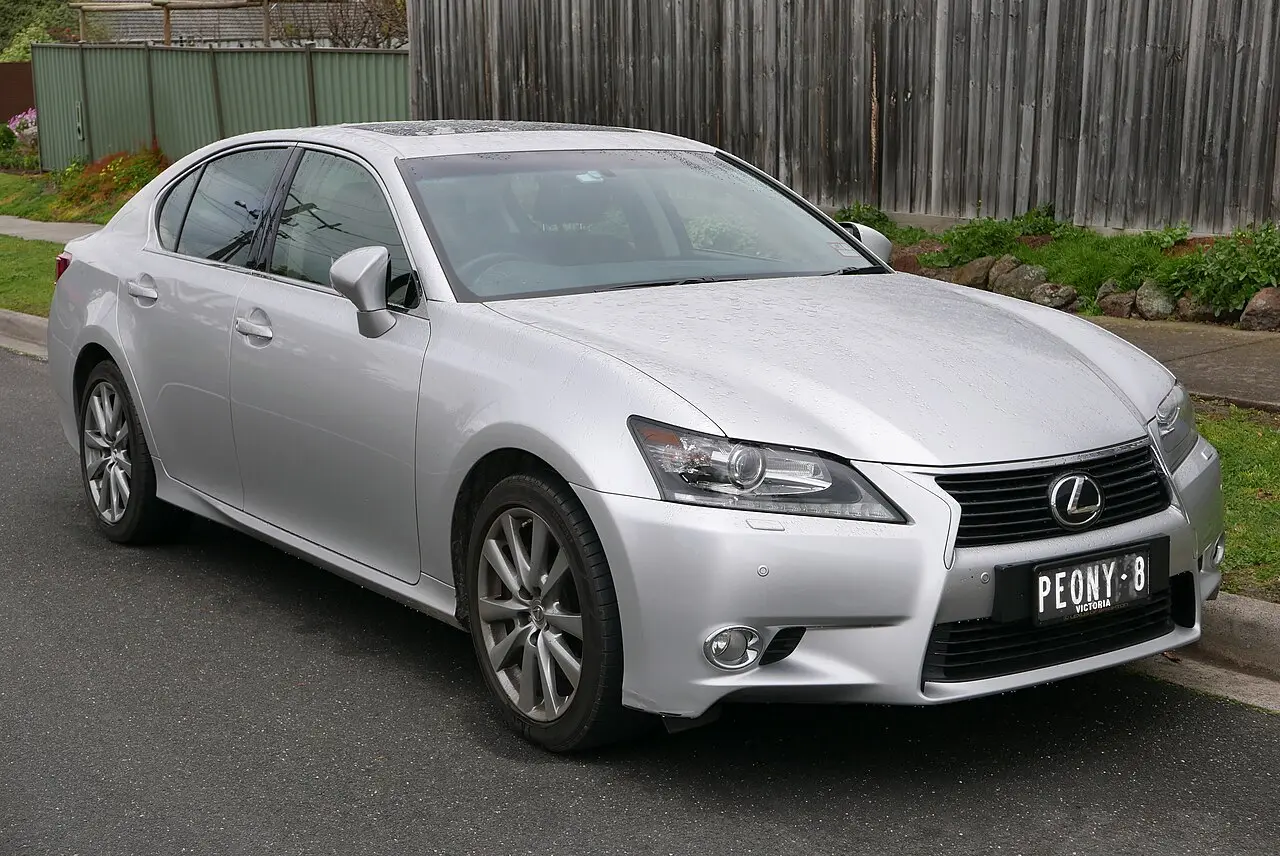
The fourth-generation GS arrived in 2012 with the spindle grille, a design feature that became a recognisable part of the Lexus look. Its interior put more emphasis on the driver, while the range included both petrol and hybrid versions.
Lexus GS generations
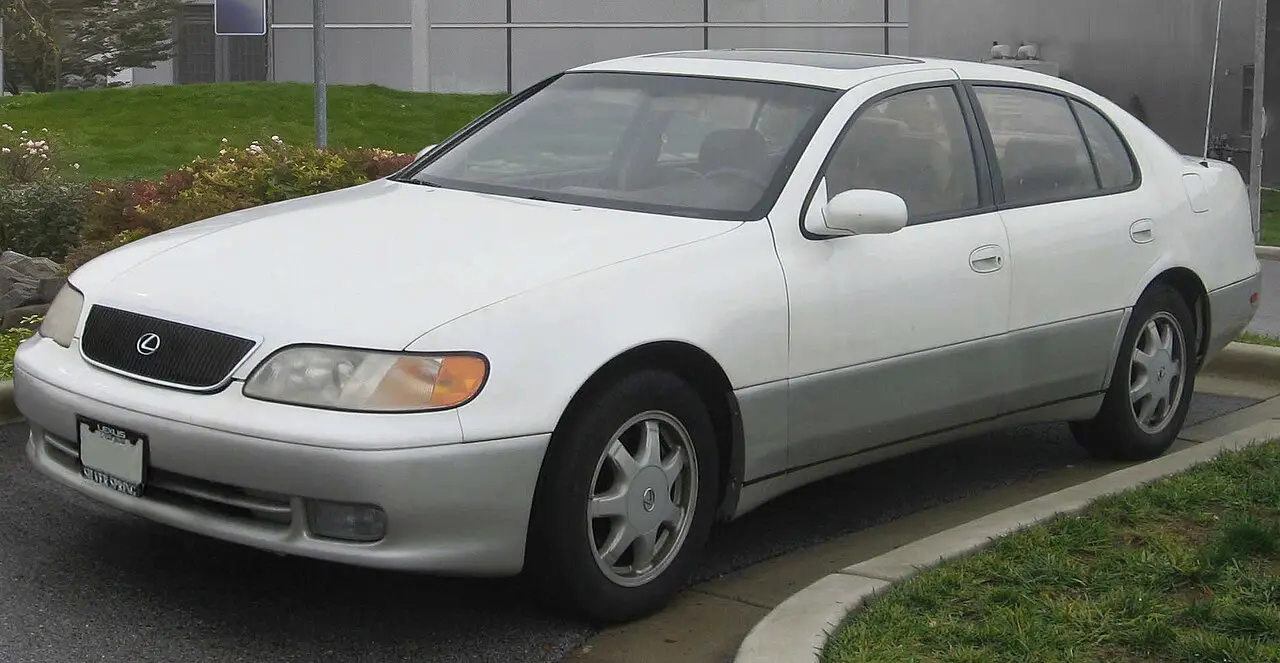
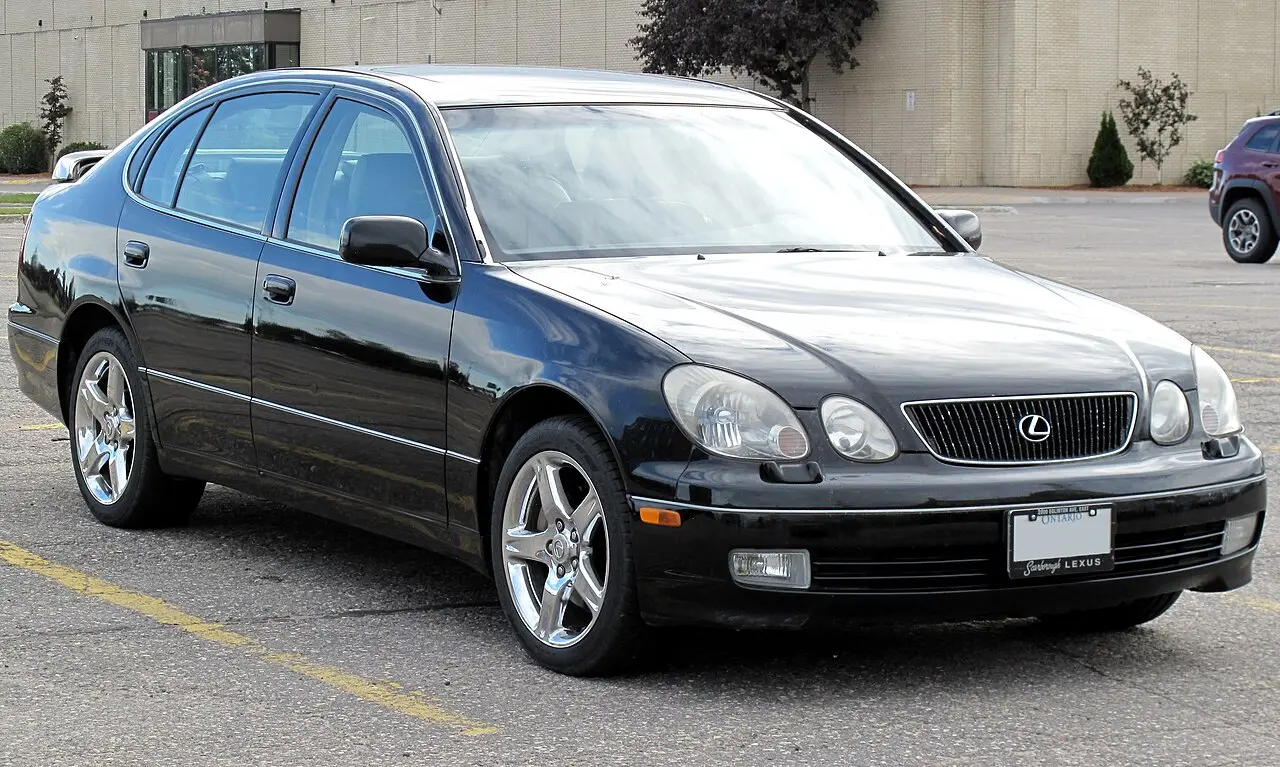
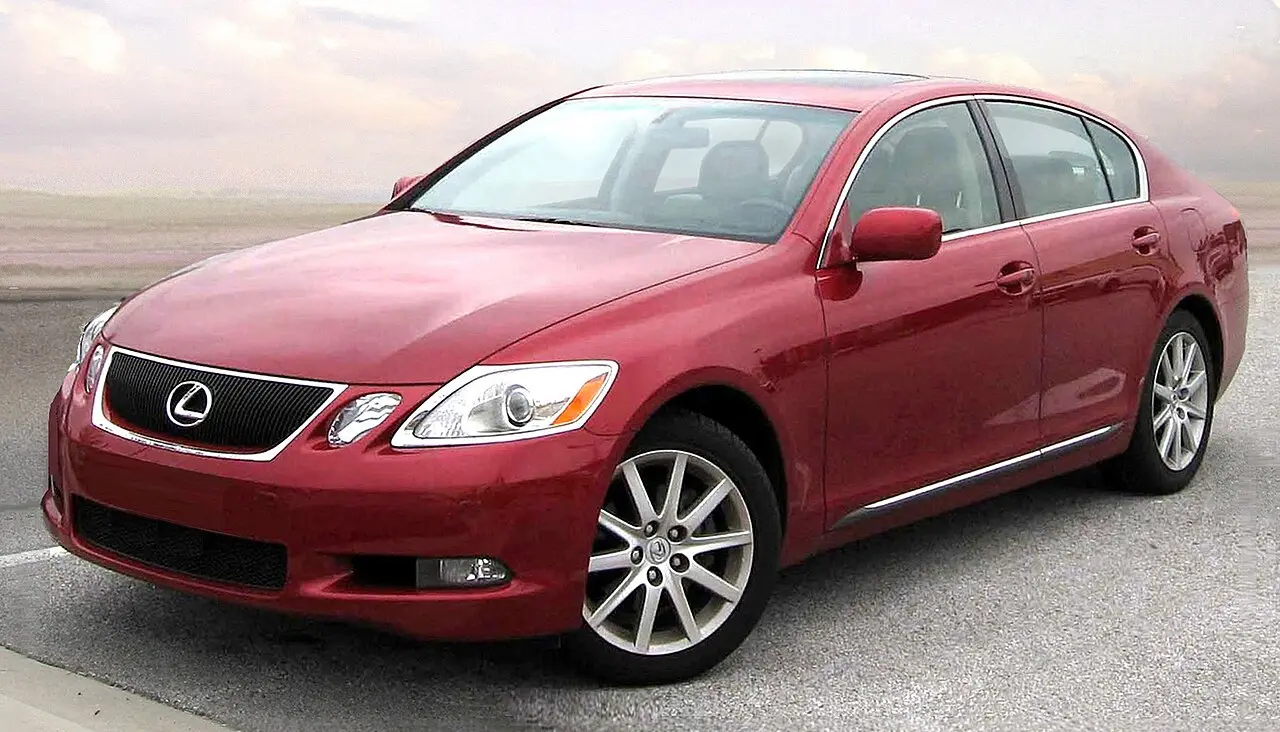
The first generation ran from 1993 to 1997, followed by the second from 1998 to 2005 and the third from 2005 to 2012. The fourth generation ran from 2012 to 2020, bringing the spindle grille and a choice of petrol and hybrid power.
Engines, power and fuel consumption
In the EU and USA, the GS range covered engines from 2.0 L to 5.0 L. EU power figures ran from 133 kW (181 PS) to 351 kW (477 PS). The EU’s most registered versions included a 3.5 L petrol with 215 kW (292 PS) and 2.5 L petrol models with 133 kW (181 PS). The range included conventional petrol and hybrid powertrains.
The lowest listed consumption figures are 4.6 L/100 km in the UK and 4.7 L/100 km in France, both on the NEDC test. The USA figure is 7.6 L/100 km under EPA testing, and Canada’s is 7.5 L/100 km under NRCan’s 5-cycle procedure. These results are not directly comparable because the test procedures differ.
Where was the Lexus GS sold?
The GS was recorded in the EU, UK, France, USA and Canada. The recorded years vary by market: 1993–2020 in the USA, 1995–2020 in Canada and 2002–2018 in the UK. EU registrations cover 2010–2019, while the French figures cover 2012–2015.
Questions and answers
Was the Lexus GS available as a hybrid?
Yes. Hybrid versions were offered alongside petrol models, including in the UK and France.
What is the lowest official GS consumption figure?
The lowest listed figure is 4.6 L/100 km in UK VCA figures, measured on the NEDC test.
New cars registered in the EU (plus Norway and Iceland), from the European Environment Agency. Figures on the NEDC procedure until 2020 and on WLTP from 2021; versions are grouped by engine and power, with their number of registrations.
Years and version
Engine
Power
Fuel
CO₂
EU registrations
2019
2.0 L
180 kW (245 PS)
Petrol
183 g/km
184
2019
2.5 L
133 kW (181 PS)
Hybrid
111 g/km
32
2019
2.5 L
133 kW (181 PS)
Petrol
105 g/km
32
2018
2.5 L
133 kW (181 PS)
Petrol
111 g/km
1,402
2018
2.0 L
180 kW (245 PS)
Petrol
183 g/km
412
2018
3.5 L
215 kW (292 PS)
Petrol
143 g/km
405
2018
5.0 L
351 kW (477 PS)
Petrol
260 g/km
32
2017
2.5 L
133 kW (181 PS)
Petrol
111 g/km
1,917
2017
3.5 L
215 kW (292 PS)
Petrol
143 g/km
502
2017
2.0 L
270 kW (367 PS)
Petrol
184 g/km
370
2017
2.5 L
200 kW (272 PS)
Petrol
110 g/km
80
2017
3.5 L
323 kW (439 PS)
Petrol
143 g/km
52
2017
5.0 L
351 kW (477 PS)
Petrol
260 g/km
52
2017
5.0 L
527 kW (717 PS)
Petrol
260 g/km
18
2017
2.0 L
180 kW (245 PS)
Petrol
185 g/km
10
2016
2.5 L
133 kW (181 PS)
Petrol
112 g/km
2,458
2016
3.5 L
215 kW (292 PS)
Petrol
142 g/km
592
2016
2.0 L
180 kW (245 PS)
Petrol
185 g/km
350
2016
5.0 L
351 kW (477 PS)
Petrol
260 g/km
192
2016
2.5 L
133 kW (181 PS)
Other fuel
110 g/km
130
2016
3.5 L
215 kW (292 PS)
Other fuel
144 g/km
86
2016
2.5 L
48 kW (65 PS)
Hybrid
–
23
2016
2.5 L
48 kW (65 PS)
Petrol
111 g/km
19
2015
2.5 L
133 kW (181 PS)
Petrol
111 g/km
2,052
2015
3.5 L
215 kW (292 PS)
Petrol
141 g/km
535
2015
2.0 L
180 kW (245 PS)
Petrol
183 g/km
14
2014
2.5 L
133 kW (181 PS)
Petrol
111 g/km
1,786
2014
3.5 L
215 kW (292 PS)
Petrol
142 g/km
846
2014
2.5 L
–
Petrol
113 g/km
812
2014
2.5 L
133 kW (181 PS)
Hybrid
112 g/km
166
2014
2.5 L
154 kW (209 PS)
Petrol
209 g/km
62
2014
3.5 L
215 kW (292 PS)
Hybrid
141 g/km
48
2014
3.5 L
233 kW (317 PS)
Petrol
237 g/km
38
2014
2.5 L
154 kW (209 PS)
Hybrid
208 g/km
22
2014
3.5 L
215 kW (292 PS)
Other fuel
143 g/km
16
2014
3.5 L
233 kW (317 PS)
Hybrid
237 g/km
14
2014
3.5 L
183 kW (249 PS)
Petrol
145 g/km
12
2013
3.5 L
215 kW (292 PS)
Petrol
142 g/km
1,560
2013
2.5 L
154 kW (209 PS)
Petrol
209 g/km
1,210
2013
2.5 L
133 kW (181 PS)
Petrol
112 g/km
158
2013
2.5 L
–
Petrol
113 g/km
142
2013
3.5 L
233 kW (317 PS)
Petrol
214 g/km
132
2013
3.5 L
215 kW (292 PS)
Other fuel
140 g/km
64
2013
–
–
Petrol
148 g/km
30
2013
2.5 L
133 kW (181 PS)
Other fuel
112 g/km
30
2013
2.5 L
–
Other fuel
208 g/km
14
2012
3.5 L
215 kW (292 PS)
Petrol
142 g/km
2,465
2012
2.5 L
154 kW (209 PS)
Petrol
209 g/km
1,084
2012
3.5 L
233 kW (317 PS)
Petrol
204 g/km
94
2012
–
–
Petrol
157 g/km
74
2012
3.5 L
215 kW (292 PS)
Electric
139 g/km
56
2012
3.5 L
215 kW (292 PS)
Hybrid
143 g/km
36
2012
3.5 L
218 kW (296 PS)
Petrol
180 g/km
19
United Kingdom 21 versions
New cars on sale in the UK, from the Vehicle Certification Agency. NEDC figures until 2018 and WLTP figures after; years are the editions a version appeared in.
Years and version
Engine
Fuel
Gearbox
Consumption (combined)
CO₂
2015–2018GS300h F Sport · F Sport · GS 300h Premier 19" wheels
2.5 L
Hybrid
Continuously variable (CVT)
5.0 L/100 km NEDC
115 g/km
2015–2018GS300h Luxury · GS300h Premier · GS 300h Premier 18" wheels and 1 more trim
2.5 L
Hybrid
Continuously variable (CVT)
4.9 L/100 km NEDC
113 g/km
2016–2018Executive Edition
2.5 L
Hybrid
Continuously variable (CVT)
4.6 L/100 km NEDC
104 g/km
2015–2018GS450h Luxury · GS450h Premier · Premier 18'' wheels
3.5 L
Hybrid
Continuously variable (CVT)
6.1 L/100 km NEDC
141 g/km
2015–2018GS450h F Sport · F Sport · Premier 19'' wheels
3.5 L
Hybrid
Continuously variable (CVT)
6.2 L/100 km NEDC
145 g/km
2016–2018GS F
5.0 L
Petrol
6-speed automatic
11.2 L/100 km NEDC
260 g/km
2015GS300h SE
2.5 L
Hybrid
Continuously variable (CVT)
4.7 L/100 km NEDC
109 g/km
2015GS250 SE
2.5 L
Petrol
6-speed automatic
8.9 L/100 km NEDC
207 g/km
2015GS250 F Sport
2.5 L
Petrol
6-speed automatic
9.1 L/100 km NEDC
211 g/km
2015GS250 Luxury
2.5 L
Petrol
6-speed automatic
9.0 L/100 km NEDC
209 g/km
2014GS300h SE
2.5 L
Hybrid
Automatic
4.7 L/100 km NEDC
109 g/km
2014GS300 Premier · GS300h Luxury
2.5 L
Hybrid
Automatic
4.9 L/100 km NEDC
113 g/km
2014GS300h F Sport
2.5 L
Hybrid
Automatic
5.0 L/100 km NEDC
115 g/km
2013–2014GS250 SE · GS250 F Sport
2.5 L
Petrol
Automatic
8.9 L/100 km NEDC
207 g/km
2014GS250 F Sport
2.5 L
Petrol
Automatic
9.1 L/100 km NEDC
207 g/km
2014GS250 Luxury
2.5 L
Petrol
Automatic
9.0 L/100 km NEDC
207 g/km
2013–2014GS450h F SPORT · GS450h F Sport
3.5 L
Hybrid
Automatic
6.2 L/100 km NEDC
145 g/km
2013–2014GS450h Luxury & Premier · GS450h Luxury · GS450h Premier
3.5 L
Hybrid
Automatic
6.1 L/100 km NEDC
141 g/km
2012GS250
2.5 L
Petrol
6-speed automatic
8.9 L/100 km NEDC
207 g/km
2012GS450h 18 inch wheels
3.5 L
Hybrid
Continuously variable (CVT)
6.1 L/100 km NEDC
141 g/km
2012GS450h 19 inch wheels
3.5 L
Hybrid
Continuously variable (CVT)
6.2 L/100 km NEDC
145 g/km
France 41 versions
New cars on sale in France, from ADEME Car Labelling. NEDC figures until 2015, WLTP figures in the current catalogue.
Years and version
Engine
Power
Fuel
Gearbox
Consumption (combined)
CO₂
2015GS 300h
–
133 kW (181 PS)
Hybrid
Continuously variable (CVT)
4.7 L/100 km NEDC
109 g/km
2015GS 300h
–
133 kW (181 PS)
Hybrid
Continuously variable (CVT)
4.9 L/100 km NEDC
113 g/km
2015GS 300h
–
133 kW (181 PS)
Hybrid
Continuously variable (CVT)
4.8 L/100 km NEDC
110 g/km
2015GS 300h
–
133 kW (181 PS)
Hybrid
Continuously variable (CVT)
4.9 L/100 km NEDC
113 g/km
2015GS 300h
–
133 kW (181 PS)
Hybrid
Continuously variable (CVT)
5.0 L/100 km NEDC
115 g/km
2015GS 250
–
154 kW (209 PS)
Petrol
6-speed automatic
8.9 L/100 km NEDC
207 g/km
2013–2015GS 250
–
154 kW (209 PS)
Petrol
6-speed automatic
9.0 L/100 km NEDC
209 g/km
2015GS 250
–
154 kW (209 PS)
Petrol
6-speed automatic
9.1 L/100 km NEDC
211 g/km
2015GS 450h
–
215 kW (292 PS)
Hybrid
Continuously variable (CVT)
5.9 L/100 km NEDC
137 g/km
2015GS 450h
–
215 kW (292 PS)
Hybrid
Continuously variable (CVT)
6.0 L/100 km NEDC
139 g/km
2015GS 450h
–
215 kW (292 PS)
Hybrid
Continuously variable (CVT)
6.1 L/100 km NEDC
141 g/km
2015GS 450h
–
215 kW (292 PS)
Hybrid
Continuously variable (CVT)
6.2 L/100 km NEDC
145 g/km
2015GS 450h
–
215 kW (292 PS)
Hybrid
Continuously variable (CVT)
6.2 L/100 km NEDC
145 g/km
2015GS 450h
–
218 kW (296 PS)
Hybrid
Continuously variable (CVT)
7.7 L/100 km NEDC
180 g/km
2015GS 450h
–
218 kW (296 PS)
Hybrid
Continuously variable (CVT)
7.7 L/100 km NEDC
179 g/km
2014GS 300h
–
133 kW (181 PS)
Hybrid
Continuously variable (CVT)
4.7 L/100 km NEDC
109 g/km
2014GS 300h
–
133 kW (181 PS)
Hybrid
Continuously variable (CVT)
4.8 L/100 km NEDC
110 g/km
2014GS 300h
–
133 kW (181 PS)
Hybrid
Continuously variable (CVT)
4.9 L/100 km NEDC
113 g/km
2014GS 300h
–
133 kW (181 PS)
Hybrid
Continuously variable (CVT)
5.0 L/100 km NEDC
115 g/km
2014GS 250
–
154 kW (209 PS)
Petrol
6-speed automatic
8.9 L/100 km NEDC
207 g/km
2014GS 250
–
154 kW (209 PS)
Petrol
6-speed automatic
9.1 L/100 km NEDC
211 g/km
2014GS 450h
–
215 kW (292 PS)
Hybrid
Continuously variable (CVT)
6.0 L/100 km NEDC
139 g/km
2014GS 450h
–
215 kW (292 PS)
Hybrid
Continuously variable (CVT)
6.2 L/100 km NEDC
145 g/km
2014GS 450h
–
215 kW (292 PS)
Hybrid
Continuously variable (CVT)
6.1 L/100 km NEDC
141 g/km
2014GS 450h
–
215 kW (292 PS)
Hybrid
Continuously variable (CVT)
5.9 L/100 km NEDC
137 g/km
2014GS 450h
–
218 kW (296 PS)
Hybrid
Continuously variable (CVT)
7.7 L/100 km NEDC
180 g/km
2014GS 450h
–
218 kW (296 PS)
Hybrid
Continuously variable (CVT)
7.7 L/100 km NEDC
179 g/km
2013GS 250
–
154 kW (209 PS)
Petrol
6-speed automatic
8.9 L/100 km NEDC
207 g/km
2013GS 250
–
154 kW (209 PS)
Petrol
6-speed automatic
9.1 L/100 km NEDC
211 g/km
2013GS 450h
–
215 kW (292 PS)
Hybrid
Continuously variable (CVT)
5.9 L/100 km NEDC
137 g/km
2013GS 450h
–
215 kW (292 PS)
Hybrid
Continuously variable (CVT)
6.0 L/100 km NEDC
139 g/km
2013GS 450h
–
215 kW (292 PS)
Hybrid
Continuously variable (CVT)
6.1 L/100 km NEDC
141 g/km
2013GS 450h
–
215 kW (292 PS)
Hybrid
Continuously variable (CVT)
6.2 L/100 km NEDC
145 g/km
2013GS 450h
–
218 kW (296 PS)
Hybrid
Continuously variable (CVT)
7.7 L/100 km NEDC
180 g/km
2013GS 450h
–
218 kW (296 PS)
Hybrid
Continuously variable (CVT)
7.7 L/100 km NEDC
179 g/km
2012GS 450h
–
215 kW (292 PS)
Petrol
Continuously variable (CVT)
5.9 L/100 km NEDC
137 g/km
2012GS 450h
–
215 kW (292 PS)
Petrol
Continuously variable (CVT)
6.0 L/100 km NEDC
139 g/km
2012GS 450h
–
215 kW (292 PS)
Petrol
Continuously variable (CVT)
6.1 L/100 km NEDC
141 g/km
2012GS 450h
–
215 kW (292 PS)
Petrol
Continuously variable (CVT)
6.2 L/100 km NEDC
145 g/km
2012GS 450h
–
218 kW (296 PS)
Petrol
Continuously variable (CVT)
7.7 L/100 km NEDC
180 g/km
2012GS 450h
–
218 kW (296 PS)
Petrol
Continuously variable (CVT)
7.7 L/100 km NEDC
179 g/km
United States 16 versions
Model years sold in the USA, from the EPA and the Department of Energy (fueleconomy.gov). MPG on the EPA test; litres per 100 km = 235.215 ÷ MPG.
Years and version
Engine
Fuel
Gearbox
Drive
Consumption (combined)
CO₂
2016–2020SIDI & PFI
3.5 L
Petrol
8-speed automatic
Rear-wheel drive
23 MPG (10.2 L/100 km) EPA
241 g/km
2016–2020SIDI & PFI
3.5 L
Petrol
8-speed automatic
Rear-wheel drive
22 MPG (10.7 L/100 km) EPA
252 g/km
2020SIDI & PFI
3.5 L
Petrol
6-speed automatic
All-wheel drive
21 MPG (11.2 L/100 km) EPA
262 g/km
2016–2020SIDI & PFI
5.0 L
Petrol
8-speed automatic
Rear-wheel drive
19 MPG (12.4 L/100 km) EPA
293 g/km
2016–2019SIDI & PFI
2.0 L
Petrol
8-speed automatic
Rear-wheel drive
24 MPG (9.8 L/100 km) EPA
229 g/km
2019SIDI & PFI
2.0 L
Petrol
8-speed automatic
Rear-wheel drive
26 MPG (9.0 L/100 km) EPA
216 g/km
2019SIDI & PFI
3.5 L
Petrol
6-speed automatic
All-wheel drive
21 MPG (11.2 L/100 km) EPA
256 g/km
2016–2018SIDI & PFI
2.0 L
Petrol
8-speed automatic
Rear-wheel drive
26 MPG (9.0 L/100 km) EPA
214 g/km
2013–2018SIDI & PFI
3.5 L
Hybrid
Continuously variable (CVT)
Rear-wheel drive
31 MPG (7.6 L/100 km) EPA
176 g/km
2018SIDI & PFI
3.5 L
Petrol
6-speed automatic
All-wheel drive
22 MPG (10.7 L/100 km) EPA
253 g/km
2017SIDI & PFI
3.5 L
Petrol
6-speed automatic
All-wheel drive
22 MPG (10.7 L/100 km) EPA
255 g/km
2016SIDI & PFI
3.5 L
Petrol
6-speed automatic
All-wheel drive
22 MPG (10.7 L/100 km) EPA
254 g/km
2014–2015SIDI & PFI
3.5 L
Petrol
6-speed automatic
All-wheel drive
21 MPG (11.2 L/100 km) EPA
257 g/km
2014–2015SIDI & PFI
3.5 L
Petrol
8-speed automatic
Rear-wheel drive
23 MPG (10.2 L/100 km) EPA
244 g/km
2013
3.5 L
Petrol
6-speed automatic
Rear-wheel drive
23 MPG (10.2 L/100 km) EPA
244 g/km
2013
3.5 L
Petrol
6-speed automatic
All-wheel drive
21 MPG (11.2 L/100 km) EPA
256 g/km
Canada 20 versions
Model years sold in Canada, from Natural Resources Canada fuel consumption ratings (5-cycle test).
Years and version
Engine
Fuel
Gearbox
Consumption (combined)
CO₂
2019–2020Mid-size
3.5 L
Petrol
6-speed automatic
10.9 L/100 km 5-cycle
254 g/km
2016–2020Compact
5.0 L
Petrol
8-speed automatic
12.5 L/100 km 5-cycle
293 g/km
2017–2018Mid-size
3.5 L
Petrol
Continuously variable (CVT)
7.5 L/100 km 5-cycle
176 g/km
2018Mid-size
3.5 L
Petrol
6-speed automatic
11.0 L/100 km 5-cycle
257 g/km
2017Mid-size
3.5 L
Petrol
6-speed automatic
11.0 L/100 km 5-cycle
257 g/km
2016Mid-size
2.0 L
Petrol
8-speed automatic
9.0 L/100 km 5-cycle
212 g/km
2016Mid-size
2.0 L
Petrol
8-speed automatic
9.7 L/100 km 5-cycle
227 g/km
2016Mid-size
3.5 L
Petrol
8-speed automatic
10.2 L/100 km 5-cycle
237 g/km
2016Mid-size
3.5 L
Petrol
6-speed automatic
10.9 L/100 km 5-cycle
254 g/km
2016Mid-size
3.5 L
Petrol
8-speed automatic
10.7 L/100 km 5-cycle
251 g/km
2016Mid-size
3.5 L
Petrol
Continuously variable (CVT)
7.6 L/100 km 5-cycle
177 g/km
2015Mid-size
3.5 L
Petrol
8-speed automatic
10.6 L/100 km 5-cycle
244 g/km
2015Mid-size
3.5 L
Petrol
6-speed automatic
11.0 L/100 km 5-cycle
253 g/km
2015Mid-size
3.5 L
Petrol
Continuously variable (CVT)
7.5 L/100 km 5-cycle
172 g/km
2014Mid-size
3.5 L
Petrol
8-speed automatic
10.4 L/100 km 5-cycle
239 g/km
2014Mid-size
3.5 L
Petrol
6-speed automatic
11.0 L/100 km 5-cycle
253 g/km
2014Mid-size
3.5 L
Petrol
Continuously variable (CVT)
7.6 L/100 km 5-cycle
175 g/km
2013Mid-size
3.5 L
Petrol
6-speed automatic
10.5 L/100 km 5-cycle
242 g/km
2013Mid-size
3.5 L
Petrol
6-speed automatic
11.0 L/100 km 5-cycle
253 g/km
2013Mid-size
3.5 L
Petrol
6-speed automatic
7.6 L/100 km 5-cycle
175 g/km
Official figures are measured on standard test procedures and differ between markets. Your consumption depends on how, where and in what conditions you drive.