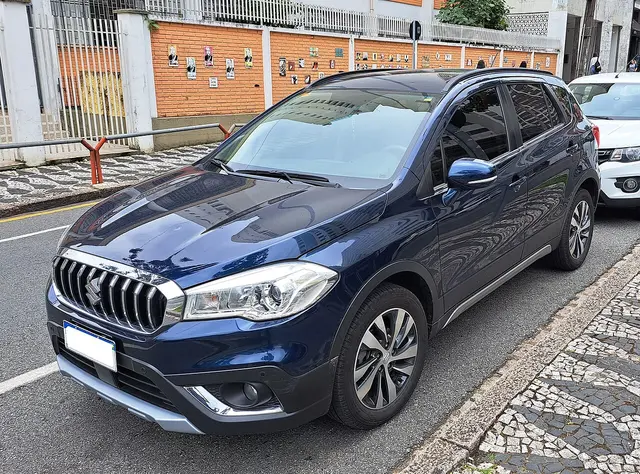
The official data lists 336 versions of the Kia Ceed (2007 - 2026), in the European Union, the United Kingdom, and France. Each market publishes its own figures, measured on its own test procedure.
At a glance
Years in the data
2007 - 2026
Markets
European Union, United Kingdom, France
Engines
1.0 L to 2.0 L
Power
66 kW (90 PS) to 150 kW (204 PS)
Fuels
Petrol, Plug-in hybrid, Hybrid, Diesel, LPG
Lowest consumption (United Kingdom)
3.6 L/100 km (NEDC)
Lowest consumption (France)
3.7 L/100 km (NEDC)
Lowest consumption (European Union)
4.6 L/100 km (WLTP)
Plug-in hybrid, weighted (European Union)
1.3 L/100 km (WLTP)
Plug-in hybrid, weighted (United Kingdom)
1.5 L/100 km (WLTP)
New registrations in the EU
1,924,859
What is the Kia Ceed?
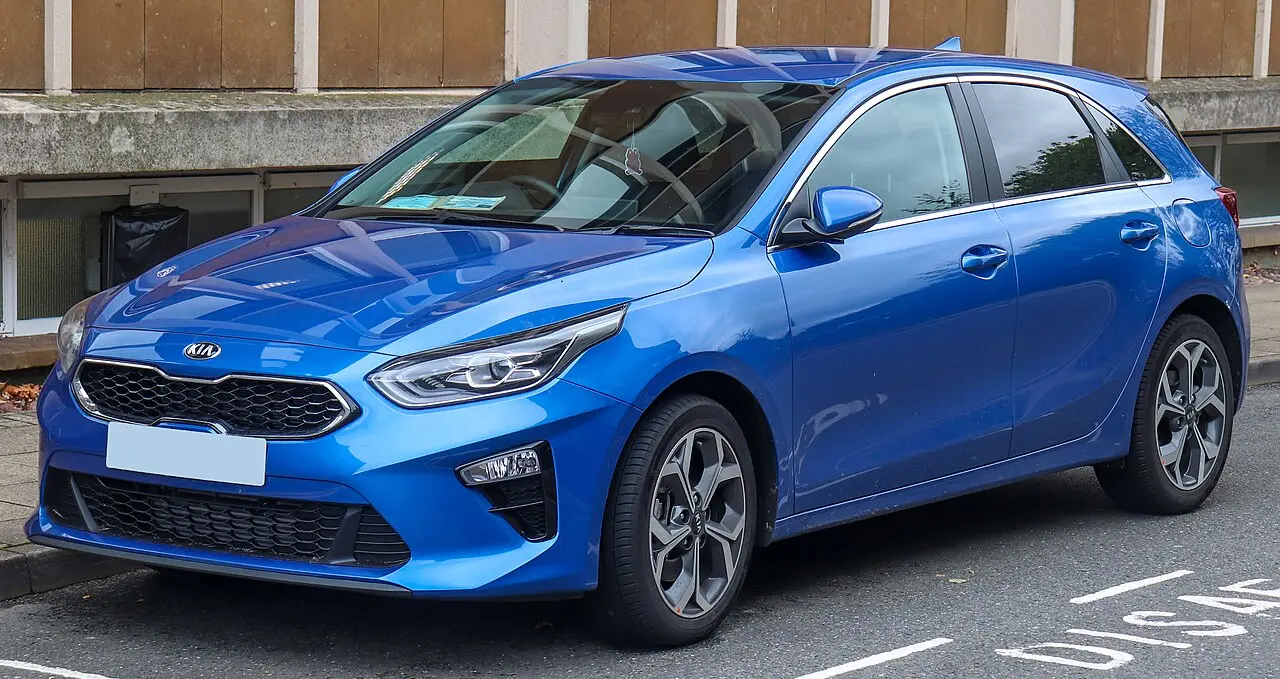
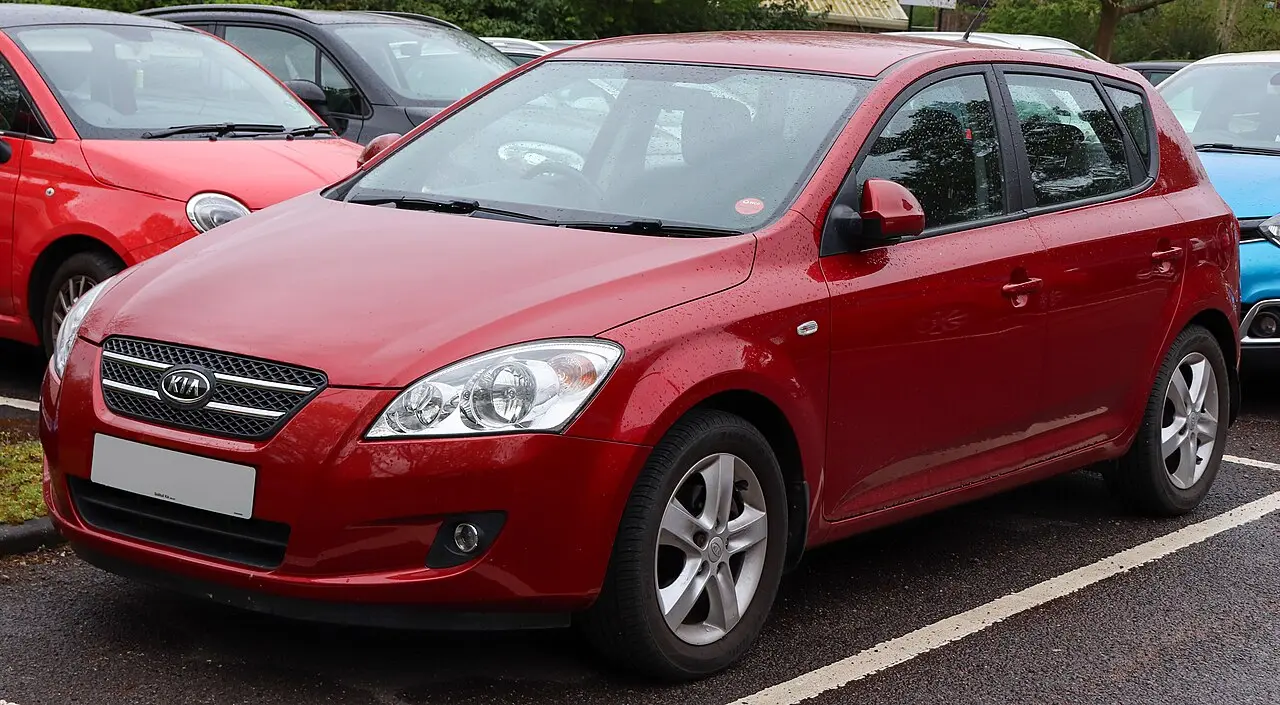
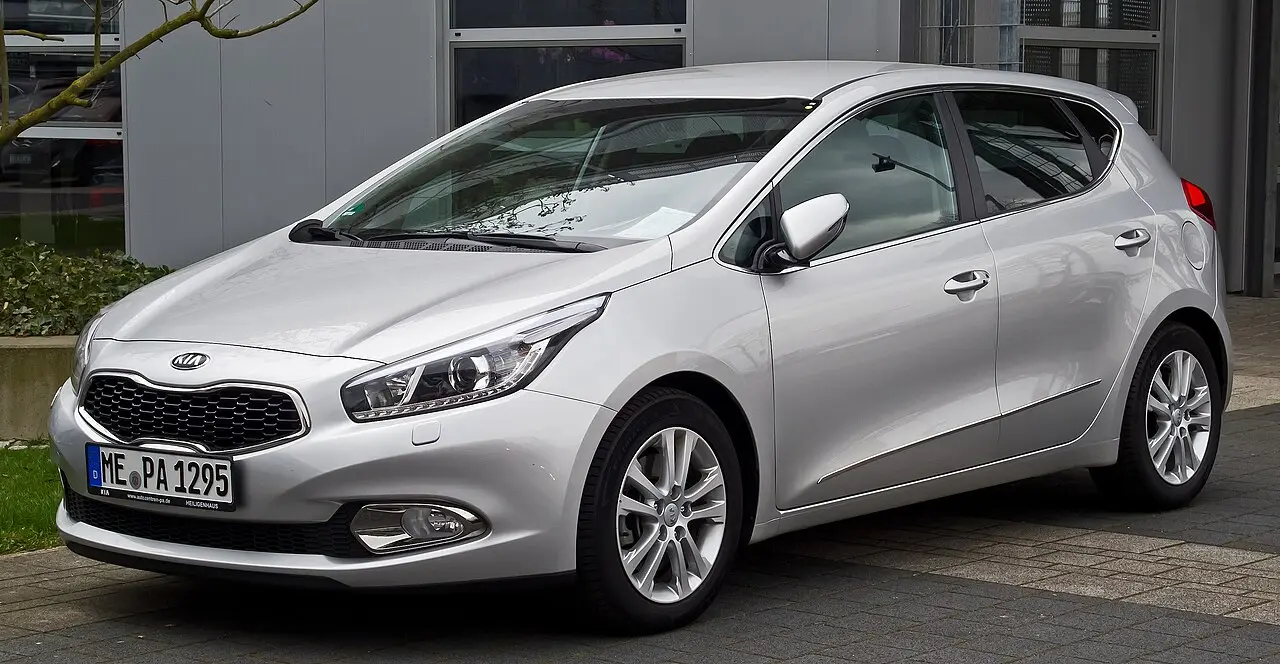
The Ceed is Kia’s European compact family car, a hatchback in the C-segment. Kia developed it for European customers, with design and engineering by its European teams. Its first generation was the first Kia model designed and produced in Europe, and production began in Slovakia. The third generation brought updated technology, including lane-following assistance, and the name changed from cee’d to Ceed.
Ceed generations
The Ceed generations are the first (2007-2012), second (2012-2018) and third (since 2018). The model established Kia in Europe’s compact car segment. Later generations updated its design and technology, with lane-following assistance among the features introduced for the third generation.
Engines, power and fuel consumption
Across EU figures, engines range from 1.0 to 1.6 litres, with power from 66 kW (90 PS) to 150 kW (204 PS). Fuel options across the range include petrol, diesel, hybrid and plug-in hybrid. The lowest listed EU figure for petrol, diesel and hybrid versions is 4.6 L/100 km on WLTP. UK listings span 1.0 to 1.6 litres and 66 kW (90 PS) to 150 kW (204 PS), with a low of 3.6 L/100 km on NEDC for petrol, diesel and hybrid versions. France lists 3.7 L/100 km on NEDC for those fuel types. WLTP and NEDC are different European test procedures, so figures from each are best read in their own context.
Where has the Ceed been sold?
The Ceed has been sold in the EU, the UK and France. EU registration figures cover 2010 onward and total 1,924,859. UK figures span 2007-2024, while French figures span 2012-2026. The leading listed EU registration entry is the 1.4-litre petrol version rated at 103 kW (140 PS), recorded for 2019-2020.
Questions and answers
What type of car is the Kia Ceed?
It is a compact family car in Europe’s C-segment.
When were the Ceed generations sold?
The generations are 2007-2012, 2012-2018 and since 2018.
What is the Ceed’s lowest listed EU fuel consumption?
The lowest listed figure for petrol, diesel and hybrid versions is 4.6 L/100 km on WLTP.
Where has the Ceed been sold?
The Ceed has been sold in the EU, the UK and France.
Model codes: ED · Sold in: European Union, United Kingdom, and France · References: autoweek.nl, kia.com
At a glance: Length 4,240 - 4,490 mm · Kerb weight 1,157 - 1,241 kg · Top speed 180 - 192 km/h · MOT first-time pass at 13 years and older: 63.9% (UK average 69.2%) Specifications, reliability and all versions
Model codes: JD · Sold in: European Union, United Kingdom, and France · References: autoweek.nl, kia.com
At a glance: Length 4,310 - 4,510 mm · Kerb weight 1,159 - 1,282 kg · Top speed 182 - 230 km/h · MOT first-time pass at 6 - 8 years: 85.8% (UK average 86.4%) Specifications, reliability and all versions
At a glance: Length 4,310 - 4,610 mm · Kerb weight 1,198 - 1,508 kg · Top speed 171 - 210 km/h · MOT first-time pass at 4 - 5 years: 90.5% (UK average 91.0%) Specifications, reliability and all versions
Show all 143 versions
European Union 44 versions
New cars registered in the EU (plus Norway and Iceland), from the European Environment Agency. Figures on the NEDC procedure until 2020 and on WLTP from 2021; versions are grouped by engine and power, with their number of registrations.
Years and version
Engine
Power
Fuel
Consumption (combined)
CO₂
Electric range
EU registrations
2021 - 2025
1.5 L
118 kW (160 PS)
Petrol
5.8 - 5.9 L/100 km WLTP
131 - 134 g/km
-
71,228
2021 - 2025
1.6 L
77 kW (105 PS) (engine only)
Plug-in hybrid
1.3 - 1.4 L/100 km WLTP10.8 - 11.9 kWh/100 km WLTP
30 - 31 g/km
49 - 58 km
57,287
2024 - 2025
1.5 L
103 kW (140 PS)
Petrol
5.9 L/100 km WLTP
134 g/km
-
49,221
2021 - 2025
1.0 L
88 kW (120 PS)
Petrol
5.5 - 5.8 L/100 km WLTP
124 - 130 g/km
-
39,499
2021 - 2025
1.0 L
74 kW (101 PS)
Petrol
5.5 - 6.0 L/100 km WLTP
124 - 126 g/km
-
32,678
2021 - 2025
1.6 L
100 kW (136 PS)
Hybrid
4.6 - 4.7 L/100 km WLTP
119 - 122 g/km
-
28,106
2021 - 2025
1.0 L
73 kW (99 PS)
Petrol
5.4 - 6.1 L/100 km WLTP
123 - 125 g/km
-
16,964
2024 - 2025
1.5 L
103 kW (140 PS)
Hybrid
5.7 L/100 km WLTP
129 - 130 g/km
-
5,219
2021 - 2025
1.0 L
88 kW (120 PS)
Hybrid
5.5 - 5.8 L/100 km WLTP
124 - 127 g/km
-
4,747
2024 - 2025
1.0 L
74 kW (101 PS)
Hybrid
5.6 - 5.7 L/100 km WLTP
126 g/km
-
3,453
2025
1.0 L
73 kW (99 PS)
Hybrid
5.6 L/100 km WLTP
125 g/km
-
983
2025
1.6 L
100 kW (136 PS)
Hybrid
4.4 L/100 km WLTP
116 g/km
-
13
2021 - 2024
1.6 L
150 kW (204 PS)
Petrol
6.8 L/100 km WLTP
154 g/km
-
7,114
2021 - 2024
1.5 L
118 kW (160 PS)
Hybrid
5.7 - 5.8 L/100 km WLTP
129 - 130 g/km
-
3,250
2021 - 2022
1.5 L
117 kW (159 PS)
Petrol
5.9 L/100 km WLTP
133 - 134 g/km
-
16,696
2021 - 2022
1.6 L
100 kW (136 PS)
Diesel
4.6 L/100 km WLTP
121 - 125 g/km
-
3,416
2022
1.5 L
117 kW (159 PS)
Hybrid
5.9 L/100 km WLTP
130 g/km
-
413
2022
1.6 L
77 kW (105 PS)
Hybrid
-
113 g/km
-
205
2022
1.0 L
74 kW (101 PS)
LPG
5.5 L/100 km WLTP
119 g/km
-
100
2021
1.4 L
103 kW (140 PS)
Petrol
6.0 L/100 km WLTP
140 g/km
-
8,630
2021
1.6 L
85 kW (116 PS)
Diesel
-
122 g/km
-
1,845
2021
1.5 L
117 kW (159 PS)
Hybrid
-
130 g/km
-
1,282
2021
1.6 L
77 kW (105 PS)
Hybrid
1.5 L/100 km WLTP12.0 kWh/100 km WLTP
37 g/km
48 km
463
2021
1.4 L
73 kW (99 PS)
Petrol
6.7 L/100 km WLTP
147 g/km
-
146
2021
1.4 L
73 kW (99 PS)
LPG
6.5 L/100 km WLTP
147 g/km
-
138
2021
1.0 L
74 kW (101 PS)
LPG
-
119 g/km
-
86
2021
1.6 L
85 kW (116 PS)
Hybrid
4.6 L/100 km WLTP
125 g/km
-
75
2019 - 2020
1.4 L
103 kW (140 PS)
Petrol
-
130 g/km
-
94,895
2019 - 2020
1.0 L
88 kW (120 PS)
Petrol
-
121 g/km
-
50,264
2019 - 2020
1.4 L
73 kW (99 PS)
Petrol
-
143 - 144 g/km
-
41,229
2019 - 2020
1.6 L
85 kW (116 PS)
Diesel
-
105 g/km
-
31,048
2019 - 2020
1.6 L
100 kW (136 PS)
Diesel
-
110 g/km
-
18,264
2020
1.6 L
77 kW (105 PS) (engine only)
Plug-in hybrid
8.6 kWh/100 km NEDC
28 g/km
53 km
15,192
2019 - 2020
1.0 L
74 kW (101 PS)
Petrol
-
120 - 121 g/km
-
10,633
2019 - 2020
1.6 L
150 kW (204 PS)
Petrol
-
145 - 148 g/km
-
10,265
2019 - 2020
1.0 L
73 kW (99 PS)
Petrol
-
117 - 120 g/km
-
3,320
2019 - 2020
1.4 L
73 kW (99 PS)
LPG
-
137 g/km
-
1,478
2020
1.6 L
100 kW (136 PS)
Hybrid
-
101 g/km
-
1,120
2020
1.6 L
85 kW (116 PS)
Hybrid
-
98 g/km
-
220
2020
1.6 L
77 kW (105 PS)
Petrol
-
118 g/km
-
116
2019
1.6 L
99 kW (135 PS)
Petrol
-
138 g/km
-
238
2019
1.6 L
100 kW (136 PS)
Diesel
-
105 g/km
-
236
2019
1.6 L
81 kW (110 PS)
Diesel
-
104 g/km
-
156
2019
1.4 L
66 kW (90 PS)
Diesel
-
109 g/km
-
22
United Kingdom 91 versions
New cars on sale in the UK, from the Vehicle Certification Agency. NEDC figures until 2018 and WLTP figures after; years are the editions a version appeared in.
Years and version
Engine
Power
Fuel
Gearbox
Consumption (combined)
CO₂
Electric range
2021 - 2024''2' 1.0 T-GDi 118bhp 6-speed manual ISG · '2 Nav' 1.0 T-GDi 118bhp 6-speed manual ISG · '2' 1.0 T-GDi 118bhp 6-speed manual ISG and 1 more trim
New cars registered in the EU (plus Norway and Iceland), from the European Environment Agency. Figures on the NEDC procedure until 2020 and on WLTP from 2021; versions are grouped by engine and power, with their number of registrations.
Years and version
Engine
Power
Fuel
CO₂
EU registrations
2018 - 2019
1.4 L
74 kW (101 PS)
Petrol
137 g/km
15,082
2012 - 2018
1.6 L
99 kW (135 PS)
Petrol
136 - 137 g/km
35,010
2018
1.6 L
100 kW (136 PS)
Diesel
107 g/km
25,750
2018
1.4 L
73 kW (99 PS)
Petrol
140 g/km
20,094
2018
1.0 L
88 kW (120 PS)
Petrol
120 g/km
18,374
2018
1.4 L
103 kW (140 PS)
Petrol
130 g/km
17,792
2012 - 2018
1.4 L
66 kW (90 PS)
Diesel
109 - 114 g/km
11,371
2012 - 2018
1.6 L
81 kW (110 PS)
Diesel
104 - 110 g/km
7,930
2018
1.6 L
100 kW (136 PS)
Diesel
109 g/km
5,170
2018
1.6 L
85 kW (116 PS)
Diesel
104 g/km
2,912
2018
1.0 L
73 kW (99 PS)
Petrol
113 g/km
1,762
2018
1.6 L
150 kW (204 PS)
Petrol
169 g/km
1,100
2018
1.0 L
74 kW (101 PS)
Petrol
115 g/km
294
2018
1.4 L
103 kW (140 PS)
Petrol
135 g/km
30
2018
1.4 L
74 kW (101 PS)
LPG
138 g/km
10
2018
1.6 L
100 kW (136 PS)
Petrol
104 g/km
10
2012
1.6 L
94 kW (128 PS)
Diesel
126 g/km
49,651
2012
1.4 L
73 kW (99 PS)
Petrol
140 g/km
13,434
2012
1.6 L
85 kW (116 PS)
Diesel
128 g/km
8,417
2012
1.6 L
66 kW (90 PS)
Diesel
114 g/km
8,407
2012
1.4 L
66 kW (90 PS)
Petrol
137 g/km
7,049
2012
1.4 L
77 kW (105 PS)
Petrol
139 g/km
5,848
2012
1.6 L
92 kW (125 PS)
Petrol
149 g/km
5,725
2012
1.6 L
91 kW (124 PS)
Petrol
147 g/km
1,400
2012
-
Not listed
Petrol
142 g/km
1,308
2012
-
94 kW (128 PS)
Diesel
119 g/km
464
2012
1.6 L
85 kW (116 PS)
Petrol
144 g/km
196
2012
1.5 L
Not listed
Petrol
150 g/km
188
2012
1.6 L
Not listed
Petrol
130 g/km
120
2012
1.5 L
Not listed
Diesel
150 g/km
44
2012
1.4 L
73 kW (99 PS)
LPG
133 g/km
32
2012
1.4 L
66 kW (90 PS)
LPG
132 g/km
22
2012
1.5 L
Not listed
Petrol
150 g/km
18
2012
1.6 L
Not listed
Diesel
150 g/km
16
2012
1.6 L
92 kW (125 PS)
LPG
148 g/km
10
United Kingdom 25 versions
New cars on sale in the UK, from the Vehicle Certification Agency. NEDC figures until 2018 and WLTP figures after; years are the editions a version appeared in.
4 official safety recalls for the Kia Ceed from NHTSA (United States), DVSA (United Kingdom) and the EU Safety Gate, newest first. Recall repairs are normally free at the maker’s dealers.
Hydraulic clutch actuator circuit board may short2019 - 2023
Blocked pump filter may increase stopping distance2018 - 2020
Brake fluid may be contaminated2019 - 2020
Brake master cylinder may increase stopping distance2008 - 2009
Official figures are measured on standard test procedures and differ between markets. Your consumption depends on how, where and in what conditions you drive.