The official data lists 657 versions of the Peugeot 308 (2008–2026), in the European Union, the United Kingdom, and France. Each market publishes its own figures, measured on its own test procedure.
The Peugeot 308 is a compact family car in the brand’s 300 series. It has been offered as a hatchback and an estate, known as the SW. Its interior has featured Peugeot’s i-Cockpit layout, which places the instruments above a compact steering wheel.
Peugeot 308 generations
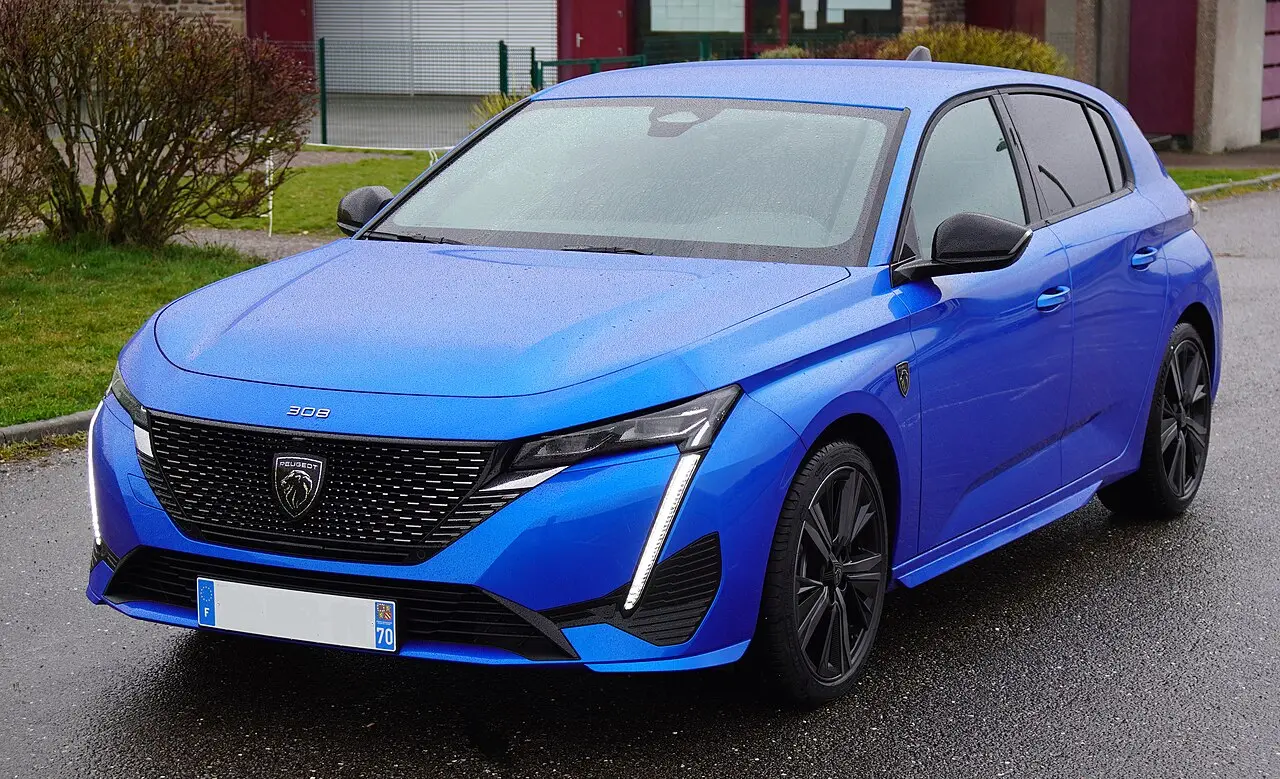
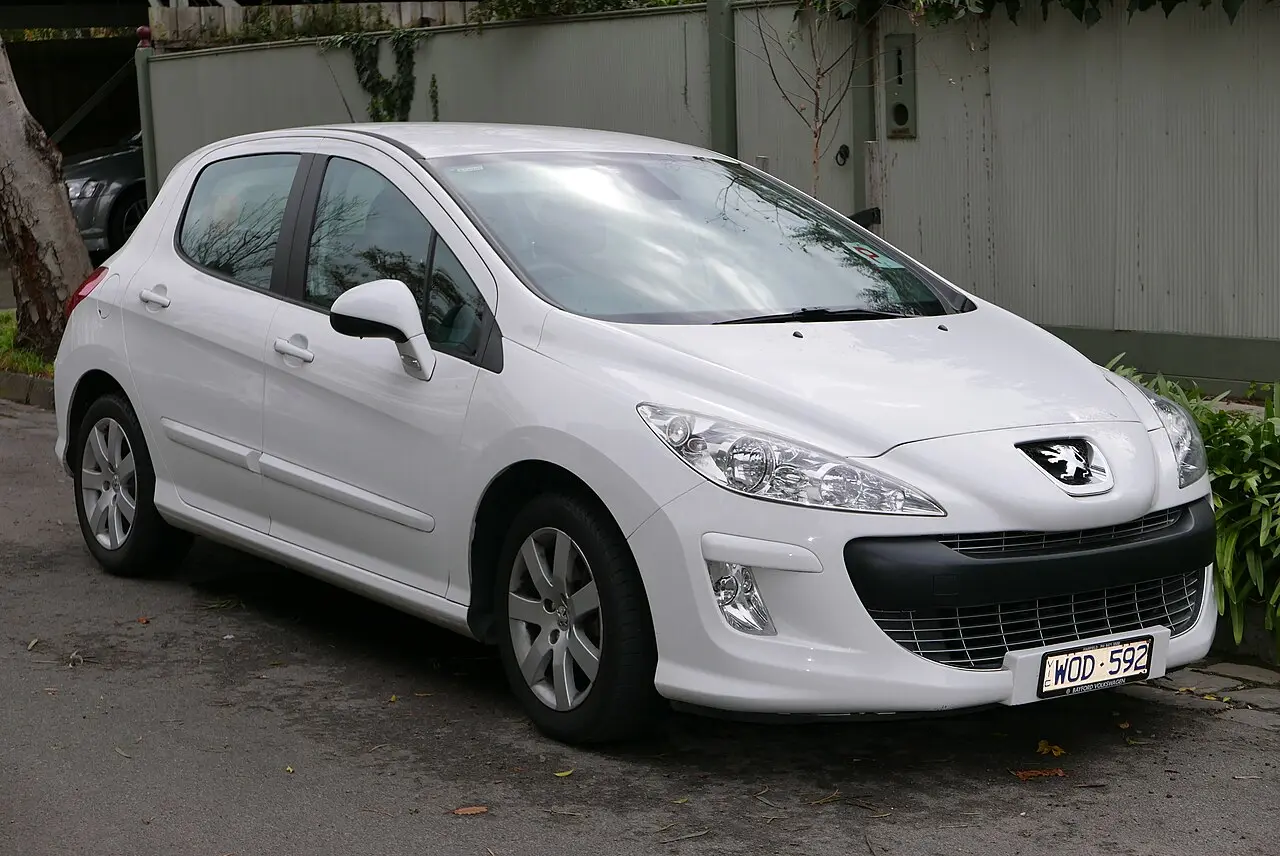
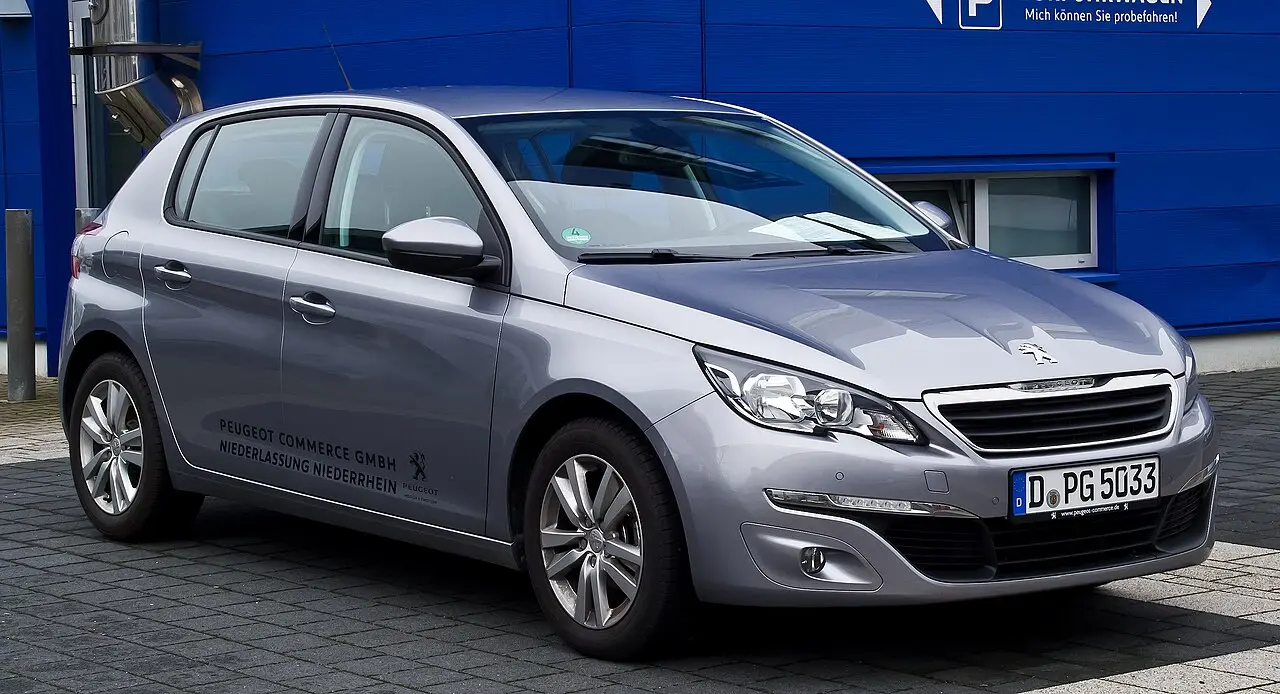
The 308 I ran from 2007 to 2013. The 308 II followed from 2013 to 2021, with a more restrained exterior and the i-Cockpit layout. The 308 III began in 2021, continuing in hatchback and SW estate forms. Its powertrain choices include plug-in hybrid and electric versions in the market listings.
Engines, power and official consumption
Official EU registration figures from 2010 to 2025 include petrol, diesel, hybrid, plug-in hybrid, electric, flex-fuel E85 and other fuel types. Engine sizes range from 1.2 L to 2.0 L, with power from 60 kW (82 PS) to 200 kW (272 PS). The lowest stated consumption for petrol, diesel and hybrid versions is 1.2 L/100 km on WLTP. For plug-in hybrids, the lowest weighted WLTP figure is 1 L/100 km; it assumes part of the driving is electric.
In UK figures for 2008–2026, the lowest petrol, diesel or hybrid figure is 3.1 L/100 km on NEDC. The lowest stated UK plug-in hybrid figure is 5.1 L/100 km on WLTP. French figures for 2012–2026 give a lowest petrol, diesel or hybrid figure of 3.1 L/100 km on NEDC. WLTP and NEDC are different European test procedures, so read their results in the context of each test.
Where was the Peugeot 308 sold?
The model appears in official figures for the European Union, the United Kingdom and France. EU registration figures cover 2010–2025, UK figures cover 2008–2026, and French figures cover 2012–2026. Electric power appears in the EU and UK figures, and plug-in hybrid versions are included in both.
Questions and answers
How many generations of Peugeot 308 are covered?
Three: the 308 I (2007–2013), 308 II (2013–2021) and 308 III (from 2021 onward).
What is the lowest listed 308 consumption?
The lowest figure is 1 L/100 km for a plug-in hybrid in EU WLTP figures. It is a weighted figure that assumes some driving is electric.
Is the Peugeot 308 available as an estate?
Yes. The estate is called the SW, and it is offered in the third generation.
Model codes: P5 · Sold in: European Union, United Kingdom, and France · References: peugeot.fr, peugeot.co.uk
European Union 46 versions
New cars registered in the EU (plus Norway and Iceland), from the European Environment Agency. Figures on the NEDC procedure until 2020 and on WLTP from 2021; versions are grouped by engine and power, with their number of registrations.
Years and version
Engine
Power
Fuel
Consumption (combined)
CO₂
Electric range
EU registrations
2025
1.2 L
100 kW (136 PS)
Hybrid
4.9 L/100 km WLTP
110 g/km
–
30,101
2025
1.5 L
96 kW (131 PS)
Diesel
5.0 L/100 km WLTP
131 g/km
–
21,924
2025
1.6 L
110 kW (150 PS)
Plug-in hybrid
1.3 L/100 km WLTP15.9 kWh/100 km WLTP
31 g/km
64 km
4,787
2025
Electric motor
115 kW (156 PS)
Electric
15.3 kWh/100 km WLTP
0 g/km
412 km
3,847
2025
1.2 L
96 kW (131 PS)
Petrol
5.7 L/100 km WLTP
129 g/km
–
1,709
2025
1.6 L
132 kW (179 PS)
Plug-in hybrid
1.2 L/100 km WLTP16.6 kWh/100 km WLTP
28 g/km
60 km
135
2025
Electric motor
62 kW (84 PS)
Electric
15.1 kWh/100 km WLTP
0 g/km
412 km
132
2025
1.6 L
–
Hybrid
5.8 L/100 km WLTP
133 g/km
–
37
2025
1.2 L
100 kW (136 PS)
Petrol
4.9 L/100 km WLTP
110 g/km
–
32
2025
1.2 L
100 kW (136 PS)
Plug-in hybrid
4.9 L/100 km WLTP
109 g/km
–
24
2024
1.2 L
96 kW (131 PS)
Petrol
5.7 L/100 km WLTP
129 g/km
–
35,060
2024
1.5 L
96 kW (131 PS)
Diesel
5.0 L/100 km WLTP
130 g/km
–
26,219
2024
1.6 L
110 kW (150 PS)
Plug-in hybrid
1.2 L/100 km WLTP15.6 kWh/100 km WLTP
27 g/km
59 km
10,266
2024
1.2 L
100 kW (136 PS)
Hybrid
4.9 L/100 km WLTP
110 g/km
–
9,899
2024
Electric motor
115 kW (156 PS)
Electric
15.1 kWh/100 km WLTP
0 g/km
409 km
4,754
2024
1.6 L
132 kW (179 PS)
Plug-in hybrid
1.2 L/100 km WLTP16.8 kWh/100 km WLTP
28 g/km
59 km
1,428
2024
Electric motor
62 kW (84 PS)
Electric
15.1 kWh/100 km WLTP
0 g/km
410 km
164
2024
Electric motor
100 kW (136 PS)
Electric
15.0 kWh/100 km WLTP
0 g/km
408 km
13
2023
1.2 L
96 kW (131 PS)
Petrol
5.7 L/100 km WLTP
129 g/km
–
45,198
2023
1.5 L
96 kW (131 PS)
Diesel
4.9 L/100 km WLTP
129 g/km
–
27,606
2023
1.6 L
110 kW (150 PS)
Plug-in hybrid
1.0 L/100 km WLTP14.2 kWh/100 km WLTP
23 g/km
67 km
14,016
2023
1.6 L
132 kW (179 PS)
Plug-in hybrid
1.1 L/100 km WLTP15.2 kWh/100 km WLTP
26 g/km
63 km
2,114
2023
Electric motor
115 kW (156 PS)
Electric
15.0 kWh/100 km WLTP
0 g/km
412 km
833
2023
1.2 L
81 kW (110 PS)
Petrol
5.5 L/100 km WLTP
125 g/km
–
463
2023
1.2 L
100 kW (136 PS)
Hybrid
4.9 L/100 km WLTP
111 g/km
–
66
2023
1.2 L
67 kW (91 PS)
Petrol
5.7 L/100 km WLTP
129 g/km
–
45
2023
1.5 L
67 kW (91 PS)
Diesel
4.9 L/100 km WLTP
128 g/km
–
37
2023
Electric motor
62 kW (84 PS)
Electric
15.0 kWh/100 km WLTP
0 g/km
412 km
18
2023
1.5 L
110 kW (150 PS)
Diesel
4.9 L/100 km WLTP
129 g/km
–
17
2023
1.2 L
110 kW (150 PS)
Petrol
5.7 L/100 km WLTP
129 g/km
–
13
2022
1.5 L
96 kW (131 PS)
Diesel
4.5 L/100 km WLTP
118 g/km
–
38,829
2022
1.2 L
96 kW (131 PS)
Petrol
5.7 L/100 km WLTP
129 g/km
–
28,021
2022
1.6 L
110 kW (150 PS)
Plug-in hybrid
1.1 L/100 km WLTP14.8 kWh/100 km WLTP
25 g/km
68 km
9,353
2022
1.2 L
81 kW (110 PS)
Petrol
5.5 L/100 km WLTP
125 g/km
–
5,653
2022
1.6 L
132 kW (179 PS)
Plug-in hybrid
1.2 L/100 km WLTP15.7 kWh/100 km WLTP
27 g/km
64 km
3,448
2022
1.2 L
96 kW (131 PS)
Plug-in hybrid
4.5 L/100 km WLTP
147 g/km
–
277
2022
1.6 L
132 kW (179 PS)
Hybrid
1.2 L/100 km WLTP
149 g/km
–
90
2022
1.6 L
132 kW (179 PS)
Petrol
1.2 L/100 km WLTP15.6 kWh/100 km WLTP
142 g/km
–
19
2022
1.6 L
110 kW (150 PS)
Petrol
1.1 L/100 km WLTP14.8 kWh/100 km WLTP
145 g/km
–
15
2021
1.5 L
96 kW (131 PS)
Diesel
4.6 L/100 km WLTP
122 g/km
–
54,905
2021
1.2 L
96 kW (131 PS)
Petrol
5.8 L/100 km WLTP
132 g/km
–
25,266
2021
1.2 L
81 kW (110 PS)
Petrol
5.4 L/100 km WLTP
125 g/km
–
12,659
2021
1.5 L
75 kW (102 PS)
Diesel
4.5 L/100 km WLTP
119 g/km
–
2,494
2021
1.6 L
132 kW (179 PS)
Plug-in hybrid
1.2 L/100 km WLTP15.6 kWh/100 km WLTP
26 g/km
63 km
1,884
2021
1.6 L
110 kW (150 PS)
Plug-in hybrid
1.1 L/100 km WLTP14.9 kWh/100 km WLTP
26 g/km
67 km
504
2021
1.6 L
193 kW (262 PS)
Petrol
7.5 L/100 km WLTP
169 g/km
–
254
United Kingdom 31 versions
New cars on sale in the UK, from the Vehicle Certification Agency. NEDC figures until 2018 and WLTP figures after; years are the editions a version appeared in.
Years and version
Engine
Power
Fuel
Gearbox
Consumption (combined)
CO₂
Electric range
2026Electric 55kWh EV156 (VL)
Electric motor
115 kW (156 PS)
Electric
Automatic
14.5 kWh/100 km WLTP
0 g/km
462 km
2026Electric 55kWh EV156 (VH)
Electric motor
115 kW (156 PS)
Electric
Automatic
16.2 kWh/100 km WLTP
0 g/km
409 km
2026HYBRID 145 e-DSC6 (VL)
1.2 L
107 kW (145 PS)
Hybrid
6-speed automatic
4.5 L/100 km WLTP
102 g/km
–
2026HYBRID 145 e-DSC6 (VH)
1.2 L
107 kW (145 PS)
Hybrid
6-speed automatic
5.8 L/100 km WLTP
131 g/km
–
2026BlueHDi 130 (VL) NI version · BlueHDi 130 (VL) GB version
1.5 L
96 kW (131 PS)
Diesel
8-speed automatic
4.7 L/100 km WLTP
124 g/km
–
2026BlueHDi 130 (VH) NI version · BlueHDi 130 (VH) GB version
1.5 L
96 kW (131 PS)
Diesel
8-speed automatic
5.6 L/100 km WLTP
148 g/km
–
2026HYBRID 195 (VL)
1.6 L
144 kW (196 PS)
Plug-in hybrid
7-speed automatic
5.1 L/100 km WLTP12.0 kWh/100 km WLTP
115 g/km
88 km
2026HYBRID 195 (VH)
1.6 L
144 kW (196 PS)
Plug-in hybrid
7-speed automatic
5.9 L/100 km WLTP13.8 kWh/100 km WLTP
135 g/km
73 km
2024Electric 54 kWh (VH) · Electric 54 kWh (VH) (GT)
Electric motor
156 kW (212 PS)
Electric
Automatic
16.2 kWh/100 km WLTP
0 g/km
381 km
2024Electric 54 kWh (VL) · Electric 54 kWh (VL) (GT)
Electric motor
156 kW (212 PS)
Electric
Automatic
14.4 kWh/100 km WLTP
0 g/km
429 km
2024PureTech 130 (VL) FPHNST-B11G00 · PureTech 130 (VL) FPHNST-B11G01 · PureTech 130 (VL) FPHNST-B11J00 and 9 more trims
1.2 L
131 kW (178 PS)
Petrol
8-speed automatic
5.4 L/100 km WLTP
123 g/km
–
2024PureTech 130 (VH) FPHNST-B11G00 · PureTech 130 (VH) FPHNST-B11G01 · PureTech 130 (VH) FPHNST-B11J00 and 9 more trims
1.2 L
131 kW (178 PS)
Petrol
8-speed automatic
6.5 L/100 km WLTP
147 g/km
–
2024HYBRID 136 e-DSC6 (VL) FPHPYC-B1UN00 · HYBRID 136 e-DSC6 (VL) FPHPYC-B1UM00 · HYBRID 136 e-DSC6 (VL) (GT) and 1 more trim
New cars on sale in France, from ADEME Car Labelling. NEDC figures until 2015, WLTP figures in the current catalogue.
Years and version
Engine
Power
Fuel
Gearbox
Consumption (combined)
CO₂
2026308 SW (110ch)
1.2 L
81 kW (110 PS)
Petrol
6-speed manual
5.3 L/100 km WLTP
119 g/km
2026308 (110ch)
1.2 L
81 kW (110 PS)
Petrol
6-speed manual
5.3 L/100 km WLTP
119 g/km
2026308 (130ch)
1.5 L
96 kW (131 PS)
Diesel
6-speed manual
4.2 L/100 km WLTP
109 g/km
2026308 (130ch)
1.5 L
96 kW (131 PS)
Diesel
6-speed manual
4.2 L/100 km WLTP
110 g/km
Official figures are measured on standard test procedures and differ between markets. Your consumption depends on how, where and in what conditions you drive.