

Ford Escape fourth generation
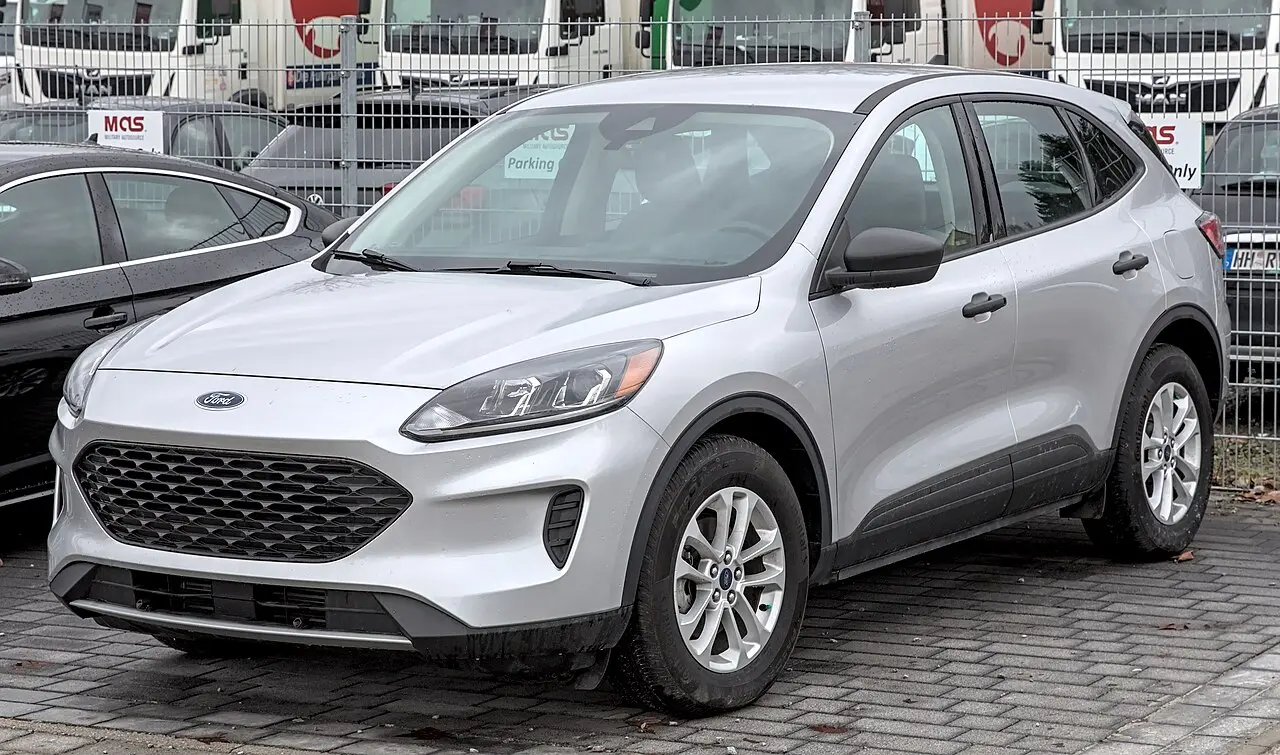
The Ford Escape fourth generation (since 2020): dimensions, weights, reliability and the official figures of its 14 versions in the United States and Canada.
Model codes: C2 · Sold in: United States, Canada, and European Union
Dimensions, weights and capacity
| Specification | North America | Wikipedia |
|---|---|---|
| Dimensions | ||
| Length | 4,590 mm TC | 4,585 mm |
| Width | 1,880 mm TC | 1,882 mm |
| Height | 1,680 mm TC | 1,679 mm |
| Wheelbase | 2,710 mm TC | 2,710 mm |
| Front track | 1,590 mm TC | – |
| Rear track | 1,570 mm TC | – |
| Weights and towing | ||
| Kerb weight | 1,496–1,762 kg TC | 1,762 kg |
| Seats and space | ||
| Fuel tank | – | 42–63 L |
| Performance | ||
| Top speed | – | 198–222 km/h |
| Torque | – | 210–235 Nm |
| Electric motor power | 62 kW NRCan | – |
| Electric | ||
| Battery capacity (usable) | – | 14.4–15.1 kWh |
| Charging time at 240 V | 3.2–3.4 h EPA | – |
NHTSA overall safety rating (US): 2020–2026: ★★★★★
Ranges cover the generation’s versions and body styles; European and North American versions can differ. Sources: Transport Canada vehicle specifications, Wikipedia (en, de), Natural Resources Canada, US EPA fuel economy data, NHTSA 5-Star Safety Ratings. Wikipedia figures are used under CC BY-SA 4.0.
Reliability and owner reports
Owner complaints to NHTSA (US)
3,022 complaints for model years 2020–2026. 53 crashes · 25 fires · 61 injuries · 1 death
- Body and structure 862
- Engine 431
- Electrical system 406
- Fuel system 391
- Transmission and drivetrain 388
- Brakes 106
Complaints are reported by owners and not checked by NHTSA; they are not adjusted for how many cars were sold, so popular models have more. NHTSA owner complaints
All 14 versions of the Ford Escape fourth generation
Show all 14 versions
United States 10 versions
Model years sold in the USA, from the EPA and the Department of Energy (fueleconomy.gov). MPG on the EPA test; litres per 100 km = 235.215 ÷ MPG.
| Years and version | Engine | Fuel | Gearbox | Drive | Consumption (combined) | CO₂ |
|---|---|---|---|---|---|---|
| 2025–2026SIDI & PFI | 1.5 L | Petrol | 8-speed automatic | All-wheel drive | 28 MPG (8.4 L/100 km) EPA | 196–197 g/km |
| 2025–2026SIDI & PFI | 1.5 L | Petrol | 8-speed automatic | Front-wheel drive | 30 MPG (7.8 L/100 km) EPA | 185 g/km |
| 2025–2026SIDI & PFI | 2.0 L | Petrol | 8-speed automatic | All-wheel drive | 26 MPG (9.0 L/100 km) EPA | 209–213 g/km |
| 2020–2026Hybrid | 2.5 L | Hybrid | Continuously variable (CVT) | Part-time four-wheel drive | 39–40 MPG (5.9–6.0 L/100 km) EPA | 139–140 g/km |
| 2020–2026PHEV | 2.5 L | Plug-in hybrid | Continuously variable (CVT) | Front-wheel drive | 40–41 MPG (5.7–5.9 L/100 km) EPA | 32–138 g/km |
| 2020–2025Hybrid | 2.5 L | Hybrid | Continuously variable (CVT) | Front-wheel drive | 39–41 MPG (5.7–6.0 L/100 km) EPA | 137–140 g/km |
| 2020–2024SIDI | 1.5 L | Petrol | 8-speed automatic | Front-wheel drive | 30 MPG (7.8 L/100 km) EPA | 182–186 g/km |
| 2020–2024SIDI | 1.5 L | Petrol | 8-speed automatic | All-wheel drive | 28 MPG (8.4 L/100 km) EPA | 197–198 g/km |
| 2020–2024SIDI | 2.0 L | Petrol | 8-speed automatic | All-wheel drive | 26 MPG (9.0 L/100 km) EPA | 212–216 g/km |
| 2023 | 2.0 L | Petrol | 8-speed automatic | All-wheel drive | 26 MPG (9.0 L/100 km) EPA | 211 g/km |
Canada 4 versions
Model years sold in Canada, from Natural Resources Canada fuel consumption ratings (5-cycle test).
| Years and version | Engine | Fuel | Gearbox | Consumption (combined) | CO₂ | Electric range |
|---|---|---|---|---|---|---|
| 2020–2026Sport utility vehicle: Small | 1.5 L | Petrol | 8-speed automatic | 7.8–8.4 L/100 km 5-cycle | 182–198 g/km | – |
| 2020–2026Sport utility vehicle: Small | 2.0 L | Petrol | 8-speed automatic | 9.1–9.2 L/100 km 5-cycle | 211–216 g/km | – |
| 2020–2026Sport utility vehicle: Small | 2.5 L | Plug-in hybrid | Continuously variable (CVT) | 5.8–5.9 L/100 km 5-cycle | 48–49 g/km | 60 km |
| 2020–2026Sport utility vehicle: Small | 2.5 L | Petrol | Continuously variable (CVT) | 5.8–6.0 L/100 km 5-cycle | 136–140 g/km | – |
Similar models from other brands
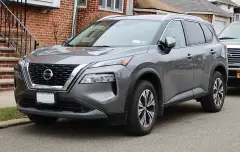
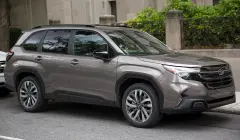
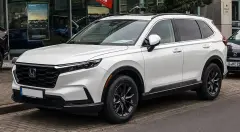
Official figures are measured on standard test procedures and differ between markets. Your consumption depends on how, where and in what conditions you drive.