The official data lists 203 versions of the Ford Escape (2001–2026), in the United States and Canada. Each market publishes its own figures, measured on its own test procedure.
At a glance
Years in the data
2001–2026
Markets
United States, Canada
Engines
1.5 L to 3.0 L
Fuels
Petrol, Hybrid, Plug-in hybrid, Flex fuel (E85)
Lowest consumption (United States)
5.7 L/100 km (EPA)
Lowest consumption (Canada)
5.8 L/100 km (5-cycle)
Plug-in hybrid, weighted (United States)
5.7 L/100 km (EPA)
Plug-in hybrid, weighted (Canada)
5.8 L/100 km (5-cycle)
What is the Ford Escape?
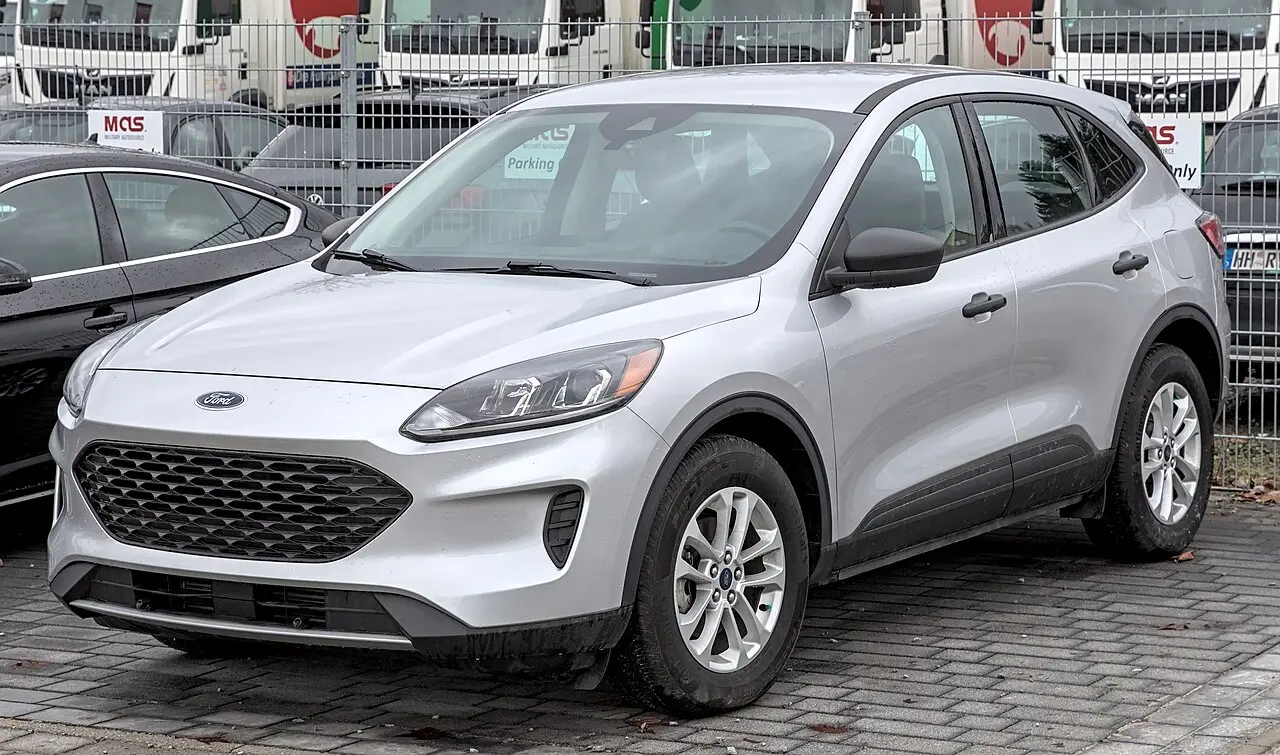
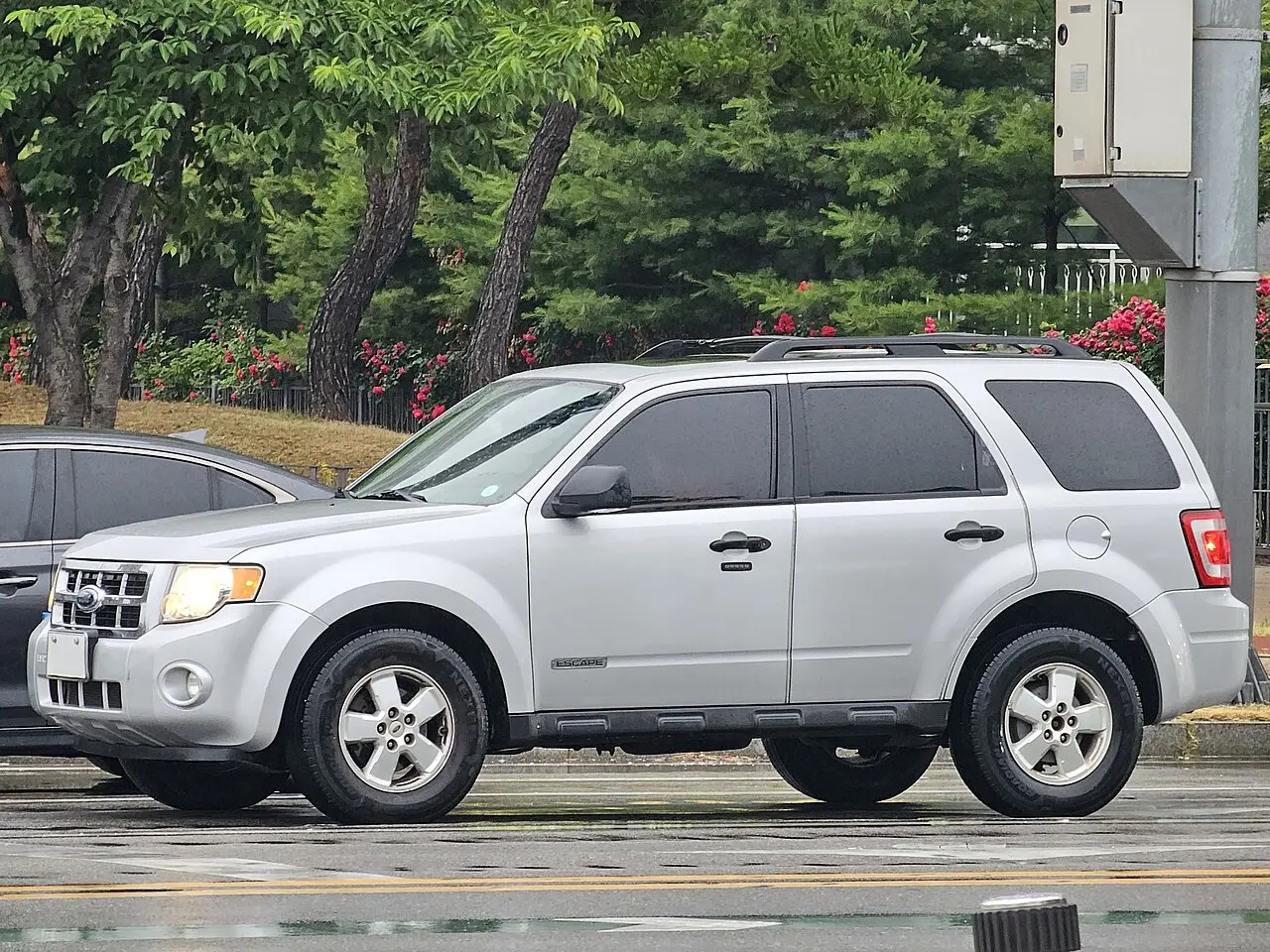
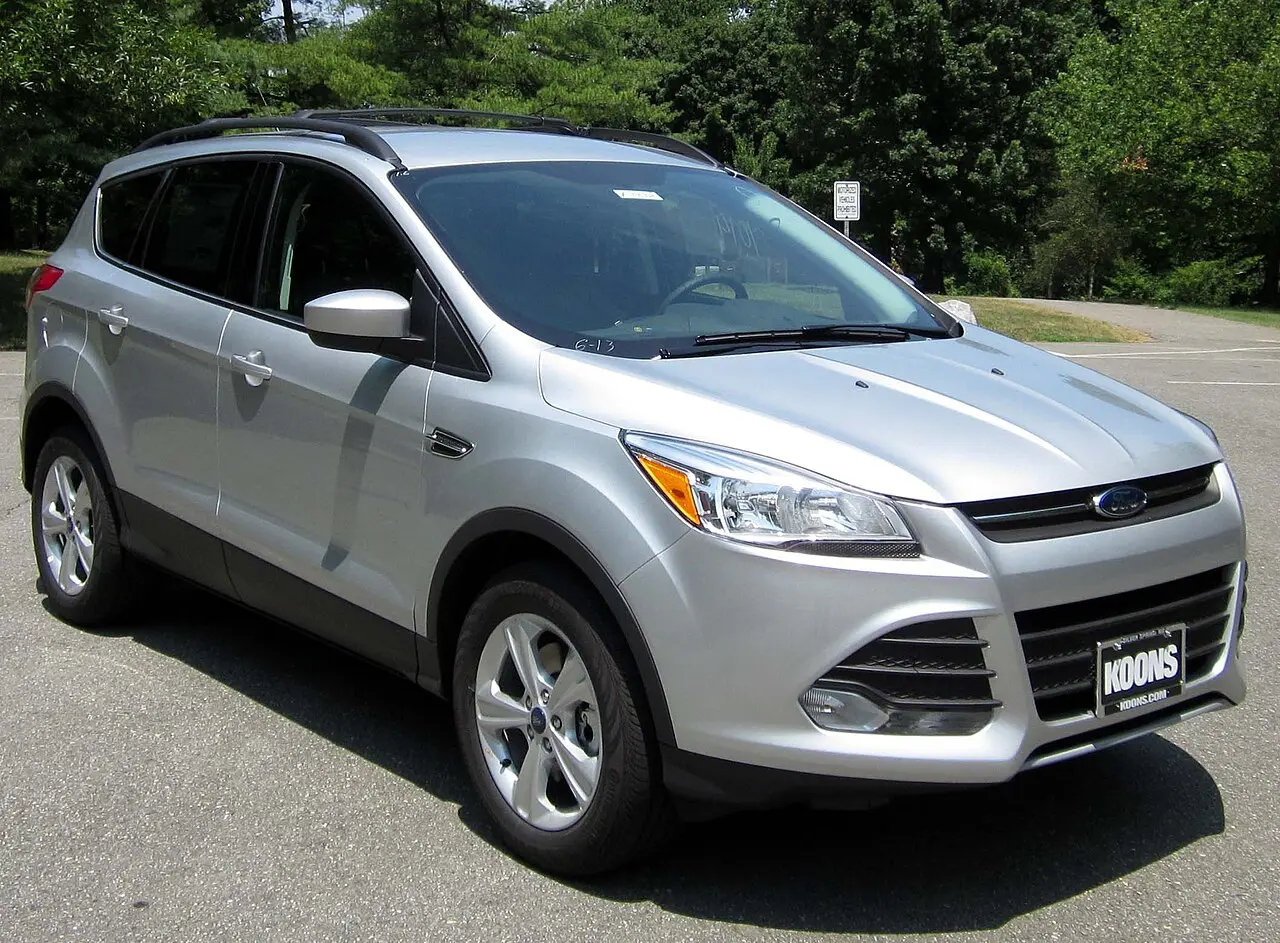
The Escape is Ford’s compact SUV, with a raised driving position and a versatile cabin for everyday use. It sits among the smaller SUVs in Ford’s range. A hybrid joined the lineup early in the model’s history, followed by plug-in hybrid versions.
Ford Escape generations
The first generation ran from 2001 to 2007, followed by the second from 2008 to 2012. The third generation covered 2013 to 2019, and the fourth began in 2020. Across those generations, the Escape has been offered with petrol, hybrid and plug-in hybrid power, as well as flex-fuel E85 in some versions.
Engines and fuel economy
Across the United States and Canada, Escape engines range from 1.5 L to 3.0 L. Available fuels and powertrains vary by market: the United States range includes petrol, hybrid, plug-in hybrid and flex-fuel E85, while Canada’s includes petrol, plug-in hybrid and flex-fuel E85. The lowest stated United States consumption is 5.7 L/100 km, and the best combined EPA rating is 41 MPG. Canada’s lowest stated figure is 5.8 L/100 km on NRCan’s 5-cycle test. For plug-in hybrids, these weighted figures assume that part of the driving is electric.
Where was the Ford Escape sold?
The Escape’s recorded United States and Canadian ranges run from 2001 to 2026. The first generation was sold in those North American markets, while later generations also reached Europe. EPA and NRCan use different test procedures, so their consumption results are best read in their own market context.
Questions and answers
When did the Ford Escape first go on sale?
The first generation ran from 2001 to 2007.
What kinds of fuel can an Escape use?
The United States range includes petrol, hybrid, plug-in hybrid and flex-fuel E85 versions. Canada’s includes petrol, plug-in hybrid and flex-fuel E85.
What is the lowest stated Escape fuel-consumption figure?
The United States figure is 5.7 L/100 km under the EPA procedure; Canada’s is 5.8 L/100 km on NRCan’s 5-cycle test.
Model codes: C2 · Sold in: United States, Canada, and European Union · References: en.wikipedia.org, ford.com
United States 23 versions
Model years sold in the USA, from the EPA and the Department of Energy (fueleconomy.gov). MPG on the EPA test; litres per 100 km = 235.215 ÷ MPG.
Years and version
Engine
Fuel
Gearbox
Drive
Consumption (combined)
CO₂
2026SIDI & PFI
1.5 L
Petrol
8-speed automatic
All-wheel drive
28 MPG (8.4 L/100 km) EPA
197 g/km
2025–2026SIDI & PFI
1.5 L
Petrol
8-speed automatic
Front-wheel drive
30 MPG (7.8 L/100 km) EPA
185 g/km
2026SIDI & PFI
2.0 L
Petrol
8-speed automatic
All-wheel drive
26 MPG (9.0 L/100 km) EPA
213 g/km
2023–2026Hybrid
2.5 L
Hybrid
Continuously variable (CVT)
Part-time four-wheel drive
39 MPG (6.0 L/100 km) EPA
140 g/km
2026PHEV
2.5 L
Plug-in hybrid
Continuously variable (CVT)
Front-wheel drive
40 MPG (5.9 L/100 km) EPA
138 g/km
2025SIDI & PFI
1.5 L
Petrol
8-speed automatic
All-wheel drive
28 MPG (8.4 L/100 km) EPA
196 g/km
2025SIDI & PFI
2.0 L
Petrol
8-speed automatic
All-wheel drive
26 MPG (9.0 L/100 km) EPA
209 g/km
2023–2025Hybrid
2.5 L
Hybrid
Continuously variable (CVT)
Front-wheel drive
39 MPG (6.0 L/100 km) EPA
140 g/km
2025PHEV
2.5 L
Plug-in hybrid
Continuously variable (CVT)
Front-wheel drive
40 MPG (5.9 L/100 km) EPA
48 g/km
2023–2024SIDI
1.5 L
Petrol
8-speed automatic
Front-wheel drive
30 MPG (7.8 L/100 km) EPA
186 g/km
2023–2024SIDI
1.5 L
Petrol
8-speed automatic
All-wheel drive
28 MPG (8.4 L/100 km) EPA
197 g/km
2024SIDI
2.0 L
Petrol
8-speed automatic
All-wheel drive
26 MPG (9.0 L/100 km) EPA
212 g/km
2023
2.0 L
Petrol
8-speed automatic
All-wheel drive
26 MPG (9.0 L/100 km) EPA
211 g/km
2023PHEV
2.5 L
Plug-in hybrid
Continuously variable (CVT)
Front-wheel drive
40 MPG (5.9 L/100 km) EPA
32 g/km
2020–2022SIDI
1.5 L
Petrol
8-speed automatic
All-wheel drive
28 MPG (8.4 L/100 km) EPA
198 g/km
2021–2022SIDI
1.5 L
Petrol
8-speed automatic
Front-wheel drive
30 MPG (7.8 L/100 km) EPA
182 g/km
2022SIDI
2.0 L
Petrol
8-speed automatic
All-wheel drive
26 MPG (9.0 L/100 km) EPA
216 g/km
2020–2022Hybrid
2.5 L
Hybrid
Continuously variable (CVT)
Front-wheel drive
41 MPG (5.7 L/100 km) EPA
137 g/km
2020–2022Hybrid
2.5 L
Hybrid
Continuously variable (CVT)
Part-time four-wheel drive
40 MPG (5.9 L/100 km) EPA
139 g/km
2021–2022PHEV
2.5 L
Plug-in hybrid
Continuously variable (CVT)
Front-wheel drive
40 MPG (5.9 L/100 km) EPA
48 g/km
2020–2021SIDI
2.0 L
Petrol
8-speed automatic
All-wheel drive
26 MPG (9.0 L/100 km) EPA
213 g/km
2020SIDI
1.5 L
Petrol
8-speed automatic
Front-wheel drive
30 MPG (7.8 L/100 km) EPA
185 g/km
2020PHEV
2.5 L
Plug-in hybrid
Continuously variable (CVT)
Front-wheel drive
41 MPG (5.7 L/100 km) EPA
48 g/km
Canada 20 versions
Model years sold in Canada, from Natural Resources Canada fuel consumption ratings (5-cycle test).
Years and version
Engine
Fuel
Gearbox
Consumption (combined)
CO₂
Electric range
2026Sport utility vehicle: Small
1.5 L
Petrol
8-speed automatic
8.4 L/100 km 5-cycle
197 g/km
–
2025–2026Sport utility vehicle: Small
1.5 L
Petrol
8-speed automatic
8.0 L/100 km 5-cycle
185 g/km
–
2024–2026Sport utility vehicle: Small
2.0 L
Petrol
8-speed automatic
9.1 L/100 km 5-cycle
213 g/km
–
2023–2026Sport utility vehicle: Small
2.5 L
Plug-in hybrid
Continuously variable (CVT)
5.9 L/100 km 5-cycle
49 g/km
60 km
2023–2026Sport utility vehicle: Small
2.5 L
Petrol
Continuously variable (CVT)
6.0 L/100 km 5-cycle
140 g/km
–
2025Sport utility vehicle: Small
1.5 L
Petrol
8-speed automatic
8.4 L/100 km 5-cycle
196 g/km
–
2023–2024Sport utility vehicle: Small
1.5 L
Petrol
8-speed automatic
8.4 L/100 km 5-cycle
197 g/km
–
2024Sport utility vehicle: Small
1.5 L
Petrol
8-speed automatic
8.0 L/100 km 5-cycle
187 g/km
–
2023Sport utility vehicle: Small
1.5 L
Petrol
8-speed automatic
8.0 L/100 km 5-cycle
188 g/km
–
2023Sport utility vehicle: Small
2.0 L
Petrol
8-speed automatic
9.1 L/100 km 5-cycle
211 g/km
–
2021–2022Sport utility vehicle: Small
1.5 L
Petrol
8-speed automatic
7.8 L/100 km 5-cycle
182 g/km
–
2021–2022Sport utility vehicle: Small
1.5 L
Petrol
8-speed automatic
8.4 L/100 km 5-cycle
198 g/km
–
2022Sport utility vehicle: Small
2.0 L
Petrol
8-speed automatic
9.2 L/100 km 5-cycle
216 g/km
–
2021–2022Sport utility vehicle: Small
2.5 L
Plug-in hybrid
Continuously variable (CVT)
5.8 L/100 km 5-cycle
48 g/km
60 km
2020–2022Sport utility vehicle: Small
2.5 L
Petrol
Continuously variable (CVT)
5.8 L/100 km 5-cycle
136 g/km
–
2020–2022Sport utility vehicle: Small
2.5 L
Petrol
Continuously variable (CVT)
5.9 L/100 km 5-cycle
139 g/km
–
2020–2021Sport utility vehicle: Small
2.0 L
Petrol
8-speed automatic
9.1 L/100 km 5-cycle
213 g/km
–
2020Sport utility vehicle: Small
1.5 L
Petrol
8-speed automatic
7.9 L/100 km 5-cycle
185 g/km
–
2020Sport utility vehicle: Small
1.5 L
Petrol
8-speed automatic
8.3 L/100 km 5-cycle
196 g/km
–
2020Sport utility vehicle: Small
2.5 L
Plug-in hybrid
Continuously variable (CVT)
5.8 L/100 km 5-cycle
48 g/km
60 km
Official figures are measured on standard test procedures and differ between markets. Your consumption depends on how, where and in what conditions you drive.