The official data lists 78 versions of the Ford E-Series (1984 - 2014), in the United States and Canada. Each market publishes its own figures, measured on its own test procedure.
At a glance
Years in the data
1984 - 2014
Markets
United States, Canada
Engines
4.2 L to 6.8 L
Fuels
Flex fuel (E85), Petrol, Natural gas
Lowest consumption (United States)
11.8 L/100 km (EPA)
Lowest consumption (Canada)
14.7 L/100 km (5-cycle)
What is the Ford E-Series?
The E-Series is Ford’s full-size van line, previously known as the Econoline. It served businesses and fleets as a cargo or passenger van, and its platform also supported work-focused chassis versions. It is a longstanding name in Ford’s North American commercial vehicle range.
E-Series generations
The third generation ran from 1984 to 1991, followed by the fourth generation from 1992 to 2014. The fourth generation carried the E-Series through a long production run as Ford’s broader van lineup changed.
Engines and fuel consumption
In the United States, the E-Series was offered with petrol, flex-fuel E85 and natural gas options. Engine sizes ranged from 4.2 to 6.8 litres. The best listed combined EPA rating is 20 MPG, and the lowest listed consumption is 11.8 L/100 km under the EPA procedure. Canadian figures cover the same fuel types and engine-size range; the lowest listed consumption is 14.7 L/100 km on the NRCan 5-cycle test. The two agencies use different procedures, so their figures are not directly interchangeable.
Where was the E-Series sold?
The E-Series figures cover the US from 1984 to 2014 and Canada from 1995 to 2014. In North America, the model served commercial operators and other van users.
Questions and answers
When did the fourth-generation E-Series run?
It ran from 1992 to 2014.
What fuels were listed for the E-Series?
The US and Canadian lineups included petrol, flex-fuel E85 and natural gas.
What is the lowest listed Canadian E-Series consumption?
It is 14.7 L/100 km on the NRCan 5-cycle test.
E-Series third generation (1984 - 1991)
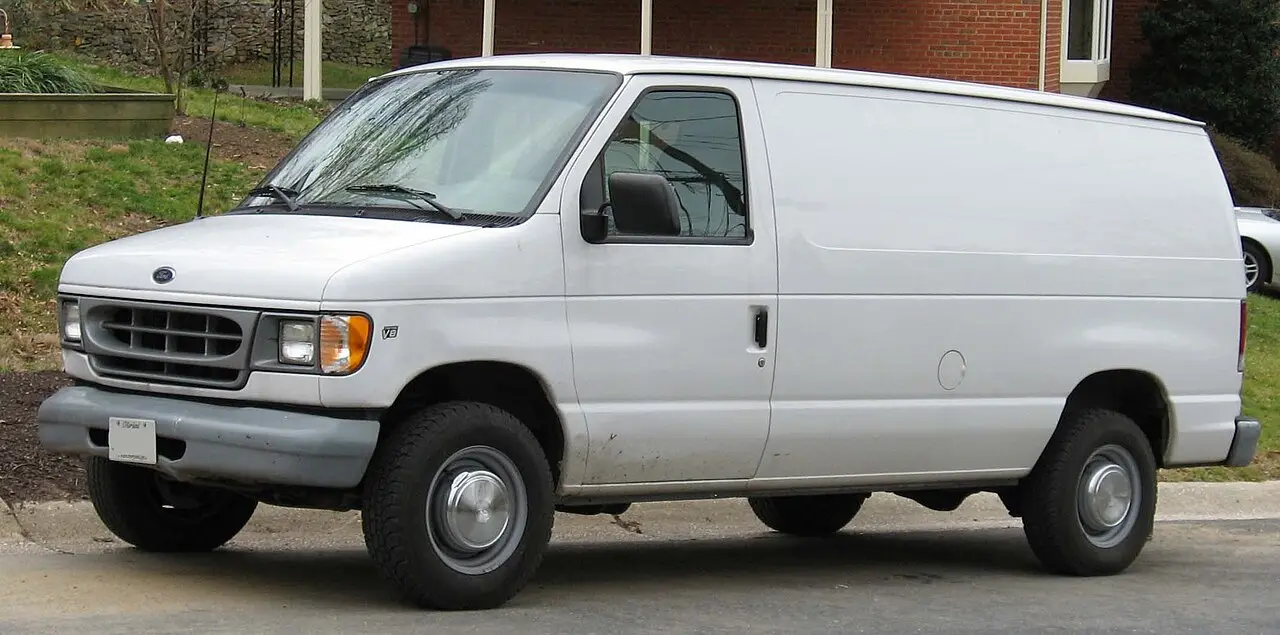
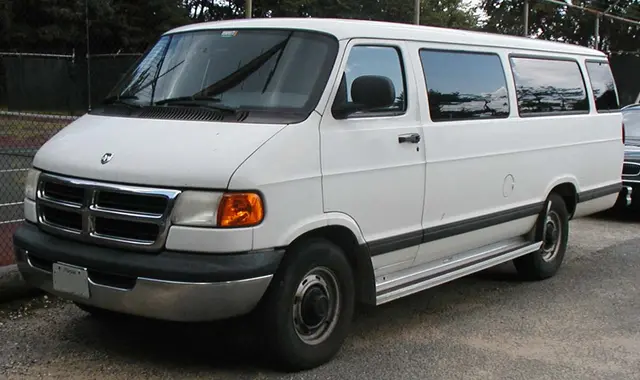
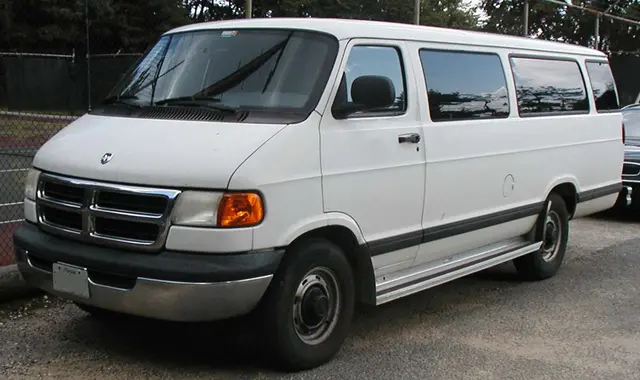
No photo of this generation yet; the photo shows the fourth generation.Photo: IFCAR / Wikimedia Commons · Public domain
Sold in: United States and Canada · References: en.wikipedia.org
Model years sold in the USA, from the EPA and the Department of Energy (fueleconomy.gov). MPG on the EPA test; litres per 100 km = 235.215 ÷ MPG.
Years and version
Engine
Fuel
Gearbox
Drive
Consumption (combined)
CO₂
2011 - 2014FFV
4.6 L
Flex fuel (E85)
4-speed automatic
Rear-wheel drive
14 - 15 MPG (15.7 - 16.8 L/100 km) EPA
368 - 394 g/km
2011 - 2014FFV
5.4 L
Flex fuel (E85)
4-speed automatic
Rear-wheel drive
13 - 14 MPG (16.8 - 18.1 L/100 km) EPA
394 - 427 g/km
2011 - 2014
6.8 L
Petrol
5-speed automatic
Rear-wheel drive
11 - 12 MPG (19.6 - 21.4 L/100 km) EPA
460 - 502 g/km
1998 - 2006CLKUP
4.6 L
Petrol
4-speed automatic
Rear-wheel drive
14 - 16 MPG (14.7 - 16.8 L/100 km) EPA
345 - 394 g/km
1998 - 2006CLKUP
5.4 L
Petrol
4-speed automatic
Rear-wheel drive
11 - 14 MPG (16.8 - 21.4 L/100 km) EPA
394 - 425 g/km
1998 - 2003CLKUP
4.2 L
Petrol
4-speed automatic
Rear-wheel drive
14 - 15 MPG (15.7 - 16.8 L/100 km) EPA
368 - 394 g/km
2000 - 20025.4E-R, CLKUP · CLKUP
5.4 L
Petrol
4-speed automatic
Rear-wheel drive
13 - 15 MPG (15.7 - 18.1 L/100 km) EPA
368 - 425 g/km
2000 - 20014.6E-R, CLKUP · CLKUP
4.6 L
Petrol
4-speed automatic
Rear-wheel drive
15 MPG (15.7 L/100 km) EPA
368 g/km
2000 - 2001NGV, CLKUP · RNG200/300, CLKUP
5.4 L
Natural gas
4-speed automatic
Rear-wheel drive
12 MPG (19.6 L/100 km) EPA
364 g/km
1999 - 2000CLKUP · 4.2E-R, CLKUP
4.2 L
Petrol
4-speed automatic
Rear-wheel drive
14 MPG (16.8 L/100 km) EPA
394 g/km
20004.6E-R, CLKUP
4.6 L
Petrol
4-speed automatic
Rear-wheel drive
15 MPG (15.7 L/100 km) EPA
368 g/km
20005.4E-R, CLKUP
5.4 L
Petrol
4-speed automatic
Rear-wheel drive
13 MPG (18.1 L/100 km) EPA
425 g/km
1997 - 1999(FFS), CLKUP · CLKUP
4.2 L
Petrol
4-speed automatic
Rear-wheel drive
14 MPG (16.8 L/100 km) EPA
394 g/km
1997 - 1999(FFS), CLKUP · CLKUP
5.4 L
Petrol
4-speed automatic
Rear-wheel drive
13 MPG (18.1 L/100 km) EPA
425 g/km
1999NGV, CLKUP
5.4 L
Petrol
4-speed automatic
Rear-wheel drive
12 MPG (19.6 L/100 km) EPA
364 g/km
1997(FFS), CLKUP
4.2 L
Petrol
4-speed automatic
Rear-wheel drive
15 MPG (15.7 L/100 km) EPA
368 g/km
1997(FFS), CLKUP
4.6 L
Petrol
4-speed automatic
Rear-wheel drive
14 - 15 MPG (15.7 - 16.8 L/100 km) EPA
368 - 394 g/km
1997(FFS), CLKUP
5.4 L
Petrol
4-speed automatic
Rear-wheel drive
13 MPG (18.1 L/100 km) EPA
425 g/km
1994 - 1996(FFS)
4.9 L
Petrol
3-speed automatic
Rear-wheel drive
12 - 13 MPG (18.1 - 19.6 L/100 km) EPA
425 - 460 g/km
1993 - 1996(FFS), CLKUP
4.9 L
Petrol
4-speed automatic
Rear-wheel drive
12 - 15 MPG (15.7 - 19.6 L/100 km) EPA
368 - 460 g/km
1993 - 1996(FFS), CLKUP · (FFS)
5.0 L
Petrol
4-speed automatic
Rear-wheel drive
14 MPG (16.8 L/100 km) EPA
394 g/km
1993 - 1996(FFS), CLKUP
5.8 L
Petrol
4-speed automatic
Rear-wheel drive
11 - 13 MPG (18.1 - 21.4 L/100 km) EPA
425 - 502 g/km
1992 - 1995(FFS) · (FFS), CLKUP
5.8 L
Petrol
4-speed automatic
Rear-wheel drive
12 MPG (19.6 L/100 km) EPA
460 g/km
1992 - 1993(FFS) · (FFS), CLKUP
5.0 L
Petrol
4-speed automatic
Rear-wheel drive
14 MPG (16.8 L/100 km) EPA
394 g/km
1993(FFS)
5.0 L
Petrol
4-speed automatic
Rear-wheel drive
13 MPG (18.1 L/100 km) EPA
425 g/km
1992(FFS)
4.9 L
Petrol
4-speed automatic
Rear-wheel drive
14 - 15 MPG (15.7 - 16.8 L/100 km) EPA
368 - 394 g/km
Canada 23 versions
Model years sold in Canada, from Natural Resources Canada fuel consumption ratings (5-cycle test).
Years and version
Engine
Fuel
Gearbox
Consumption (combined)
CO₂
1997 - 2014Van: Passenger
4.6 L
Petrol
4-speed automatic
15.8 - 17.3 L/100 km 5-cycle
363 - 398 g/km
2011 - 2014Van: Passenger
4.6 L
Flex fuel (E85)
4-speed automatic
23.0 - 23.1 L/100 km 5-cycle
368 - 370 g/km
1997 - 2014Van: Cargo
4.6 L
Petrol
4-speed automatic
14.7 - 17.1 L/100 km 5-cycle
338 - 393 g/km
2011 - 2014Van: Cargo
4.6 L
Flex fuel (E85)
4-speed automatic
21.9 - 22.2 L/100 km 5-cycle
350 - 355 g/km
1997 - 2014Van: Passenger
5.4 L
Petrol
4-speed automatic
17.5 - 19.8 L/100 km 5-cycle
403 - 455 g/km
1997 - 2014Van: Cargo
5.4 L
Petrol
4-speed automatic
15.7 - 19.2 L/100 km 5-cycle
361 - 442 g/km
2011 - 2014Van: Cargo
5.4 L
Flex fuel (E85)
4-speed automatic
22.3 - 22.5 L/100 km 5-cycle
357 - 360 g/km
2011 - 2014Van: Passenger
5.4 L
Flex fuel (E85)
4-speed automatic
23.2 - 24.0 L/100 km 5-cycle
371 - 384 g/km
2011 - 2014Van: Passenger
6.8 L
Petrol
5-speed automatic
21.2 - 21.5 L/100 km 5-cycle
488 - 495 g/km
2004Van: Passenger · Van: Cargo
4.6 L
Petrol
4-speed automatic
15.7 L/100 km 5-cycle
361 g/km
1997 - 2003Van: Passenger · Van: Cargo
4.2 L
Petrol
4-speed automatic
15.8 - 16.9 L/100 km 5-cycle
363 - 389 g/km
1997 - 2003Van: Cargo
4.2 L
Petrol
4-speed automatic
15.4 - 17.0 L/100 km 5-cycle
354 - 391 g/km
1998 - 2001Van: Cargo
5.4 L
Natural gas
4-speed automatic
20.0 - 20.6 L/100 km 5-cycle
378 - 389 g/km
2000Van: Passenger
4.2 L
Petrol
4-speed automatic
17.1 L/100 km 5-cycle
393 g/km
1996Van: Passenger
4.9 L
Petrol
4-speed automatic
18.6 L/100 km 5-cycle
428 g/km
1995 - 1996Van: Cargo
4.9 L
Petrol
3-speed automatic
17.3 - 19.7 L/100 km 5-cycle
398 - 453 g/km
1995 - 1996Van: Cargo
4.9 L
Petrol
4-speed automatic
16.7 - 19.0 L/100 km 5-cycle
384 - 437 g/km
1996Van: Passenger
5.0 L
Petrol
4-speed automatic
17.2 L/100 km 5-cycle
396 g/km
1996Van: Cargo
5.0 L
Petrol
4-speed automatic
16.6 L/100 km 5-cycle
382 g/km
1995 - 1996Van: Passenger
5.8 L
Petrol
4-speed automatic
18.7 - 18.9 L/100 km 5-cycle
430 - 435 g/km
1995 - 1996Van: Cargo
5.8 L
Petrol
4-speed automatic
17.4 - 19.2 L/100 km 5-cycle
400 - 442 g/km
1995Van: Passenger · Van: Cargo
4.9 L
Petrol
4-speed automatic
17.8 L/100 km 5-cycle
409 g/km
1995Van: Cargo · Van: Passenger
5.0 L
Petrol
4-speed automatic
17.0 L/100 km 5-cycle
391 g/km
Ford E-Series recalls
137 official safety recalls for the Ford E-Series from NHTSA (United States), DVSA (United Kingdom) and the EU Safety Gate, newest first. Recall repairs are normally free at the maker’s dealers.
Wheelchair restraint retractors may not lock2011
Backup camera image may be reversed2014
Foldaway seat cushion may not stay locked2014 - 2015
Wheelchair lift positioning cam may fail2014 - 2015
Official figures are measured on standard test procedures and differ between markets. Your consumption depends on how, where and in what conditions you drive.