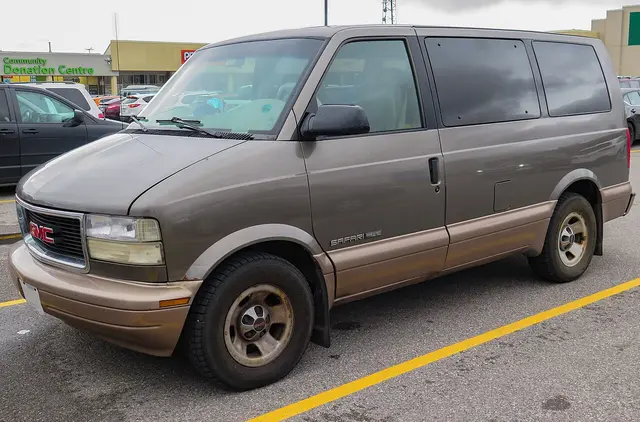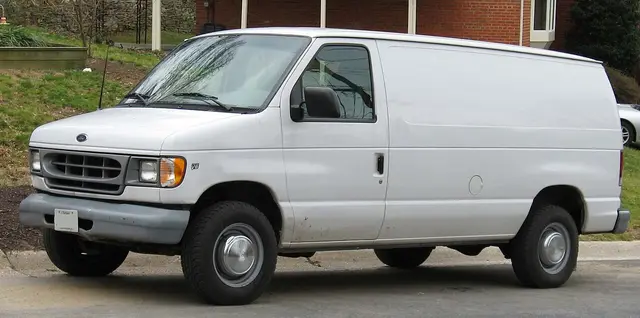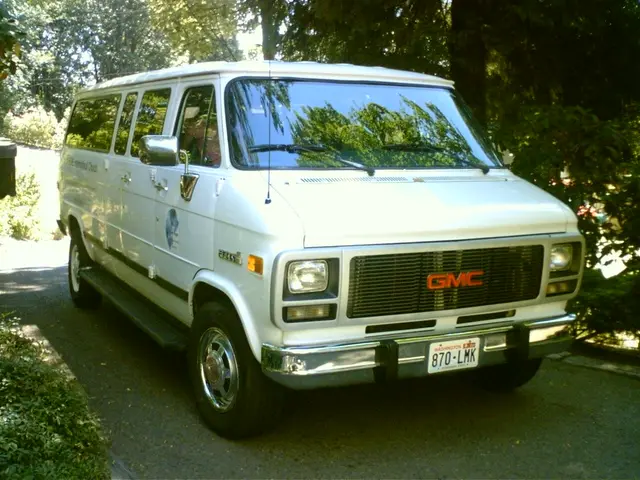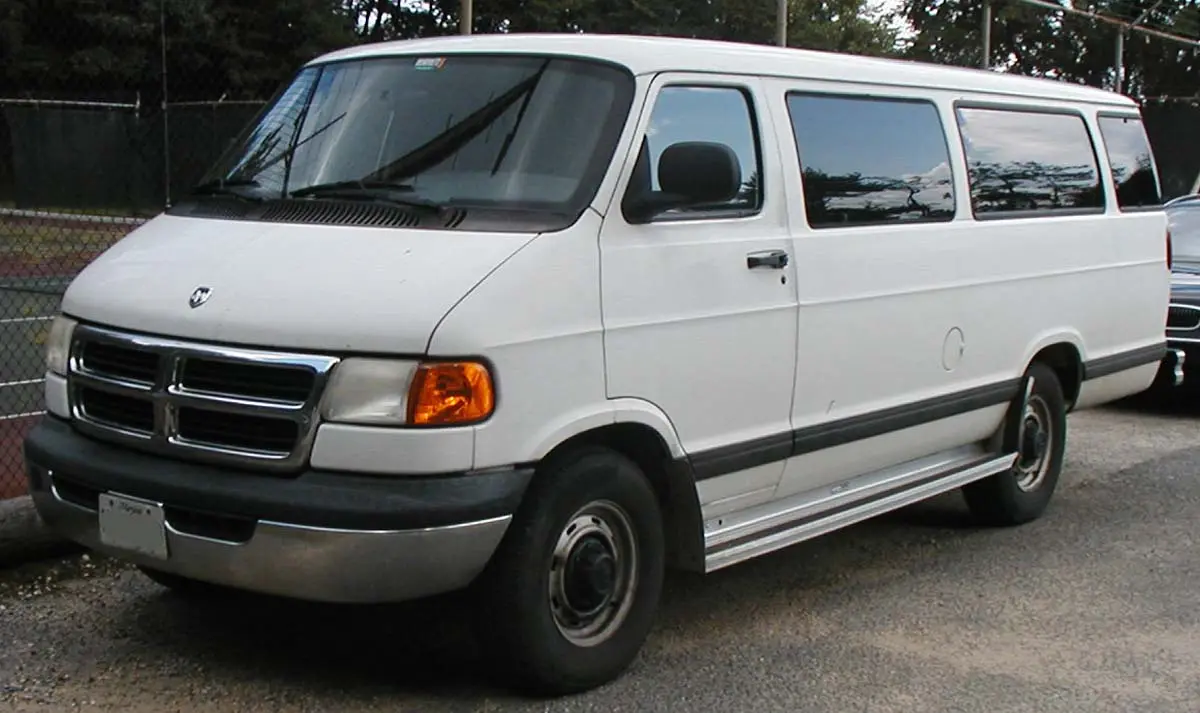
Dodge Ram Wagon

Dodge Ram Wagon
Photo: IFCAR / Wikimedia Commons · Public domain

The official data lists 44 versions of the Dodge Ram Wagon (1984 - 2002), in the United States and Canada. Each market publishes its own figures, measured on its own test procedure.

At a glance

Years in the data
1984 - 2002
Markets
United States, Canada
Engines
3.7 L to 5.9 L
Fuels
Petrol, Natural gas
Lowest consumption (United States)
14.7 L/100 km (EPA)
Lowest consumption (Canada)
16.2 L/100 km (5-cycle)

What is the Dodge Ram Wagon?

The Dodge Ram Wagon was the passenger version of Dodge’s full-size B-series van. Its boxy shape and spacious cabin suited families and groups who needed room for people and luggage. It sat alongside the Ram Van in Dodge’s van range.

The Ram Wagon’s run covered two generations: the second from 1984 to 1993 and the third from 1994 to 2002. Both carried the B-series identity, with the later generation bringing a redesigned body while retaining the full-size van layout.

Engines and power

Engine choices varied by year and market. US versions ranged from 3.7 L to 5.9 L, while Canadian versions ranged from 3.9 L to 5.9 L. Both markets had petrol and natural gas versions.

How economical is the Dodge Ram Wagon?

The lowest listed US consumption is 14.7 L/100 km, and the best combined EPA rating is 16 MPG. Canada’s lowest listed figure is 16.2 L/100 km on the NRCan 5-cycle test. EPA and Canadian 5-cycle procedures differ, so these figures are best understood in their own market context.

Where was the Ram Wagon sold?

The Ram Wagon was sold in the United States from 1984 to 2002 and in Canada from 1995 to 2002. It was a large passenger van for people who needed space for a group.

Questions and answers

Was the Ram Wagon a passenger van?

Yes. It was the passenger version of Dodge’s full-size B-series van range.

What generations did the Ram Wagon have?

The second generation ran from 1984 to 1993, followed by the third generation from 1994 to 2002.

What is its best US fuel economy figure?

The best combined EPA rating is 16 MPG.
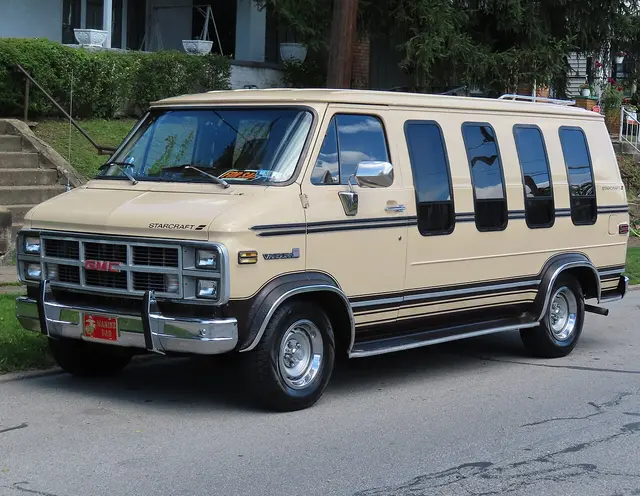
Ram Wagon second generation (1984 - 1993)

Dodge Ram Wagon third generation
No photo of this generation yet; the photo shows the third generation.Photo: IFCAR / Wikimedia Commons · Public domain

Model codes: B-series · References: classic.com, en.wikipedia.org

At a glance: Length 4,544 - 5,872 mm Specifications, reliability and all versions

Show all 30 versions

Ram Wagon third generation (1994 - 2002)

Dodge Ram Wagon third generation
Photo: IFCAR / Wikimedia Commons · Public domain

Model codes: B-series · References: classic.com, cars.com

At a glance: Length 4,755 - 5,872 mm Specifications, reliability and all versions

Show all 20 versions

United States 15 versions

Model years sold in the USA, from the EPA and the Department of Energy (fueleconomy.gov). MPG on the EPA test; litres per 100 km = 235.215 ÷ MPG.

Years and versionEngineFuelGearboxDriveConsumption (combined)CO₂
1998 - 20023.9 LPetrol3-speed automaticRear-wheel drive14 MPG (16.8 L/100 km) EPA394 g/km
2002CLKUP5.2 LNatural gas4-speed automaticRear-wheel drive13 MPG (18.1 L/100 km) EPA336 g/km
2000 - 2002CLKUP5.9 LPetrol4-speed automaticRear-wheel drive12 - 13 MPG (18.1 - 19.6 L/100 km) EPA425 - 460 g/km
1999 - 2001CLKUP5.2 LPetrol4-speed automaticRear-wheel drive12 - 14 MPG (16.8 - 19.6 L/100 km) EPA394 - 460 g/km
1997 - 2001(FFS), CLKUP · CLKUP5.2 LPetrol4-speed automaticRear-wheel drive14 MPG (16.8 L/100 km) EPA394 g/km
2001CNG RNG180, CLKUP5.2 LNatural gas4-speed automaticRear-wheel drive12 MPG (19.6 L/100 km) EPA364 g/km
1996 - 1999(FFS), CLKUP · CLKUP5.9 LPetrol4-speed automaticRear-wheel drive13 MPG (18.1 L/100 km) EPA425 g/km
1996 - 1997(FFS)3.9 LPetrol3-speed automaticRear-wheel drive14 MPG (16.8 L/100 km) EPA394 g/km
1996 - 1997(FFS), CLKUP5.2 LPetrol4-speed automaticRear-wheel drive12 - 13 MPG (18.1 - 19.6 L/100 km) EPA425 - 460 g/km
1996 - 1997(FFS), CLKUP5.9 LPetrol4-speed automaticRear-wheel drive11 MPG (21.4 L/100 km) EPA502 g/km
1994 - 1996(FFS)5.2 LPetrol3-speed automaticRear-wheel drive12 MPG (19.6 L/100 km) EPA460 g/km
1995 - 1996(FFS) · (FFS), CLKUP5.2 LPetrol4-speed automaticRear-wheel drive13 MPG (18.1 L/100 km) EPA425 g/km
1994 - 1995(FFS), CLKUP3.9 LPetrol3-speed automaticRear-wheel drive14 - 15 MPG (15.7 - 16.8 L/100 km) EPA368 - 394 g/km
1994 - 1995(FFS)5.2 LPetrol4-speed automaticRear-wheel drive12 MPG (19.6 L/100 km) EPA460 g/km
1994 - 1995(FFS)5.9 LPetrol4-speed automaticRear-wheel drive11 - 12 MPG (19.6 - 21.4 L/100 km) EPA460 - 502 g/km

Canada 5 versions

Model years sold in Canada, from Natural Resources Canada fuel consumption ratings (5-cycle test).

Years and versionEngineFuelGearboxConsumption (combined)CO₂
1995 - 2002Van: Passenger3.9 LPetrol3-speed automatic16.2 - 17.4 L/100 km 5-cycle373 - 400 g/km
1995 - 2002Van: Passenger5.2 LPetrol4-speed automatic16.6 - 19.5 L/100 km 5-cycle382 - 449 g/km
1999 - 2002Van: Passenger5.2 LNatural gas4-speed automatic19.0 - 21.4 L/100 km 5-cycle359 - 404 g/km
1995 - 2002Van: Passenger5.9 LPetrol4-speed automatic17.6 - 21.1 L/100 km 5-cycle405 - 485 g/km
1995Van: Passenger5.2 LPetrol3-speed automatic20.1 L/100 km 5-cycle462 g/km

Dodge Ram Wagon recalls

1 official safety recall for the Dodge Ram Wagon, from NHTSA (United States), DVSA (United Kingdom) or the EU Safety Gate. Recall repairs are normally free at the maker’s dealers.

  • Driver's seat riser welds may be incorrect1998

See 1 recall

Official figures are measured on standard test procedures and differ between markets. Your consumption depends on how, where and in what conditions you drive.