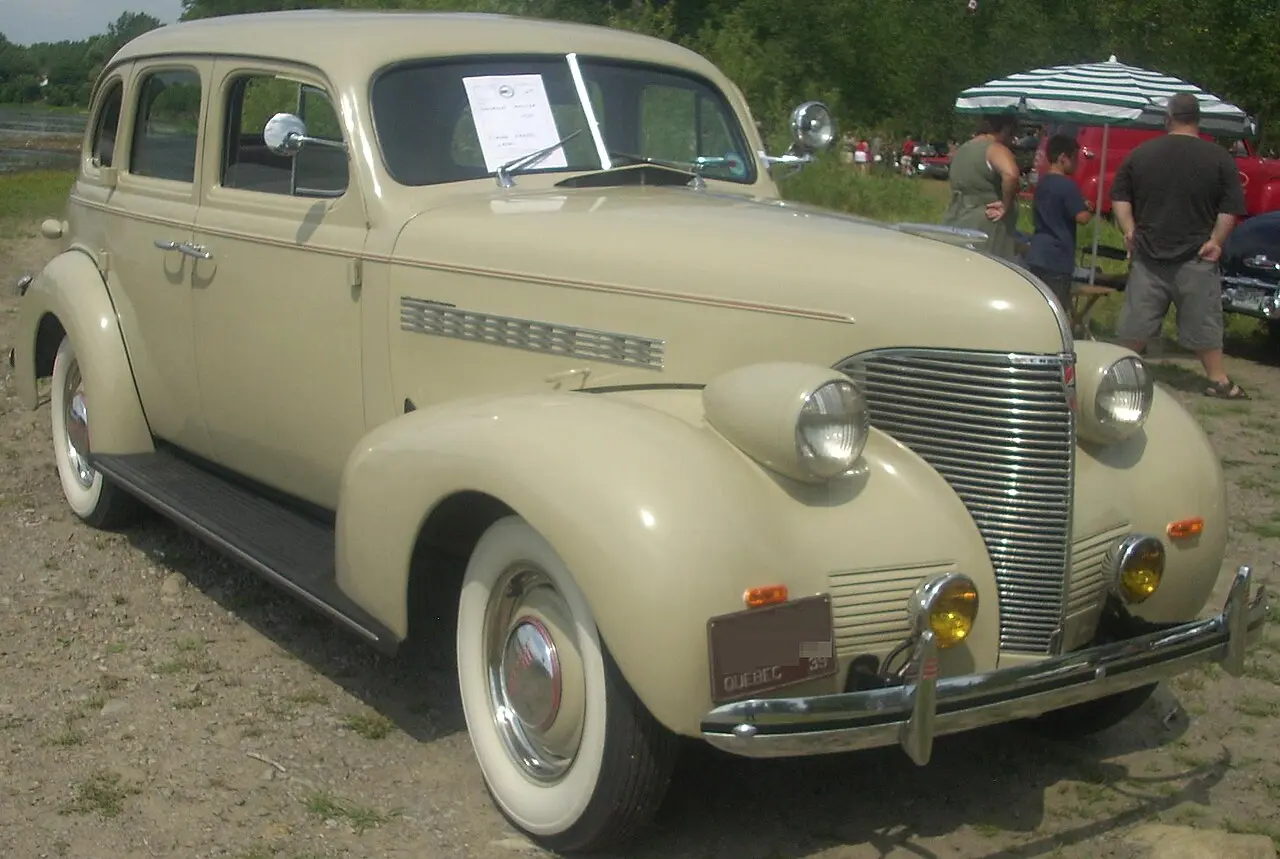
What is the Chevrolet Master?
The Chevrolet Master was a passenger car from an era when automakers offered several distinct body styles under one model name. It was part of Chevrolet’s effort to give buyers a substantial, practical car within a broad range that also included more basic offerings. The name covered more than a single shape: period Chevrolet materials describe passenger-car bodies such as sedans, coupes and open cars across the Master line.
This is a pre-war Chevrolet, quite different in character from the modern cars and crossovers most people associate with the bowtie badge. Its appeal today is primarily historical: it shows how Chevrolet built its identity around a varied range of cars and how styling and equipment changed during a period of rapid automotive development. The Master name also appeared alongside “Master Deluxe,” so the exact trim and body details depend on the particular car.
Engines and power
Chevrolet’s period Master literature describes a six-cylinder, valve-in-head engine. That design placed the valves in the cylinder head, a layout that became familiar in later engines. The name alone does not identify a particular body, trim or mechanical specification, so there is no single power figure to give for every Master. The figures shown for specific versions are the useful reference when identifying an individual car.
Fuel consumption and CO₂
There are no official fuel-consumption or CO₂ figures listed for the Master here. Modern comparison procedures such as WLTP, NEDC, the US EPA test and Canada’s five-cycle test do not provide a like-for-like basis for this period car. For an individual example, actual fuel use will depend on its condition, upkeep and how it is driven.
Questions and answers
Was the Chevrolet Master a sedan?
Sedans were among the passenger-car body styles offered in the Master range, alongside other body types.
What engine did the Chevrolet Master use?
Period Chevrolet literature describes a six-cylinder, valve-in-head engine; the specific version determines its detailed specification.
Are official fuel-consumption and CO₂ figures available here?
No official consumption or CO₂ figures are listed for the Master.