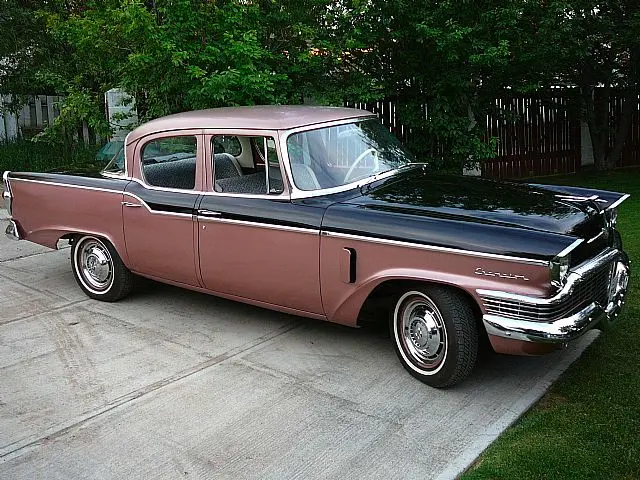
What kind of car was the Studebaker Champion?
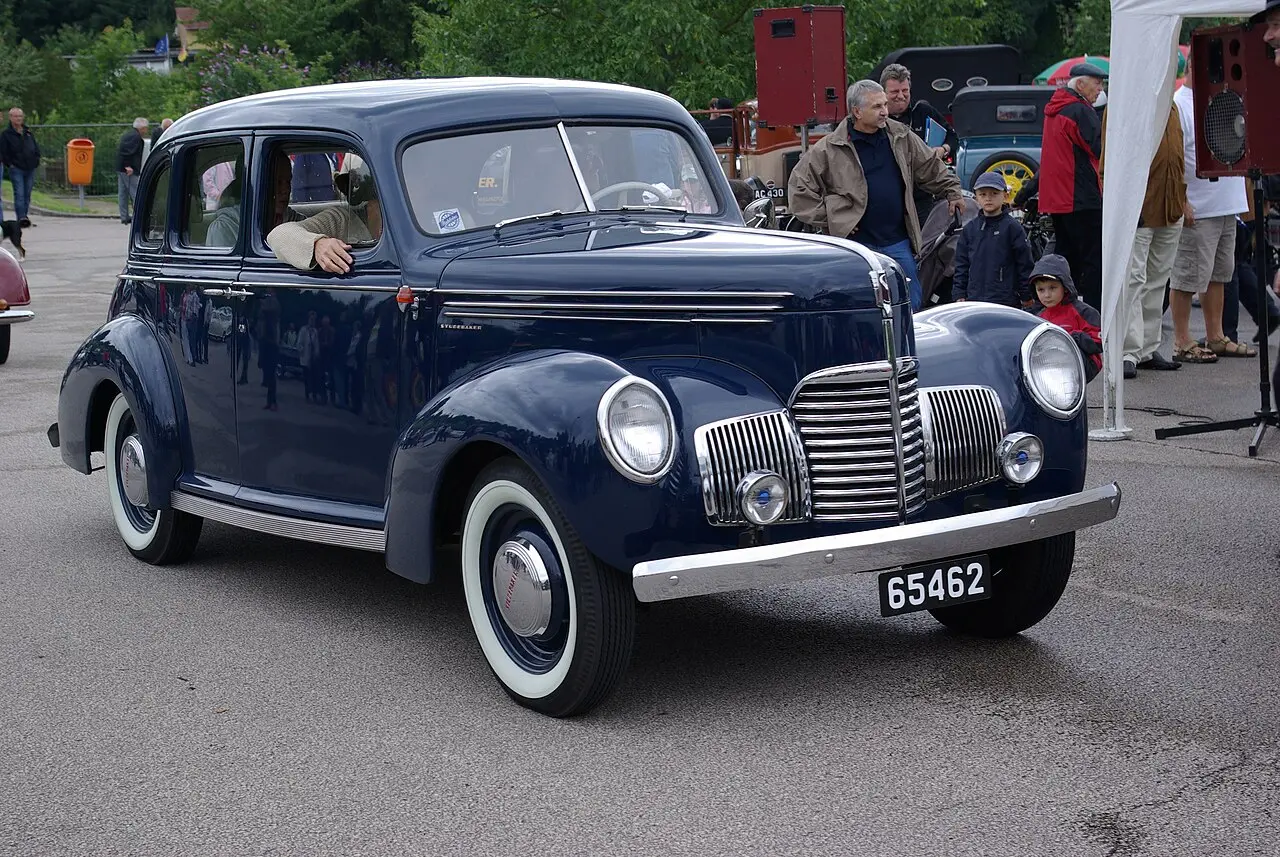
The Champion was Studebaker’s more accessible passenger-car line, positioned below the Commander in the company’s range. It was offered in several traditional American car body styles, including sedans and coupés, so it could serve as everyday family transport as well as a more personal car. Studebaker was an established American maker with roots in carriage building, and the Champion helped the company reach buyers looking for a full-sized car from a smaller independent manufacturer.
The Champion name covered a long-running line rather than one unchanging design. Its early cars were full-sized; later versions became more compact. That shift gave the Champion a different role in the range while retaining its place as the entry point to Studebaker ownership. The model is especially associated with the company’s willingness to give its cars a distinctive appearance instead of simply following the styling of larger manufacturers.
How did the Champion change over time?
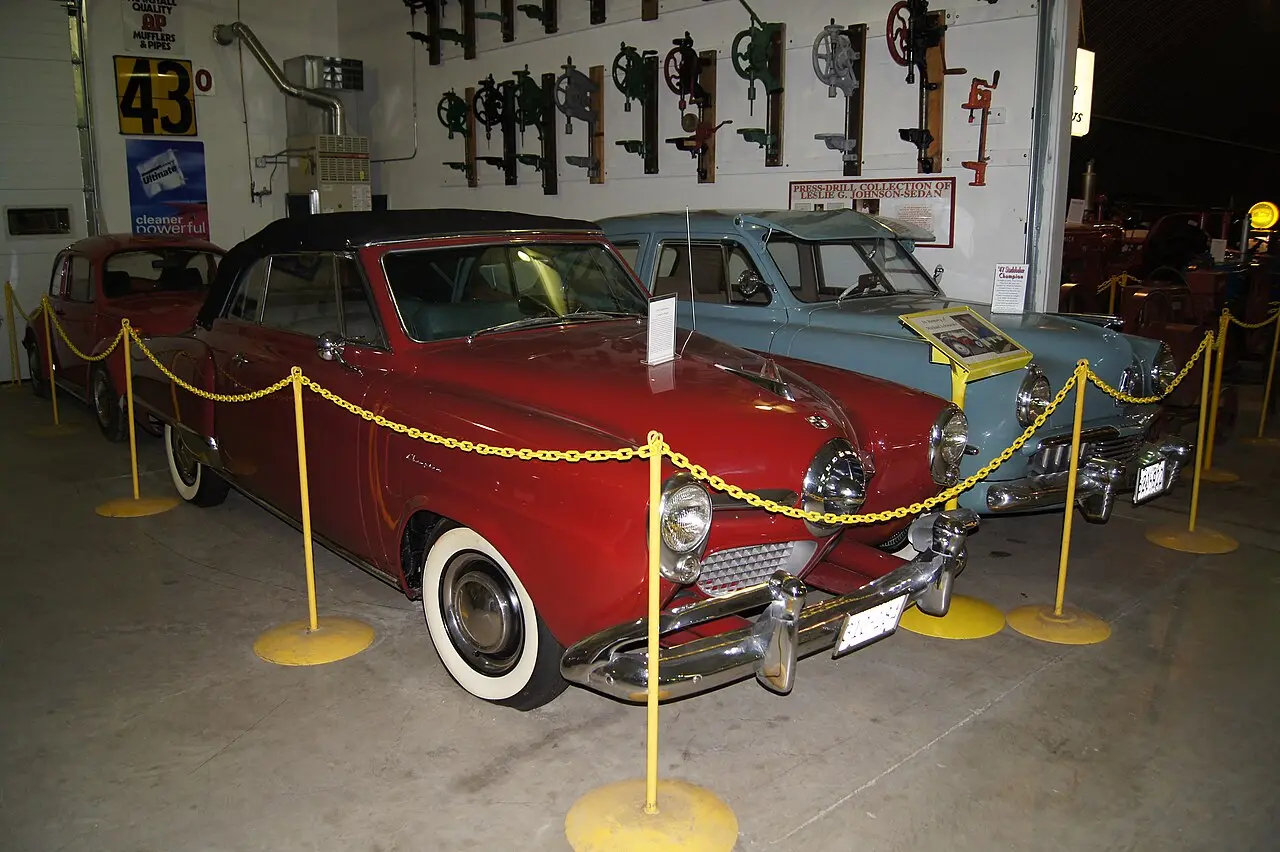
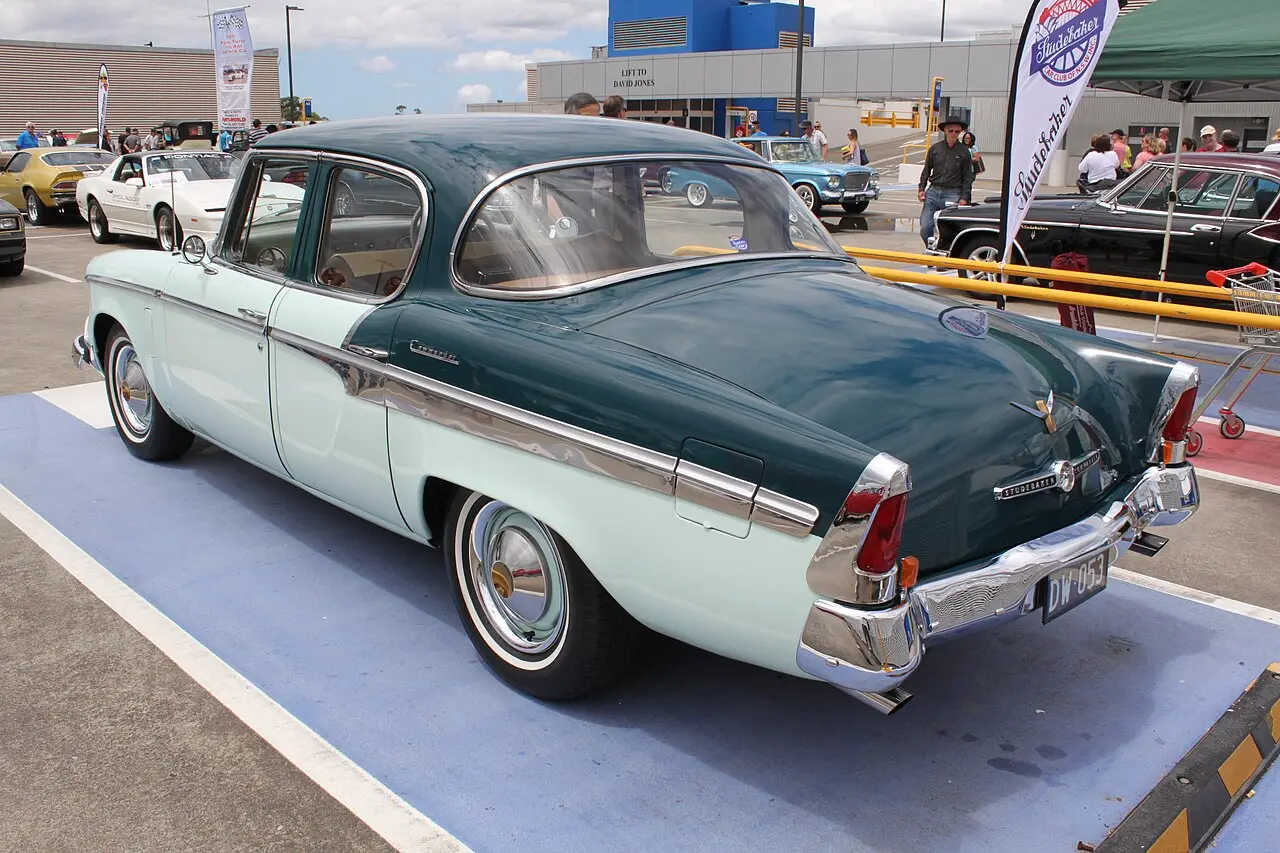
The Champion’s generations are generally grouped as an early pre-war series, a post-war series, and a later, more compact series. The redesign after the war gave the car a fresh body, while the later change in size made it more manageable than the earlier full-sized Champions. The FACTS supplied for this model do not name generation years, so this overview cannot attach dates to those changes.
Studebaker’s post-war styling became one of the company’s signatures. The Champion shared the broader design direction of the range, with a recognisable profile that set it apart from many American sedans. Across its life, it remained a conventional passenger car rather than a specialist or commercial vehicle.
Engines, economy and markets
The Champion used petrol engines, but no engine sizes or power outputs are stated here, so there is no specific figure to quote. The same applies to official fuel consumption and CO₂: there are no market or test-procedure figures to report. Period figures are not directly interchangeable with modern results, and the familiar European WLTP and NEDC, US EPA and Canadian five-cycle procedures belong to different testing frameworks.
Studebaker built cars in the United States and also had a Canadian operation. The market list for this model does not identify any markets, however, so a market-specific account of the Champion’s sales cannot be given. Its place in the marque’s history is clear: it was the more accessible member of the passenger-car range and an important name in Studebaker’s effort to offer distinctive family cars.
Questions and answers
Was the Champion a full-sized car?
Its earlier generations were full-sized, while later versions became more compact.
Where did the Champion sit in Studebaker’s range?
It was the more accessible passenger-car line, below the Commander.
What are its official fuel-consumption and CO₂ figures?
No market-specific consumption or CO₂ figures are stated here.