What is the Chevrolet Epica?
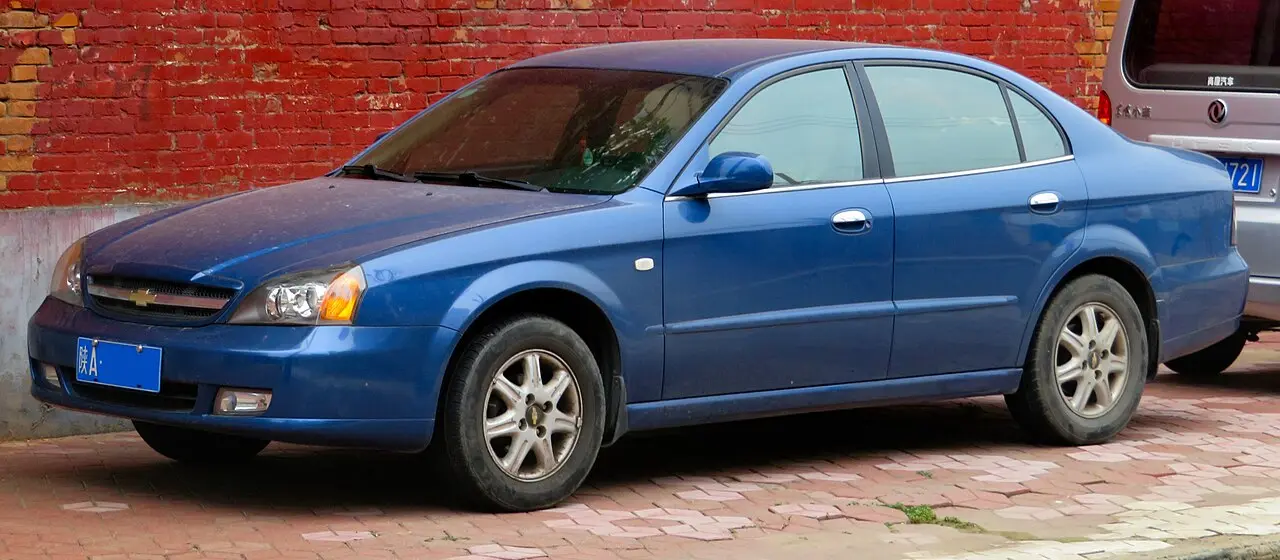
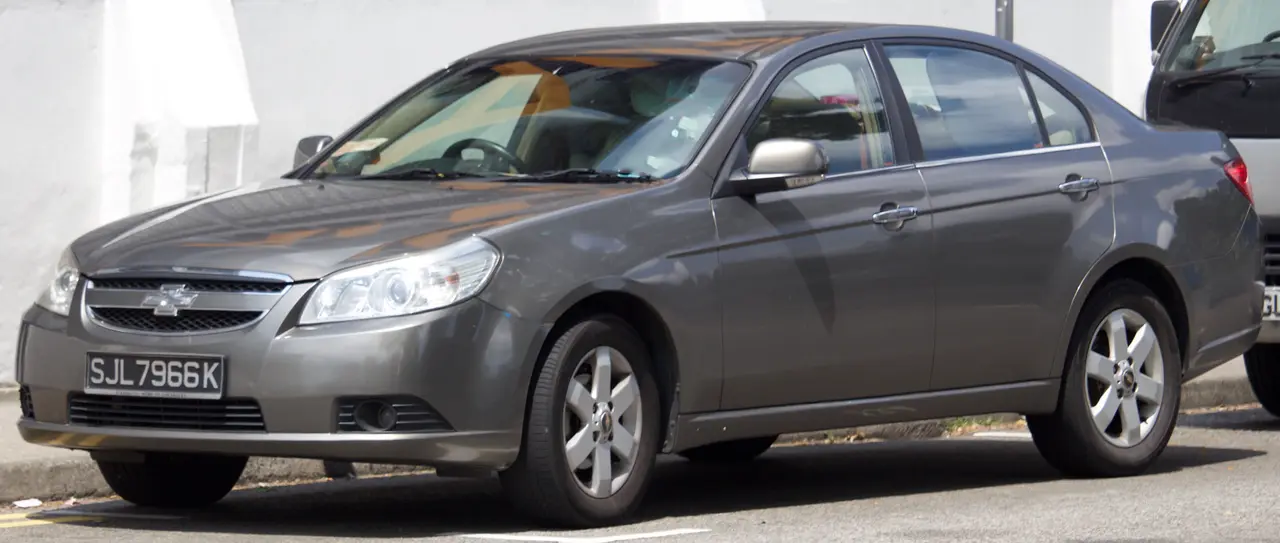
The Epica is a mid-size four-door saloon that Chevrolet sold in selected markets. It sat in the family-car part of the range, with a larger sedan body than a compact hatchback. The model reflects Chevrolet’s international lineup and its ties to the wider General Motors and Daewoo family.
The Epica name covered two generations. The V200 was listed in North America, while the later V250 was marketed in Europe and the UK. The V250 was also known as the Daewoo Tosca in some markets.
Generations, engines and power
The V200 generation ran from 2004 to 2006. The V250 followed from 2006 to 2012. EU registration figures cover 2010–2011, while UK listings cover 2008–2009.
European Union listings span 2.0- to 2.5-litre engines, with diesel, petrol and LPG versions represented. The listed power figure is 110 kW (150 PS). EU registrations show that the 2.0-litre diesel was the most frequently registered configuration in the period shown. North American listings cover a 2.5-litre petrol engine.
Fuel consumption and CO₂
The lowest listed UK consumption is 6.1 L/100 km on the NEDC test. The US EPA listing gives a lowest figure of 11.2 L/100 km, while Canada’s NRCan 5-cycle figure is 11.4 L/100 km. European NEDC, US EPA and Canadian 5-cycle procedures differ, so the results should be considered within their own markets.
EU registration figures record 2,879 Epicas in 2010–2011. They include diesel, petrol and LPG versions, with the 2.0-litre diesel the leading listed configuration.
Where was the Epica sold?
The V200 appears in US and Canadian listings, while the V250 was marketed in the European Union and the United Kingdom. In some markets, the related V250 was known as the Daewoo Tosca.
Questions and answers
What kind of car is the Chevrolet Epica?
It is a mid-size four-door saloon, sold under the Epica name in selected markets.
What generations did the Epica have?
The V200 ran from 2004 to 2006, followed by the V250 from 2006 to 2012.
What is the lowest listed Epica consumption figure?
The UK NEDC listing gives 6.1 L/100 km. The US EPA and Canadian 5-cycle figures are 11.2 and 11.4 L/100 km respectively.