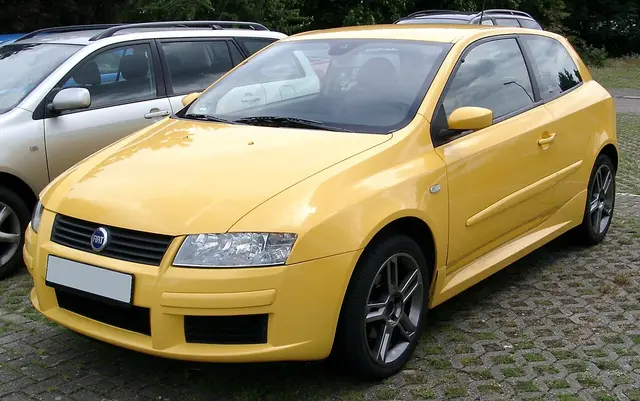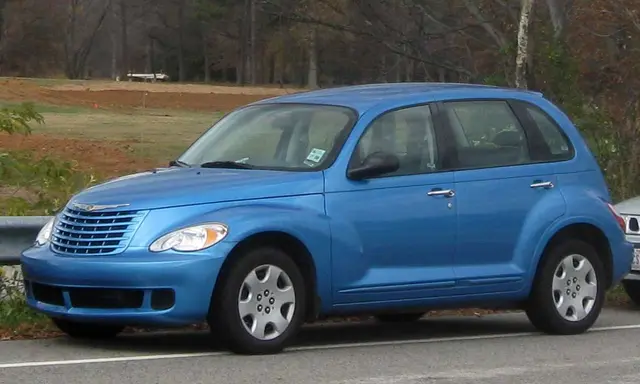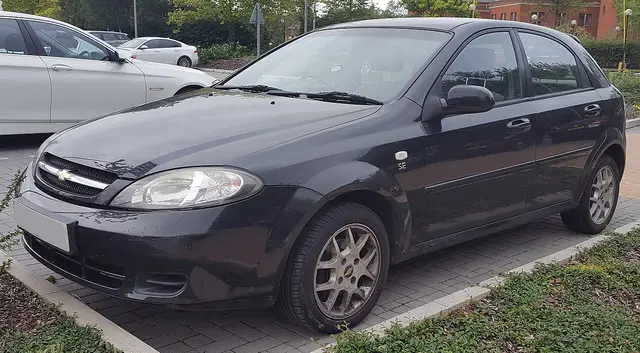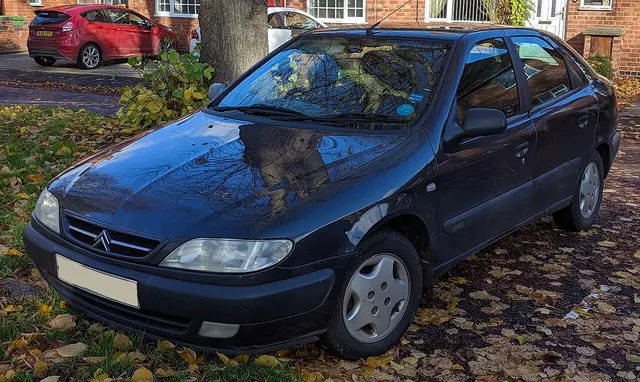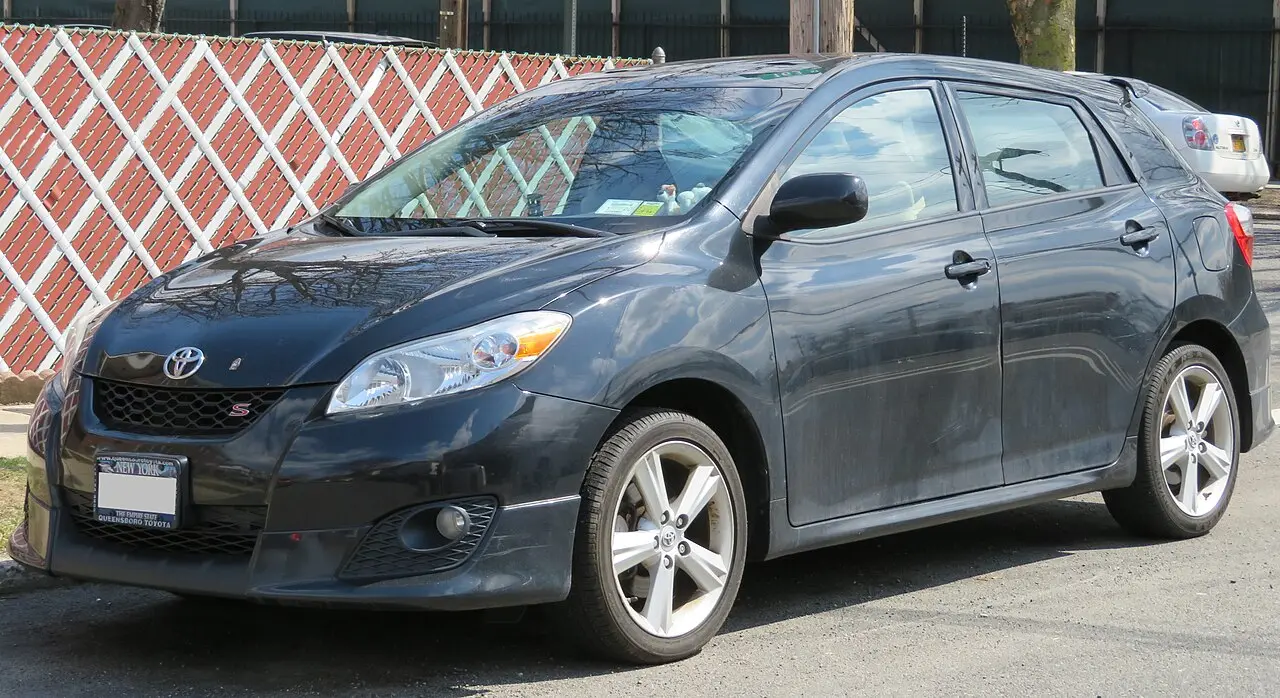
Toyota Matrix

Toyota Matrix
Photo: Elise240SX / Wikimedia Commons · CC BY-SA 4.0

The official data lists 17 versions of the Toyota Matrix (2003 - 2014), in the United States and Canada. Each market publishes its own figures, measured on its own test procedure.

At a glance

Years in the data
2003 - 2014
Markets
United States, Canada
Engines
1.8 L to 2.4 L
Fuels
Petrol
Lowest consumption (United States)
8.1 L/100 km (EPA)
Lowest consumption (Canada)
8.2 L/100 km (5-cycle)

What is the Toyota Matrix?

The Toyota Matrix is a compact, five-door hatchback with a practical cargo area and a taller shape than a conventional sedan. Related to the Corolla, it gave Toyota’s North American compact-car range a more flexible body style for passengers and luggage.

The Matrix was sold in the United States from 2003 to 2013. Its first generation ran from 2003 to 2008, followed by the second generation from 2009 to 2013. In Canada, the generations ran from 2003 to 2008 and 2009 to 2014.

Toyota Matrix generations

The first-generation Matrix, known by Toyota’s E130 code, established the compact hatchback format. The second generation, E140, followed with a redesigned body while keeping the model’s practical role.

The second generation ran from 2009 to 2013 in the United States and through 2014 in Canada.

Engines and fuel consumption

The US range used petrol engines from 1.8 L to 2.4 L. Canada’s full range covered the same engine sizes, while its 2006-2007 listing includes 1.8 L engines.

The US EPA rates the best combined result at 29 MPG, also shown as 8.1 L/100 km. Canada’s lowest listed result is 8.2 L/100 km on the NRCan 5-cycle test. EPA and Canadian 5-cycle results use different procedures, so compare each figure within its market.

Where was the Toyota Matrix sold?

The Matrix was sold in the United States and Canada. US EPA figures span 2003-2013 and 13 versions; Canadian figures span 2003-2014 and 8 versions.

Questions and answers

What kind of car is the Toyota Matrix?

It is a compact, five-door hatchback related to the Corolla, with a practical cargo area.

What engines were offered in the Matrix?

The US and Canadian ranges cover petrol engines from 1.8 L to 2.4 L. Canada’s 2006-2007 listing covers 1.8 L engines.

How economical is the Toyota Matrix?

The best US EPA result is 29 MPG combined, also shown as 8.1 L/100 km. Canada’s lowest listed result is 8.2 L/100 km on the NRCan 5-cycle test.

When was the Toyota Matrix sold?

The first generation ran from 2003 to 2008. The second ran from 2009 to 2013 in the United States and through 2014 in Canada.
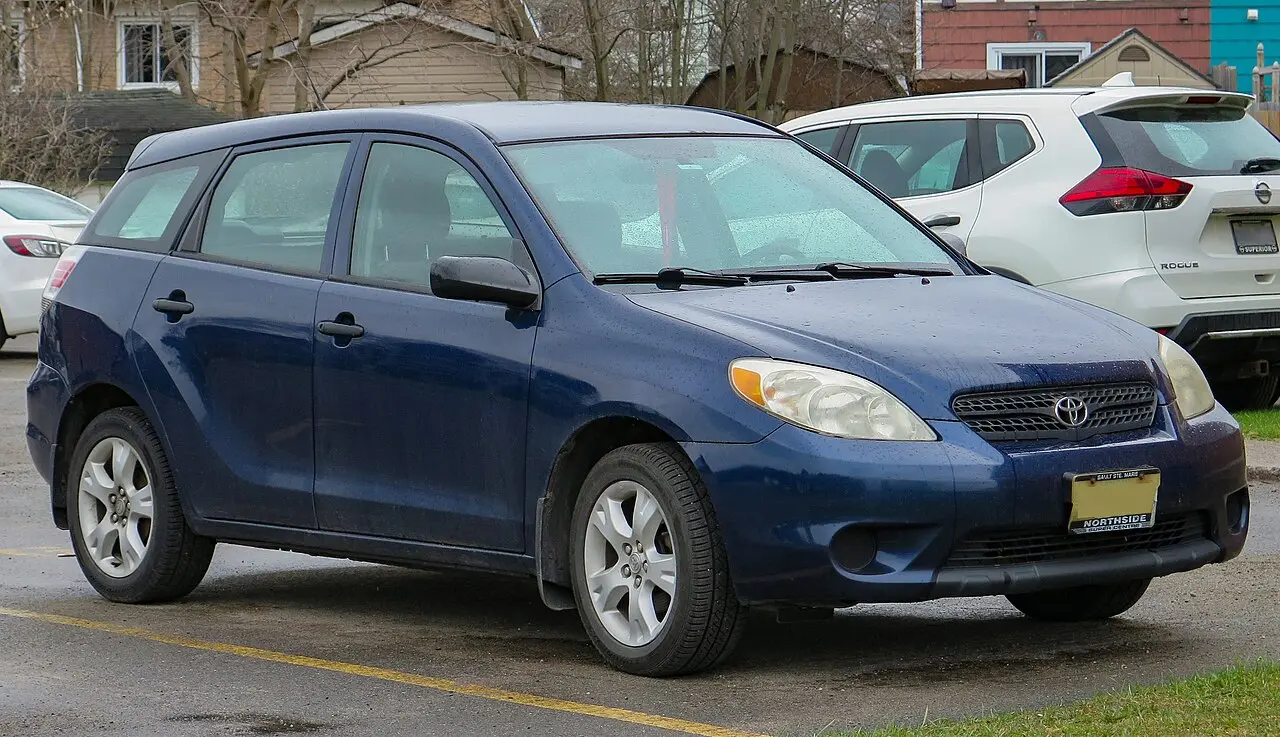
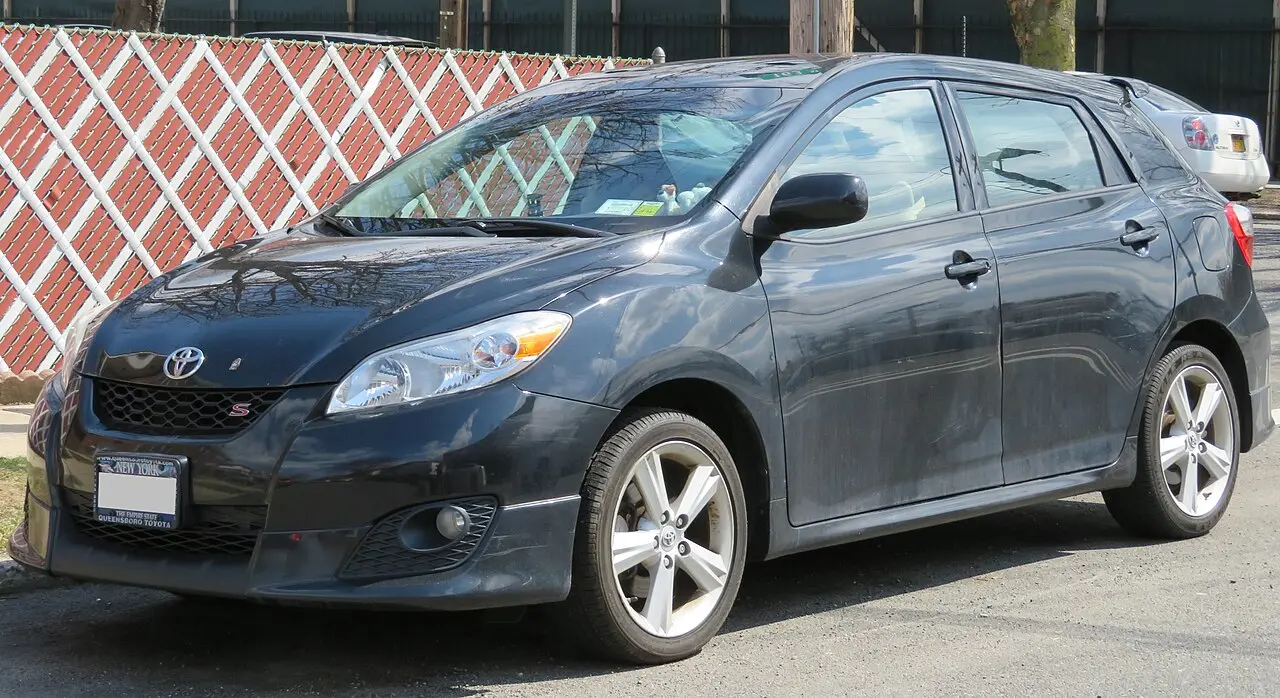
Matrix first generation (2003 - 2008)

Toyota Matrix first generation
Photo: Elise240SX / Wikimedia Commons · CC BY-SA 4.0

Model codes: E130 · Sold in: United States and Canada · References: pressroom.toyota.com

At a glance: Length 4,351 mm Specifications, reliability and all versions

Show all 8 versions

Matrix second generation (2009 - 2013)

Toyota Matrix second generation
Photo: Elise240SX / Wikimedia Commons · CC BY-SA 4.0

Model codes: E140 · Sold in: United States and Canada · References: en.wikipedia.org, cars.com

At a glance: Length 4,370 - 4,390 mm · Kerb weight 1,290 - 1,485 kg Specifications, reliability and all versions

Show all 13 versions

Matrix second generation (2010 - 2012)

Toyota Matrix second generation
Photo: Kevauto / Wikimedia Commons · CC BY-SA 4.0

Model codes: E140 · Sold in: European Union · References: en.wikipedia.org

At a glance: Length 4,370 - 4,390 mm · Kerb weight 1,290 - 1,485 kg Specifications, reliability and all versions

Toyota Matrix recalls

7 official safety recalls for the Toyota Matrix from NHTSA (United States), DVSA (United Kingdom) and the EU Safety Gate, newest first. Recall repairs are normally free at the maker’s dealers.

  • Air bag control unit may disable airbags or pretensioners2011 - 2013
  • Passenger airbag inflator may rupture2009 - 2011
  • Engine control module circuit board may crack2005 - 2008
  • Load capacity labels may be missing2006 - 2010
  • Load capacity labels may be missing2006 - 2010

See all 7 recalls

Official figures are measured on standard test procedures and differ between markets. Your consumption depends on how, where and in what conditions you drive.