The official data lists 12 versions of the MG ZT (2002 - 2006), in the United Kingdom. Each market publishes its own figures, measured on its own test procedure.
At a glance
Years in the data
2002 - 2006
Markets
United Kingdom
Engines
1.8 L to 4.6 L
Power
85 kW (116 PS) to 96 kW (131 PS)
Fuels
Petrol, Diesel
Lowest consumption (United Kingdom)
5.8 L/100 km (NEDC)
What is the MG ZT?
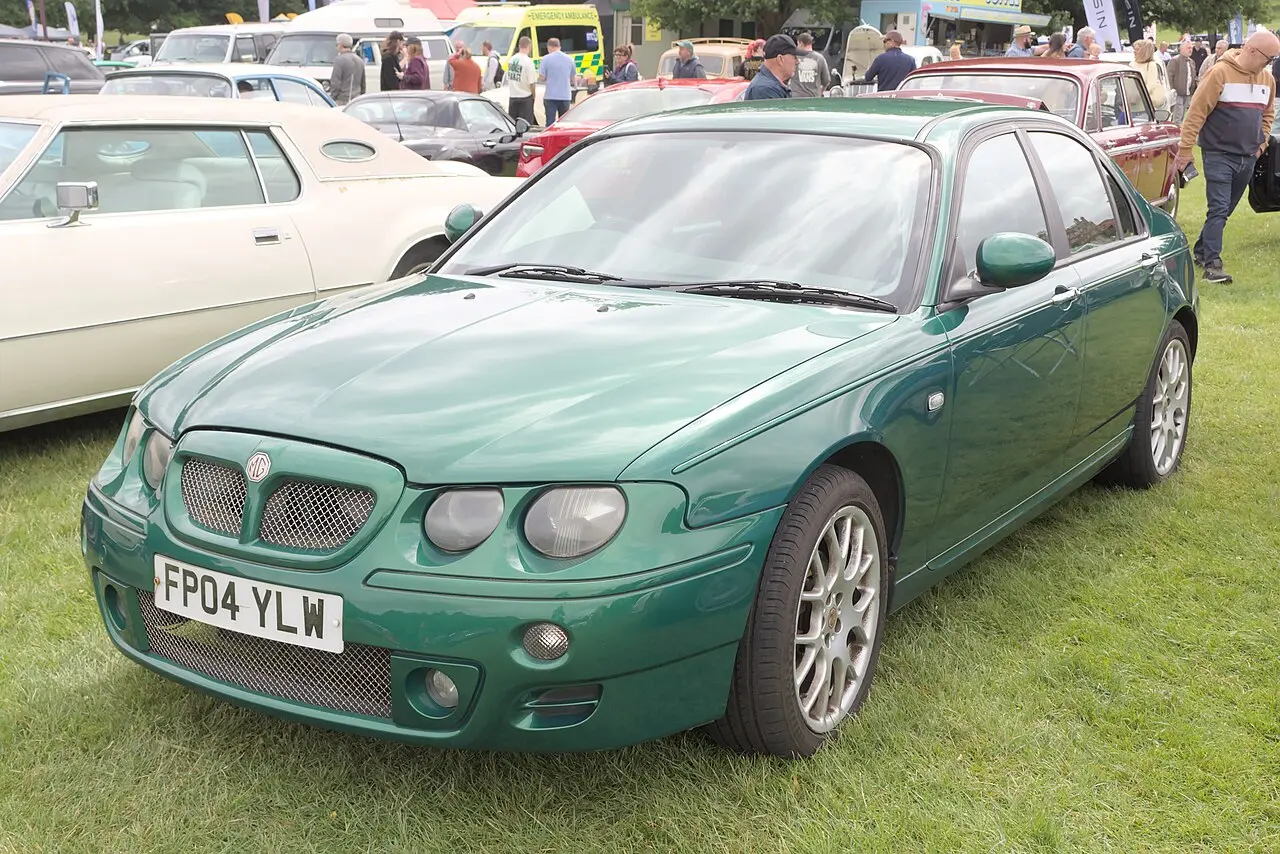
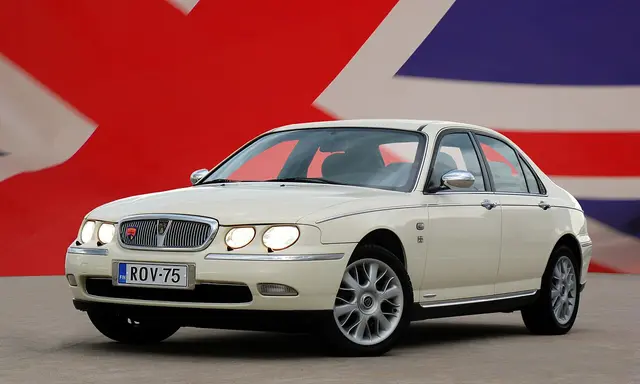
The MG ZT is a sporting saloon based on the Rover 75. Its estate counterpart, the ZT-T, brought the same character to a more practical body style. Together, they gave MG a larger family car alongside its roadsters and smaller models.
The ZT paired the Rover 75’s familiar saloon format with a more assertive sporting design. It was offered with both saloon and estate body styles.
Generation and engines
The first generation is listed for 2002-2005, while UK VCA figures cover the model from 2002 to 2006. Petrol and diesel engines range from 1.8 L to 4.6 L, with listed power from 85 kW (116 PS) to 96 kW (131 PS).
Fuel consumption and where it was sold
The lowest stated UK consumption is 5.8 L/100 km on the NEDC test. NEDC and the later WLTP procedure use different test methods, so their results are not directly comparable. UK VCA figures cover 12 versions from 2002 to 2006.
Questions and answers
Was the MG ZT a saloon or an estate?
The ZT was the saloon, and the related ZT-T was the estate version.
What engines were available in the MG ZT?
UK VCA figures list petrol and diesel engines from 1.8 L to 4.6 L.
What is the lowest listed fuel consumption?
The lowest stated UK figure is 5.8 L/100 km on the NEDC test.
At a glance: Length 4,750 - 4,790 mm · Kerb weight 1,460 - 1,655 kg · Top speed 220 - 225 km/h · MOT first-time pass at 13 years and older: 66.8% (UK average 69.2%) Specifications, reliability and all versions
Show all 12 versions
United Kingdom 12 versions
New cars on sale in the UK, from the Vehicle Certification Agency. NEDC figures until 2018 and WLTP figures after; years are the editions a version appeared in.
Official figures are measured on standard test procedures and differ between markets. Your consumption depends on how, where and in what conditions you drive.