The official data lists 36 versions of the Mazda 626 (1984 - 2002), in the United Kingdom, the United States, and Canada. Each market publishes its own figures, measured on its own test procedure.
At a glance
Years in the data
1984 - 2002
Markets
United Kingdom, United States, Canada
Engines
1.8 L to 2.5 L
Power
85 kW (116 PS) to 100 kW (136 PS)
Fuels
Petrol, Diesel
Lowest consumption (United Kingdom)
5.2 L/100 km (NEDC)
Lowest consumption (United States)
7.1 L/100 km (EPA)
Lowest consumption (Canada)
9.2 L/100 km (5-cycle)
What is the Mazda 626?
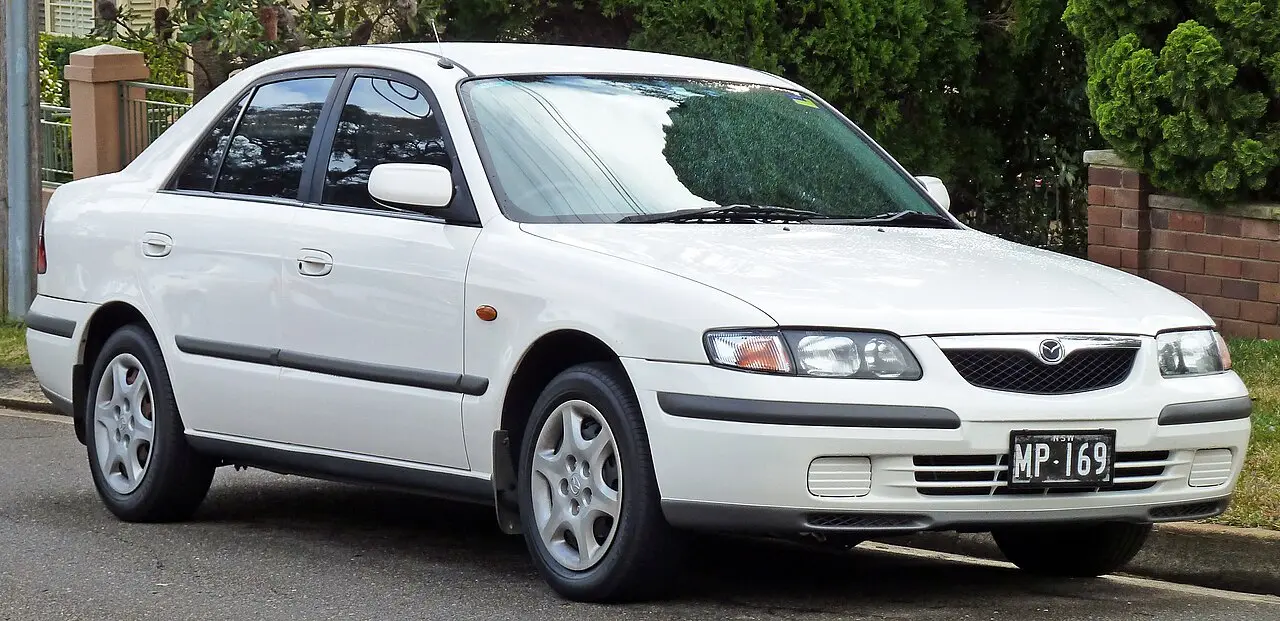
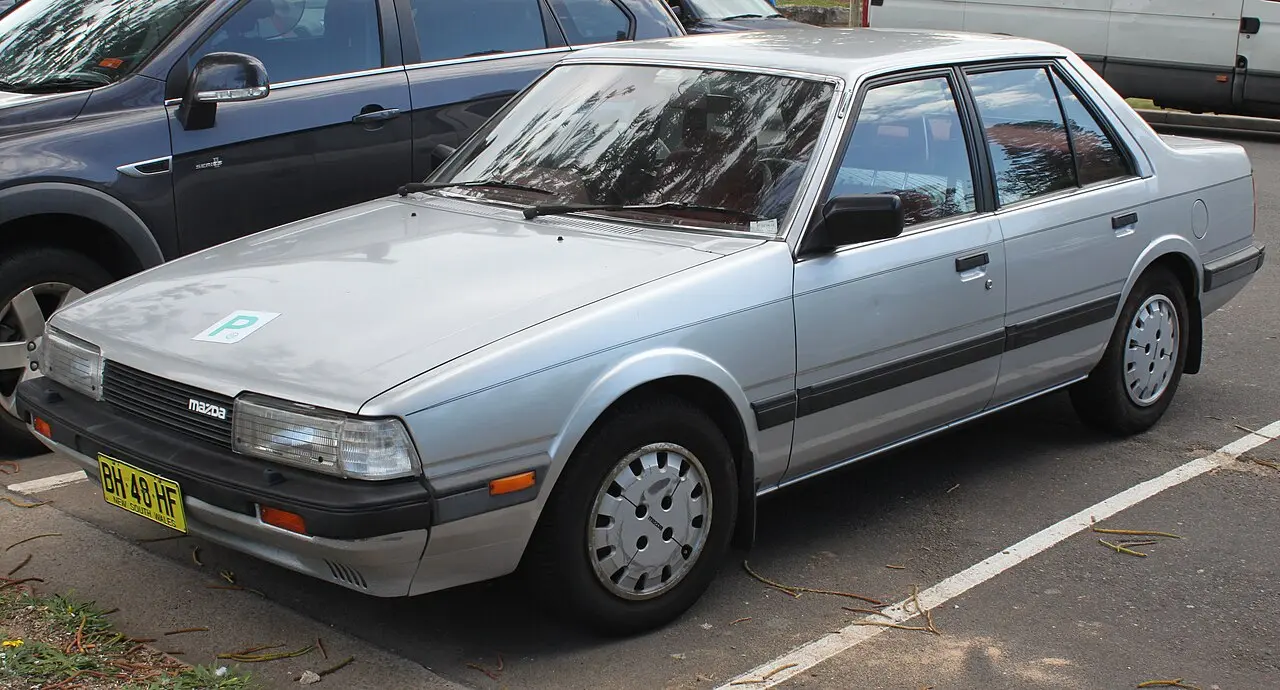
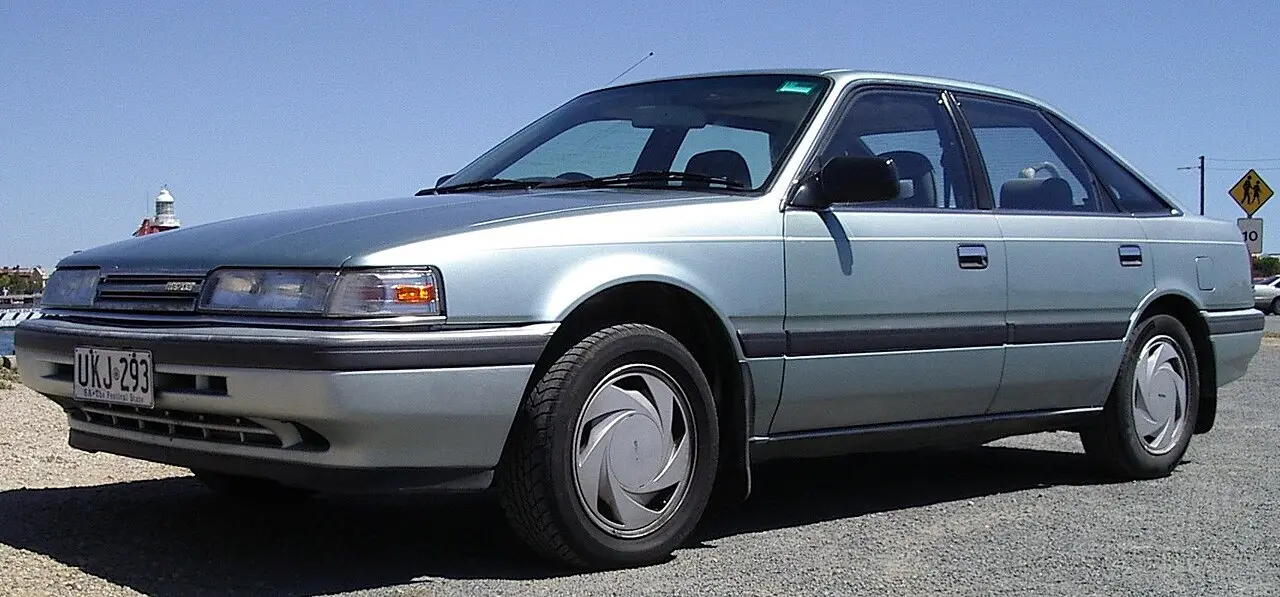
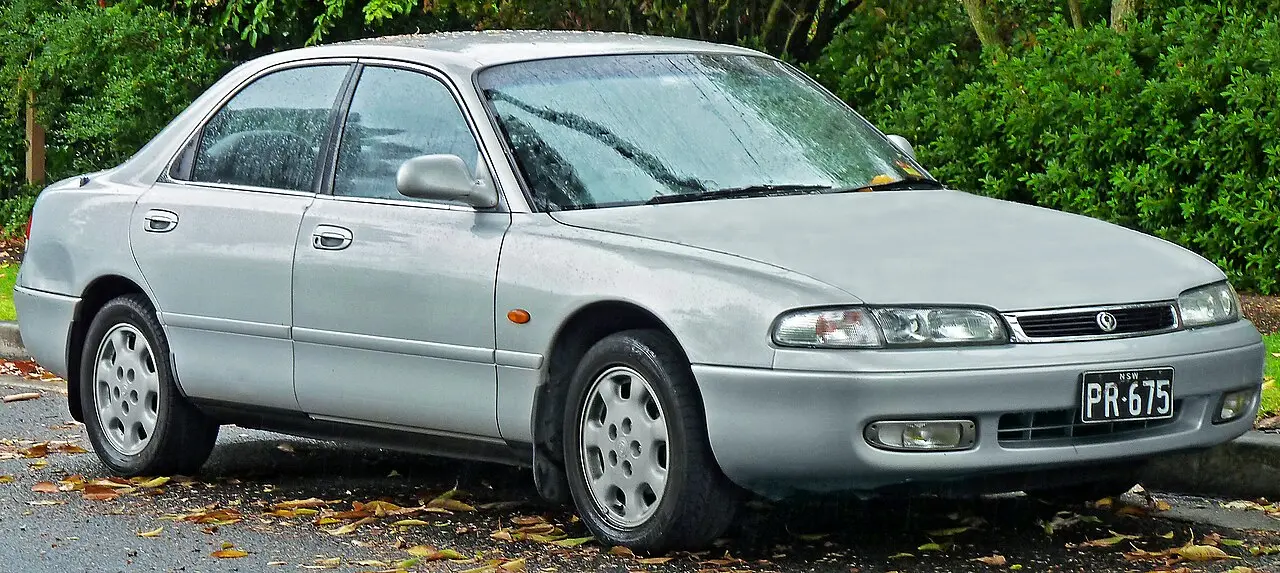
The Mazda 626 was a family car offered in sedan, hatchback and estate forms. It sat between smaller family cars and larger models in Mazda’s range, with space for everyday passenger use. Across its generations, the 626 took on new shapes and designs as tastes changed.
Mazda 626 generations
The 626 GC ran from 1984 to 1987, followed by the GD from 1988 to 1992. The GE covered 1993 to 1997, and the final GF ran from 1998 to 2002. The GD used the GV code for estate versions, while the GF estate was coded GW.
Engines, power and fuel consumption
In the UK, VCA figures cover 2000-2002 cars with 1.8- to 2.0-litre petrol or diesel engines producing 85 kW (116 PS) to 100 kW (136 PS). The lowest listed consumption is 5.2 L/100 km on the NEDC test.
US EPA figures cover 1984-2002 cars with 2.0- to 2.5-litre petrol or diesel engines. The lowest listed consumption is 7.1 L/100 km, and the best combined rating is 33 MPG. In Canada, NRCan figures cover 1995-2002 petrol cars with 2.0- to 2.5-litre engines; the lowest listed consumption is 9.2 L/100 km on the 5-cycle test. Test procedures differ by market: NEDC in Europe, EPA in the USA and 5-cycle in Canada, so the results are not directly comparable.
Where was the Mazda 626 sold?
The 626 was sold in the United Kingdom, the United States and Canada. The years represented vary by market.
Questions and answers
What kind of car is the Mazda 626?
It is a family car offered in sedan, hatchback and estate forms.
What generations of the 626 are covered?
The generations are GC (1984-1987), GD (1988-1992), GE (1993-1997) and GF (1998-2002).
What is the lowest listed fuel consumption?
The UK VCA figure is 5.2 L/100 km on NEDC. The US EPA and Canadian NRCan figures use different test procedures.
Where was the 626 sold?
It was sold in the United Kingdom, the United States and Canada.
New cars on sale in the UK, from the Vehicle Certification Agency. NEDC figures until 2018 and WLTP figures after; years are the editions a version appeared in.
Model years sold in the USA, from the EPA and the Department of Energy (fueleconomy.gov). MPG on the EPA test; litres per 100 km = 235.215 ÷ MPG.
Years and version
Engine
Fuel
Gearbox
Drive
Consumption (combined)
CO₂
1998 - 2002CLKUP
2.0 L
Petrol
4-speed automatic
Front-wheel drive
22 MPG (10.7 L/100 km) EPA
251 g/km
1998 - 2002
2.0 L
Petrol
5-speed manual
Front-wheel drive
25 - 26 MPG (9.0 - 9.4 L/100 km) EPA
212 - 221 g/km
1998 - 2002
2.5 L
Petrol
5-speed manual
Front-wheel drive
21 MPG (11.2 L/100 km) EPA
263 g/km
Canada 4 versions
Model years sold in Canada, from Natural Resources Canada fuel consumption ratings (5-cycle test).
Years and version
Engine
Fuel
Gearbox
Consumption (combined)
CO₂
1998 - 2002Mid-size
2.0 L
Petrol
4-speed automatic
10.7 - 11.2 L/100 km 5-cycle
246 - 258 g/km
1998 - 2002Mid-size
2.0 L
Petrol
5-speed manual
9.2 - 9.6 L/100 km 5-cycle
212 - 221 g/km
1998 - 2002Mid-size
2.5 L
Petrol
4-speed automatic
12.1 L/100 km 5-cycle
278 g/km
1998 - 2002Mid-size
2.5 L
Petrol
5-speed manual
11.8 L/100 km 5-cycle
271 g/km
Mazda 626 recalls
20 official safety recalls for the Mazda 626 from NHTSA (United States), DVSA (United Kingdom) and the EU Safety Gate, newest first. Recall repairs are normally free at the maker’s dealers.
Ignition switch may overheat and catch fire1989 - 2002
Ignition switch may overheat1993 - 1998
Camshaft drive belt may break1998 - 1999
Timing belt tensioner spring may break1998 - 1999
Brake reservoir cap may lack ventilation holes1999 - 2000
Official figures are measured on standard test procedures and differ between markets. Your consumption depends on how, where and in what conditions you drive.