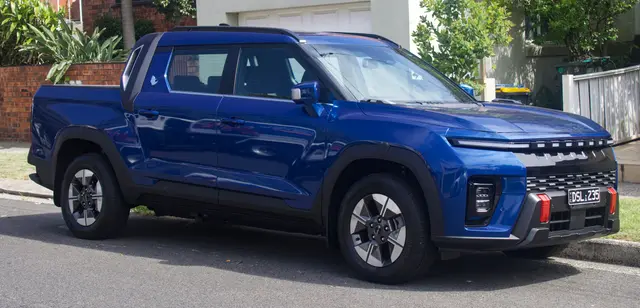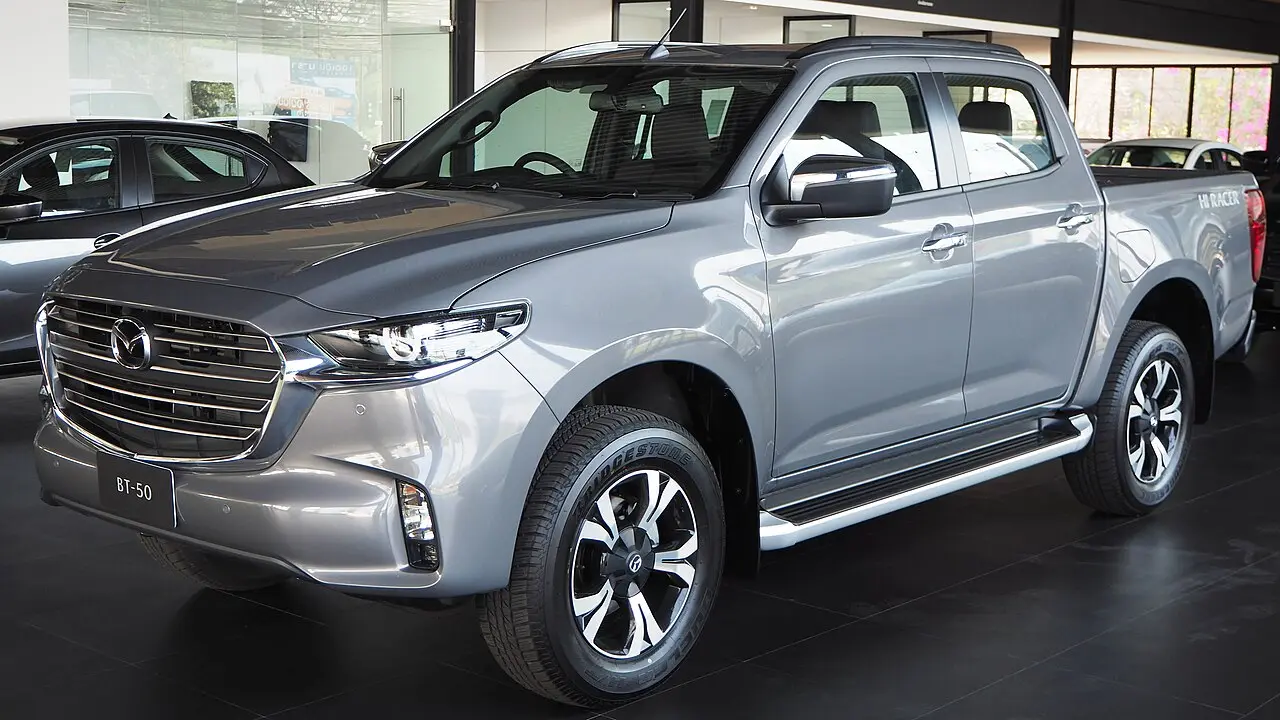
What is the Mazda BT-50?
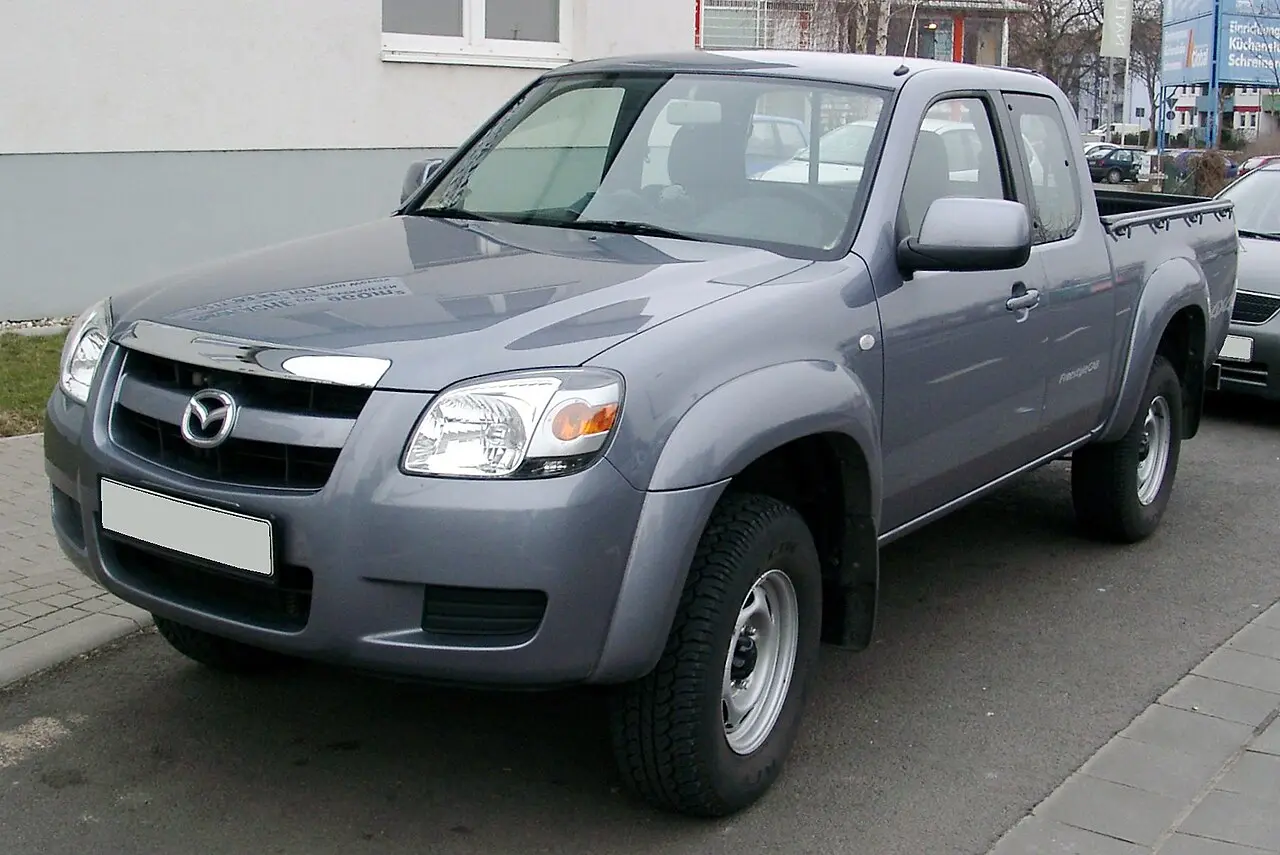
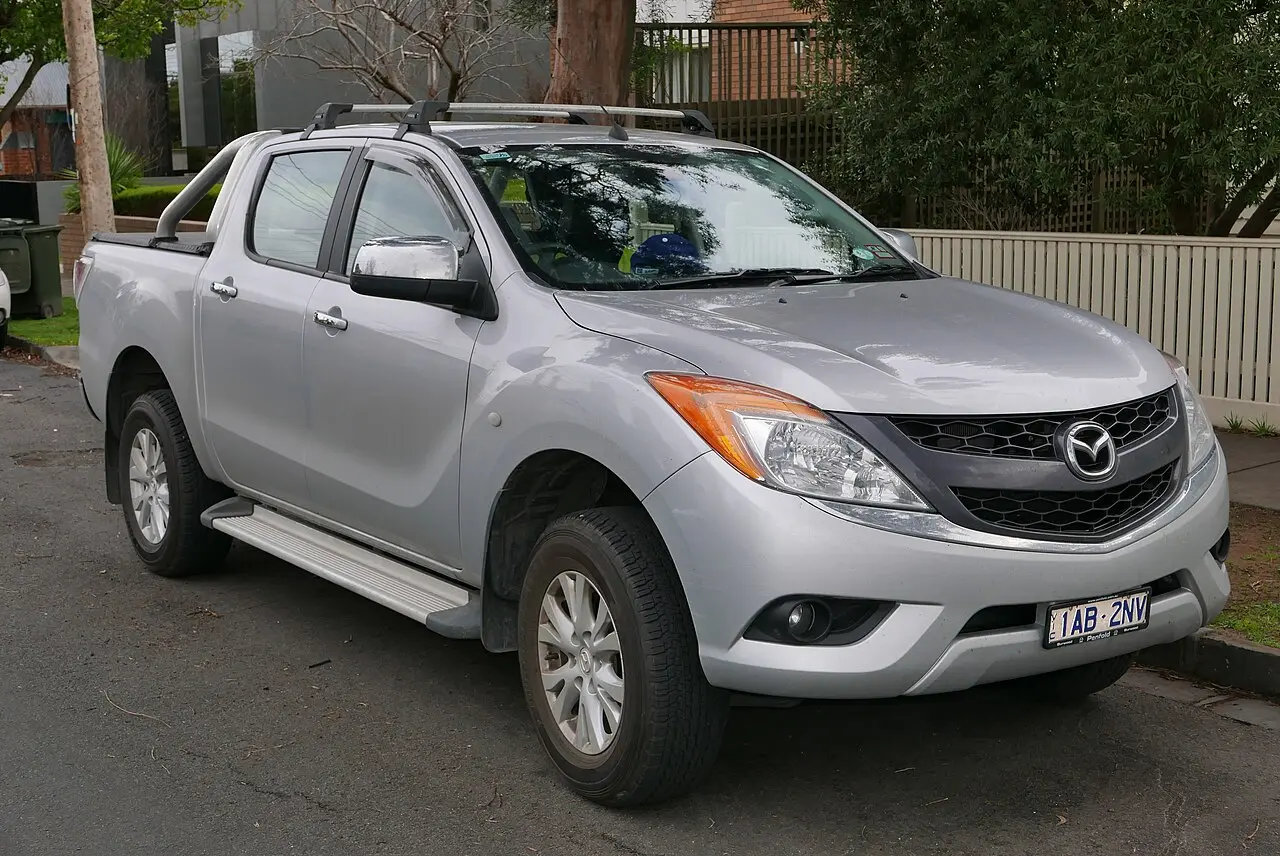
The Mazda BT-50 is a pickup, known as a ute in Australia, for work, travel and everyday use. Its range has included single-cab, extra-cab and dual-cab bodies, with rear-wheel-drive and four-wheel-drive layouts. That gives it room to serve as a practical load carrier or a more versatile vehicle for people who need passenger space as well as a tray.
Mazda’s commercial-vehicle story stretches back to its early three-wheeled pickups and the B-Series. The BT-50 carried that heritage into a newer, more globally named model line. Its design also shifted over time: the second generation brought a more passenger-car-like appearance, while the latest version wears Mazda styling over a different mechanical base.
Generations and engines
The first generation arrived in 2006. The second followed in 2011, with a styling update in 2015. The third generation was unveiled in 2020. Mazda developed the earlier generations alongside Ford’s Ranger as part of a long technical relationship; for the third, Mazda partnered with Isuzu, which supplies the vehicle on an original-equipment basis.
Engine choices have varied by generation and market. Mazda’s own history of the model describes the second generation with a four-cylinder turbodiesel and a five-cylinder turbodiesel. The current generation is based on the Isuzu D-Max. Exact engine capacities and power outputs depend on the version and market, so check the relevant model table for the specification of a particular BT-50.
Fuel consumption, emissions and markets
The BT-50 is sold in markets where pickups are often used for both work and leisure, including Australia. Official fuel-consumption and CO₂ figures depend on the specific version and the market’s test procedure. European figures may use WLTP or the older NEDC procedure; the US uses EPA testing, while Canada uses its five-cycle test. These results are not directly interchangeable. Consult the applicable market figures for a particular vehicle.
Questions and answers
When did the Mazda BT-50 first appear?
Mazda unveiled the first-generation BT-50 in 2006.
How many generations of BT-50 are described?
Three: the first arrived in 2006, the second in 2011, and the third in 2020.
What kind of body styles has the BT-50 had?
Its range has included single-cab, extra-cab and dual-cab pickups.
Does every BT-50 have the same fuel-consumption figure?
No. Figures vary by version, market and test procedure.