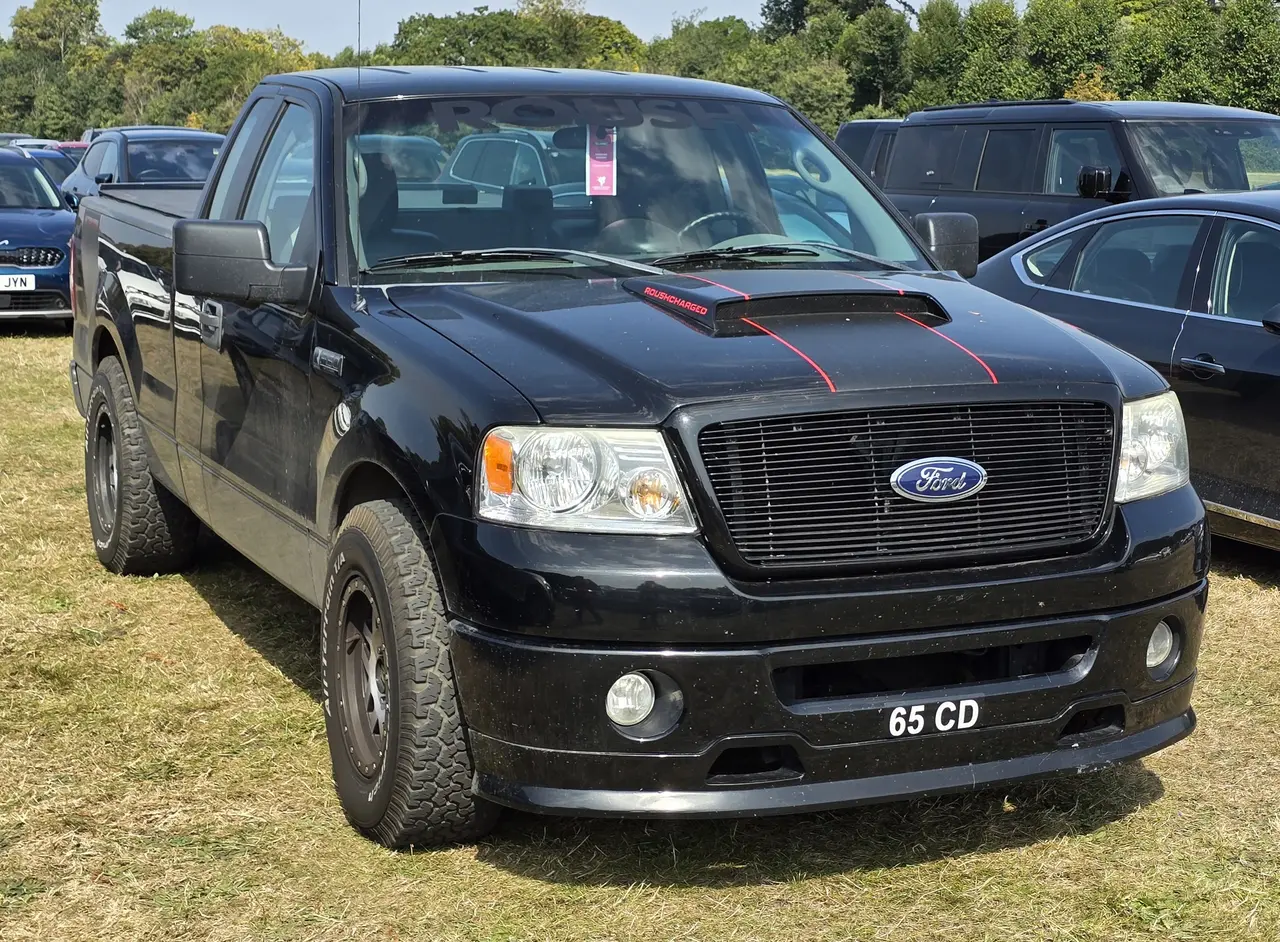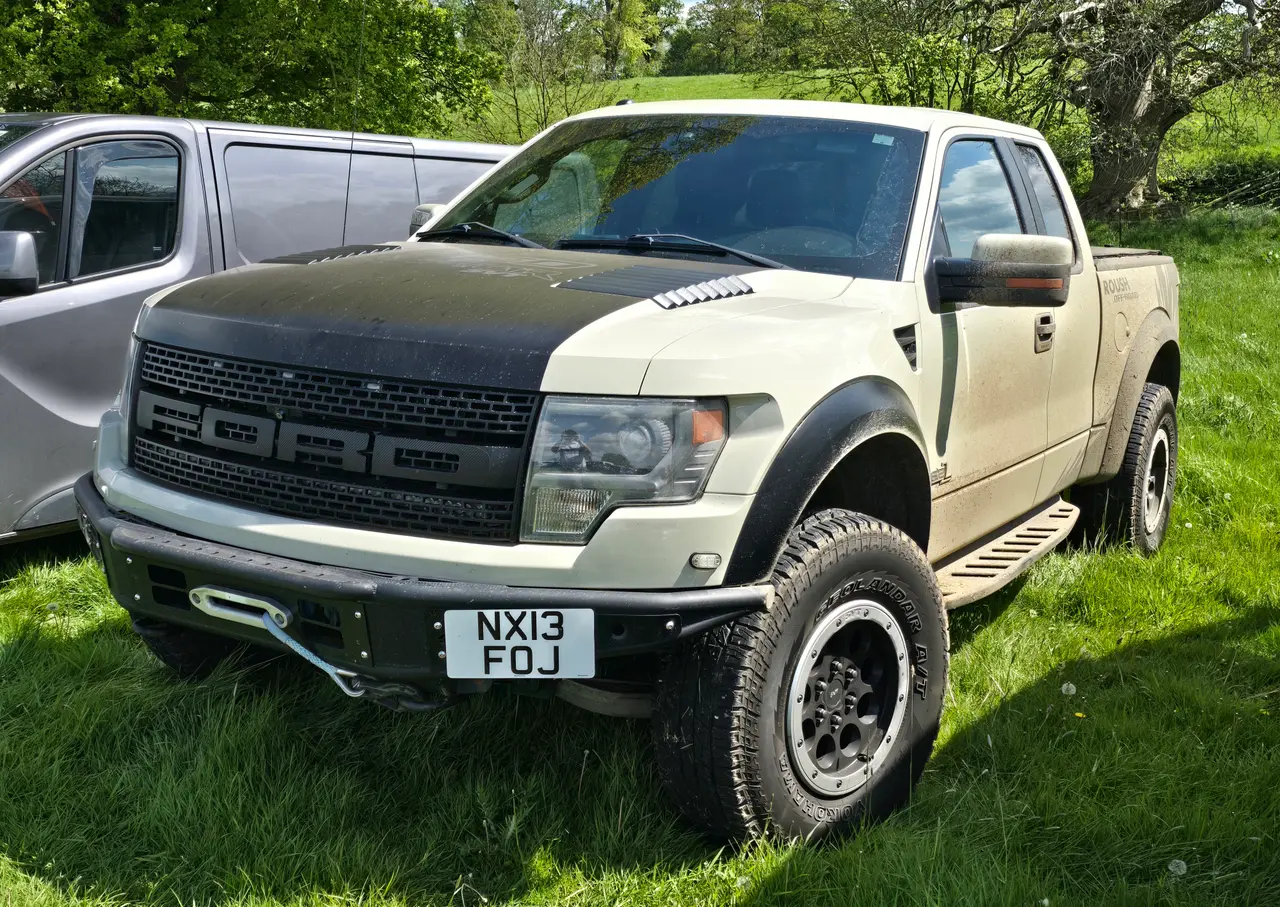
What is the Roush F-150?
The Roush F-150 is a performance-focused take on Ford’s full-size pickup, developed by Roush Performance. It combines the F-150’s truck design with Roush styling and performance equipment. Founded by Jack Roush, the company has roots in engineering and motorsport, and its Ford-based vehicles include pickups as well as sports cars.
The F-150 is a full-size, light-duty pickup used for work, towing and everyday driving. Roush versions add distinctive styling and performance equipment. The Nitemare is one example of Roush’s F-150 range.
Generations and engines
Roush F-150 versions span three F-Series generations: the eleventh generation (2006–2008), twelfth generation (2009–2014) and thirteenth generation (2015–2020). The thirteenth-generation F-150 introduced an aluminum-alloy body, while retaining a steel frame.
The petrol engines range from 5.0 L to 6.2 L. Roush packages vary, combining styling and performance changes with the corresponding Ford pickup.
How economical is the Roush F-150?
For United States models, the EPA combined rating reaches 13 MPG. The lowest listed consumption figure is 18.1 L/100 km on the EPA test. EPA testing differs from Europe’s WLTP and NEDC procedures and Canada’s 5-cycle test, so figures across these markets are not directly comparable.
Official US registration figures cover 16 versions from 2006 to 2020.
Where was the Roush F-150 sold?
Official EPA figures cover Roush F-150 versions in the United States from 2006 to 2020. Roush’s F-150 packages bring the company’s performance engineering and styling to a pickup.
Questions and answers
Which F-150 generations are covered?
The eleventh generation (2006–2008), twelfth generation (2009–2014) and thirteenth generation (2015–2020).
What engines were used in the Roush F-150?
The petrol engines range from 5.0 L to 6.2 L.
What is the Roush F-150’s EPA fuel economy?
The best combined rating listed is 13 MPG, and the lowest consumption figure is 18.1 L/100 km on the EPA test.
Where can I find official figures for Roush F-150 versions?
The United States, where EPA figures cover 16 versions from 2006 to 2020.