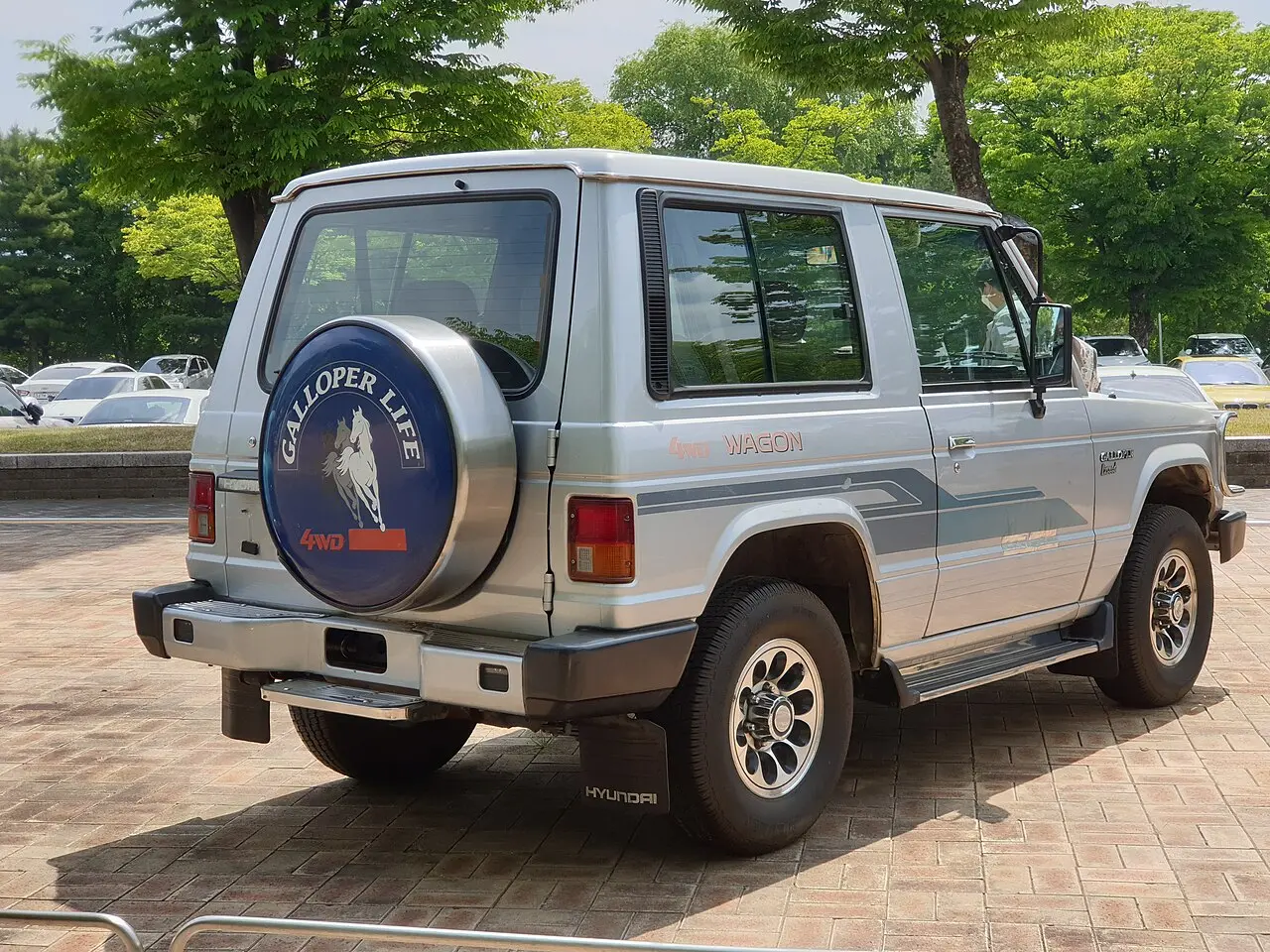
What is the Hyundai Galloper?
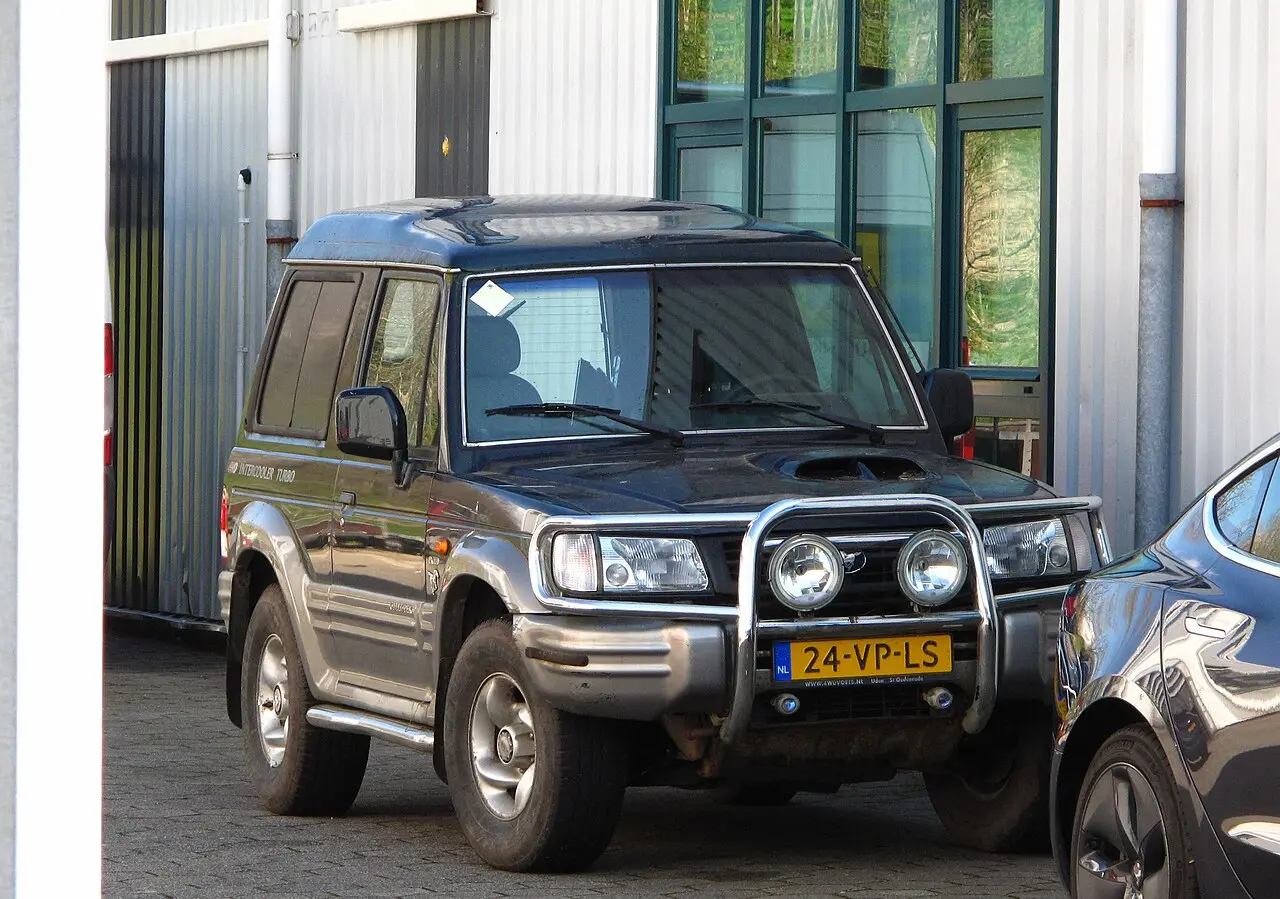
The Galloper is a mid-size, off-road SUV from Hyundai. Its boxy, purposeful shape and four-wheel-drive character place it among the rugged utility vehicles of its era. It was offered in multiple body styles, including versions with different door counts, which gave it the flexibility to serve as a family vehicle or a more work-focused 4x4.
Galloper generations and design
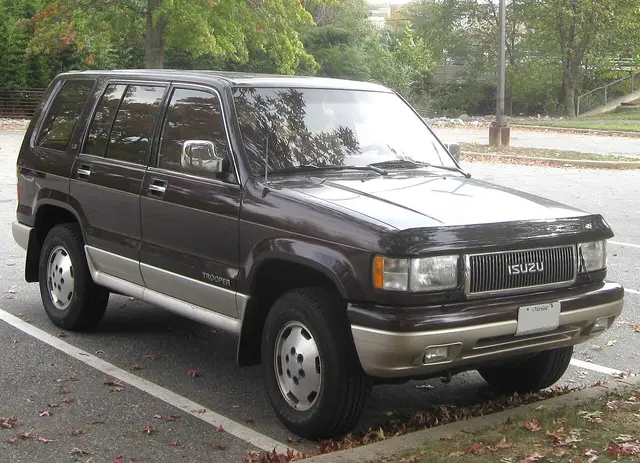
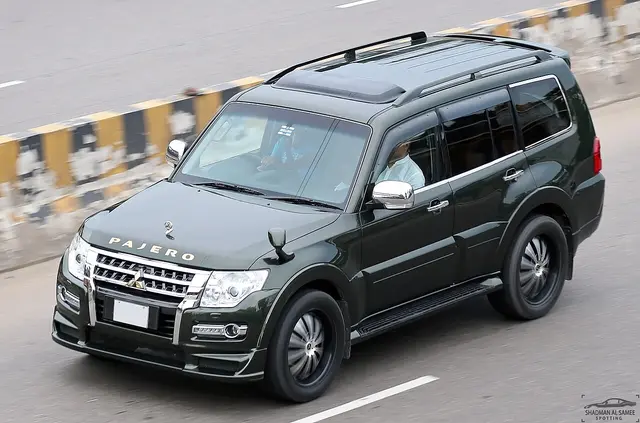
The Galloper’s model history is commonly divided into the original Galloper and the Galloper II. The later version brought a refreshed appearance while keeping the model’s established off-road identity. The Galloper was based on an earlier Mitsubishi Pajero design, assembled by Hyundai Precision. It marked an important step for Hyundai in the four-wheel-drive market and helped establish the company’s presence beyond passenger cars.
Engines, power and emissions
The Galloper was sold with more than one engine and powertrain configuration, but official engine sizes, output, fuel-consumption and CO₂ figures are not stated here. Figures for a vehicle like this depend on its particular version and market. Where official consumption tests are compared across regions, the procedures differ: Europe uses WLTP or NEDC, the USA uses EPA testing, and Canada uses a five-cycle test.
Where was the Galloper sold?
Hyundai’s history identifies the Galloper as a mid-size SUV, and the model was also exported beyond its home market. The specific countries and market-by-market figures are not stated here. Its combination of a practical SUV body and off-road purpose made it a distinctive part of Hyundai’s range during its production life.
Questions and answers
What type of vehicle is the Hyundai Galloper?
It is a mid-size, off-road SUV.
Was there a Galloper II?
Yes. The model history includes the original Galloper and a later Galloper II with a refreshed appearance.
Was the Galloper based on another vehicle?
Yes. It was based on an earlier Mitsubishi Pajero design and assembled by Hyundai Precision.
What are the Galloper’s official fuel-consumption and CO₂ figures?
Those figures are not stated here.