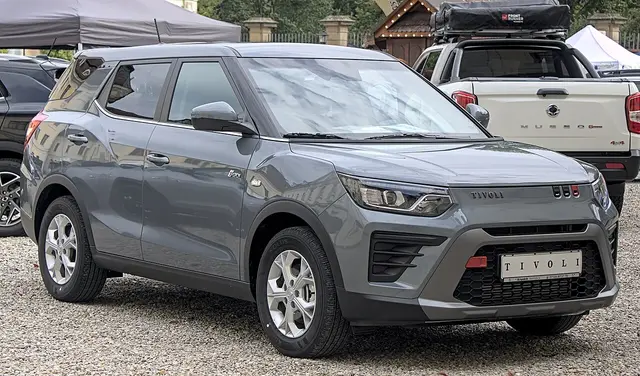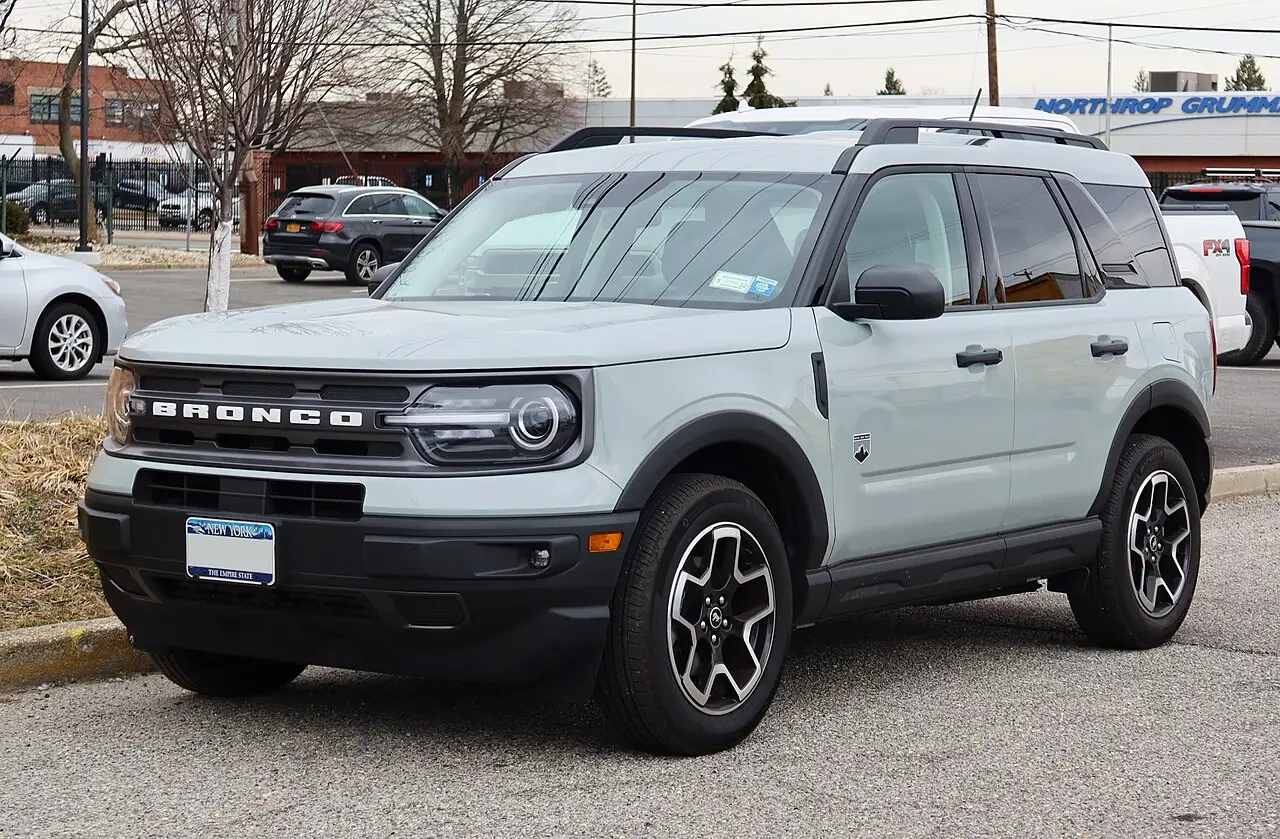
Ford Bronco Sport

Ford Bronco Sport
Photo: Kevauto / Wikimedia Commons · CC BY-SA 4.0

The official data lists 7 versions of the Ford Bronco Sport (2021 - 2026), in the United States and Canada. Each market publishes its own figures, measured on its own test procedure.

At a glance

Years in the data
2021 - 2026
Markets
United States, Canada
Engines
1.5 L to 2.0 L
Fuels
Petrol
Lowest consumption (Canada)
8.6 L/100 km (5-cycle)
Lowest consumption (United States)
8.7 L/100 km (EPA)

What is the Ford Bronco Sport?

The Bronco Sport is a compact SUV in Ford’s Bronco family. Its upright shape and practical layout suit everyday driving as well as outdoor trips. Ford introduced it for the 2021 model year, bringing the Bronco name to a smaller SUV.

The Bronco Sport is in its first generation, listed from 2021 onward. Its design and equipment reflect the Bronco family’s focus on outdoor use, in a more compact format.

Engines and power

US EPA and Canadian NRCan listings cover petrol engines from 1.5 to 2.0 litres. Ford offers 1.5-litre and 2.0-litre EcoBoost engines, depending on version.

How economical is the Ford Bronco Sport?

The lowest listed consumption is 8.7 L/100 km in the United States and 8.6 L/100 km in Canada. The US figure comes from the EPA, while Canada uses NRCan’s 5-cycle procedure. Test methods differ, so these figures are best read within their own markets.

Where is the Bronco Sport listed?

US EPA and Canadian NRCan listings cover the Bronco Sport from 2021 through 2026. The US figures use EPA procedures, while Canadian figures use NRCan’s 5-cycle test.

Questions and answers

What kind of vehicle is the Bronco Sport?

It is a compact SUV and part of Ford’s Bronco family.

Which engines are listed?

The US and Canadian listings cover petrol engines from 1.5 to 2.0 litres.

What is its lowest listed fuel consumption?

The lowest listed figure is 8.7 L/100 km in the US EPA listings and 8.6 L/100 km in Canada’s NRCan 5-cycle listings.

How many generations does it have?

The Bronco Sport is in its first generation, listed from 2021 onward.
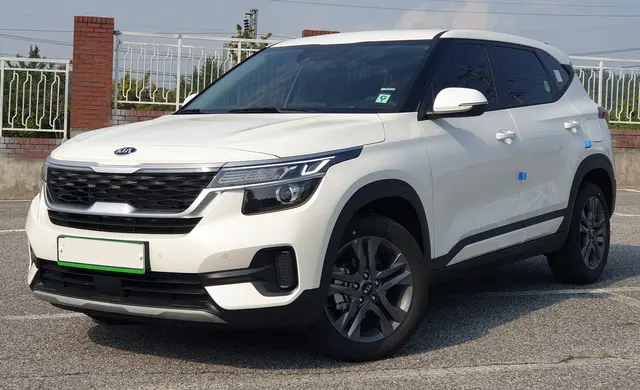
Bronco Sport first generation (since 2021)

Ford Bronco Sport first generation
Photo: Kevauto / Wikimedia Commons · CC BY-SA 4.0

References: iseecars.com, fromtheroad.ford.com

At a glance: Length 4,390 mm · Kerb weight 1,568 - 1,684 kg · Top speed 180 - 182 km/h Specifications, reliability and all versions

United States 5 versions

Model years sold in the USA, from the EPA and the Department of Energy (fueleconomy.gov). MPG on the EPA test; litres per 100 km = 235.215 ÷ MPG.

Years and versionEngineFuelGearboxDriveConsumption (combined)CO₂
2025 - 2026SIDI & PFI1.5 LPetrol8-speed automaticPart-time four-wheel drive27 MPG (8.7 L/100 km) EPA201 g/km
2025 - 2026SIDI & PFI1.5 LPetrol8-speed automaticFour-wheel drive24 MPG (9.8 L/100 km) EPA230 g/km
2025 - 2026SIDI & PFI2.0 LPetrol8-speed automaticFour-wheel drive23 MPG (10.2 L/100 km) EPA240 g/km
2021 - 2024SIDI1.5 LPetrol8-speed automaticAll-wheel drive26 MPG (9.0 L/100 km) EPA213 g/km
2021 - 2024SIDI2.0 LPetrol8-speed automaticPart-time four-wheel drive23 MPG (10.2 L/100 km) EPA240 g/km

Canada 2 versions

Model years sold in Canada, from Natural Resources Canada fuel consumption ratings (5-cycle test).

Years and versionEngineFuelGearboxConsumption (combined)CO₂
2021 - 2026Sport utility vehicle: Small1.5 LPetrol8-speed automatic8.6 - 9.7 L/100 km 5-cycle201 - 228 g/km
2021 - 2026Sport utility vehicle: Small2.0 LPetrol8-speed automatic10.1 - 10.2 L/100 km 5-cycle237 - 240 g/km

Ford Bronco Sport recalls

32 official safety recalls for the Ford Bronco Sport from NHTSA (United States), DVSA (United Kingdom) and the EU Safety Gate, newest first. Recall repairs are normally free at the maker’s dealers.

  • Vehicle joints may be improperly tightened2026
  • Engine pistons may fail2026
  • Front control arm ball joint may disconnect2021 - 2026
  • Engine block heater may overheat2026
  • Passenger sensor may detect occupants incorrectly2025 - 2026

See all 32 recalls

Official figures are measured on standard test procedures and differ between markets. Your consumption depends on how, where and in what conditions you drive.