What is the Subaru Z?
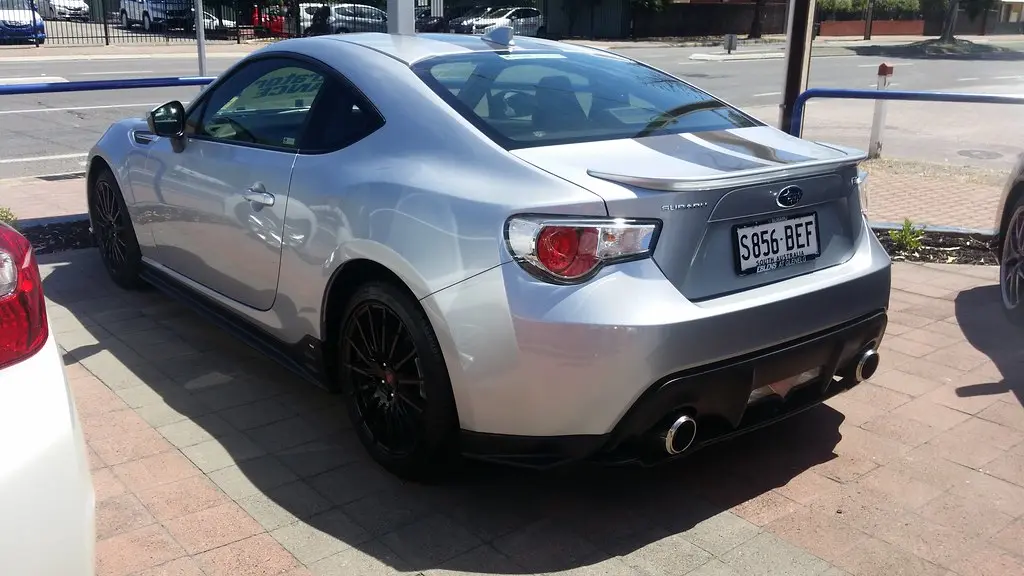
The Subaru Z in EU registration figures is the BRZ sports coupe, with a low, two-door shape and a focused driving position. It adds a rear-wheel-drive sports car to a range strongly associated with Subaru’s horizontally opposed Boxer engines and all-wheel drive.
EU registrations cover 2012 to 2020. Subaru introduced the BRZ in 2012 as a front-engine, rear-wheel-drive coupe with a low-mounted Boxer engine. Its flat layout helps keep the engine’s mass low in the car.
Engines and power
The EU versions listed use a 2.0 L petrol engine producing 147 kW (200 PS).
Fuel consumption and CO₂
European fuel-consumption and emissions procedures have changed over time, including NEDC and WLTP. Any official figure should be read alongside the test procedure used for that version.
Where was the Z sold?
EU EEA registrations cover 2012 to 2020 and total 1,787.
Questions and answers
What kind of car is the Subaru Z?
It is a compact sports coupe with a front-mounted Boxer engine and rear-wheel drive.
What engine and power are listed?
The EU versions use a 2.0 L petrol engine rated at 147 kW (200 PS).
What years do the EU figures cover?
They cover 2012 to 2020.
What fuel-consumption and CO₂ information is available?
The EU figures give registrations, engine and power details. European test procedures include NEDC and WLTP.