Abarth

Abarth 500

Abarth 500
Photo: Sjoerd95 / Wikimedia Commons · CC BY-SA 3.0

The official data lists 63 versions of the Abarth 500 (2009–2025), in the European Union and the United Kingdom. Each market publishes its own figures, measured on its own test procedure.

At a glance

Years in the data
2009–2025
Markets
European Union, United Kingdom
Engines
1.4 L
Power
47 kW (64 PS) to 142 kW (193 PS)
Fuels
Electric, Petrol
Lowest consumption (United Kingdom)
5.8 L/100 km (NEDC)
Lowest consumption (European Union)
6.8 L/100 km (WLTP)
New registrations in the EU
53,044

What is the Abarth 500?

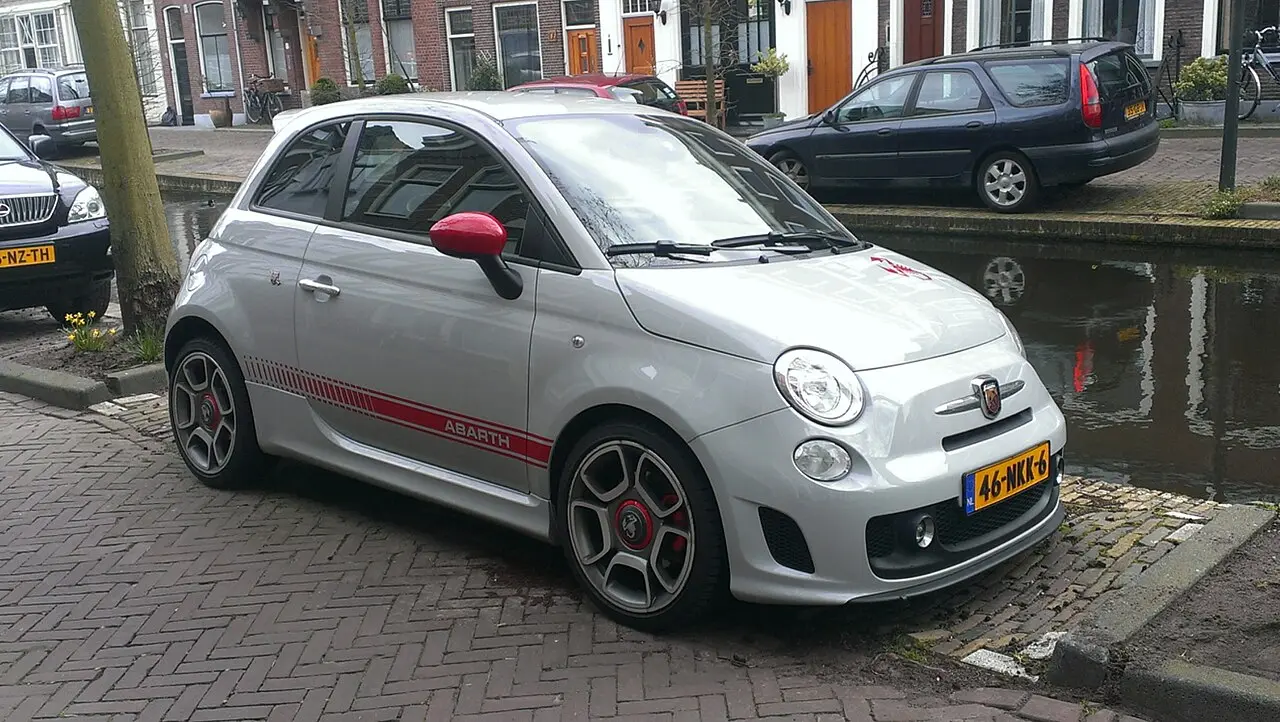
The Abarth 500 is a small hatchback with a sporting character, also offered as the 500C convertible. It brings Abarth’s tuning heritage to the compact Fiat 500 shape, making it well suited to city streets and drivers who enjoy a more lively feel. Founded by Carlo Abarth, the marque became known for tuned Fiat-based road and competition cars.

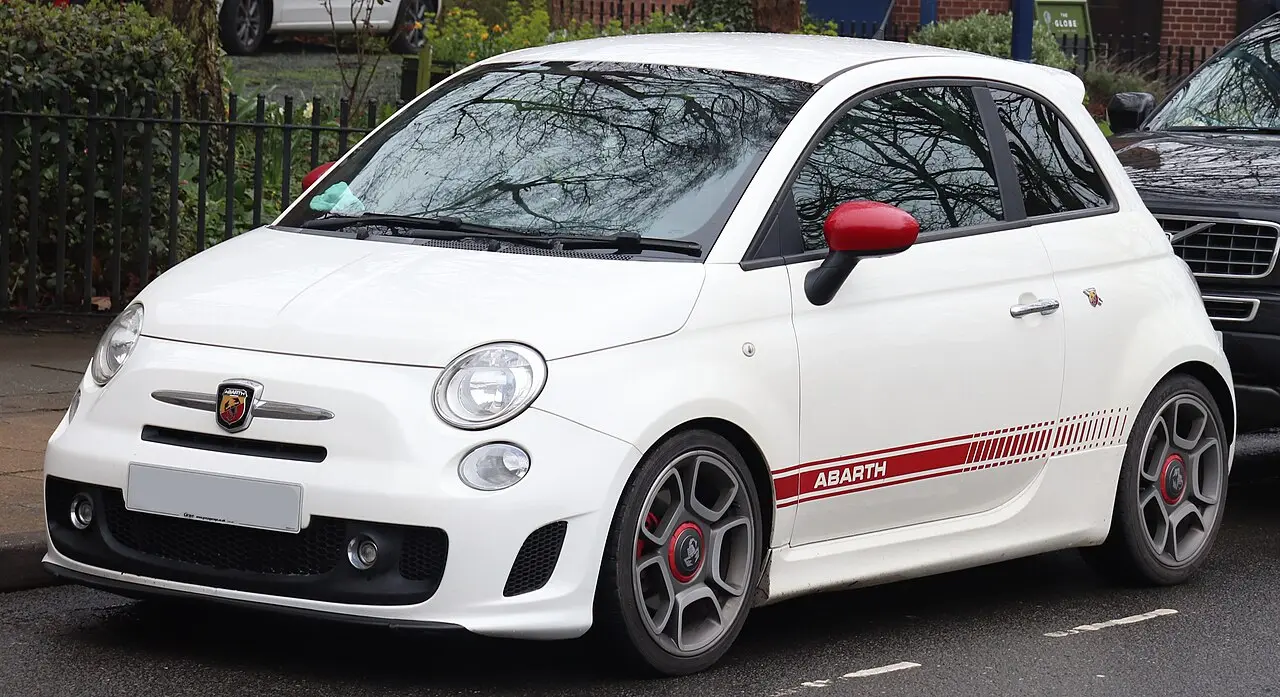
The 500 sits at the heart of Abarth’s range. Its first generation, identified by the 312 code, ran from 2009 to 2024 in the UK and from 2010 to 2020 in the EU. The range included petrol models and, later, electric versions.

Engines and power

The Abarth 500’s listed engine is 1.4 litres. EU power ranges from 47 kW (64 PS) to 139 kW (189 PS); UK figures run from 101 kW (137 PS) to 142 kW (193 PS). Those ranges cover different versions and specifications over the model’s life.

The 595 name became part of the 500 family, offering another sporting take on the compact car. Electric versions also joined the EU range.

How economical is the Abarth 500?

The lowest listed EU consumption is 6.8 L/100 km on the WLTP test. In the UK, the lowest listed figure is 5.8 L/100 km under NEDC. These procedures measure consumption differently, so the figures are not directly comparable.

EU registrations span 2010–2025 and include electric, petrol and other fuel categories. UK certification figures cover petrol versions from 2009 to 2018.

Where was the Abarth 500 sold?

In official EU registration figures, the Abarth 500 recorded 53,044 registrations from 2010 to 2025. UK certification figures cover petrol versions from 2009 to 2018.

Questions and answers

What body styles did the Abarth 500 come in?

It was offered as a small hatchback and as the 500C convertible.

What engine did the Abarth 500 use?

The listed engine size is 1.4 litres. Electric versions also appear in the EU fuel categories.

What is the lowest listed fuel consumption?

The lowest listed figure is 5.8 L/100 km under the UK NEDC test. The EU low is 6.8 L/100 km under WLTP.
500 first generation (2009–2024)

Abarth 500 first generation
Photo: Vauxford / Wikimedia Commons · CC BY-SA 4.0

Model codes: 312 · Sold in: United Kingdom · References: autoexpress.co.uk, media.stellantis.com

Show all 18 versions

500 first generation (2010–2020)

Abarth 500 first generation
Photo: Sjoerd95 / Wikimedia Commons · CC BY-SA 3.0

Model codes: 312 · Sold in: European Union · References: media.stellantis.com, media.stellantis.com

European Union 30 versions

New cars registered in the EU (plus Norway and Iceland), from the European Environment Agency. Figures on the NEDC procedure until 2020 and on WLTP from 2021; versions are grouped by engine and power, with their number of registrations.

Years and versionEnginePowerFuelCO₂EU registrations
20191.4 L107 kW (145 PS)Petrol152 g/km84
20191.4 L118 kW (160 PS)Petrol158 g/km60
20191.4 L132 kW (179 PS)Petrol154 g/km46
20191.4 L121 kW (165 PS)Petrol153 g/km38
20171.4 L107 kW (145 PS)Petrol139 g/km14
20161.4 L121 kW (165 PS)Petrol139 g/km484
20151.4 L118 kW (160 PS)Petrol146 g/km4,852
20151.4 L99 kW (135 PS)Petrol151 g/km1,582
20151.4 L103 kW (140 PS)Petrol142 g/km1,525
20151.4 L132 kW (179 PS)Petrol138 g/km1,293
20151.4 L139 kW (189 PS)Petrol145 g/km108
20141.4 L118 kW (160 PS)Petrol153 g/km4,204
20141.4 L99 kW (135 PS)Petrol155 g/km1,570
20141.4 L103 kW (140 PS)Petrol150 g/km422
20141.4 L132 kW (179 PS)Petrol151 g/km180
20131.4 L118 kW (160 PS)Petrol153 g/km3,028
20131.4 L99 kW (135 PS)Petrol155 g/km2,187
20131.4 L103 kW (140 PS)Petrol151 g/km611
20131.4 L132 kW (179 PS)Petrol151 g/km245
20131.4 L–Other fuel152 g/km28
20121.4 L99 kW (135 PS)Petrol155 g/km4,395
20121.4 L103 kW (140 PS)Petrol151 g/km1,385
20121.4 L118 kW (160 PS)Petrol153 g/km377
20121.4 L132 kW (179 PS)Petrol151 g/km79
2012––Petrol152 g/km16
20111.4 L99 kW (135 PS)Petrol155 g/km4,636
20111.4 L103 kW (140 PS)Petrol151 g/km1,739
2011––Petrol154 g/km37
20111.4 L118 kW (160 PS)Petrol154 g/km26
20101.4 L–Petrol155 g/km2,492

Versions outside these generations

European Union 15 versions

New cars registered in the EU (plus Norway and Iceland), from the European Environment Agency. Figures on the NEDC procedure until 2020 and on WLTP from 2021; versions are grouped by engine and power, with their number of registrations.

Years and versionEnginePowerFuelConsumption (combined)CO₂Electric rangeEU registrations
2025Electric motor113 kW (154 PS)Electric17.9 kWh/100 km WLTP0 g/km255 km710
2025Electric motor114 kW (155 PS)Electric18.2 kWh/100 km WLTP0 g/km251 km295
2025Electric motor47 kW (64 PS)Electric18.3 kWh/100 km WLTP0 g/km249 km14
2024Electric motor113 kW (154 PS)Electric17.8 kWh/100 km WLTP0 g/km256 km1,476
2024Electric motor114 kW (155 PS)Electric18.0 kWh/100 km WLTP0 g/km254 km798
2024Electric motor47 kW (64 PS)Electric18.2 kWh/100 km WLTP0 g/km251 km55
2024Electric motor43 kW (58 PS)Electric18.1 kWh/100 km WLTP0 g/km252 km27
2023Electric motor114 kW (155 PS)Electric18.1 kWh/100 km WLTP0 g/km252 km1,789
2023Electric motor113 kW (154 PS)Electric18.2 kWh/100 km WLTP0 g/km251 km34
2023Electric motor47 kW (64 PS)Electric18.2 kWh/100 km WLTP0 g/km251 km31
20211.4 L121 kW (165 PS)Petrol6.9 L/100 km WLTP157 g/km–3,791
20211.4 L132 kW (179 PS)Petrol7.0 L/100 km WLTP158 g/km–3,312
20211.4 L107 kW (145 PS)Petrol6.8 L/100 km WLTP156 g/km–2,512
20211.4 L120 kW (163 PS)Petrol7.0 L/100 km WLTP158 g/km–434
20211.4 L99 kW (135 PS)Petrol7.3 L/100 km WLTP164 g/km–23

Official figures are measured on standard test procedures and differ between markets. Your consumption depends on how, where and in what conditions you drive.