smart #5

smart #5
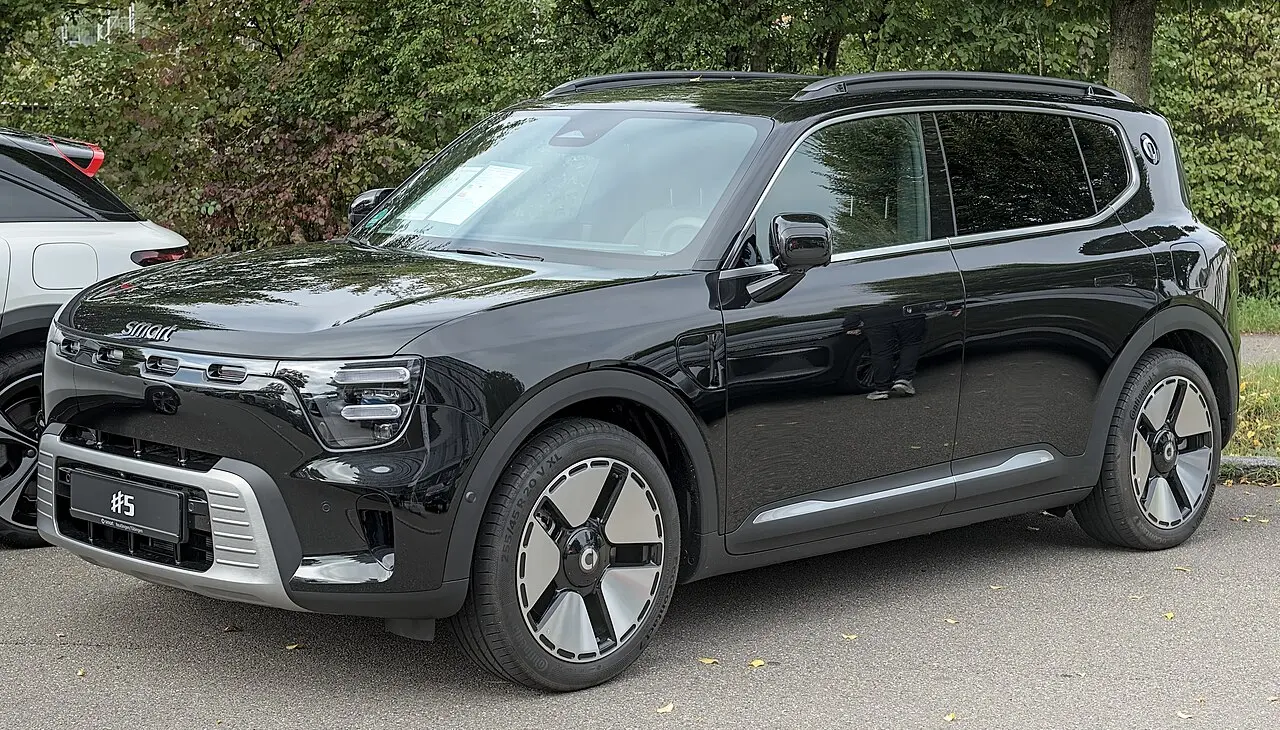
Photo: Alexander Migl / Wikimedia Commons · CC BY-SA 4.0

The official data lists 9 versions of the smart #5 (2025 - 2026), in the European Union and the United Kingdom. Each market publishes its own figures, measured on its own test procedure.

At a glance

Years in the data
2025 - 2026
Markets
European Union, United Kingdom
Power
250 kW (340 PS) to 475 kW (646 PS)
Fuels
Electric
New registrations in the EU
3,089

What is the smart #5?

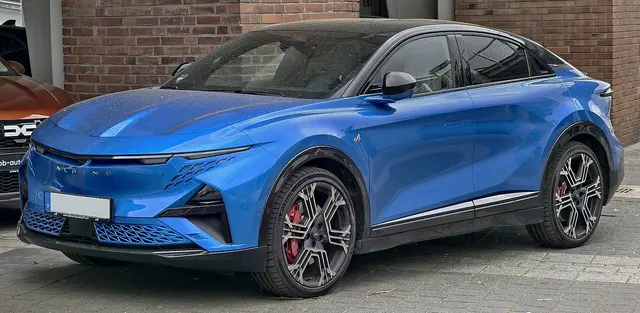
The smart #5 is an all-electric mid-size SUV. It broadens smart’s range alongside the #1 and #3, taking the brand beyond its origins in compact city cars. Its upright, boxy design and outdoor-focused details give it a different character from the lower-roofed #3.

Unveiled in 2024, the #5 is smart’s first premium mid-size SUV. Mercedes-Benz’s global design team shaped its exterior, which includes a panoramic roof.

Generations

The #5 has one generation, introduced in 2024 and continuing today. It extends smart’s all-electric range into the mid-size SUV category, alongside its more compact models.

Engines and power

The #5 versions in the EU and UK figures are all electric. EU power ranges from 267 kW (363 PS) to 475 kW (646 PS); UK versions range from 250 kW (340 PS) to 475 kW (646 PS).

Where was the smart #5 sold?

EU registration figures cover 2025, with 3,089 registrations. The 475 kW (646 PS) electric version recorded 1,474 registrations, followed by the 267 kW (363 PS) version with 467 and a version with no listed power figure with 753. UK VCA figures cover 2025-2026.

Questions and answers

Is the smart #5 an electric car?

Yes. The EU and UK versions shown are all electric.

What kind of SUV is the smart #5?

It is a mid-size SUV with upright, boxy styling and outdoor-focused details.

How powerful is the smart #5?

EU versions range from 267 kW (363 PS) to 475 kW (646 PS); UK versions range from 250 kW (340 PS) to 475 kW (646 PS).

When did the smart #5 reach Europe?

Its generation began in 2024, and EU registration figures cover 2025.
#5 (since 2024)

smart #5
Photo: Alexander Migl / Wikimedia Commons · CC BY-SA 4.0

Sold in: European Union and United Kingdom · References: media.smart.com, media.smart.com

At a glance: Length 4,700 mm · Kerb weight 2,175 - 2,353 kg · Top speed 200 - 210 km/h Specifications, reliability and all versions

European Union 5 versions

New cars registered in the EU (plus Norway and Iceland), from the European Environment Agency. Figures on the NEDC procedure until 2020 and on WLTP from 2021; versions are grouped by engine and power, with their number of registrations.

Years and versionEnginePowerFuelConsumption (combined)CO₂Electric rangeEU registrations
2025Electric motor475 kW (646 PS)Electric19.9 kWh/100 km WLTP0 g/km540 km1,474
2025Electric motor267 kW (363 PS)Electric18.4 kWh/100 km WLTP0 g/km590 km467
2025Electric motorNot listedElectric18.3 - 19.8 kWh/100 km WLTP0 g/km544 - 596 km753
2025Electric motor432 kW (587 PS)Electric19.9 kWh/100 km WLTP0 g/km540 km348
2025Electric motor250 kW (340 PS)Electric18.4 kWh/100 km WLTP0 g/km468 km47

United Kingdom 4 versions

New cars on sale in the UK, from the Vehicle Certification Agency. NEDC figures until 2018 and WLTP figures after; years are the editions a version appeared in.

Years and versionEnginePowerFuelConsumption (combined)CO₂Electric range
2025 - 2026ProElectric motor250 kW (340 PS)Electric18.5 kWh/100 km WLTP0 g/km465 km
2025 - 2026Premium · Pro+ · Pro+ Black EditionElectric motor267 kW (363 PS)Electric18.4 kWh/100 km WLTP0 g/km590 km
2025 - 2026Pulse · Summit Edition · Premium AWDElectric motor432 kW (587 PS)Electric19.9 kWh/100 km WLTP0 g/km540 km
2025 - 2026BRABUSElectric motor475 kW (646 PS)Electric19.9 kWh/100 km WLTP0 g/km540 km

smart #5 recalls

1 official safety recall for the smart #5, from NHTSA (United States), DVSA (United Kingdom) or the EU Safety Gate. Recall repairs are normally free at the maker’s dealers.

  • Braking software may cause skidding on low-friction surfaces2025 - 2026

See 1 recall

Official figures are measured on standard test procedures and differ between markets. Your consumption depends on how, where and in what conditions you drive.