

Mercedes-Benz EQC N293
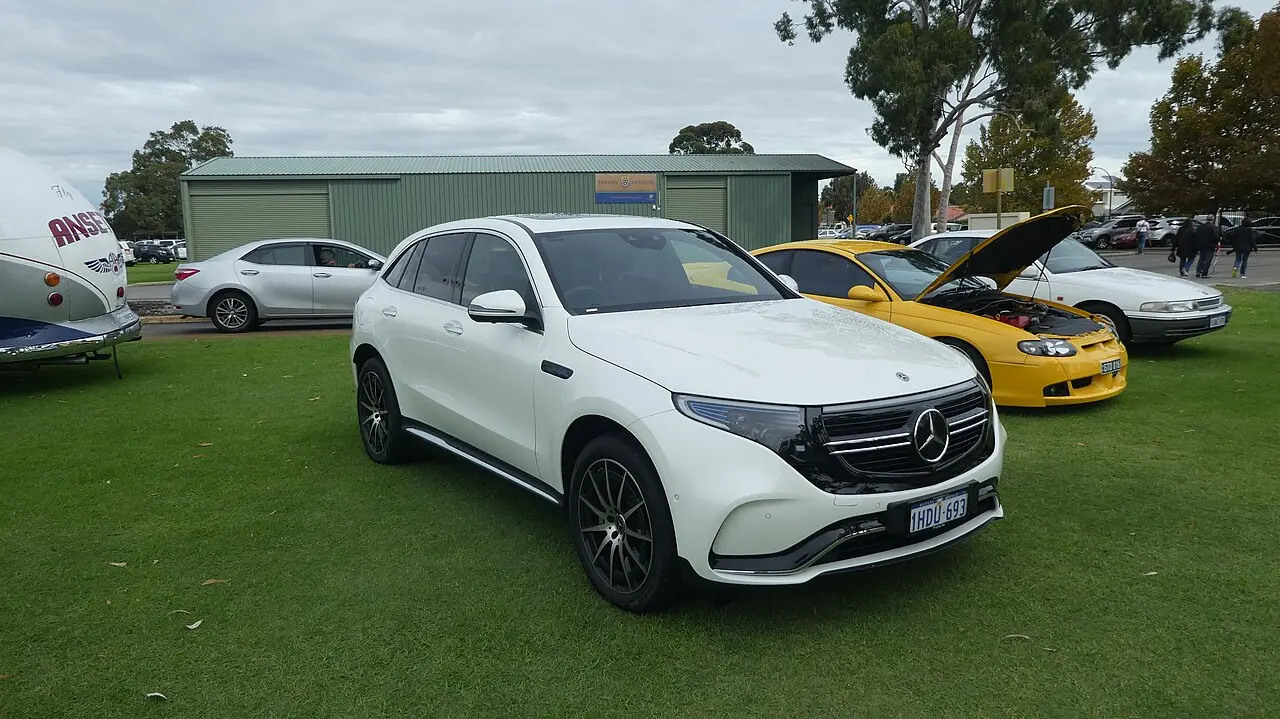
The Mercedes-Benz EQC N293 (2019–2024): dimensions, weights, reliability and the official figures of its 10 versions in the European Union and the United Kingdom.
Model codes: N293 · Sold in: European Union and United Kingdom
Dimensions, weights and capacity
| Specification | Europe | Wikipedia |
|---|---|---|
| Dimensions | ||
| Length | 4,770 mm RDW | 4,761 mm |
| Width | 1,920 mm RDW | 1,884 mm |
| Height | 1,630 mm RDW | 1,624 mm |
| Wheelbase | 2,870 mm RDW | 2,873 mm |
| Front track | 1,626–1,640 mm ASTRA | – |
| Rear track | 1,621–1,629 mm ASTRA | – |
| Weights and towing | ||
| Kerb weight | 2,395 kg RDW | 2,425–2,495 kg |
| Mass in running order | 2,495 kg RDW | – |
| Gross vehicle weight | 2,940 kg RDW | – |
| Towing, braked trailer | 1,800 kg RDW | – |
| Towing, unbraked trailer | 750 kg RDW | – |
| Seats and space | ||
| Seats | 5 RDW | – |
| Doors | 5 RDW | – |
| Boot space | – | 500 L |
| Performance | ||
| Top speed | 180 km/h RDW | 180 km/h |
| Torque | 760 Nm ASTRA | 415–765 Nm |
Tyre sizes (most common first): 235/55R19, 255/50R19, 235/45R21, 235/50R20, 255/40R21, 255/45R20
Ranges cover the generation’s versions and body styles; European and North American versions can differ. Sources: RDW type approvals (Netherlands), Wikipedia (en, de, fr, es, pl), ASTRA type approvals (Switzerland), Traficom type approvals (Finland). Wikipedia figures are used under CC BY-SA 4.0.
Reliability and owner reports
UK MOT: first-time pass rate by age
| Age at test | Pass rate | UK average | Tests |
|---|---|---|---|
| 3 years | 87.8% (86.9–88.5) | 92.2% | 6,427 |
| 4–5 years | 89.0% (87.8–90.1) | 91.0% | 2,825 |
What the MOT finds
| Area | This model | UK average, same ages |
|---|---|---|
| Tyres | 32.9% | 21.7% |
| Visibility (glass, mirrors, wipers) | 4.6% | 5.8% |
| Suspension | 3.7% | 3.1% |
| Brakes | 2.5% | 12.1% |
| Lights and electrics | 1.7% | 4.3% |
First MOT test of each car per year in 2022–2024, from the DVSA’s anonymised test results; only ages with at least 500 tests are shown. The figure in brackets is the 95% confidence interval; green or red means clearly above or below the UK average. The second table shows how often an item was noted (defect or advisory) in each area, against the UK average for cars of the same ages. DVSA anonymised MOT tests (Open Government Licence)
All 10 versions of the Mercedes-Benz EQC N293
European Union 7 versions
New cars registered in the EU (plus Norway and Iceland), from the European Environment Agency. Figures on the NEDC procedure until 2020 and on WLTP from 2021; versions are grouped by engine and power, with their number of registrations.
| Years and version | Engine | Power | Fuel | Consumption (combined) | CO₂ | Electric range | EU registrations |
|---|---|---|---|---|---|---|---|
| 2021–2024 | Electric motor | 300 kW (408 PS) | Electric | 22.8–23.4 kWh/100 km WLTP | 0 g/km | 395–422 km | 26,762 |
| 2023–2024 | Electric motor | 600 kW (816 PS) | Electric | 22.9–23.0 kWh/100 km WLTP | 0 g/km | 406–409 km | 137 |
| 2021–2024 | Electric motor | 145 kW (197 PS) | Electric | 22.4–23.3 kWh/100 km WLTP | 0 g/km | 408–417 km | 11,946 |
| 2021 | – | 300 kW (408 PS) | Other fuel | 23.2 kWh/100 km WLTP | 73 g/km | 452 km | 261 |
| 2019–2020 | Electric motor | 300 kW (408 PS) | Electric | 22.6–23.1 kWh/100 km NEDC | 0 g/km | 405 km | 18,630 |
| 2019–2020 | Electric motor | 145 kW (197 PS) | Electric | 23.1–25.7 kWh/100 km NEDC | 0 g/km | 436 km | 12,044 |
| 2019 | Electric motor | 65 kW (88 PS) | Electric | 14.5 kWh/100 km NEDC | 0 g/km | – | 18 |
United Kingdom 3 versions
New cars on sale in the UK, from the Vehicle Certification Agency. NEDC figures until 2018 and WLTP figures after; years are the editions a version appeared in.
| Years and version | Engine | Power | Fuel | Consumption (combined) | CO₂ | Electric range |
|---|---|---|---|---|---|---|
| 2022–2023EQV 300 | Electric motor | 150 kW (204 PS) | Electric | 21.3–25.0 kWh/100 km WLTP | 0 g/km | 373–437 km |
| 2021–2023EQC 400 4MATIC | Electric motor | 300 kW (408 PS) | Electric | 21.3–25.0 kWh/100 km WLTP | 0 g/km | 373–437 km |
| 2020–2021EQC 400 | Electric motor | 300 kW (408 PS) | Electric | 22.7–22.9 kWh/100 km WLTP | 0 g/km | 445–471 km |
Similar models from other brands

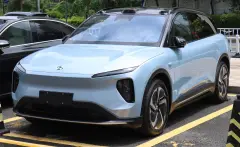
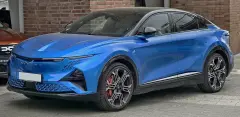
Official figures are measured on standard test procedures and differ between markets. Your consumption depends on how, where and in what conditions you drive.