NIO

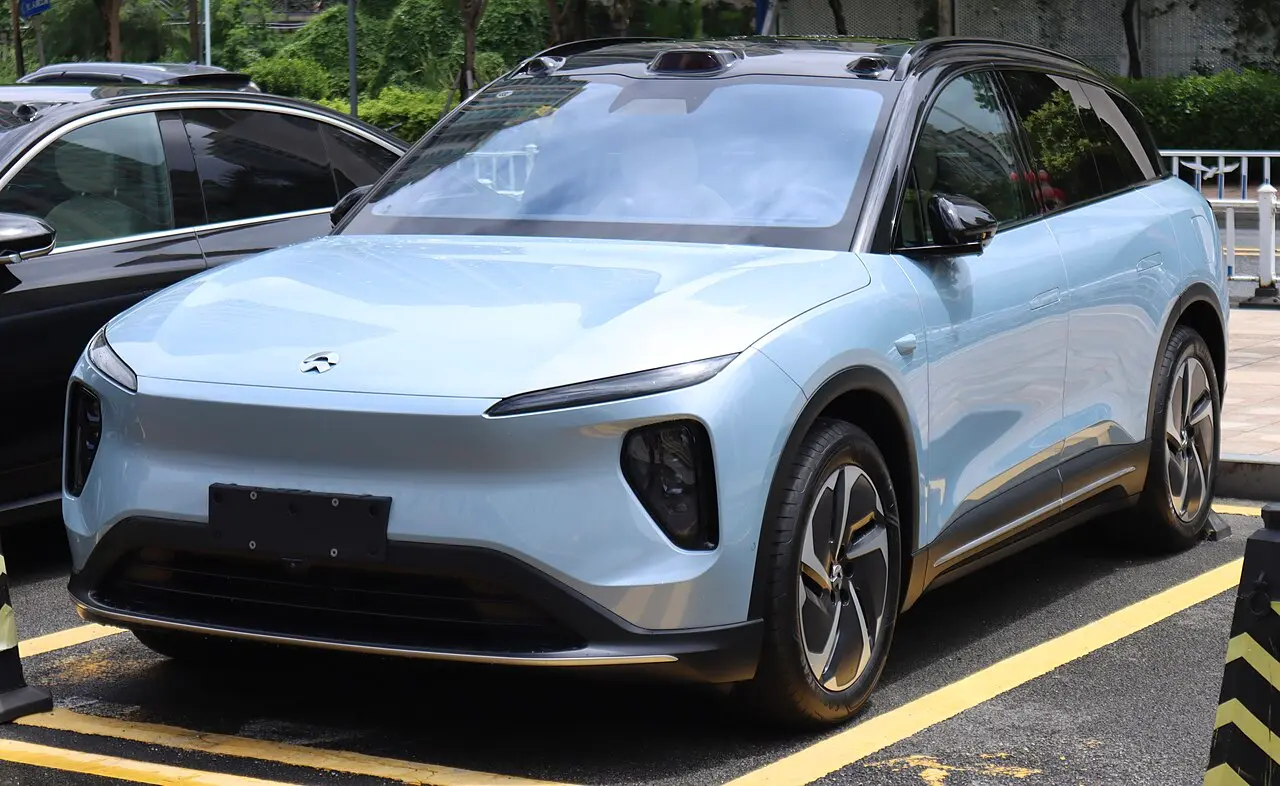
NIO EL6

NIO EL6
Photo: User3204 / Wikimedia Commons · CC BY-SA 4.0

The official data lists 7 versions of the NIO EL6 (2023–2025), in the European Union. Each market publishes its own figures, measured on its own test procedure.

At a glance

Years in the data
2023–2025
Markets
European Union
Power
210 kW (286 PS) to 360 kW (489 PS)
Fuels
Electric
New registrations in the EU
1,042

What is the NIO EL6?

The EL6 is a fully electric SUV in NIO’s range, with the raised driving position and versatile shape many families look for. NIO is a Chinese electric-car maker known for connected vehicle services and battery swapping.

The second-generation EL6 uses NIO’s NT2.0 platform and began in 2023. Its clean-lined design brings the brand’s electric technology to an everyday SUV.

Engines and power

Every EL6 in the EEA registration figures is electric. Across seven versions, power ranges from 210 kW (286 PS) to 360 kW (489 PS).

Where was the NIO EL6 sold?

The EL6 appears in EEA registration figures from 2023 to 2025, with 1,042 registrations in total.

How economical is the NIO EL6?

For an electric SUV, energy use is expressed in electricity rather than liquid fuel. European figures use the WLTP procedure, while older ratings may use NEDC; results from the two tests are not directly interchangeable. Real-world energy use varies with speed, weather and route.

Questions and answers

Is the NIO EL6 electric?

Yes. All seven versions in the EEA registration figures are electric.

How much power does the EL6 have?

Its power ranges from 210 kW (286 PS) to 360 kW (489 PS).

When did the current EL6 generation begin?

The second-generation NT2.0 EL6 began in 2023.

How many EEA registrations does the EL6 have?

There were 1,042 registrations from 2023 to 2025.

EL6 second generation (since 2023)

NIO EL6 second generation
Photo: User3204 / Wikimedia Commons · CC BY-SA 4.0

Model codes: NT2.0 · References: nio.com, nio.com

European Union 7 versions

New cars registered in the EU (plus Norway and Iceland), from the European Environment Agency. Figures on the NEDC procedure until 2020 and on WLTP from 2021; versions are grouped by engine and power, with their number of registrations.

Years and versionEnginePowerFuelConsumption (combined)CO₂Electric rangeEU registrations
2025Electric motor210 kW (286 PS)Electric20.6 kWh/100 km WLTP0 g/km519 km246
2025Electric motor360 kW (489 PS)Electric21.2 kWh/100 km WLTP0 g/km452 km113
2024Electric motor360 kW (489 PS)Electric20.7 kWh/100 km WLTP0 g/km508 km461
2024Electric motor210 kW (286 PS)Electric21.2 kWh/100 km WLTP0 g/km468 km76
2023Electric motor210 kW (286 PS)Electric21.2 kWh/100 km WLTP0 g/km484 km63
2023Electric motor360 kW (489 PS)Electric21.3 kWh/100 km WLTP0 g/km480 km47
2023Electric motor150 kW (204 PS)Electric20.9 kWh/100 km WLTP0 g/km507 km36

Official figures are measured on standard test procedures and differ between markets. Your consumption depends on how, where and in what conditions you drive.