What is the Mazda Bongo?
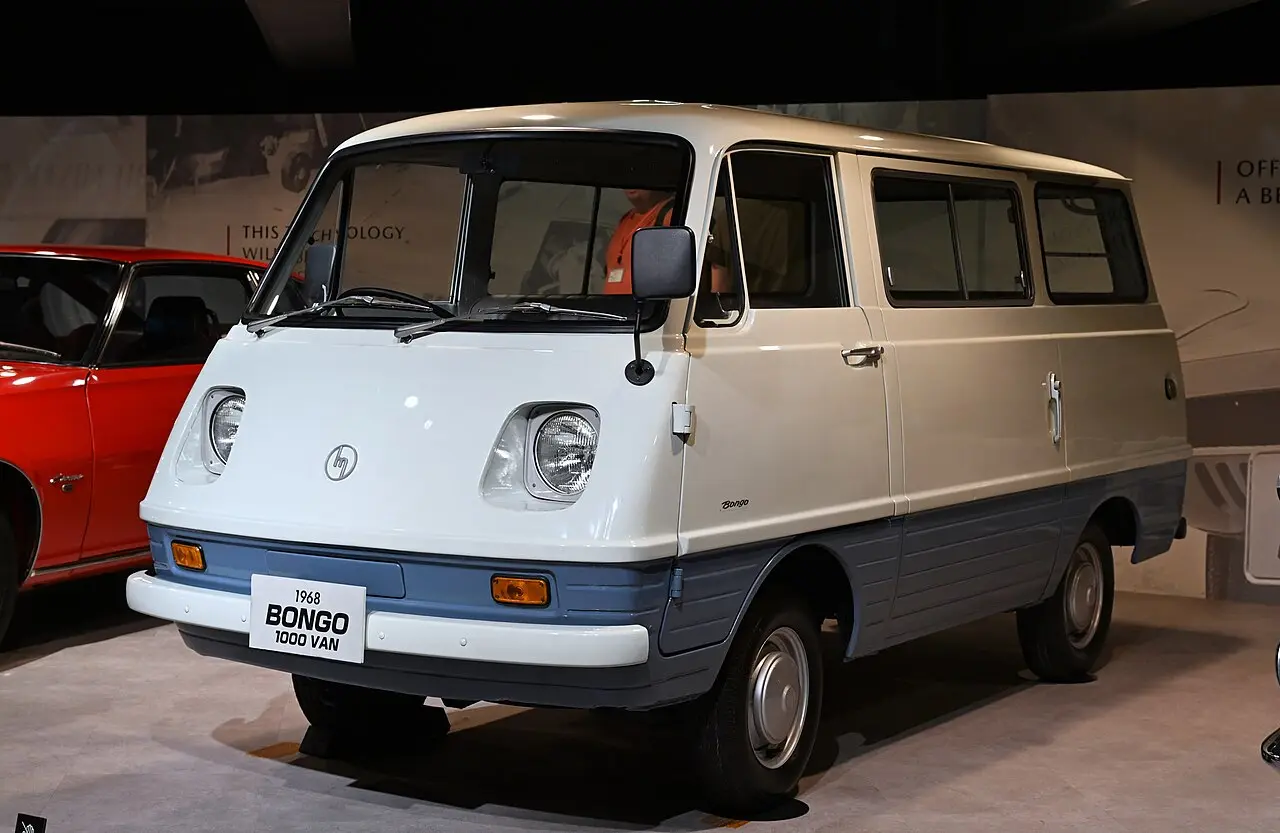
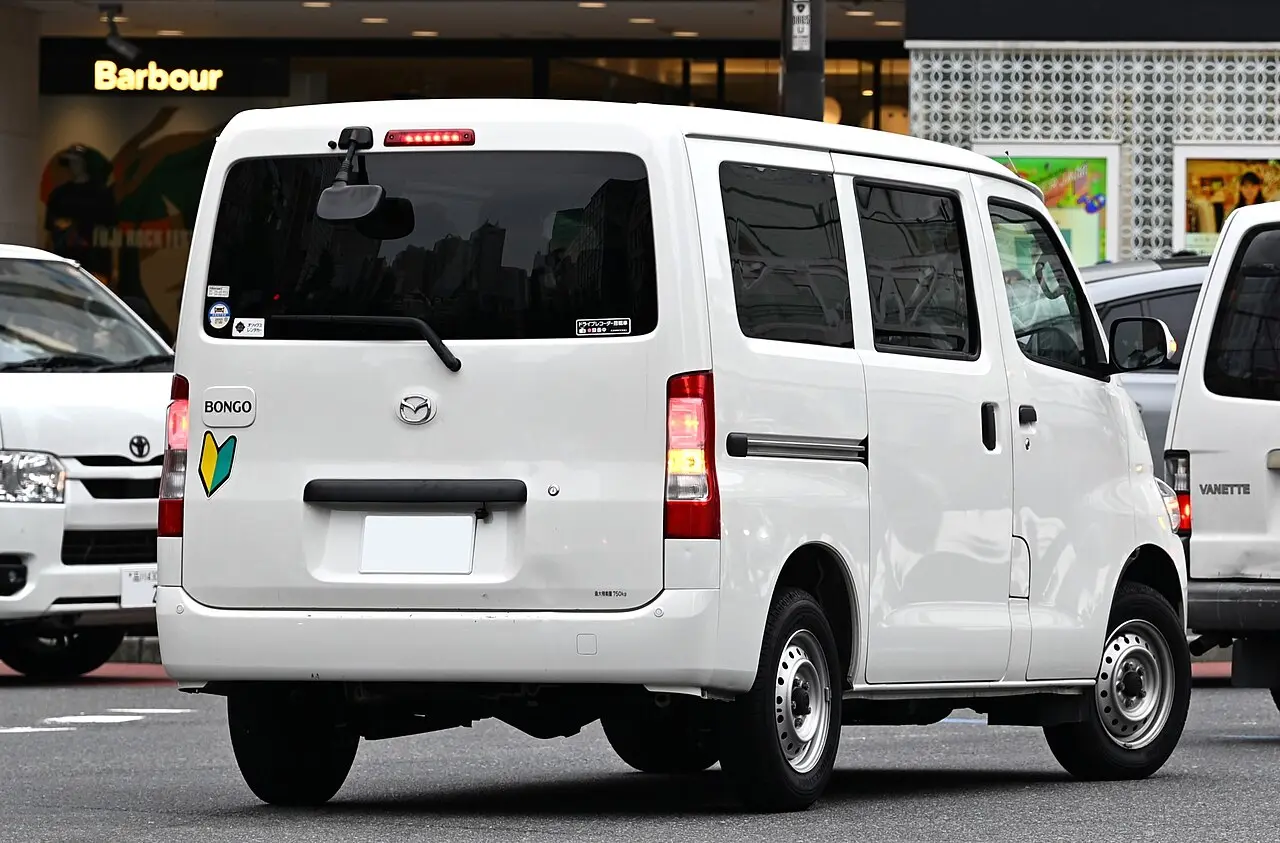
The Mazda Bongo is a practical van and people carrier nameplate, with versions built for carrying passengers or cargo. Mazda introduced the first Bongo in 1966, and the model has served as a useful part of the company’s range in Japan.
Generations, engines and power
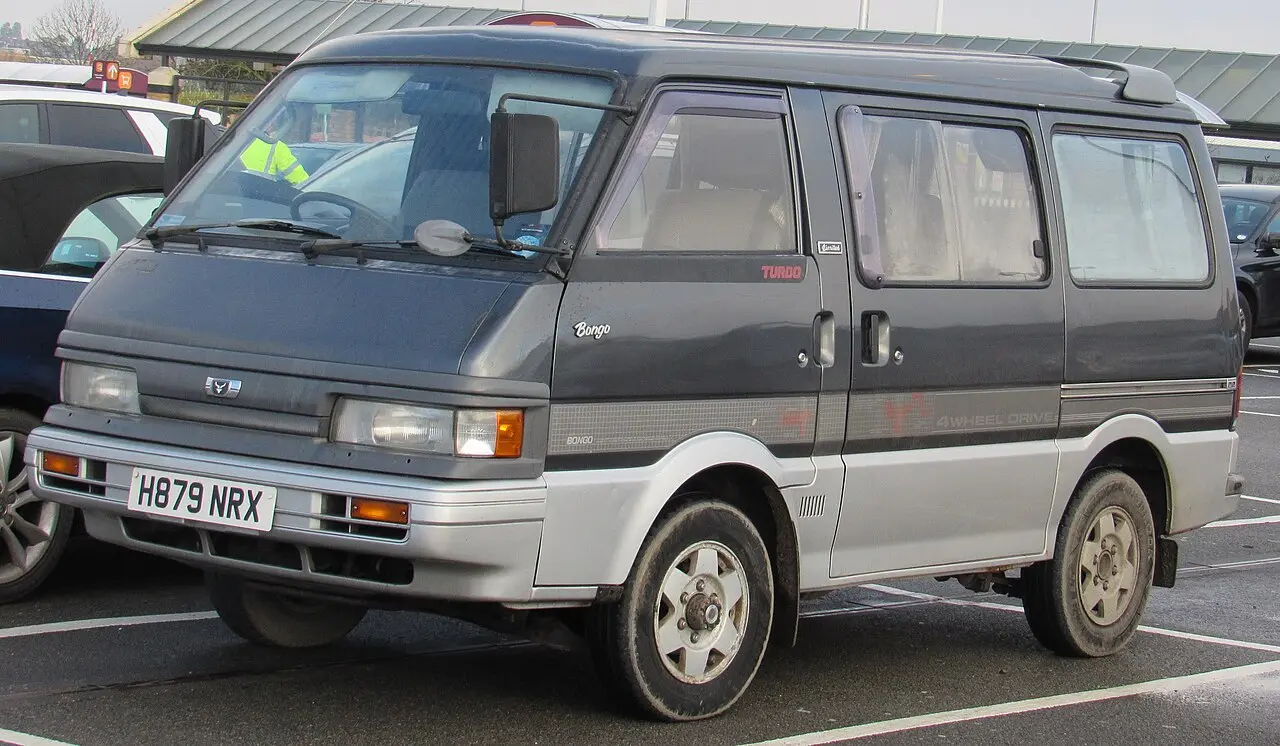
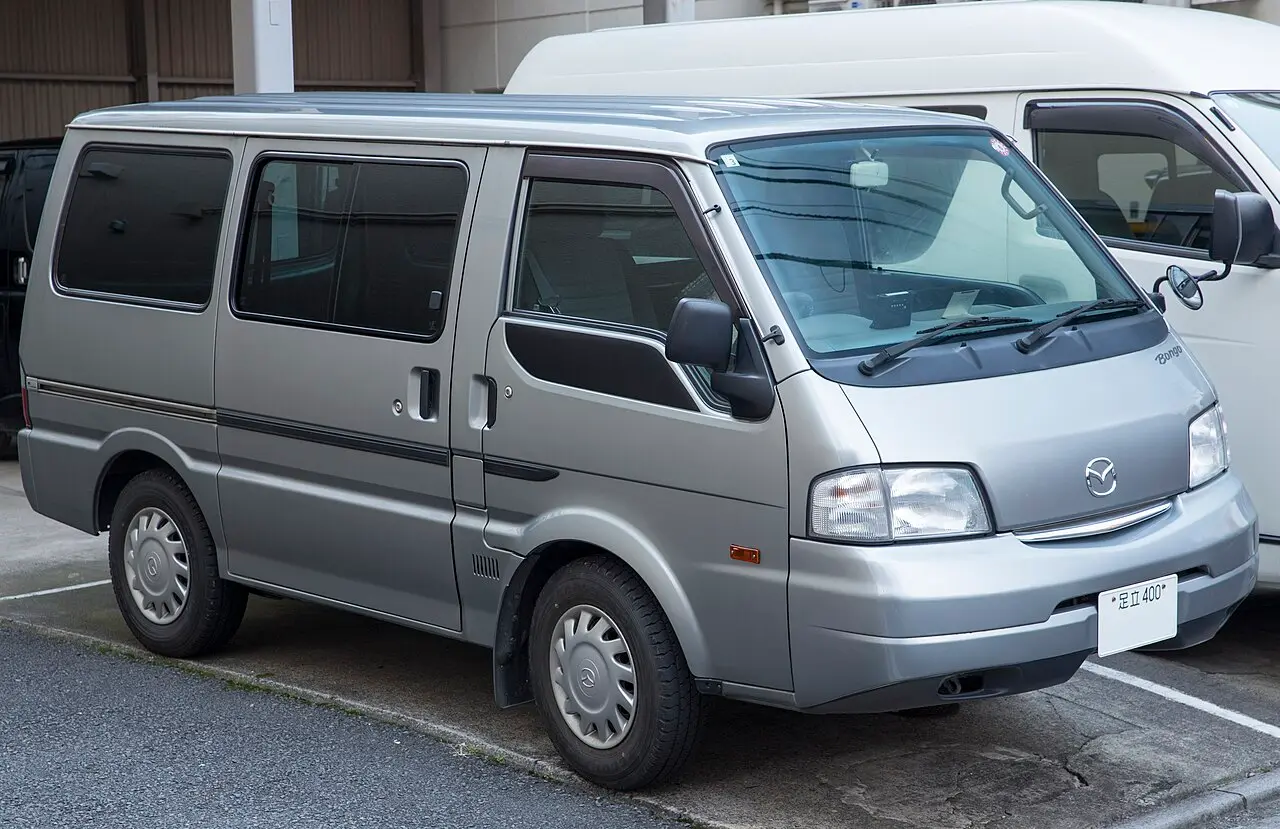
The Bongo has changed across its generations, with body styles and equipment shaped around everyday passenger and work use. Mazda’s history records the early Bongo as an eight-seat coach, van and truck, while later versions continued the van and truck roles.
Fuel consumption and CO₂
Fuel consumption and CO₂ figures depend on the particular Bongo version and market. European figures use WLTP or the earlier NEDC procedure; US ratings use the EPA method, and Canadian ratings use the 5-cycle test. These methods differ, so figures from different markets are not directly comparable.
Where was the Bongo sold?
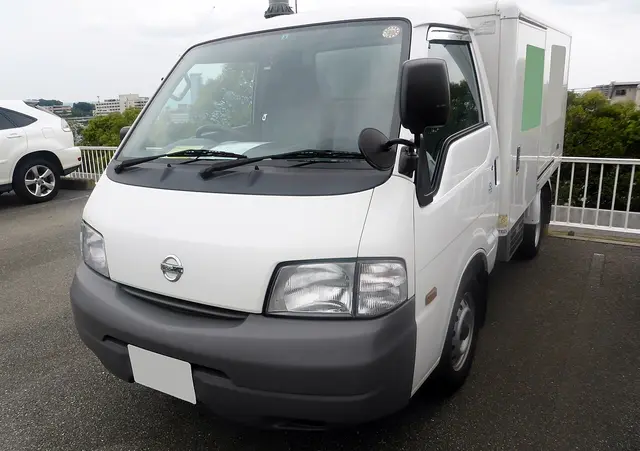
The Bongo has been part of Mazda’s Japanese lineup, where it was introduced as a versatile vehicle for passengers and work. Mazda also supplied Bongo vans and trucks to Nissan for sale under the Vanette name.
Questions and answers
What kind of vehicle is the Mazda Bongo?
The Bongo is a practical van nameplate, with passenger-carrying and cargo-carrying versions.
What engines were available in the Bongo?
Engine choices varied across versions and markets, so check the specific vehicle’s specification.
What are the Bongo’s official fuel-consumption and CO₂ figures?
They depend on the version and the market’s test procedure. European, US and Canadian methods differ.