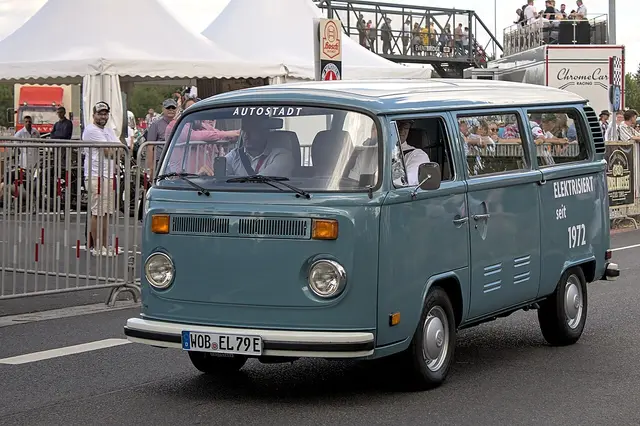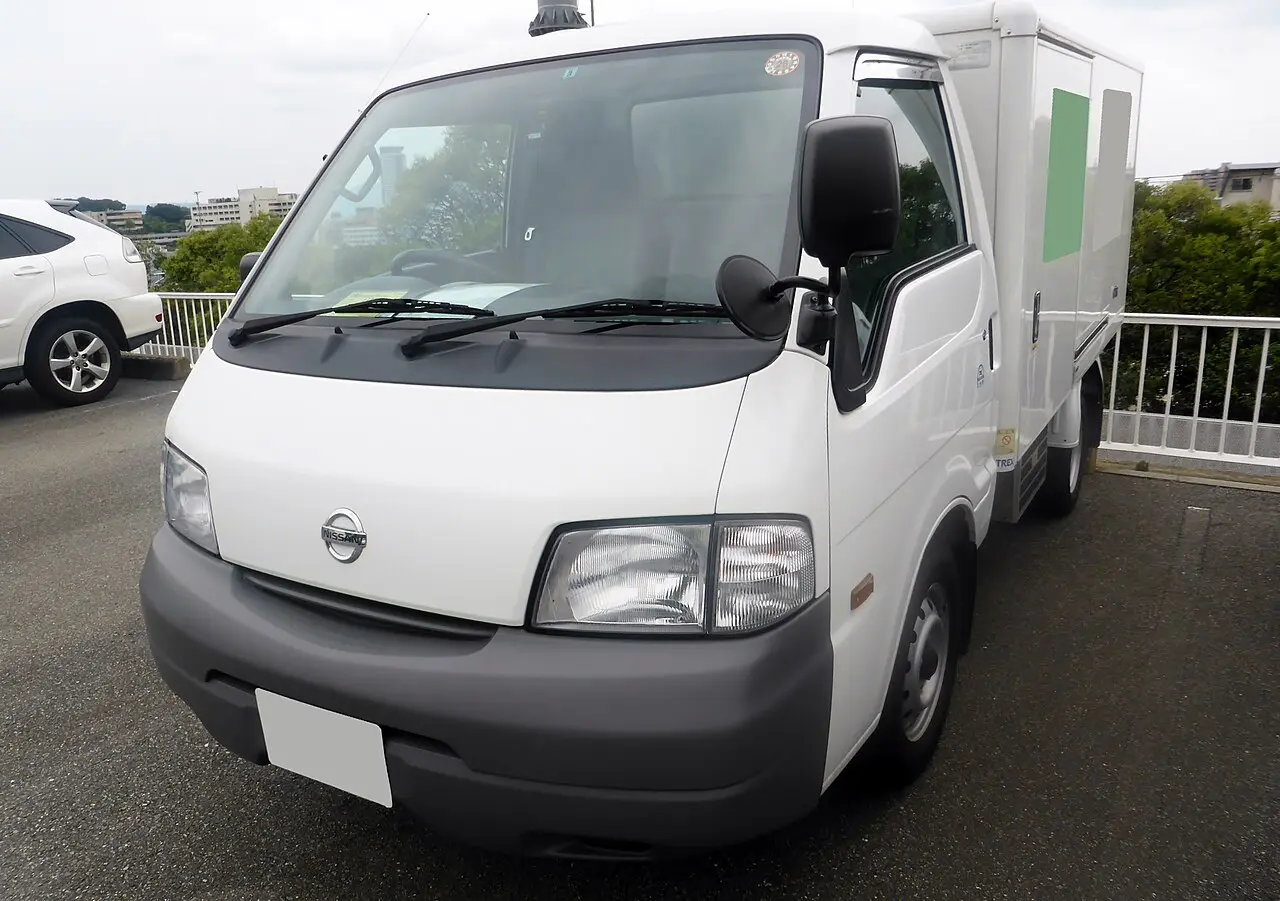
What was the Nissan Vanette?
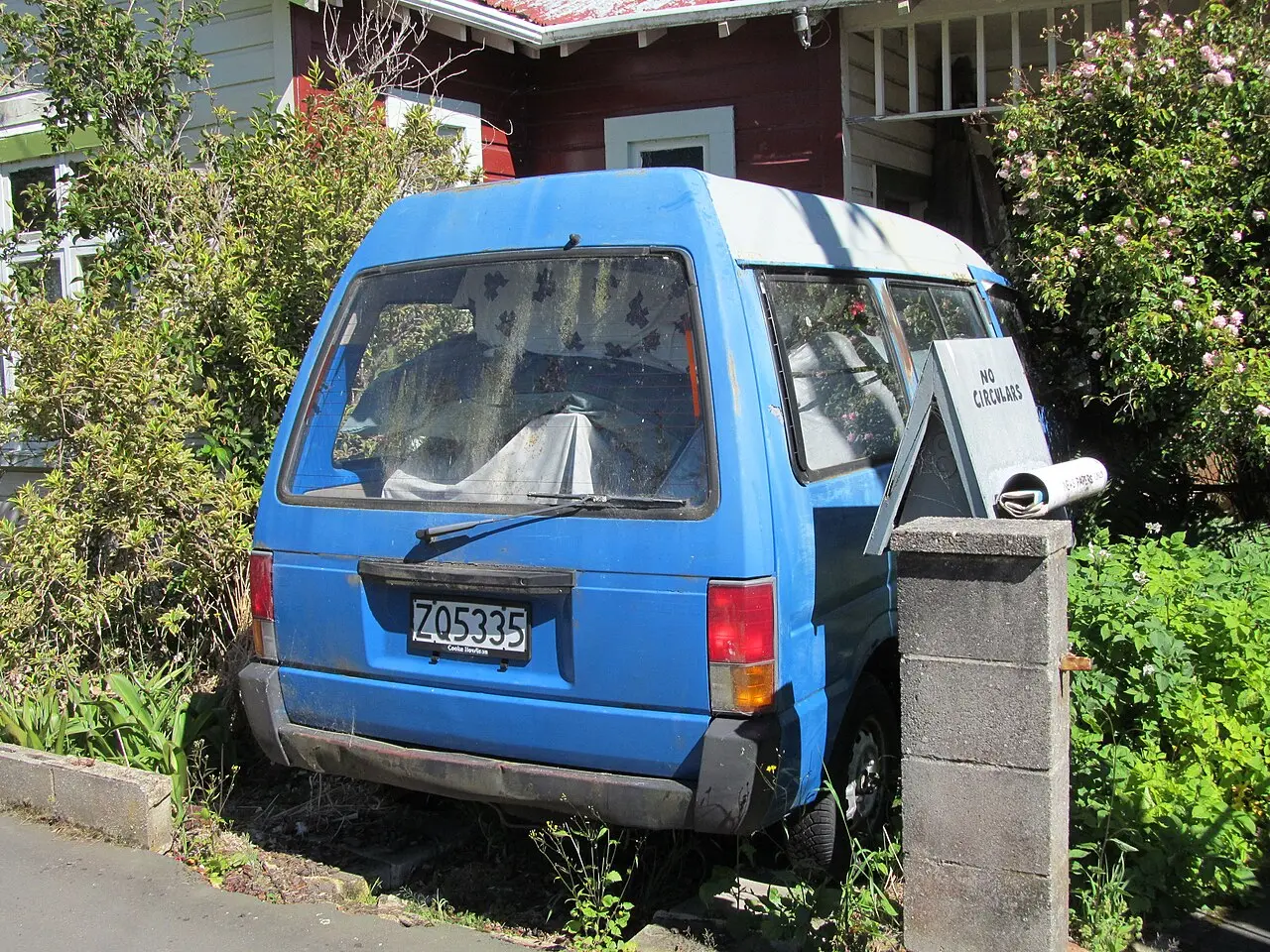
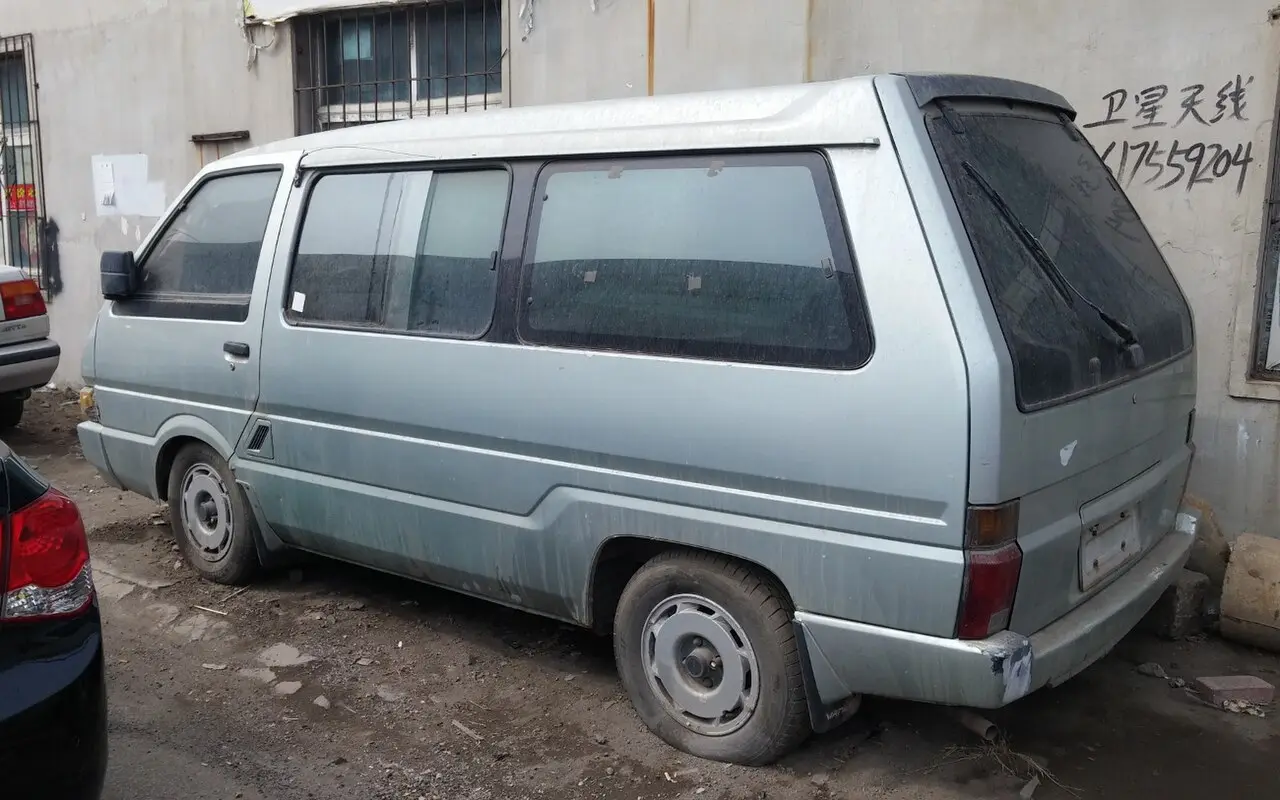
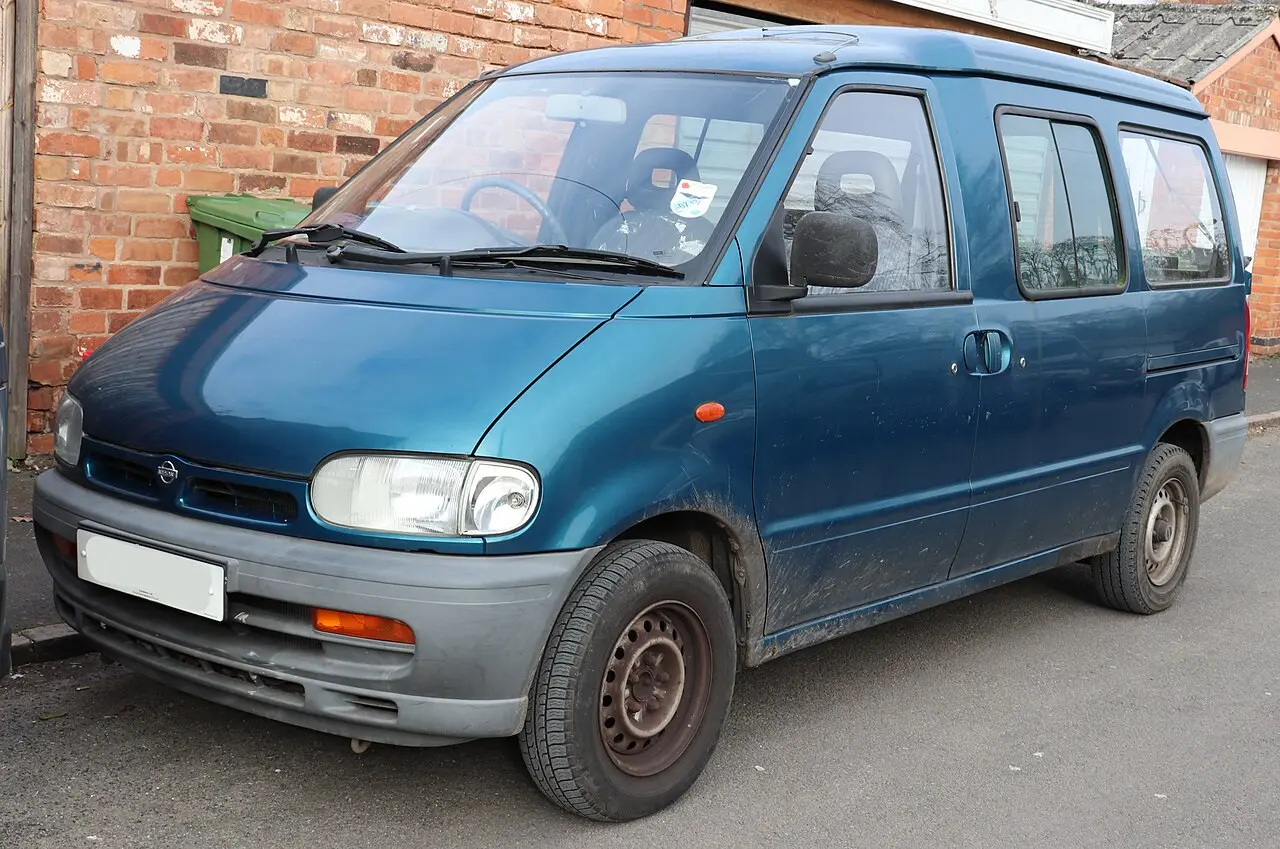
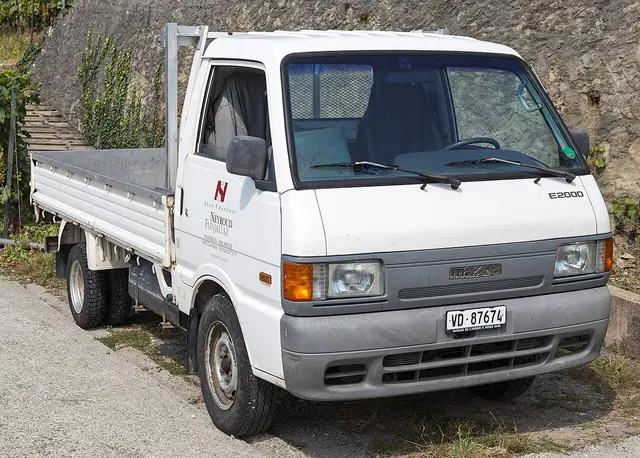
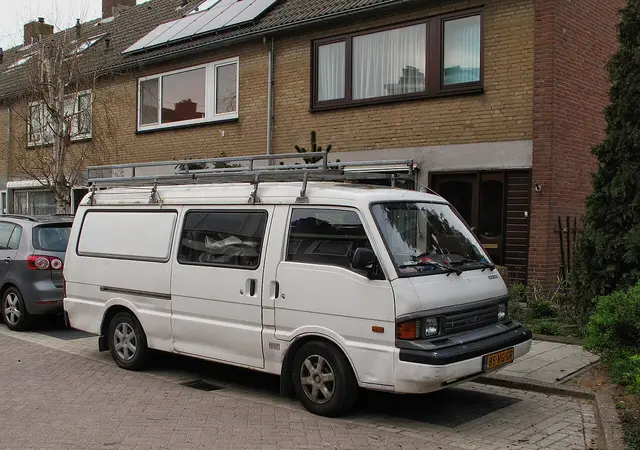
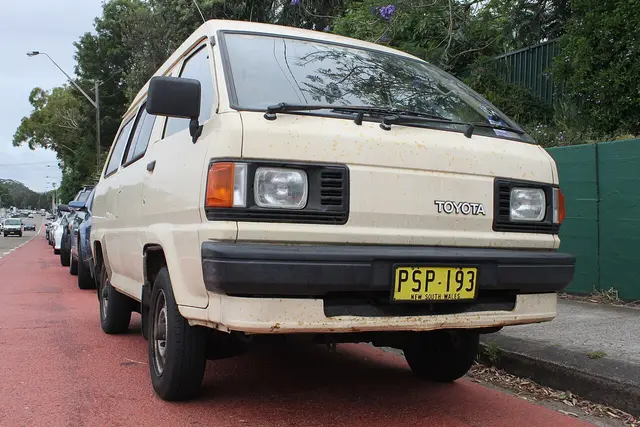
The Nissan Vanette was a light commercial van and people carrier, built for practical transport rather than private-car refinement. Depending on its version and market, it served as a work van, a small passenger van or a base for specialist conversions. Its compact format suited businesses and families needing useful interior space in a vehicle that was easier to place than a full-size van.
The Vanette sat in Nissan’s commercial-vehicle range, reflecting the company’s long-standing role as a maker of cars and working vehicles. The name covered different layouts and generations over time, so body shape, seating and mechanical details varied by version.
Generations and design
The Vanette name was used across multiple generations, with the shape and configuration changing over its production life. The available model information does not establish the years for each generation, so exact generation dates are not stated here. Broadly, the range evolved from compact, cab-forward van designs, which prioritised load space and visibility, to later versions with more car-like styling and passenger-oriented layouts in some markets.
That variety is part of the Vanette’s identity: it was a practical platform adapted to local needs, rather than one single specification sold everywhere.
Engines, fuel consumption and emissions
Engine choices and power depended on the version and market. Official power, fuel-consumption and CO₂ figures are not available here, so no specific engine sizes, outputs or economy ratings can be stated. Fuel-consumption tests also vary by region: European figures may use WLTP or the older NEDC procedure, the United States uses EPA testing, and Canada uses a five-cycle method. Those results are not directly interchangeable.
Where was the Nissan Vanette sold?
The Vanette was sold in multiple markets over its lifetime, but the countries and market-specific versions are not established here. Its regional variations meant that names, engines and body styles could differ from one place to another.
Questions and answers
Was the Nissan Vanette a van or a passenger vehicle?
It was a light commercial vehicle offered in practical van and people-carrier forms, depending on version and market.
How many generations of the Vanette were there?
The Vanette name covered multiple generations, but exact generation dates are not established here.
What engines and power did the Nissan Vanette have?
Engine and power specifications varied by version and market; specific figures are not established here.
What were the Vanette’s official fuel-consumption and CO₂ figures?
Specific official ratings are not established here. Testing methods differ between Europe, the United States and Canada.