

Lancia Ypsilon V
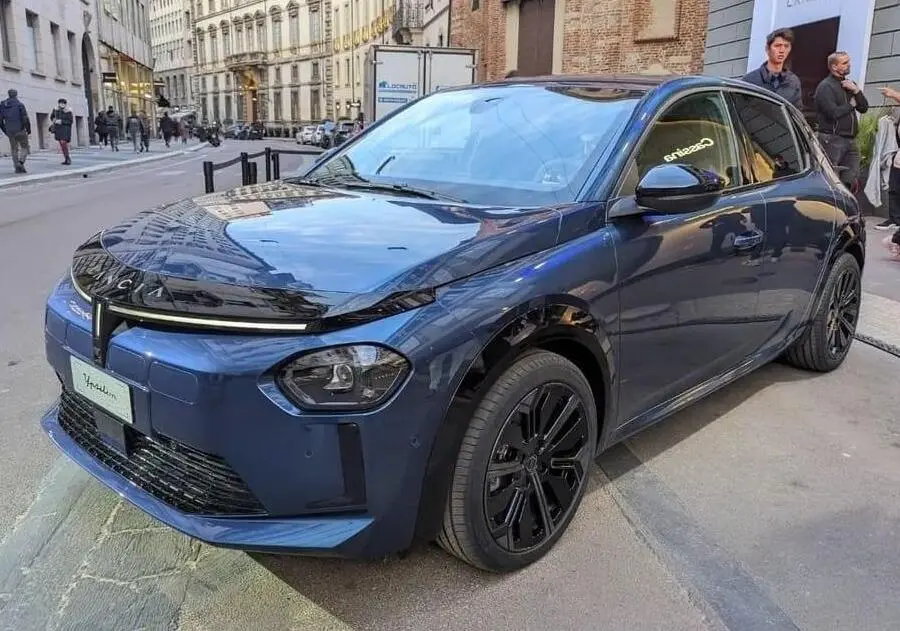
The Lancia Ypsilon V (since 2024): dimensions, weights, reliability and the official figures of its 6 versions in the European Union.
Model codes: L21 · Sold in: European Union
Dimensions, weights and capacity
| Specification | Europe |
|---|---|
| Dimensions | |
| Length | 4,080 mm RDW |
| Width | 1,760–1,780 mm RDW |
| Height | 1,480 mm RDW |
| Wheelbase | 2,540–2,550 mm RDW |
| Weights and towing | |
| Kerb weight | 1,182–1,531 kg RDW |
| Mass in running order | 1,282–1,631 kg RDW |
| Gross vehicle weight | 1,690–1,965 kg RDW |
| Towing, braked trailer | 800–1,100 kg RDW |
| Towing, unbraked trailer | 640 kg RDW |
| Seats and space | |
| Seats | 5 RDW |
| Doors | 2 RDW |
| Boot space | 309 L EV DB |
| Performance | |
| Top speed | 150–193 km/h RDW |
| 0–100 km/h | 8.2 s EV DB |
| Torque | 260 Nm EV DB |
| Electric | |
| Battery capacity (usable) | 50.8 kWh EV DB |
| Battery capacity (gross) | 54.0 kWh EV DB |
| Range (WLTP) | 426 km EV DB |
| Energy use | 143 Wh/km EV DB |
| AC charging power | 11 kW EV DB |
| DC fast charging power | 107 kW EV DB |
Ranges cover the generation’s versions and body styles; European and North American versions can differ. Sources: RDW type approvals (Netherlands), open EV databases (EV Compare, Open EV Data, Gaia EVDB).
All 6 versions of the Lancia Ypsilon V
European Union 6 versions
New cars registered in the EU (plus Norway and Iceland), from the European Environment Agency. Figures on the NEDC procedure until 2020 and on WLTP from 2021; versions are grouped by engine and power, with their number of registrations.
| Years and version | Engine | Power | Fuel | Consumption (combined) | CO₂ | Electric range | EU registrations |
|---|---|---|---|---|---|---|---|
| 2024–2025 | 1.2 L | 74 kW (101 PS) | Hybrid | 4.6 L/100 km WLTP | 102–103 g/km | – | 13,507 |
| 2024–2025 | Electric motor | 115 kW (156 PS) | Electric | 14.5 kWh/100 km WLTP | 0 g/km | 398–403 km | 1,610 |
| 2025 | Electric motor | 207 kW (281 PS) | Electric | 16.1 kWh/100 km WLTP | 0 g/km | 371 km | 42 |
| 2025 | 1.2 L | 74 kW (101 PS) | Petrol | 4.6 L/100 km WLTP | 103 g/km | – | 12 |
| 2025 | Electric motor | 62 kW (84 PS) | Electric | 14.6 kWh/100 km WLTP | 0 g/km | 397 km | 11 |
| 2024 | 1.0 L | 52 kW (71 PS) | Hybrid | 4.9 L/100 km WLTP | 110 g/km | – | 24,396 |
Similar models from other brands

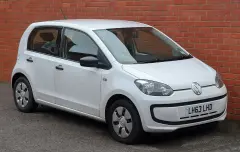
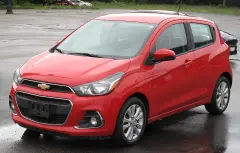
Official figures are measured on standard test procedures and differ between markets. Your consumption depends on how, where and in what conditions you drive.