Lancia

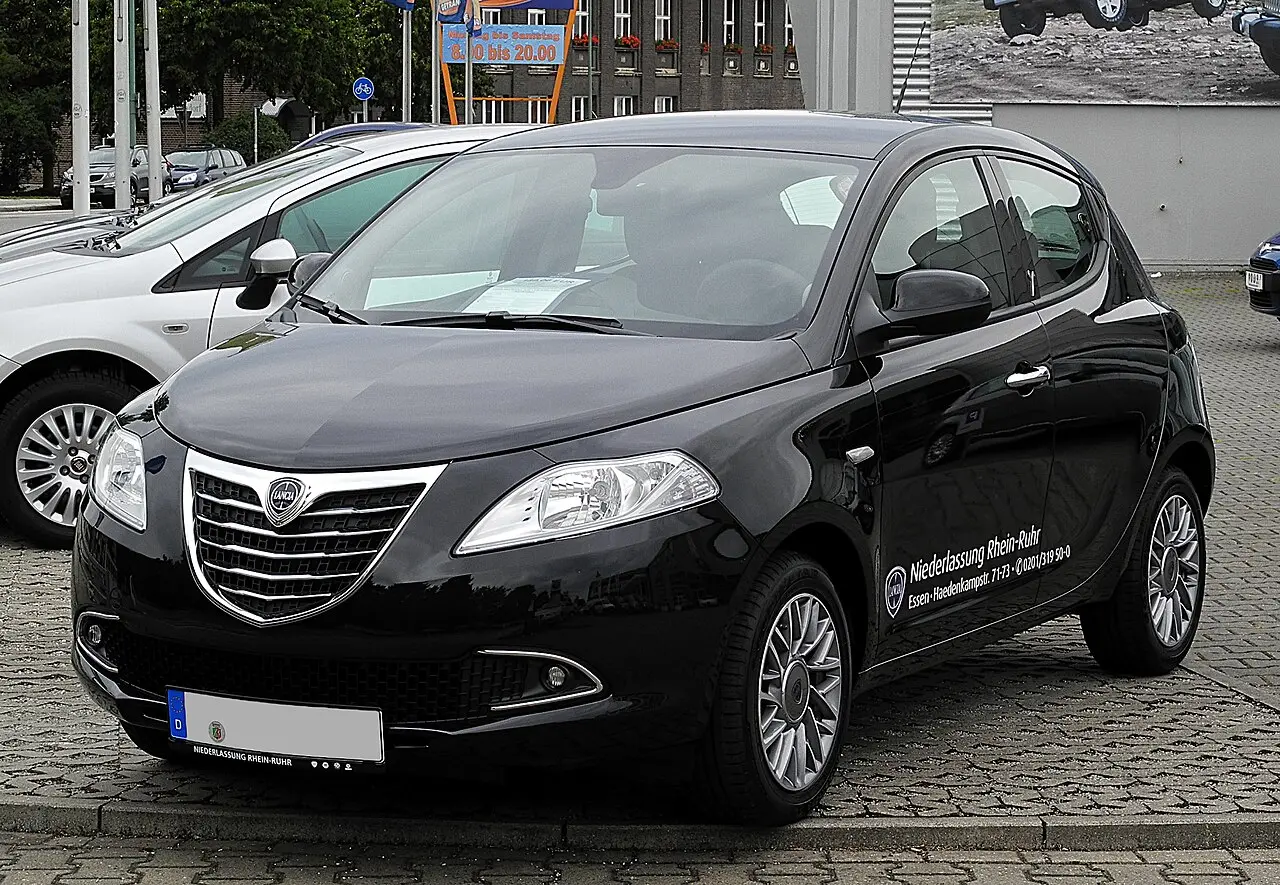
Lancia Ypsilon

Lancia Ypsilon
Photo: LC005YP / Wikimedia Commons · CC BY 4.0

The official data lists 122 versions of the Lancia Ypsilon (2010–2025), in the European Union and France. Each market publishes its own figures, measured on its own test procedure.

At a glance

Years in the data
2010–2025
Markets
European Union, France
Engines
0.9 L to 1.4 L
Power
51 kW (69 PS) to 74 kW (101 PS)
Fuels
Petrol, Diesel, Hybrid, Electric, LPG, Natural gas
Lowest consumption (France)
3.8 L/100 km (NEDC)
Lowest consumption (European Union)
4.6 L/100 km (WLTP)
New registrations in the EU
1,474,583

What is the Lancia Ypsilon?

The Ypsilon is a small hatchback for city streets and everyday trips. It is Lancia’s long-running small-car name, with a focus on distinctive Italian styling and a comfortable cabin.

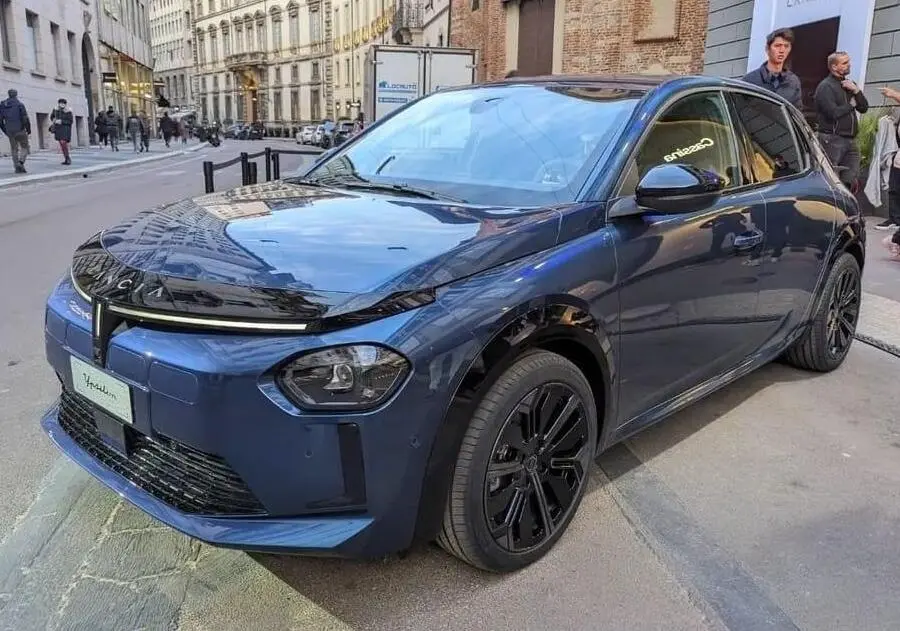
The latest generation arrived in 2024 with a redesigned exterior and interior, and brought electric power to the Ypsilon alongside a hybrid option. Earlier generations established the model as a compact city car; the fourth generation, introduced in 2011, added five doors.

Ypsilon generations

The third-generation Ypsilon ran from 2003 to 2011. The fourth followed from 2011 to 2024, with a five-door body. The fifth generation began in 2024, with a new design and electric and hybrid versions.

Engines and power

Across European Union registration years 2010–2025, the Ypsilon range spans 0.9 L to 1.4 L engines and outputs from 51 kW (69 PS) to 115 kW (156 PS). Versions used petrol, diesel, hybrid, LPG and natural gas, as well as electric power; some were classified under other fuel. The range shifted over time from combustion engines to electrified choices.

How economical is the Lancia Ypsilon?

The lowest listed EU consumption is 4.6 L/100 km on the WLTP test, among petrol, diesel and hybrid versions. France’s ADEME figures for 2012–2015 show a low of 3.8 L/100 km on NEDC for petrol and diesel versions. WLTP and NEDC are different European test procedures, so the figures are not directly comparable. Official EU registration figures total 1,474,583 across 2010–2025. The leading annual entries were 1.2 L versions rated at 51 kW (69 PS).

Questions and answers

What kind of car is the Lancia Ypsilon?

It is a small hatchback designed for city driving and everyday use. The fourth generation introduced a five-door body.

Which Ypsilon generation introduced electric power?

The fifth generation, introduced in 2024, added an electric version alongside a hybrid option.

What is the lowest listed fuel consumption?

The EU low is 4.6 L/100 km on WLTP; France’s ADEME figures show 3.8 L/100 km on NEDC for 2012–2015.

Where was the Ypsilon sold?

It appears in official EU registration figures and in France’s ADEME figures.
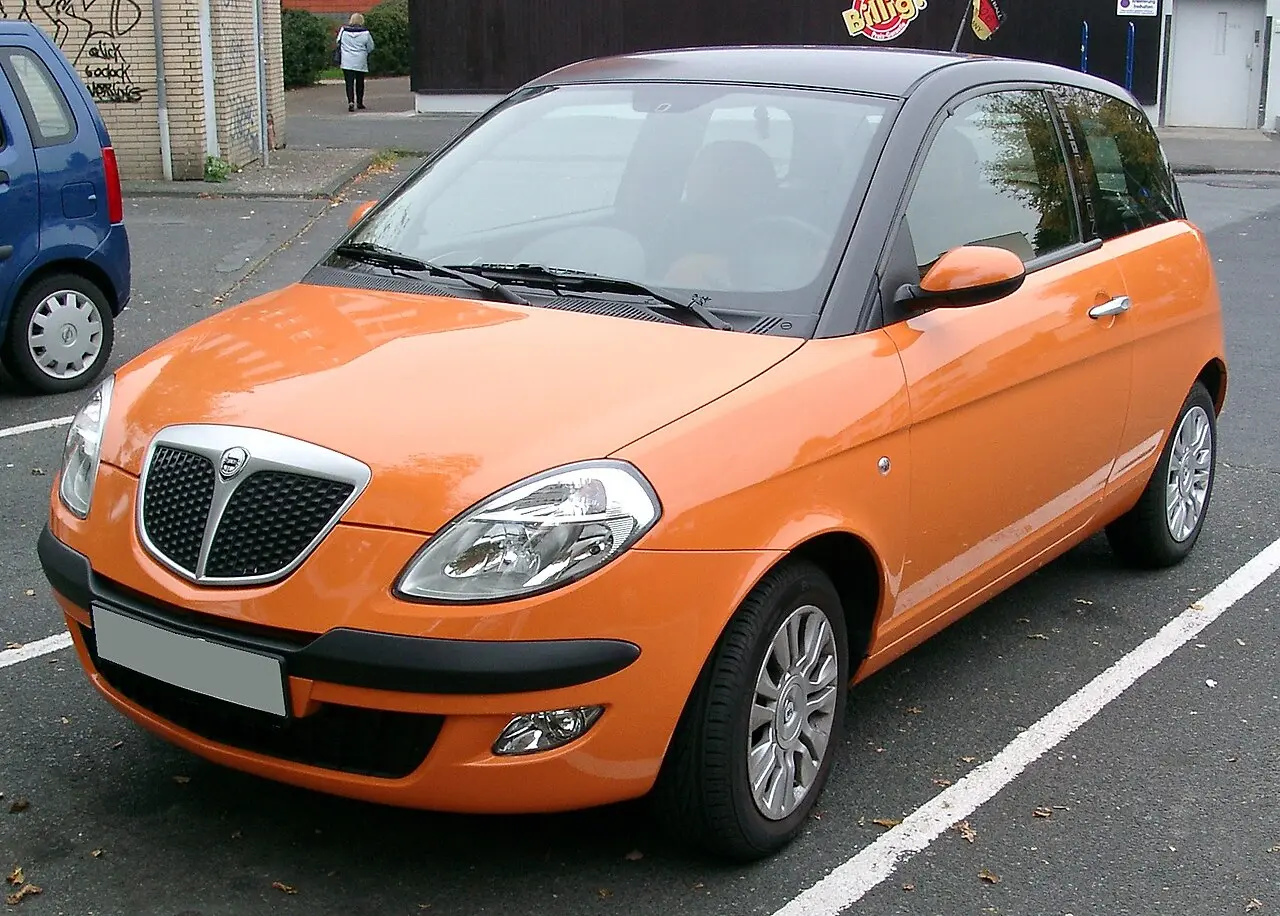
Ypsilon III (2003–2011)

Lancia Ypsilon III
Photo: Rudolf Stricker / Wikimedia Commons · CC BY-SA 3.0

Model codes: 843 · Sold in: European Union and France · References: en.wikipedia.org

Show all 19 versions

Ypsilon IV (2011–2024)

Lancia Ypsilon IV
Photo: M 93 / Wikimedia Commons · CC BY-SA 3.0 de

Model codes: 846 · Sold in: European Union and France · References: en.wikipedia.org, de.wikipedia.org

Show all 111 versions

Ypsilon V (since 2024)

Lancia Ypsilon V
Photo: LC005YP / Wikimedia Commons · CC BY 4.0

Model codes: L21 · Sold in: European Union · References: en.wikipedia.org, youtube.com

European Union 8 versions

New cars registered in the EU (plus Norway and Iceland), from the European Environment Agency. Figures on the NEDC procedure until 2020 and on WLTP from 2021; versions are grouped by engine and power, with their number of registrations.

Years and versionEnginePowerFuelConsumption (combined)CO₂Electric rangeEU registrations
20251.2 L74 kW (101 PS)Hybrid4.6 L/100 km WLTP103 g/km–10,193
2025Electric motor115 kW (156 PS)Electric14.5 kWh/100 km WLTP0 g/km403 km1,073
2025Electric motor207 kW (281 PS)Electric16.1 kWh/100 km WLTP0 g/km371 km42
20251.2 L74 kW (101 PS)Petrol4.6 L/100 km WLTP103 g/km–12
2025Electric motor62 kW (84 PS)Electric14.6 kWh/100 km WLTP0 g/km397 km11
20241.0 L52 kW (71 PS)Hybrid4.9 L/100 km WLTP110 g/km–24,396
20241.2 L74 kW (101 PS)Hybrid4.6 L/100 km WLTP102 g/km–3,314
2024Electric motor115 kW (156 PS)Electric14.5 kWh/100 km WLTP0 g/km398 km537

Official figures are measured on standard test procedures and differ between markets. Your consumption depends on how, where and in what conditions you drive.