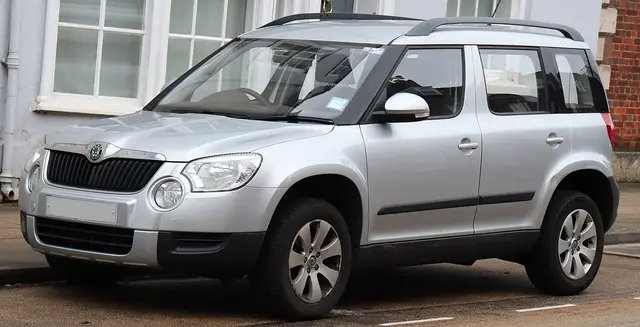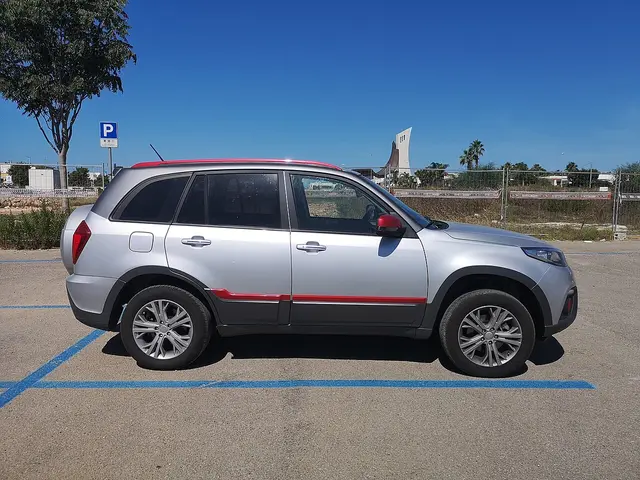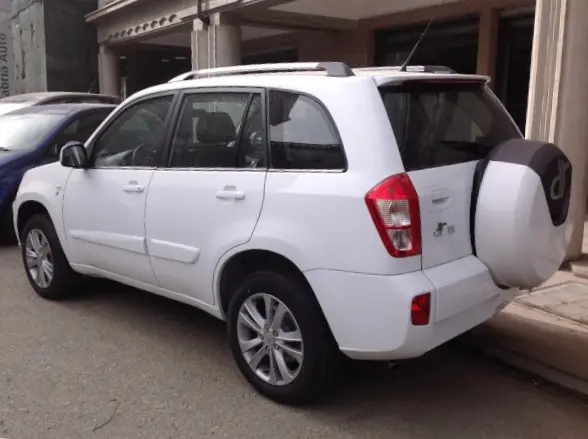
What is the DR 5?
The DR 5 is a compact SUV that helped establish DR Automobiles in Italy. The company’s first model was based on the Chery Tiggo and reached the market in 2007. With its upright SUV shape, it marked a different direction from the small city cars that later joined the range.
DR Automobiles was founded by Massimo Di Risio. Its early business involved adapting and distributing vehicles from Chinese manufacturers under DR names. The DR 5 set that pattern, bringing a Chery-based SUV to the Italian market with DR branding.
DR 5 generations
The DR 5 is listed as one generation spanning 2007-2020. It received updates during that period, while retaining the same model name. The name later appeared in the EVO range as EVO 5.
Across its registration history, the DR 5 was offered with a range of engines and fuels. The mix changed over time, from petrol and LPG to other recorded fuel types.
Engines and power
European Union registration figures cover engines from 1.6 to 2.0 litres and power from 80 kW (109 PS) to 102 kW (139 PS). Recorded fuels include LPG, petrol, diesel, natural gas and other.
The EU registration period runs from 2010 to 2019, with 8,858 registrations in total. Leading configurations include 1.6-litre LPG versions registered in 2010 and a 1.6-litre LPG version with 93 kW (126 PS) recorded for 2018-2019. A 2.0-litre LPG version also features among the leading entries for 2010.
Where was the DR 5 sold?
The DR 5 began in Italy, where DR Automobiles introduced it as its first vehicle. The registration figures cover the European Economic Area and include registrations through 2019, while the listed generation ends in 2020.
The model was based on the Chery Tiggo, reflecting DR’s early work adapting and distributing vehicles under its own branding.
Questions and answers
What type of vehicle is the DR 5?
It is a compact SUV introduced by DR Automobiles in 2007.
What years are listed for the DR 5 generation?
The generation is listed as 2007-2020.
Which fuels appear in EU registration figures?
LPG, petrol, diesel, natural gas and other.
What engine sizes and power are covered?
The recorded range is 1.6 to 2.0 litres and 80 kW (109 PS) to 102 kW (139 PS).