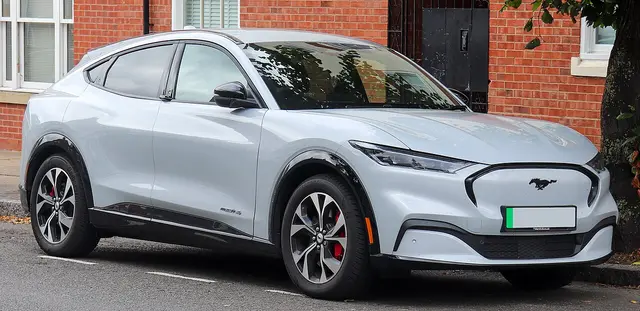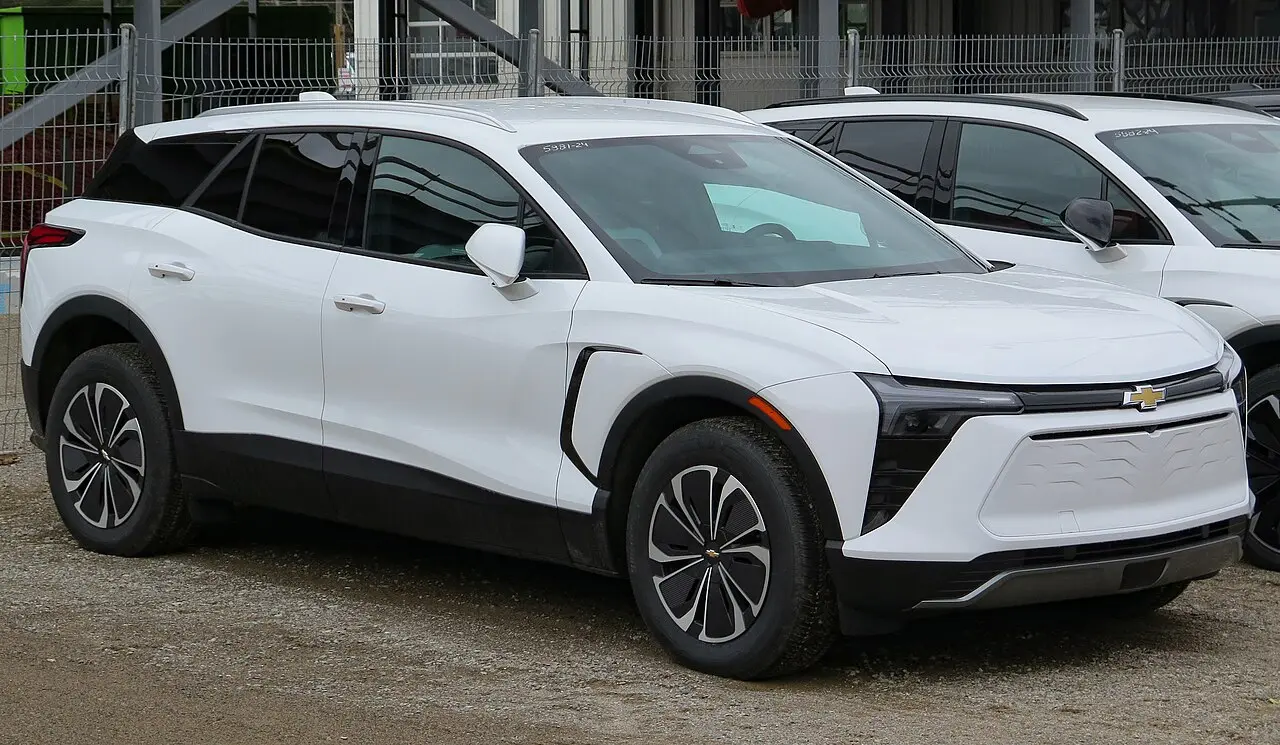
Chevrolet Blazer EV

Chevrolet Blazer EV
Photo: Elise240SX / Wikimedia Commons · CC BY-SA 4.0

The official data lists 7 versions of the Chevrolet Blazer EV (2024 - 2027), in the United States and Canada. Each market publishes its own figures, measured on its own test procedure.

At a glance

Years in the data
2024 - 2027
Markets
United States, Canada
Power
180 kW (245 PS) to 375 kW (510 PS)
Fuels
Electric

What is the Chevrolet Blazer EV?

The Blazer EV is a fully electric SUV that brings Chevrolet’s Blazer name into its electric lineup. It offers the raised seating position and everyday space associated with an SUV, with an electric powertrain. Chevrolet introduced it as part of its move to offer electric vehicles across familiar model lines.

The Blazer EV generation began in 2024 and continues today. It uses GM’s Ultium platform, and its styling carries forward the athletic character of the petrol Blazer in a distinct electric design.

Engines and power

Every Blazer EV is fully electric. Canadian specifications span 180 kW (245 PS) to 375 kW (510 PS), depending on version.

How efficient is the Blazer EV, and where was it sold?

In the United States, the EPA lists the Blazer EV for model years 2024-2027; in Canada, NRCan lists it for 2024-2026. Electric vehicles use different efficiency and emissions measures from petrol cars. EPA and Canadian 5-cycle results can differ because the test procedures are different.

The Blazer EV is listed in the United States and Canada. It gives Chevrolet’s familiar SUV name an electric powertrain and a place in the brand’s electric range.

Questions and answers

Is the Chevrolet Blazer EV fully electric?

Yes. The Blazer EV uses electric power only.

How much power does the Blazer EV have?

Canadian specifications range from 180 kW (245 PS) to 375 kW (510 PS), depending on version.

When did the Blazer EV generation begin?

It began in 2024 and continues today.

Where was the Blazer EV sold?

It is listed in the United States and Canada.
Blazer EV (since 2024)

Chevrolet Blazer EV
Photo: Elise240SX / Wikimedia Commons · CC BY-SA 4.0

Model codes: BEV3 · Sold in: United States and Canada · References: en.wikipedia.org, news.chevrolet.com

At a glance: Length 4,882 mm · Kerb weight 2,342 - 2,421 kg Specifications, reliability and all versions

United States 3 versions

Model years sold in the USA, from the EPA and the Department of Energy (fueleconomy.gov). MPG on the EPA test; litres per 100 km = 235.215 ÷ MPG.

Years and versionEngineFuelGearboxDriveConsumption (combined)CO₂Electric range
2025 - 2027Electric motorElectricAutomaticFront-wheel drive95 - 104 MPGe EPA0 g/km455 - 502 km
2024 - 2027Electric motorElectricAutomaticAll-wheel drive85 - 96 MPGe EPA0 g/km449 - 488 km
2024 - 2025Electric motorElectricAutomaticRear-wheel drive92 - 95 MPGe EPA0 g/km521 - 538 km

Canada 4 versions

Model years sold in Canada, from Natural Resources Canada fuel consumption ratings (5-cycle test).

Years and versionEnginePowerFuelGearboxConsumption (combined)CO₂Electric range
2025 - 2026Sport utility vehicle: SmallElectric motor180 kW (245 PS)ElectricAutomatic20.1 - 22.1 kWh/100 km 5-cycle0 g/km455 - 502 km
2024 - 2026Sport utility vehicle: SmallElectric motor247 kW (336 PS)ElectricAutomatic21.9 - 22.2 kWh/100 km 5-cycle0 g/km449 - 455 km
2025 - 2026Sport utility vehicle: SmallElectric motor375 kW (510 PS)ElectricAutomatic24.7 kWh/100 km 5-cycle0 g/km486 - 488 km
2024 - 2025Sport utility vehicle: SmallElectric motor255 kW (347 PS)ElectricAutomatic22.0 - 22.8 kWh/100 km 5-cycle0 g/km521 - 538 km

Chevrolet Blazer EV recalls

7 official safety recalls for the Chevrolet Blazer EV from NHTSA (United States), DVSA (United Kingdom) and the EU Safety Gate, newest first. Recall repairs are normally free at the maker’s dealers.

  • Electronic owner's manual may not download2026
  • Parking brake wiring harness may fail2024 - 2025
  • Parking brake wiring harness may be damaged2024 - 2025
  • Door strikers may break2025
  • Front lower control arm may fracture2024

See all 7 recalls

Official figures are measured on standard test procedures and differ between markets. Your consumption depends on how, where and in what conditions you drive.