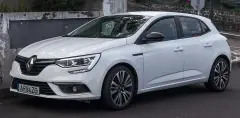
I dati ufficiali indicano 668 versioni della Ford Focus (2000–2026), nei mercati nell'Unione europea, nel Regno Unito, in Francia, negli Stati Uniti e in Canada. Ogni mercato pubblica i propri dati, misurati secondo la propria procedura di prova.
In breve
Anni coperti dai dati
2000–2026
Mercati
Unione europea, Regno Unito, Francia, Stati Uniti e Canada
Motori
da 1,0 L a 2,3 L
Potenza
da 63 kW (86 PS) a 257 kW (349 PS)
Carburanti
Ibrida, Benzina, Diesel, Elettrico, Carburante flessibile (E85), Ibrida plug-in, Gas naturale e GPL
Consumo più basso (Francia)
3,4 L/100 km (NEDC)
Consumo più basso (Regno Unito)
3,4 L/100 km (NEDC)
Consumo più basso (Unione europea)
4,0 L/100 km (WLTP)
Ibrida plug-in, ponderata (Unione europea)
5,2 L/100 km (WLTP)
Nuove immatricolazioni nell'UE
5.161.323
Che cos’è Ford Focus?
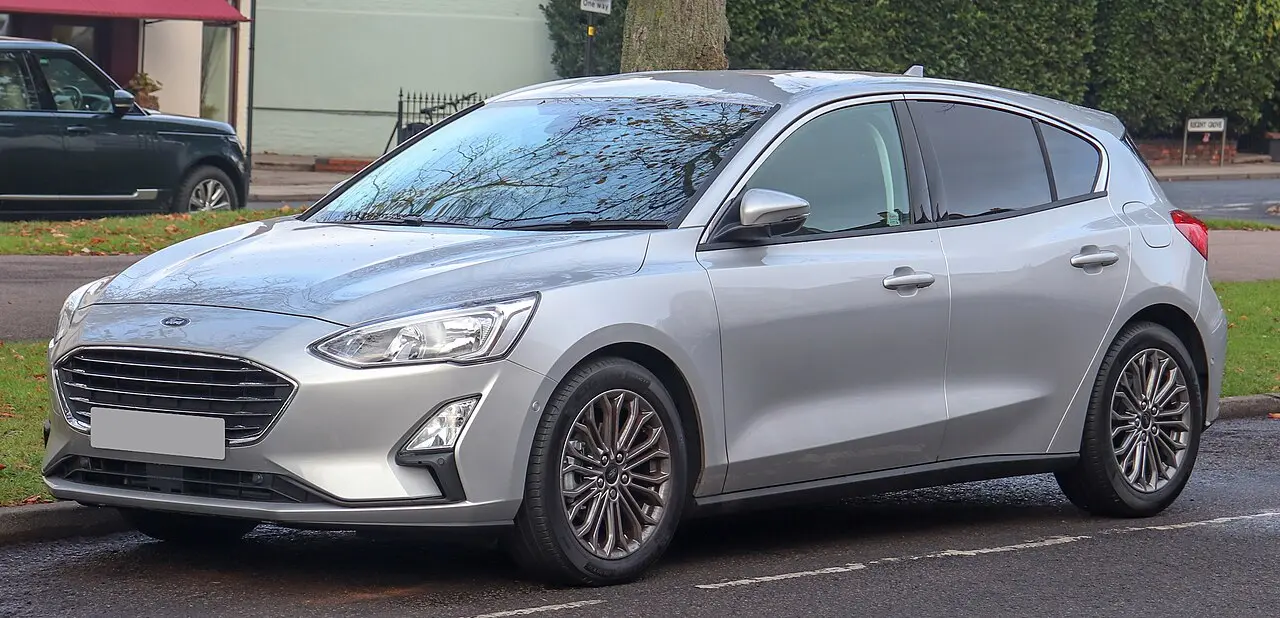
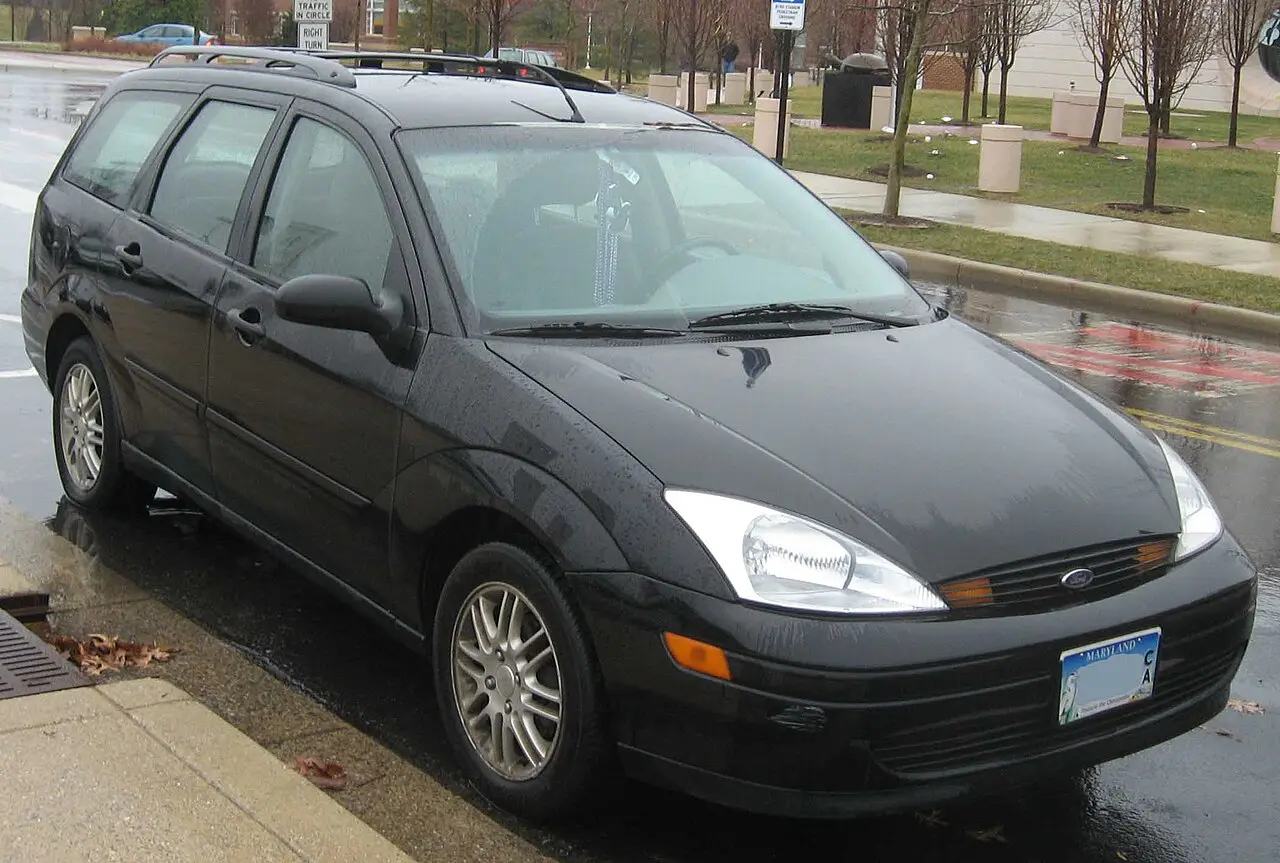
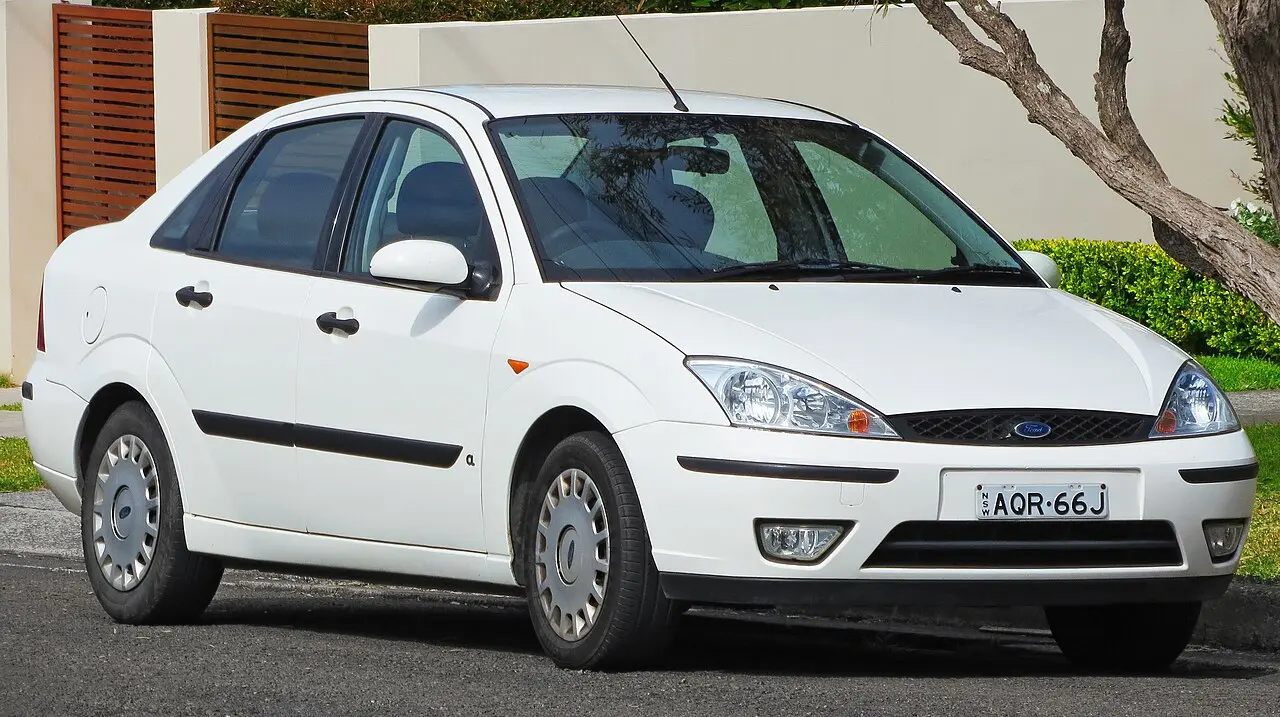
Focus è l’auto compatta per la famiglia di Ford. A seconda della generazione e del mercato, era disponibile come berlina a 2 volumi, station wagon o berlina a 3 volumi, con carrozzerie adatte agli spostamenti quotidiani e all’uso familiare.
Ford ha presentato Focus nel 1998 come erede di Escort. Il suo distintivo design New Edge le dava un aspetto innovativo, mentre le generazioni successive hanno introdotto aggiornamenti di stile, dotazioni e motori. L’ultima generazione europea adotta la piattaforma C2 di Ford, utilizzata anche da Kuga.
Le generazioni di Focus
Nei dati riportati qui, la Mk1 europea copre il periodo 2000–2004, mentre la Mk1 nordamericana quello 2000–2007. Per la Mk2 europea gli anni sono 2004–2010; i dati della Mk2 nordamericana coprono il periodo 2008–2011. La Mk3 è stata prodotta dal 2011 al 2018 in Europa e dal 2012 al 2018 negli Stati Uniti e in Canada. La Mk4 europea è in produzione dal 2018.
Le denominazioni delle generazioni indicano modelli imparentati, che possono però differire da una regione all’altra. Con ogni generazione, Focus ha aggiornato il design, le carrozzerie e le dotazioni. In Europa, la Mk4 è l’ultima generazione inclusa nei dati di mercato qui riportati.
Motori, potenza e consumi
Le versioni UE spaziano da 1,0 L a 2,3 L e da 63 kW (86 PS) a 257 kW (349 PS). La gamma britannica copre lo stesso intervallo di cilindrata e arriva a 206 kW (280 PS); nei dati francesi compaiono potenze fino a 184 kW (250 PS). Le motorizzazioni comprendono benzina, diesel, ibrida, ibrida plug-in e flex-fuel E85; in alcuni dati UE o francesi figurano anche altre alimentazioni e versioni elettriche.
Il consumo UE più basso riportato per le versioni a benzina, diesel o ibride è 4 L/100 km nel ciclo WLTP. Per l’ibrida plug-in il dato è 5,2 L/100 km WLTP, un valore ufficiale ponderato che presuppone che una parte dei tragitti avvenga in modalità elettrica. Nei dati britannici e francesi si arriva a 3,4 L/100 km nel ciclo NEDC. Il valore EPA statunitense è 6,9 L/100 km, pari a 34 MPG nel ciclo combinato; in Canada il valore del test a 5 cicli è 6,8 L/100 km. WLTP e NEDC in Europa, EPA negli Stati Uniti e il test a 5 cicli in Canada seguono procedure diverse, quindi i risultati non sono direttamente confrontabili.
Dove è stata venduta Focus?
Focus compare nei dati sulle immatricolazioni UE dal 2010 al 2025, in quelli britannici dal 2000 al 2026 e in quelli francesi dal 2012 al 2026. I dati statunitensi e canadesi coprono il periodo 2000–2018. Nel periodo indicato, le immatricolazioni nell’UE ammontano a 5.161.323.
Domande e risposte
Quali carrozzerie erano disponibili per Focus?
Nel corso delle generazioni e nei diversi mercati, Focus è stata venduta come berlina a 2 volumi, station wagon o berlina a 3 volumi.
Da quando è in produzione Focus Mk4 in Europa?
La Mk4 è in produzione in Europa dal 2018.
Qual è il consumo più basso riportato per Focus ibrida plug-in?
È 5,2 L/100 km nel ciclo WLTP, un valore ufficiale ponderato che presuppone che una parte dei tragitti avvenga in modalità elettrica.
Focus era disponibile con motorizzazione ibrida?
Sì. Nei dati dei mercati europei compaiono versioni ibride e ibride plug-in.
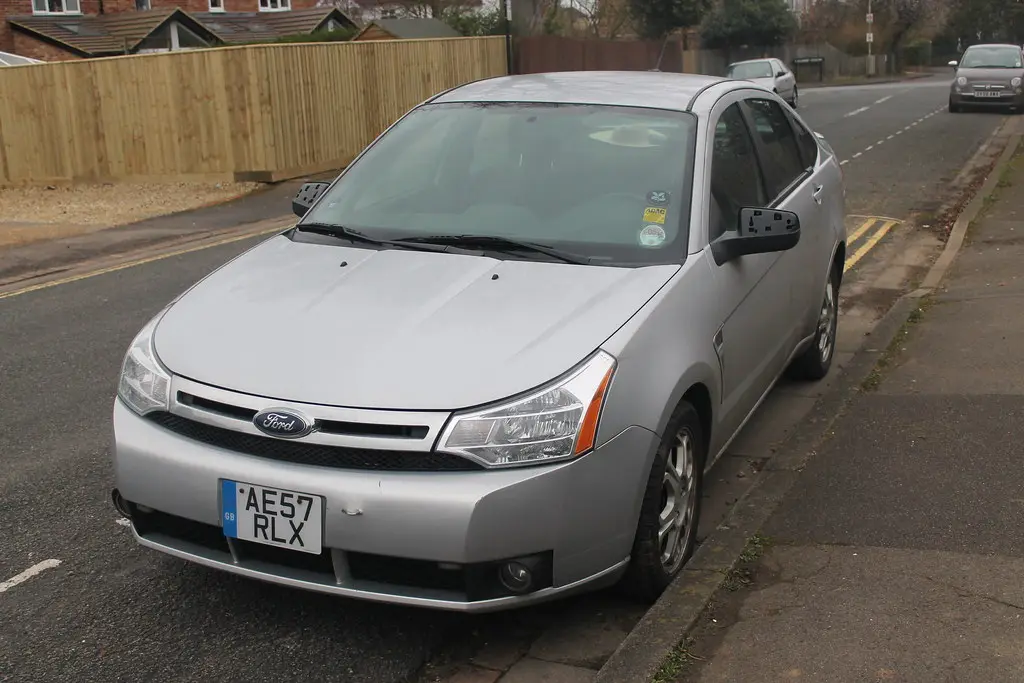
Codici modello: C170 · In vendita in: Regno Unito, Unione europea e Francia · Riferimenti: en.wikipedia.org
In breve: Lunghezza 4180 mm · Massa a vuoto 1049–1144 kg · Velocità massima 173–216 km/h · Superamento della revisione MOT al primo tentativo a 13 anni e oltre: 62,0% (Media del Regno Unito 69,2%) Specifiche, affidabilità e tutte le versioni →
In breve: Lunghezza 4180 mm · Massa a vuoto 1049–1144 kg · Velocità massima 173–216 km/h · Superamento della revisione MOT al primo tentativo a 13 anni e oltre: 62,0% (Media del Regno Unito 69,2%) Specifiche, affidabilità e tutte le versioni →
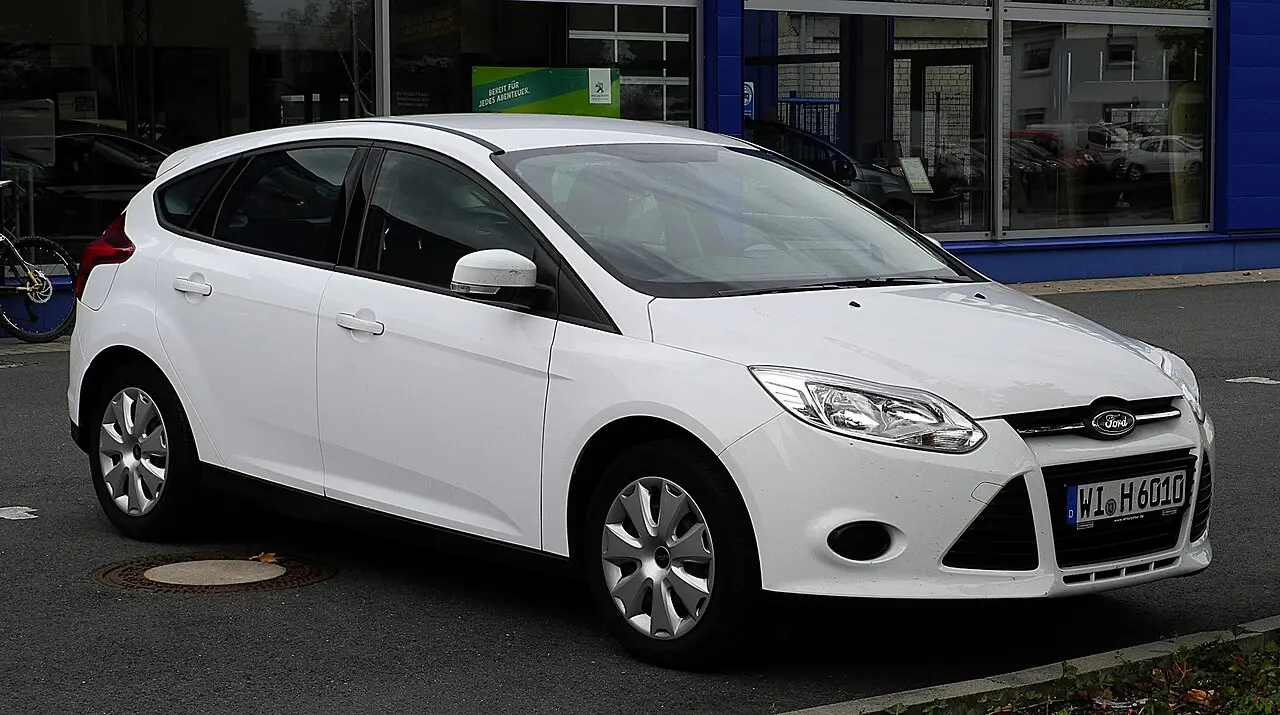
Codici modello: C1, C307 · In vendita in: Regno Unito, Unione europea e Francia · Riferimenti: en.wikipedia.org, carbuyer.co.uk
In breve: Lunghezza 4400–4500 mm · Massa a vuoto 1229–1630 kg · Velocità massima 180–208 km/h · Superamento della revisione MOT al primo tentativo a 13 anni e oltre: 69,6% (Media del Regno Unito 69,2%) Specifiche, affidabilità e tutte le versioni →
In breve: Lunghezza 4400–4500 mm · Massa a vuoto 1229–1630 kg · Velocità massima 180–208 km/h · Superamento della revisione MOT al primo tentativo a 13 anni e oltre: 69,6% (Media del Regno Unito 69,2%) Specifiche, affidabilità e tutte le versioni →
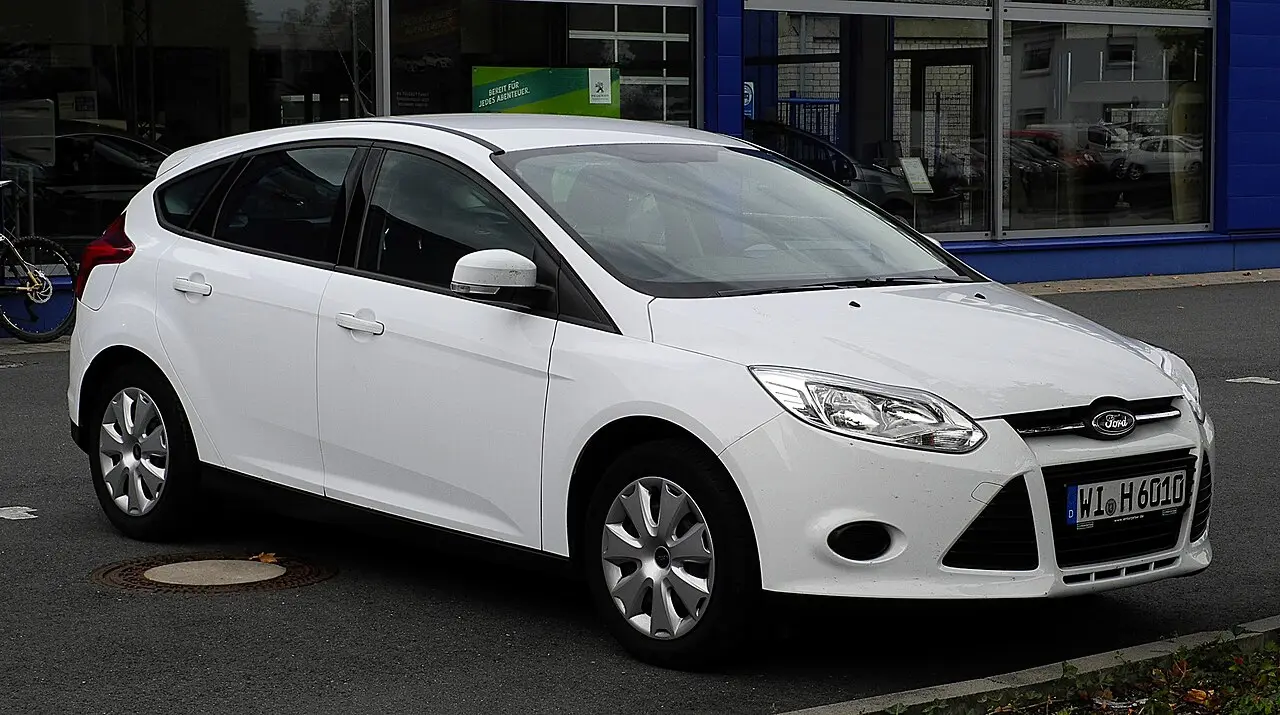
Codici modello: C346 · In vendita in: Regno Unito, Unione europea e Francia · Riferimenti: carbuyer.co.uk, en.wikipedia.org
In breve: Lunghezza 4400–4610 mm · Massa a vuoto 1176–1288 kg · Velocità massima 180–210 km/h · Superamento della revisione MOT al primo tentativo a 9–12 anni: 77,5% (Media del Regno Unito 77,9%) Specifiche, affidabilità e tutte le versioni →
Codici modello: C346 · In vendita in: Stati Uniti e Canada · Riferimenti: en.wikipedia.org
In breve: Lunghezza 4400–4610 mm · Massa a vuoto 1176–1288 kg · Velocità massima 180–210 km/h · Superamento della revisione MOT al primo tentativo a 9–12 anni: 77,5% (Media del Regno Unito 77,9%) Specifiche, affidabilità e tutte le versioni →
Codici modello: C519 · In vendita in: Regno Unito, Unione europea e Francia · Riferimenti: en.wikipedia.org, largus.fr
In breve: Lunghezza 4400–4690 mm · Massa a vuoto 1222–1382 kg · Velocità massima 184–209 km/h · Superamento della revisione MOT al primo tentativo a 4–5 anni: 90,7% (Media del Regno Unito 91,0%) Specifiche, affidabilità e tutte le versioni →
Mostra tutte le 163 versioni
Unione europea 88 versioni
Auto nuove immatricolate nell'UE (oltre che in Norvegia e Islanda), dati dell'Agenzia europea dell'ambiente. Cifre secondo la procedura NEDC fino al 2020 e WLTP dal 2021; le versioni sono raggruppate per motore e potenza, con il relativo numero di immatricolazioni.
Anni e versione
Motore
Potenza
Carburante
Consumo (combinato)
CO₂
Immatricolazioni UE
2021–2025
1,0 L
114 kW (155 PS)
Ibrida
5,1–5,6 L/100 km WLTP
122–126 g/km
65.151
2022–2025
1,5 L
85 kW (116 PS)
Diesel
5,1 L/100 km WLTP
133–137 g/km
37.429
2021–2025
1,0 L
92 kW (125 PS)
Ibrida
4,9–5,5 L/100 km WLTP
120–124 g/km
84.930
2021–2025
1,0 L
91 kW (124 PS)
Ibrida
4,4–6,1 L/100 km WLTP
119–121 g/km
26.991
2021–2025
2,3 L
206 kW (280 PS)
Benzina
8,0–8,1 L/100 km WLTP
183–185 g/km
14.626
2023–2025
1,5 L
84 kW (114 PS)
Diesel
5,0 L/100 km WLTP
131 g/km
4886
2021–2025
1,0 L
114 kW (155 PS)
Benzina
4,7–5,4 L/100 km WLTP
121–122 g/km
2269
2025
1,0 L
114 kW (155 PS)
Ibrida plug-in
5,3 L/100 km WLTP
120 g/km
276
2025
1,0 L
92 kW (125 PS)
Ibrida plug-in
5,2 L/100 km WLTP
119 g/km
111
2021–2025
1,0 L
91 kW (124 PS)
Benzina
4,5–5,5 L/100 km WLTP
120–125 g/km
8913
2021–2025
1,0 L
91 kW (124 PS)
Carburante flessibile (E85)
5,3–5,4 L/100 km WLTP
120–123 g/km
14.223
2021–2025
1,0 L
92 kW (125 PS)
Benzina
5,4–5,7 L/100 km WLTP
121–132 g/km
40.010
2025
1,5 L
58 kW (79 PS)
Diesel
5,0 L/100 km WLTP
130 g/km
10
2022–2024
1,0 L
92 kW (125 PS)
Carburante flessibile (E85)
5,6–5,7 L/100 km WLTP
126–129 g/km
2996
2022–2024
1,5 L
88 kW (120 PS)
Diesel
4,5–4,6 L/100 km WLTP
118–121 g/km
20.201
2023
1,0 L
67 kW (91 PS)
Ibrida
5,4 L/100 km WLTP
121 g/km
148
2023
1,0 L
110 kW (150 PS)
Ibrida
5,3 L/100 km WLTP
121 g/km
72
2021–2023
1,0 L
74 kW (101 PS)
Benzina
5,3–5,5 L/100 km WLTP
123–125 g/km
6503
2023
1,5 L
67 kW (91 PS)
Diesel
4,7 L/100 km WLTP
124 g/km
45
2023
1,0 L
67 kW (91 PS)
Benzina
5,3 L/100 km WLTP
120 g/km
42
2023
1,0 L
81 kW (110 PS)
Ibrida
5,3 L/100 km WLTP
121 g/km
28
2023
1,0 L
95 kW (129 PS)
Ibrida
5,4 L/100 km WLTP
121 g/km
26
2023
1,5 L
110 kW (150 PS)
Diesel
4,8 L/100 km WLTP
126 g/km
21
2023
1,0 L
84 kW (114 PS)
Ibrida
5,3 L/100 km WLTP
120 g/km
19
2023
1,0 L
61 kW (83 PS)
Ibrida
5,3 L/100 km WLTP
121 g/km
17
2023
1,0 L
72 kW (98 PS)
Ibrida
5,3 L/100 km WLTP
120 g/km
17
2023
1,0 L
81 kW (110 PS)
Benzina
5,3 L/100 km WLTP
120 g/km
15
2023
1,0 L
96 kW (131 PS)
Ibrida
5,4 L/100 km WLTP
122 g/km
15
2023
1,0 L
110 kW (150 PS)
Benzina
5,3 L/100 km WLTP
119 g/km
15
2023
1,0 L
70 kW (95 PS)
Ibrida
5,4 L/100 km WLTP
121 g/km
14
2023
1,0 L
85 kW (116 PS)
Ibrida
5,3 L/100 km WLTP
121 g/km
14
2023
1,0 L
132 kW (179 PS)
Ibrida
5,3 L/100 km WLTP
120 g/km
14
2023
1,5 L
81 kW (110 PS)
Diesel
4,8 L/100 km WLTP
127 g/km
14
2023
1,0 L
112 kW (152 PS)
Ibrida
5,3 L/100 km WLTP
120 g/km
13
2023
1,0 L
117 kW (159 PS)
Ibrida
5,4 L/100 km WLTP
121 g/km
12
2023
1,0 L
68 kW (92 PS)
Ibrida
5,4 L/100 km WLTP
121 g/km
11
2022
1,5 L
111 kW (151 PS)
Benzina
6,3 L/100 km WLTP
145 g/km
848
2021–2022
2,0 L
110 kW (150 PS)
Diesel
4,8 L/100 km WLTP
126–129 g/km
6160
2021–2022
1,5 L
70 kW (95 PS)
Diesel
4,0–4,3 L/100 km WLTP
112 g/km
3653
2021–2022
1,5 L
134 kW (182 PS)
Benzina
5,9–6,5 L/100 km WLTP
147–149 g/km
2287
2021–2022
2,0 L
140 kW (190 PS)
Diesel
5,3 L/100 km WLTP
140 g/km
399
2021–2022
1,5 L
110 kW (150 PS)
Benzina
6,3–6,5 L/100 km WLTP
145 g/km
1328
2021–2022
1,0 L
73 kW (99 PS)
Benzina
5,5–6,2 L/100 km WLTP
125 g/km
472
2022
1,5 L
206 kW (280 PS)
Diesel
–
121 g/km
33
2021–2022
1,5 L
133 kW (181 PS)
Benzina
6,4–6,6 L/100 km WLTP
147–148 g/km
324
2022
1,5 L
111 kW (151 PS)
Ibrida
5,3 L/100 km WLTP
142 g/km
15
2021
1,5 L
88 kW (120 PS)
Diesel
4,0 L/100 km WLTP0,5 kWh/100 km WLTP
117 g/km
40.960
2021
1,5 L
111 kW (151 PS)
Benzina
6,2 L/100 km WLTP0,6 kWh/100 km WLTP
146 g/km
6180
2021
1,0 L
92 kW (125 PS)
Carburante flessibile (E85)
–
135 g/km
18
2020–2021
1,0 L
92 kW (125 PS)
Gas naturale
–
106–108 g/km
66
2018–2020
1,0 L
92 kW (125 PS)
Benzina
–
106–111 g/km
278.042
2018–2020
1,5 L
88 kW (120 PS)
Diesel
–
98–101 g/km
285.755
2018–2020
1,5 L
111 kW (151 PS)
Benzina
–
123–130 g/km
91.282
2018–2020
2,0 L
110 kW (150 PS)
Diesel
–
113–118 g/km
57.638
2020
1,0 L
92 kW (125 PS)
Ibrida
–
96 g/km
20.435
2019–2020
2,3 L
206 kW (280 PS)
Benzina
–
179–180 g/km
20.522
2018–2020
1,0 L
74 kW (101 PS)
Benzina
–
103–107 g/km
47.825
2020
1,0 L
114 kW (155 PS)
Ibrida
–
96 g/km
7848
2018–2020
1,5 L
134 kW (182 PS)
Benzina
–
126–131 g/km
19.746
2018–2020
1,5 L
110 kW (150 PS)
Benzina
–
120–129 g/km
18.660
2018–2020
1,5 L
70 kW (95 PS)
Diesel
–
94–99 g/km
29.258
2020
1,0 L
91 kW (124 PS)
Ibrida
–
95 g/km
5067
2020
1,0 L
91 kW (124 PS)
Benzina
–
95 g/km
2251
2018–2020
1,5 L
133 kW (181 PS)
Benzina
–
125–129 g/km
4730
2019–2020
2,0 L
140 kW (190 PS)
Diesel
–
125–126 g/km
2038
2020
1,0 L
114 kW (155 PS)
Benzina
–
97 g/km
696
2018–2020
1,0 L
63 kW (86 PS)
Benzina
–
110–111 g/km
1446
2019–2020
1,5 L
91 kW (124 PS)
Benzina
–
134–145 g/km
610
2019
1,0 L
92 kW (125 PS)
Benzina
13,3 kWh/100 km NEDC
113 g/km
193.078
2018–2019
2,3 L
257 kW (349 PS)
Benzina
–
174–175 g/km
5958
2018–2019
1,5 L
110 kW (150 PS)
Benzina
–
128–129 g/km
16.730
2018–2019
1,6 L
77 kW (105 PS)
Benzina
–
129–137 g/km
9354
2018–2019
1,6 L
92 kW (125 PS)
Benzina
–
137–141 g/km
3508
2018–2019
2,0 L
110 kW (150 PS)
Diesel
–
108–109 g/km
8378
2018–2019
1,5 L
77 kW (105 PS)
Diesel
–
88–92 g/km
9276
2018–2019
2,0 L
184 kW (250 PS)
Benzina
–
159 g/km
8872
2019
1,0 L
70 kW (95 PS)
Benzina
–
113 g/km
14
2019
1,0 L
88 kW (120 PS)
Benzina
–
111 g/km
12
2019
1,5 L
74 kW (101 PS)
Diesel
–
98 g/km
12
2018
1,0 L
103 kW (140 PS)
Benzina
–
113 g/km
6034
2018
1,5 L
134 kW (182 PS)
Benzina
–
131 g/km
3780
2018
1,6 L
63 kW (86 PS)
Benzina
–
136 g/km
900
2018
2,0 L
136 kW (185 PS)
Diesel
–
113 g/km
728
2018
1,5 L
88 kW (120 PS)
Altro carburante
–
55 g/km
230
2018
1,0 L
92 kW (125 PS)
Altro carburante
–
60 g/km
128
2018
1,5 L
70 kW (95 PS)
Altro carburante
–
50 g/km
78
2018
1,0 L
74 kW (101 PS)
Altro carburante
–
59 g/km
58
2018
1,6 L
86 kW (117 PS)
GPL
–
123 g/km
36
Regno Unito 74 versioni
Auto nuove in vendita nel Regno Unito, dati della Vehicle Certification Agency. Cifre NEDC fino al 2018 e WLTP in seguito; gli anni indicano le edizioni in cui è comparsa una versione.
Anni e versione
Motore
Potenza
Carburante
Cambio
Consumo (combinato)
CO₂
2020–20261.0 EcoBoost (mHEV)
1,0 L
92 kW (125 PS)
Ibrida
Manuale a 6 marce
4,9–6,1 L/100 km WLTP
112–138 g/km
2023–20261.0 EcoBoost (mHEV)
1,0 L
114 kW (155 PS)
Ibrida
Automatica a 7 marce
5,2–6,3 L/100 km WLTP
117–143 g/km
2020–20262.3 EcoBoost
2,3 L
206 kW (280 PS)
Benzina
Manuale a 6 marce
7,6–8,3 L/100 km WLTP
174–189 g/km
2020–20262.3 EcoBoost
2,3 L
206 kW (280 PS)
Benzina
Automatica a 7 marce
7,8–8,3 L/100 km WLTP
179–190 g/km
20241.0 EcoBoost
1,0 L
125 kW (170 PS)
Benzina
Manuale a 6 marce
5,1–6,4 L/100 km WLTP
116–146 g/km
20241.0 EcoBoost (mHEV)
1,0 L
125 kW (170 PS)
Ibrida
Manuale a 6 marce
5,1–6,1 L/100 km WLTP
116–138 g/km
20241.0 EcoBoost (mHEV)
1,0 L
125 kW (170 PS)
Ibrida
Automatica a 7 marce
5,3–6,6 L/100 km WLTP
121–149 g/km
2020–20241.0 EcoBoost (mHEV)
1,0 L
155 kW (211 PS)
Ibrida
Manuale a 6 marce
5,0–6,1 L/100 km WLTP
113–138 g/km
20241.0 EcoBoost (mHEV)
1,0 L
155 kW (211 PS)
Ibrida
Automatica a 7 marce
5,2–6,3 L/100 km WLTP
117–143 g/km
20241.5 EcoBlue
1,5 L
120 kW (163 PS)
Diesel
Automatica a 8 marce
4,4–5,3 L/100 km WLTP
115–139 g/km
20242.3 EcoBoost
2,3 L
280 kW (381 PS)
Benzina
Automatica a 7 marce
7,9–8,2 L/100 km WLTP
180–187 g/km
20242.3 EcoBoost
2,3 L
280 kW (381 PS)
Benzina
Manuale a 6 marce
7,8–8,3 L/100 km WLTP
180–189 g/km
2020–20231.0 EcoBoost
1,0 L
92 kW (125 PS)
Benzina
Manuale a 6 marce
5,1–6,4 L/100 km WLTP
116–146 g/km
2022–20231.0 EcoBoost (mHEV)
1,0 L
92 kW (125 PS)
Ibrida
Automatica a 7 marce
5,3–6,6 L/100 km WLTP
121–149 g/km
2022–20231.0 EcoBoost (mHEV)
1,0 L
115 kW (156 PS)
Ibrida
Manuale a 6 marce
5,0–6,1 L/100 km WLTP
113–138 g/km
2022–20231.0 EcoBoost (mHEV)
1,0 L
115 kW (156 PS)
Ibrida
Automatica a 7 marce
5,2–6,3 L/100 km WLTP
117–143 g/km
2020–20231.5 EcoBlue
1,5 L
88 kW (120 PS)
Diesel
Automatica a 8 marce
4,4–5,6 L/100 km WLTP
115–147 g/km
2020–20221.0 EcoBoost
1,0 L
92 kW (125 PS)
Benzina
Automatica a 8 marce
5,7–7,0 L/100 km WLTP
128–157 g/km
2020–20221.5 EcoBoost
1,5 L
110 kW (150 PS)
Benzina
Automatica a 8 marce
6,0–7,0 L/100 km WLTP
136–158 g/km
2020–20221.5 EcoBoost
1,5 L
110 kW (150 PS)
Benzina
Manuale a 6 marce
5,5–6,5 L/100 km WLTP
126–146 g/km
2020–20221.5 EcoBlue
1,5 L
70 kW (95 PS)
Diesel
Manuale a 6 marce
4,0–5,3 L/100 km WLTP
106–139 g/km
2020–20221.5 EcoBlue
1,5 L
88 kW (120 PS)
Diesel
Manuale a 6 marce
4,0–5,3 L/100 km WLTP
106–139 g/km
2020–20222.0 EcoBlue
2,0 L
110 kW (150 PS)
Diesel
Automatica a 8 marce
4,7–5,5 L/100 km WLTP
124–144 g/km
2020–20222.0 EcoBlue
2,0 L
110 kW (150 PS)
Diesel
Manuale a 6 marce
4,6–5,2 L/100 km WLTP
119–137 g/km
2020–20222.0 EcoBlue
2,0 L
140 kW (190 PS)
Diesel
Manuale a 6 marce
5,2–5,6 L/100 km WLTP
136–148 g/km
20201.0 EcoBoost
1,0 L
74 kW (101 PS)
Benzina
Manuale a 6 marce
5,1–6,1 L/100 km WLTP
115–137 g/km
20201.5 EcoBoost
1,5 L
134 kW (182 PS)
Benzina
Automatica a 8 marce
6,0–7,0 L/100 km WLTP
136–158 g/km
20201.5 EcoBoost
1,5 L
134 kW (182 PS)
Benzina
Manuale a 6 marce
5,7–6,6 L/100 km WLTP
129–150 g/km
20191.0 EcoBoost
1,0 L
92 kW (125 PS)
Benzina
Automatica a 8 marce
6,4–7,5 L/100 km WLTP
–
20191.0 EcoBoost
1,0 L
63 kW (86 PS)
Benzina
Manuale a 6 marce
5,5–6,4 L/100 km WLTP
–
20191.0 EcoBoost
1,0 L
74 kW (101 PS)
Benzina
Manuale a 6 marce
5,5–6,4 L/100 km WLTP
–
20191.0 EcoBoost
1,0 L
92 kW (125 PS)
Benzina
Manuale a 6 marce
5,5–6,4 L/100 km WLTP
–
20191.5 EcoBoost
1,5 L
110 kW (150 PS)
Benzina
Automatica a 8 marce
6,7–7,4 L/100 km WLTP
–
20191.5 EcoBoost
1,5 L
110 kW (150 PS)
Benzina
Manuale a 6 marce
5,9–6,8 L/100 km WLTP
–
20191.5 EcoBoost
1,5 L
134 kW (182 PS)
Benzina
Automatica a 8 marce
6,6–7,3 L/100 km WLTP
–
20191.5 EcoBoost
1,5 L
134 kW (182 PS)
Benzina
Manuale a 6 marce
5,8–6,8 L/100 km WLTP
–
20191.5 EcoBlue
1,5 L
70 kW (95 PS)
Diesel
Manuale a 6 marce
4,3–5,0 L/100 km WLTP
–
20191.5 EcoBlue
1,5 L
88 kW (120 PS)
Diesel
Automatica a 8 marce
5,1–5,7 L/100 km WLTP
–
20191.5 EcoBlue
1,5 L
88 kW (120 PS)
Diesel
Manuale a 6 marce
4,3–5,1 L/100 km WLTP
–
20192.0 EcoBlue
2,0 L
110 kW (150 PS)
Diesel
Automatica a 8 marce
5,4–6,4 L/100 km WLTP
–
20192.0 EcoBlue
2,0 L
110 kW (150 PS)
Diesel
Manuale a 6 marce
4,8–5,4 L/100 km WLTP
–
20192.0 EcoBlue
2,0 L
140 kW (190 PS)
Diesel
Manuale a 6 marce
5,6 L/100 km WLTP
–
20192.3 EcoBoost
2,3 L
206 kW (280 PS)
Benzina
Manuale a 6 marce
8,2 L/100 km WLTP
–
20181.0L Ford EcoBoost with 16" Tyre (85PS) - 5 Door
1,0 L
63 kW (85 PS)
Benzina
Manuale a 6 marce
4,8 L/100 km NEDC
110 g/km
20181.0L Ford EcoBoost with 17" Tyre (100PS) - 5 Door
1,0 L
74 kW (100 PS)
Benzina
Manuale a 6 marce
4,8 L/100 km NEDC
107 g/km
20181.0L Ford EcoBoost with 16" Tyre (100PS) - 5 Door
1,0 L
74 kW (100 PS)
Benzina
Manuale a 6 marce
4,7 L/100 km NEDC
107 g/km
20181.0L Ford EcoBoost with 16" Tyre (125PS) - 5 Door · 1.0L Ford EcoBoost with 17" Tyre (125PS) - 5 Door · 1.0L Ford EcoBoost with 17" Tyre (125PS) - 5 Door Active
1,0 L
92 kW (125 PS)
Benzina
Manuale a 6 marce
4,8 L/100 km NEDC
107 g/km
20181.0L Ford EcoBoost with 18" Tyre (125PS) - 5 Door Active X
1,0 L
92 kW (125 PS)
Benzina
Manuale a 6 marce
4,9 L/100 km NEDC
110 g/km
20181.0L Ford EcoBoost with 16" Tyre (125PS) - 5 Door · 1.0L Ford EcoBoost with 17" Tyre (125PS) - 5 Door · 1.0L Ford EcoBoost with 17" Tyre (125PS) - 5 Door Active
1,0 L
92 kW (125 PS)
Benzina
Automatica a 8 marce
5,6 L/100 km NEDC
126 g/km
20181.0L Ford EcoBoost with 18" Tyre (125PS) - 5 Door
1,0 L
92 kW (125 PS)
Benzina
Automatica a 8 marce
5,8 L/100 km NEDC
131 g/km
20181.0L Ford EcoBoost with 18" Tyre (125PS) - 5 Door
1,0 L
92 kW (125 PS)
Benzina
Manuale a 6 marce
5,0 L/100 km NEDC
114 g/km
20181.0L Ford EcoBoost with 18" Tyre (125PS) - 5 Door Active X
1,0 L
92 kW (125 PS)
Benzina
Automatica a 8 marce
5,7 L/100 km NEDC
128 g/km
20181.0 EcoBoost (140PS) With Stop/Start - 5 Door
1,0 L
103 kW (140 PS)
Benzina
Manuale a 6 marce
4,9 L/100 km NEDC
112 g/km
20181.0 EcoBoost (140PS) With Stop/Start - Estate
1,0 L
103 kW (140 PS)
Benzina
Manuale a 6 marce
5,0 L/100 km NEDC
114 g/km
20181.5L Ford EcoBoost with 16" Tyre (150PS) - 5 Door · 1.5L Ford EcoBoost with 17" Tyre (150PS) - 5 Door · 1.5L Ford EcoBoost with 17" Tyre (150PS) - 5 Door Active
1,5 L
110 kW (150 PS)
Benzina
Manuale a 6 marce
5,3 L/100 km NEDC
121 g/km
20181.5L Ford EcoBoost with 18" Tyre (150PS) - 5 Door Active X
1,5 L
110 kW (150 PS)
Benzina
Manuale a 6 marce
5,4 L/100 km NEDC
123 g/km
20181.5L Ford EcoBoost with 16" Tyre (150PS) - 5 Door · 1.5L Ford EcoBoost with 17" Tyre (150PS) - 5 Door Active · 1.5L Ford EcoBoost with 17" Tyre (150PS) - 5 Door
1,5 L
110 kW (150 PS)
Benzina
Automatica a 8 marce
5,9 L/100 km NEDC
133 g/km
20181.5L Ford EcoBoost with 18" Tyre (150PS) - 5 Door Active X
1,5 L
110 kW (150 PS)
Benzina
Automatica a 8 marce
6,0 L/100 km NEDC
136 g/km
20181.5L Ford EcoBoost with 18" Tyre (182PS) - 5 Door
1,5 L
134 kW (182 PS)
Benzina
Automatica a 8 marce
6,1 L/100 km NEDC
137 g/km
20181.5L Ford EcoBoost with 18" Tyre (182PS) - 5 Door
1,5 L
134 kW (182 PS)
Benzina
Manuale a 6 marce
5,5 L/100 km NEDC
126 g/km
20181.5L Ford EcoBlue with 16" Tyre (95PS) - 5 Door
1,5 L
70 kW (95 PS)
Diesel
Manuale a 6 marce
3,5 L/100 km NEDC
91 g/km
20181.5L Ford EcoBlue with 17" Tyre (95PS) - 5 Door
1,5 L
70 kW (95 PS)
Diesel
Manuale a 6 marce
3,5 L/100 km NEDC
92 g/km
20181.5L Ford EcoBlue with 17" Tyre (120PS) - 5 Door · 1.5L Ford EcoBlue with 17" Tyre (120PS) - 5 Door Active · 1.5L Ford EcoBlue with 16" Tyre (120PS) - 5 Door
1,5 L
88 kW (120 PS)
Diesel
Manuale a 6 marce
3,5 L/100 km NEDC
93 g/km
20181.5L Ford EcoBlue with 18" Tyre (120PS) - 5 Door
1,5 L
88 kW (120 PS)
Diesel
Manuale a 6 marce
3,7 L/100 km NEDC
99 g/km
20181.5L Ford EcoBlue with 16" Tyre (120PS) - 5 Door · 1.5L Ford EcoBlue with 17" Tyre (120PS) - 5 Door · 1.5L Ford EcoBlue with 17" Tyre (120PS) - 5 Door Active
1,5 L
88 kW (120 PS)
Diesel
Automatica a 8 marce
4,2 L/100 km NEDC
110 g/km
20181.5L Ford EcoBlue with 18" Tyre (120PS) - 5 Door
1,5 L
88 kW (120 PS)
Diesel
Automatica a 8 marce
4,4 L/100 km NEDC
115 g/km
20181.5L Ford EcoBlue with 18" Tyre (120PS) - 5 Door Active X
1,5 L
88 kW (120 PS)
Diesel
Automatica a 8 marce
4,3 L/100 km NEDC
112 g/km
20181.5L Ford EcoBlue with 18" Tyre (120PS) - 5 Door Active X
1,5 L
88 kW (120 PS)
Diesel
Manuale a 6 marce
3,6 L/100 km NEDC
96 g/km
20182.0L Ford EcoBlue with 16" Tyre (150PS) - 5 Door · 2.0L Ford EcoBlue with 17" Tyre (150PS) - 5 Door
1,5 L
110 kW (150 PS)
Diesel
Manuale a 6 marce
4,4 L/100 km NEDC
114 g/km
20182.0L Ford EcoBlue with 16" Tyre (150PS) - 5 Door · 2.0L Ford EcoBlue with 17" Tyre (150PS) - 5 Door
1,5 L
110 kW (150 PS)
Diesel
Automatica a 8 marce
4,4 L/100 km NEDC
114 g/km
20182.0L Ford EcoBlue with 18" Tyre (150PS) - 5 Door
1,5 L
110 kW (150 PS)
Diesel
Automatica a 8 marce
4,6 L/100 km NEDC
121 g/km
20182.0L Ford EcoBlue with 18" Tyre (150PS) - 5 Door Active X
1,5 L
110 kW (150 PS)
Diesel
Automatica a 8 marce
4,5 L/100 km NEDC
117 g/km
20182.0L Ford EcoBlue with 18" Tyre (150PS) - 5 Door
1,5 L
110 kW (150 PS)
Diesel
Manuale a 6 marce
4,5 L/100 km NEDC
116 g/km
20182.0L Ford EcoBlue with 18" Tyre (150PS) - 5 Door Active X
1,5 L
110 kW (150 PS)
Diesel
Manuale a 6 marce
4,4 L/100 km NEDC
115 g/km
Francia 1 versione
Auto nuove in vendita in Francia, dati di ADEME Car Labelling. Cifre NEDC fino al 2015 e WLTP nel catalogo attuale.
95 richiami ufficiali per la sicurezza della Ford Focus, da NHTSA (Stati Uniti), DVSA (Regno Unito) e EU Safety Gate, dal più recente al meno recente. Le riparazioni previste dai richiami sono di norma gratuite presso i concessionari della casa.
La pompa del liquido di raffreddamento potrebbe causare il guasto del motore2020–2023
La frizione potrebbe rompersi e perdere liquido della trasmissione2015–2018
Il malfunzionamento della valvola di spurgo potrebbe causare lo spegnimento del motore2012–2018
Il sistema di chiamata d'emergenza potrebbe perdere la funzionalità2019–2022
La correzione software del centramento di corsia potrebbe non essere installata correttamente2024
I dati ufficiali sono misurati secondo procedure di prova standard e variano da un mercato all'altro. Il consumo dipende da come, dove e in quali condizioni guidi.