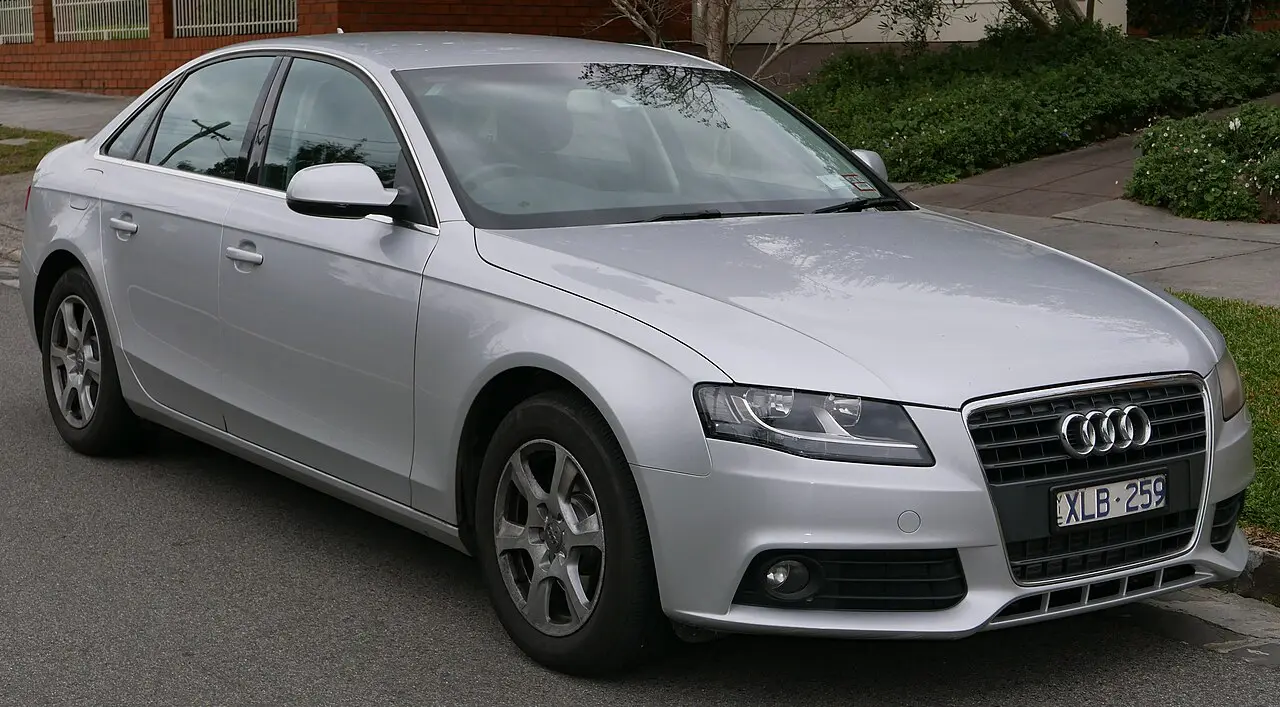
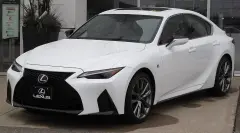
I dati ufficiali indicano 844 versioni della Audi A4 (1992–2026), nei mercati nell'Unione europea, nel Regno Unito, in Francia, negli Stati Uniti e in Canada. Ogni mercato pubblica i propri dati, misurati secondo la propria procedura di prova.
In breve
Anni coperti dai dati
1992–2026
Mercati
Unione europea, Regno Unito, Francia, Stati Uniti e Canada
Motori
da 1,4 L a 4,2 L
Potenza
da 76 kW (103 PS) a 260 kW (354 PS)
Carburanti
Diesel, Benzina, Ibrida, Ibrida plug-in, Gas naturale e Carburante flessibile (E85)
Consumo più basso (Regno Unito)
3,8 L/100 km (NEDC)
Consumo più basso (Francia)
4,0 L/100 km (NEDC)
Consumo più basso (Unione europea)
4,5 L/100 km (WLTP)
Nuove immatricolazioni nell'UE
2.968.084
Che cos’è Audi A4?
A4 è l’auto familiare di medie dimensioni di Audi, proposta come berlina e Avant familiare. La berlina è adatta agli spostamenti quotidiani, mentre la familiare offre più spazio per passeggeri e bagagli. A4 ha sostituito Audi 80 ed è diventata un modello centrale nella gamma Audi di medie dimensioni.
Le generazioni qui riportate sono B5 (1995–2001), B6 (2000–2006), B7 (2004–2009), B8 (2007–2016) e B9 (dal 2015). Le date si sovrappongono perché una generazione ha lasciato il posto alla successiva. La berlina e la Avant familiare sono rimaste le carrozzerie principali nel corso delle generazioni, mentre motori e dotazioni sono cambiati.
Motori e potenza
La gamma di motori di A4 spazia da unità a benzina e diesel di cilindrata contenuta a versioni più potenti. Nell’UE, le cilindrate vanno da 1.4 a 3.2 litri e le potenze da 88 kW (120 PS) a 331 kW (450 PS). Nel Regno Unito, la gamma spazia da 1.4 a 3.2 litri e da 75 kW (102 PS) a 245 kW (333 PS). I carburanti disponibili variano in base al mercato: i dati UE comprendono versioni a benzina, diesel, ibride, ibride plug-in, a gas naturale e flex fuel E85; quelli del Regno Unito riguardano benzina e diesel, mentre i dati statunitensi includono versioni a benzina, ibride e flex fuel E85.
Quanto consuma Audi A4?
Il consumo più basso riportato nell’UE per le versioni a benzina, diesel e ibride è di 4,5 L/100 km secondo WLTP. Il valore minimo nel Regno Unito è di 3,8 L/100 km secondo NEDC, mentre in Francia è di 4 L/100 km, anch’esso secondo NEDC. Negli Stati Uniti, il miglior valore combinato EPA è di 31 MPG, con un consumo minimo riportato di 7,6 L/100 km. Anche in Canada il valore minimo riportato è di 7,6 L/100 km, secondo il test basato sul ciclo 5.
Le procedure sono diverse: in Europa si usano WLTP o NEDC, negli Stati Uniti i test EPA e in Canada la procedura basata sul ciclo 5. I dati sulle immatricolazioni nell’UE coprono A4 dal 2010 in poi; tra le versioni con più immatricolazioni figurano quelle diesel da 2.0 litri.
Dove sono disponibili i dati su Audi A4?
I dati riguardano UE, Regno Unito, Francia, Stati Uniti e Canada. Motori, alimentazioni e potenze disponibili su A4 variano da un mercato all’altro: per una vettura specifica, è opportuno consultare il dato locale.
Domande e risposte
Quali carrozzerie sono disponibili per Audi A4?
A4 è proposta come berlina e Avant familiare.
Quante generazioni di A4 sono riportate?
5: B5, B6, B7, B8 e B9, con anni di produzione che vanno dal 1995 a oggi.
Qual è la potenza massima riportata per A4?
I dati UE arrivano a 331 kW (450 PS); il valore massimo nel Regno Unito è di 245 kW (333 PS).
A quale mercato si riferisce il dato minimo di A4 pari a 31 MPG?
È il valore combinato EPA degli Stati Uniti. In Canada, il valore minimo riportato è di 7,6 L/100 km secondo il test basato sul ciclo 5.
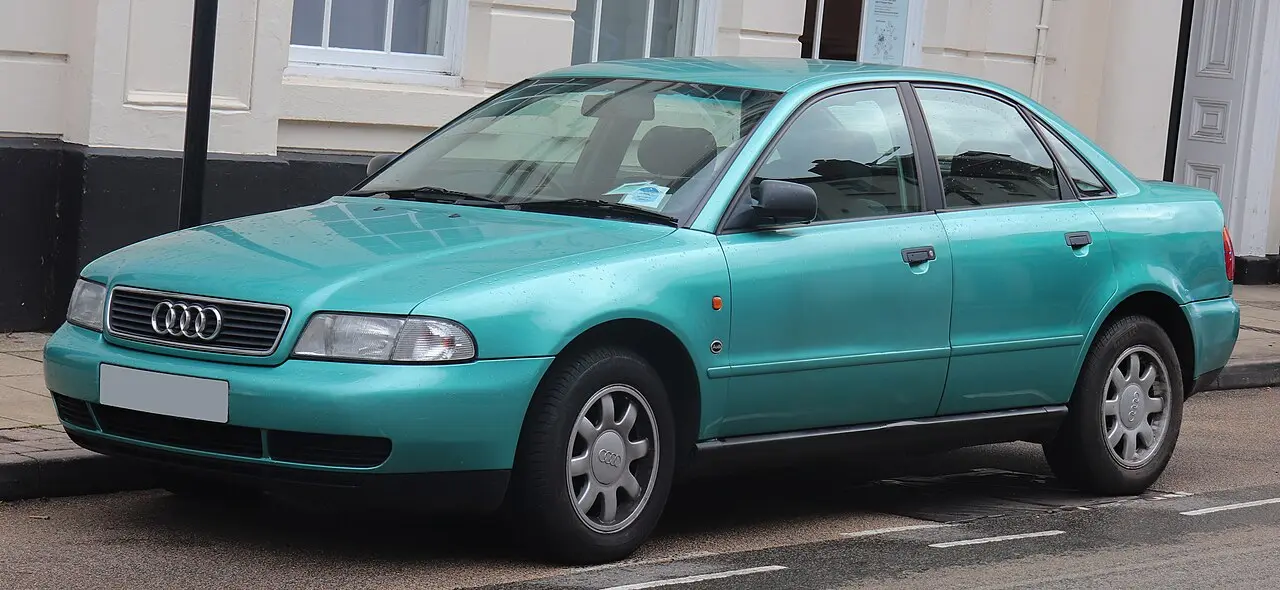
Codici modello: B5, 8D · In vendita in: Unione europea, Regno Unito, Stati Uniti, Canada e Francia · Riferimenti: autohints.com, en.wikipedia.org
In breve: Lunghezza 4530 mm · Massa a vuoto 1160–1585 kg · Velocità massima 191–250 km/h · Superamento della revisione MOT al primo tentativo a 13 anni e oltre: 68,9% (Media del Regno Unito 69,2%) Specifiche, affidabilità e tutte le versioni →
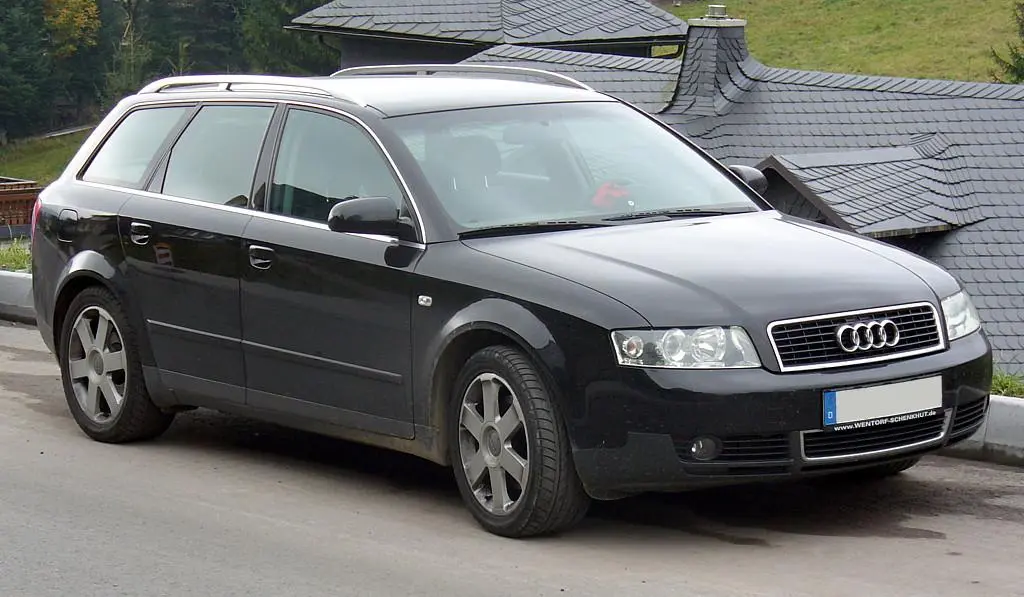
Codici modello: B6, 8E, 8H · In vendita in: Unione europea, Regno Unito, Stati Uniti, Canada e Francia · Riferimenti: autohints.com, en.wikipedia.org
In breve: Lunghezza 4530–4590 mm · Massa a vuoto 1285–1695 kg · Velocità massima 197–250 km/h · Superamento della revisione MOT al primo tentativo a 13 anni e oltre: 69,5% (Media del Regno Unito 69,2%) Specifiche, affidabilità e tutte le versioni →
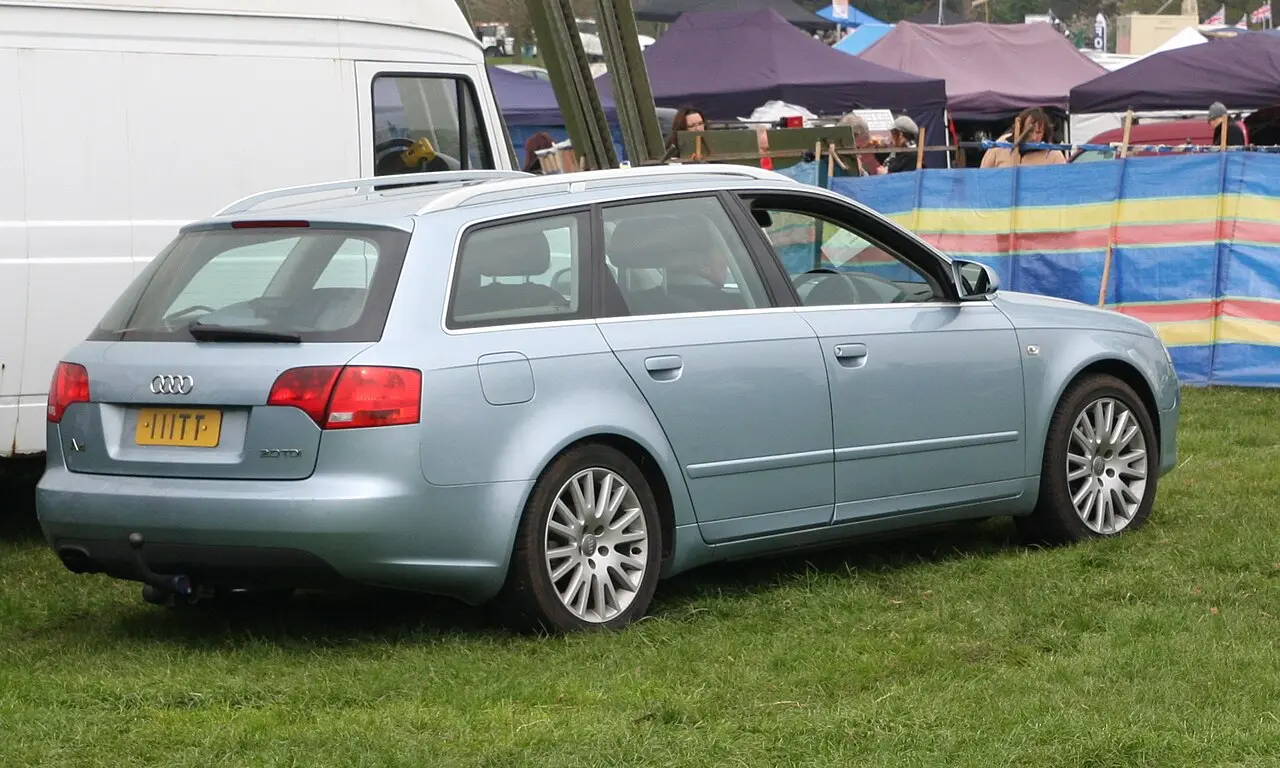
Codici modello: B7, 8E, 8H · In vendita in: Unione europea, Regno Unito, Stati Uniti, Canada e Francia · Riferimenti: autohints.com, en.wikipedia.org
In breve: Lunghezza 4560–4840 mm · Massa a vuoto 1315–1685 kg · Velocità massima 200–250 km/h · Superamento della revisione MOT al primo tentativo a 13 anni e oltre: 73,1% (Media del Regno Unito 69,2%) Specifiche, affidabilità e tutte le versioni →
Codici modello: B8, 8K · In vendita in: Unione europea, Regno Unito, Stati Uniti, Canada e Francia · Riferimenti: autohints.com, en.wikipedia.org
In breve: Lunghezza 4700–4730 mm · Massa a vuoto 1385–1625 kg · Velocità massima 200–250 km/h · Superamento della revisione MOT al primo tentativo a 9–12 anni: 81,8% (Media del Regno Unito 77,9%) Specifiche, affidabilità e tutte le versioni →
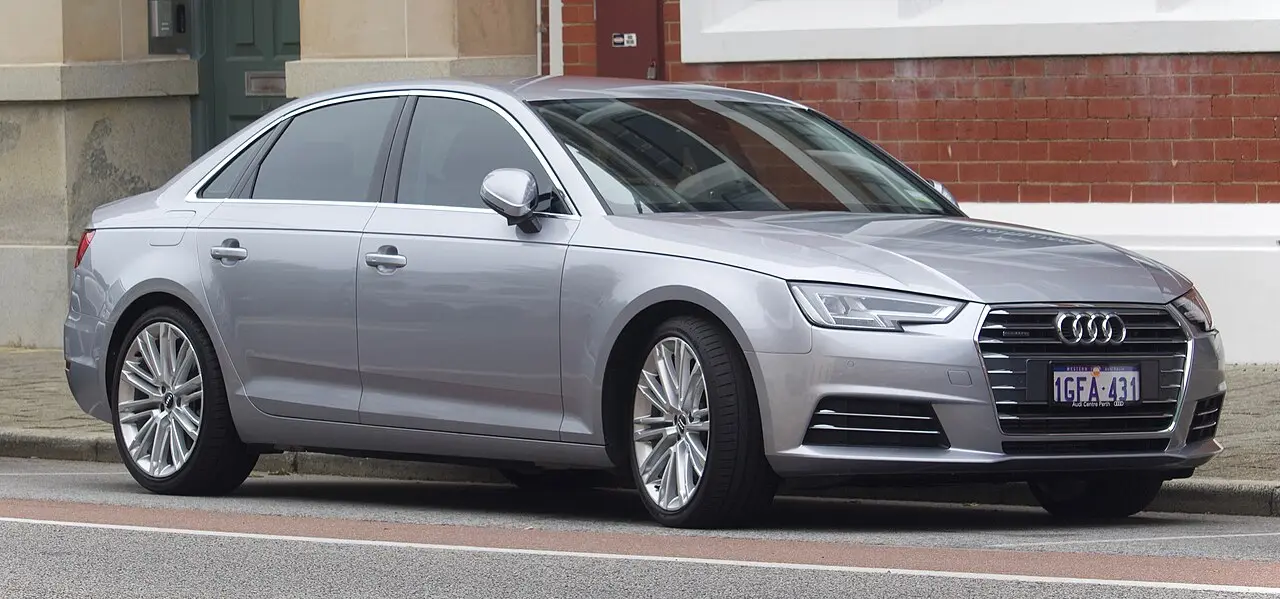
Codici modello: B9, 8W · In vendita in: Unione europea, Regno Unito, Stati Uniti, Canada e Francia · Riferimenti: autohints.com, en.wikipedia.org
In breve: Lunghezza 4730–4770 mm · Massa a vuoto 1350–1615 kg · Velocità massima 210–250 km/h · Superamento della revisione MOT al primo tentativo a 4–5 anni: 90,8% (Media del Regno Unito 91,0%) Specifiche, affidabilità e tutte le versioni →
Mostra tutte le 273 versioni
Unione europea 105 versioni
Auto nuove immatricolate nell'UE (oltre che in Norvegia e Islanda), dati dell'Agenzia europea dell'ambiente. Cifre secondo la procedura NEDC fino al 2020 e WLTP dal 2021; le versioni sono raggruppate per motore e potenza, con il relativo numero di immatricolazioni.
Anni e versione
Motore
Potenza
Carburante
Consumo (combinato)
CO₂
Immatricolazioni UE
2021–2025
3,0 L
251 kW (341 PS)
Ibrida
7,2–7,3 L/100 km WLTP
192–193 g/km
3314
2022–2025
2,0 L
150 kW (204 PS)
Ibrida
6,6–7,3 L/100 km WLTP
152–164 g/km
22.375
2021–2025
2,0 L
110 kW (150 PS)
Ibrida
6,1–6,9 L/100 km WLTP
146–155 g/km
49.434
2021–2025
2,0 L
150 kW (204 PS)
Ibrida
5,4–5,7 L/100 km WLTP
146–151 g/km
64.928
2021–2025
2,0 L
120 kW (163 PS)
Ibrida
4,8–5,1 L/100 km WLTP
132–133 g/km
51.529
2021–2025
2,0 L
195 kW (265 PS)
Ibrida
7,7–7,9 L/100 km WLTP
174–185 g/km
9059
2021–2025
2,0 L
100 kW (136 PS)
Ibrida
4,5–5,0 L/100 km WLTP
128–129 g/km
20.890
2024–2025
2,9 L
346 kW (470 PS)
Benzina
9,9 L/100 km WLTP
225 g/km
169
2021–2025
2,9 L
331 kW (450 PS)
Benzina
9,7–9,9 L/100 km WLTP
224–227 g/km
6521
2021–2025
2,0 L
110 kW (150 PS)
Ibrida plug-in
6,6–7,5 L/100 km WLTP
150–326 g/km
38
2021–2025
3,0 L
210 kW (286 PS)
Ibrida
7,1–7,2 L/100 km WLTP
188–189 g/km
4098
2021–2024
2,0 L
150 kW (204 PS)
Diesel
5,4–5,6 L/100 km WLTP
143–147 g/km
1403
2021–2024
2,0 L
120 kW (163 PS)
Diesel
4,7–5,7 L/100 km WLTP
131–134 g/km
2209
2021–2024
2,0 L
150 kW (204 PS)
Benzina
6,4–6,5 L/100 km WLTP
147–148 g/km
1558
2021–2024
2,0 L
100 kW (136 PS)
Diesel
4,7–4,9 L/100 km WLTP
127 g/km
1977
2021–2024
2,0 L
195 kW (265 PS)
Benzina
6,4–8,1 L/100 km WLTP
174–184 g/km
289
2023
2,0 L
67 kW (91 PS)
Ibrida plug-in
–
159 g/km
140
2021–2023
2,0 L
125 kW (170 PS)
Gas naturale
6,2–7,0 L/100 km WLTP
124–125 g/km
916
2023
2,0 L
110 kW (150 PS)
Ibrida plug-in
–
150 g/km
47
2023
2,0 L
67 kW (91 PS)
Ibrida plug-in
–
148 g/km
37
2021–2023
2,0 L
110 kW (150 PS)
Benzina
6,3–6,4 L/100 km WLTP
146–156 g/km
725
2023
2,0 L
81 kW (110 PS)
Ibrida plug-in
–
146 g/km
24
2023
2,0 L
110 kW (150 PS)
Ibrida plug-in
–
135 g/km
12
2023
2,0 L
61 kW (83 PS)
Ibrida plug-in
–
145 g/km
11
2023
2,0 L
84 kW (114 PS)
Ibrida plug-in
–
147 g/km
11
2023
2,0 L
112 kW (152 PS)
Ibrida plug-in
–
145 g/km
11
2021
2,0 L
150 kW (204 PS)
Ibrida
6,6 L/100 km WLTP0,4 kWh/100 km WLTP
151 g/km
8883
2021
2,0 L
140 kW (190 PS)
Diesel
5,8 L/100 km WLTP
148 g/km
1734
2021
3,0 L
210 kW (286 PS)
Diesel
7,2 L/100 km WLTP
193 g/km
172
2021
3,0 L
170 kW (231 PS)
Diesel
7,1 L/100 km WLTP
187 g/km
166
2021
2,0 L
140 kW (190 PS)
Ibrida
6,8 L/100 km WLTP
162 g/km
102
2021
2,0 L
180 kW (245 PS)
Ibrida
7,0 L/100 km WLTP
173 g/km
66
2021
3,0 L
255 kW (347 PS)
Ibrida
7,0 L/100 km WLTP
187 g/km
56
2021
2,0 L
90 kW (122 PS)
Diesel
4,4 L/100 km WLTP
132 g/km
40
2021
3,0 L
251 kW (341 PS)
Diesel
7,1 L/100 km WLTP
191 g/km
26
2021
2,0 L
140 kW (190 PS)
Benzina
–
–
24
2021
2,0 L
120 kW (163 PS)
Ibrida plug-in
4,1 L/100 km WLTP
129 g/km
15
2021
2,0 L
180 kW (245 PS)
Benzina
8,0 L/100 km WLTP
182 g/km
14
2015–2020
2,0 L
140 kW (190 PS)
Diesel
–
117–134 g/km
324.628
2019–2020
2,0 L
120 kW (163 PS)
Ibrida
–
102–103 g/km
36.512
2019–2020
2,0 L
110 kW (150 PS)
Ibrida
–
130–132 g/km
34.408
2019–2020
2,0 L
100 kW (136 PS)
Ibrida
–
103–104 g/km
13.760
2017–2020
2,0 L
140 kW (190 PS)
Ibrida
–
127–135 g/km
10.549
2018–2020
2,0 L
110 kW (150 PS)
Benzina
–
130–133 g/km
16.628
2019–2020
2,0 L
180 kW (245 PS)
Ibrida
–
152–153 g/km
6830
2016–2020
3,0 L
170 kW (231 PS)
Diesel
–
146–172 g/km
10.166
2020
2,0 L
150 kW (204 PS)
Ibrida
–
126 g/km
4392
2017–2020
2,9 L
331 kW (450 PS)
Benzina
–
200–239 g/km
13.310
2019–2020
3,0 L
255 kW (347 PS)
Ibrida
–
163 g/km
3739
2019–2020
3,0 L
210 kW (286 PS)
Diesel
–
157–160 g/km
5154
2020
2,0 L
150 kW (204 PS)
Ibrida
–
134 g/km
2222
2015–2020
2,0 L
120 kW (163 PS)
Diesel
–
103–131 g/km
16.372
2016–2020
2,0 L
90 kW (122 PS)
Diesel
–
102–113 g/km
20.918
2016–2020
2,0 L
125 kW (170 PS)
Gas naturale
–
107–215 g/km
5966
2020
2,0 L
195 kW (265 PS)
Ibrida
–
165 g/km
1312
2015–2020
2,0 L
100 kW (136 PS)
Diesel
–
103–112 g/km
18.590
2015–2020
2,0 L
110 kW (150 PS)
Diesel
–
103–124 g/km
512.081
2019–2020
2,0 L
180 kW (245 PS)
Benzina
–
153–154 g/km
7290
2015–2020
2,0 L
140 kW (190 PS)
Benzina
–
121–136 g/km
89.519
2019–2020
2,0 L
150 kW (204 PS)
Diesel
–
136–186 g/km
90
2020
3,0 L
210 kW (286 PS)
Ibrida
–
166 g/km
50
2019–2020
2,0 L
150 kW (204 PS)
Benzina
–
175–221 g/km
88
2019–2020
3,0 L
255 kW (347 PS)
Diesel
–
163–166 g/km
1219
2019–2020
2,0 L
195 kW (265 PS)
Benzina
–
174–242 g/km
52
2020
3,0 L
251 kW (341 PS)
Diesel
–
211 g/km
10
2015–2019
1,4 L
110 kW (150 PS)
Benzina
–
121–127 g/km
95.093
2017–2019
2,0 L
185 kW (252 PS)
Ibrida
–
145–148 g/km
110
2016–2019
3,0 L
260 kW (354 PS)
Benzina
–
170–252 g/km
14.688
2015–2019
2,0 L
185 kW (252 PS)
Benzina
–
143–190 g/km
24.482
2015–2019
3,0 L
200 kW (272 PS)
Diesel
–
135–145 g/km
20.399
2016–2019
3,0 L
160 kW (218 PS)
Diesel
–
128–135 g/km
18.246
2019
2,0 L
180 kW (245 PS)
Ibrida plug-in
–
155 g/km
12
2018
2,0 L
185 kW (252 PS)
Altro carburante
–
150 g/km
128
2018
2,0 L
140 kW (190 PS)
Altro carburante
–
129 g/km
68
2017
2,0 L
90 kW (122 PS)
Altro carburante
–
106 g/km
7530
2017
3,0 L
200 kW (272 PS)
Altro carburante
–
141 g/km
7138
2017
3,0 L
160 kW (218 PS)
Altro carburante
–
130 g/km
6738
2017
2,0 L
140 kW (190 PS)
Altro carburante
–
113 g/km
5612
2017
2,0 L
125 kW (170 PS)
Altro carburante
–
107 g/km
1446
2017
1,4 L
165 kW (224 PS)
Benzina
–
126 g/km
838
2017
2,0 L
210 kW (286 PS)
Diesel
–
120 g/km
764
2017
2,0 L
165 kW (224 PS)
Diesel
–
108 g/km
526
2017
2,0 L
278 kW (378 PS)
Benzina
–
146 g/km
388
2017
2,0 L
210 kW (286 PS)
Benzina
–
124 g/km
250
2017
2,0 L
180 kW (245 PS)
Diesel
–
130 g/km
204
2017
2,0 L
278 kW (378 PS)
Diesel
–
153 g/km
134
2016–2017
4,0 L
–
Benzina
–
221 g/km
60
2017
3,0 L
390 kW (530 PS)
Benzina
–
173 g/km
20
2015–2017
2,0 L
130 kW (177 PS)
Diesel
–
133–145 g/km
9092
2015–2016
3,0 L
180 kW (245 PS)
Diesel
–
158–159 g/km
7142
2016
2,0 L
140 kW (190 PS)
Diesel
–
122 g/km
212
2015–2016
2,0 L
165 kW (224 PS)
Benzina
–
156–163 g/km
4273
2015–2016
2,0 L
88 kW (120 PS)
Diesel
–
121–122 g/km
4644
2015–2016
1,8 L
125 kW (170 PS)
Benzina
–
141–143 g/km
15.803
2016
2,0 L
185 kW (252 PS)
Diesel
–
144 g/km
32
2015–2016
4,2 L
331 kW (450 PS)
Benzina
–
249 g/km
1762
2016
2,0 L
110 kW (150 PS)
Benzina
–
109 g/km
30
2015–2016
3,0 L
245 kW (333 PS)
Benzina
–
183–185 g/km
1670
2016
3,0 L
260 kW (354 PS)
Diesel
–
212 g/km
16
2016
2,0 L
140 kW (190 PS)
Benzina
–
125 g/km
12
2015–2016
2,0 L
105 kW (143 PS)
Diesel
–
134–143 g/km
35
2015
1,8 L
88 kW (120 PS)
Benzina
–
151 g/km
2570
2015
3,0 L
150 kW (204 PS)
Diesel
–
135 g/km
798
2015
3,0 L
200 kW (272 PS)
Benzina
–
179 g/km
328
2015
2,0 L
132 kW (179 PS)
Carburante flessibile (E85)
–
156 g/km
118
Regno Unito 105 versioni
Auto nuove in vendita nel Regno Unito, dati della Vehicle Certification Agency. Cifre NEDC fino al 2018 e WLTP in seguito; gli anni indicano le edizioni in cui è comparsa una versione.
Anni e versione
Motore
Potenza
Carburante
Cambio
Consumo (combinato)
CO₂
2025–2026RS 4 Avant edition 25 years 470PS
2,9 L
346 kW (470 PS)
Benzina
Automatica a 8 marce
9,9 L/100 km WLTP
224 g/km
20181.4 TFSI 150PS 7speed S-tronic with 17'' wheels
1,4 L
110 kW (150 PS)
Benzina
Automatica a 7 marce
5,3 L/100 km NEDC
122 g/km
20181.4 TFSI 150PS 7speed S-tronic with 18'' wheels
1,4 L
110 kW (150 PS)
Benzina
Automatica a 7 marce
5,5 L/100 km NEDC
126 g/km
20181.4 TFSI 150PS 7speed S-tronic with 19'' wheels
2017–20183.0 V6 TDI quattro 218PS 7speed S-tronic with 17'' wheels
3,0 L
160 kW (218 PS)
Diesel
–
5,1 L/100 km NEDC
137 g/km
2017–20183.0 V6 TDI quattro 218PS 7speed S-tronic with 18'' wheels
3,0 L
160 kW (218 PS)
Diesel
–
5,2 L/100 km NEDC
141 g/km
2017–20183.0 V6 TDI quattro 218PS 7speed S-tronic with 19'' wheels
3,0 L
160 kW (218 PS)
Diesel
–
5,3 L/100 km NEDC
143 g/km
2016–20183.0 V6 TDI quattro 272PS 8speed Tiptronic 18'' wheels · 3.0 V6 TDI quattro 272PS 8speed Tiptronic with 17'' wheels
3,0 L
200 kW (272 PS)
Diesel
–
5,3 L/100 km NEDC
139 g/km
2016–20183.0 V6 TDI quattro 272PS 8speed Tiptronic 19'' wheels
3,0 L
200 kW (272 PS)
Diesel
–
5,2–5,4 L/100 km NEDC
137–142 g/km
2016–20183.0 V6 TDI quattro 272PS 8speed Tiptronic 18'' wheels
3,0 L
200 kW (272 PS)
Diesel
–
5,1 L/100 km NEDC
134 g/km
20183.0 V6 TDI quattro 272PS 8speed Tiptronic with 17'' wheels
3,0 L
200 kW (272 PS)
Diesel
–
5,5 L/100 km NEDC
143 g/km
2017–20183.0 V6 TDI quattro 272PS 8speed Tiptronic with 18'' wheels
3,0 L
200 kW (272 PS)
Diesel
–
5,4–5,6 L/100 km NEDC
143–147 g/km
2017–20183.0 V6 TDI quattro 272PS 8speed Tiptronic with 19'' wheels
3,0 L
200 kW (272 PS)
Diesel
–
5,5–5,7 L/100 km NEDC
146–150 g/km
2017–2018S4 3.0 TFSI quattro V6 354PS 8-speed Tiptronic 18'' wheels
3,0 L
260 kW (354 PS)
Benzina
–
7,3–7,5 L/100 km NEDC
166–171 g/km
2017–2018S4 3.0 TFSI quattro V6 354PS 8-speed Tiptronic 19'' wheels
3,0 L
260 kW (354 PS)
Benzina
–
7,5–7,6 L/100 km NEDC
170–175 g/km
2016–20171.4 TFSI 150PS 18'' wheels
1,4 L
110 kW (150 PS)
Benzina
Manuale a 6 marce
5,6 L/100 km NEDC
133 g/km
20162.0 TDI quattro 190PS 7speed S tronic Stop-Start with 18'' & 19'' wheels
2,0 L
140 kW (190 PS)
Diesel
–
5,6 L/100 km NEDC
149 g/km
20162.0 TDI quattro 190PS Stop-Start with 18'' & 19'' wheels
2,0 L
140 kW (190 PS)
Diesel
–
5,6 L/100 km NEDC
145 g/km
20162.0 TFSI quattro 225PS 7speed S tronic Stop-Start with 18'' & 19'' wheels
2,0 L
166 kW (225 PS)
Benzina
–
7,1 L/100 km NEDC
164 g/km
20163.0 V6 TDI quattro 245PS 7speed S tronic Stop-Start with 18'' & 19'' wheels
3,0 L
180 kW (245 PS)
Diesel
–
6,0 L/100 km NEDC
159 g/km
20151.8 TFSI 120PS Stop-Start
1,8 L
88 kW (120 PS)
Benzina
Manuale a 6 marce
6,6 L/100 km NEDC
154 g/km
20151.8 TFSI 120PS
1,8 L
88 kW (120 PS)
Benzina
Manuale a 6 marce
6,5 L/100 km NEDC
151 g/km
20151.8 TFSI 170PS Multitronic Stop-Start
1,8 L
125 kW (170 PS)
Benzina
A variazione continua (CVT)
5,8 L/100 km NEDC
134 g/km
20151.8 TFSI 170PS Stop-Start
1,8 L
125 kW (170 PS)
Benzina
Manuale a 6 marce
5,7 L/100 km NEDC
134 g/km
20152.0 TDIe 136PS Stop-Start
2,0 L
100 kW (136 PS)
Diesel
Manuale a 6 marce
4,3–4,4 L/100 km NEDC
112–116 g/km
20152.0 TDI 143PS Multitronic Stop-Start
2,0 L
105 kW (143 PS)
Diesel
A variazione continua (CVT)
4,8–4,9 L/100 km NEDC
127–129 g/km
20152.0 TDI 143PS Stop-Start
2,0 L
105 kW (143 PS)
Diesel
Manuale a 6 marce
4,5–4,7 L/100 km NEDC
119–124 g/km
20152.0 TDI 150PS
2,0 L
110 kW (150 PS)
Diesel
Manuale a 6 marce
4,5–4,7 L/100 km NEDC
119–124 g/km
20152.0 TDI 150PS Multitronic
2,0 L
110 kW (150 PS)
Diesel
A variazione continua (CVT)
4,8–4,9 L/100 km NEDC
127–129 g/km
20152.0 TDI 163PS Ultra Stop-Start
2,0 L
120 kW (163 PS)
Diesel
Manuale a 6 marce
4,4 L/100 km NEDC
114 g/km
20152.0 TDIe 163PS Stop-Start
2,0 L
120 kW (163 PS)
Diesel
Manuale a 6 marce
4,4 L/100 km NEDC
115 g/km
20152.0 TDI 177PS Multitronic Stop-Start
2,0 L
130 kW (177 PS)
Diesel
A variazione continua (CVT)
4,8–4,9 L/100 km NEDC
127–129 g/km
20152.0 TDI 177PS Stop-Start
2,0 L
130 kW (177 PS)
Diesel
Manuale a 6 marce
4,6–4,8 L/100 km NEDC
120–126 g/km
20152.0 TDI quattro 177PS 7speed S tronic Stop-Start
2,0 L
130 kW (177 PS)
Diesel
–
6,0 L/100 km NEDC
156 g/km
20152.0 TDI quattro 177PS Stop-Start
2,0 L
130 kW (177 PS)
Diesel
–
5,1–5,8 L/100 km NEDC
134–153 g/km
20152.0 TDI quattro 177PS S tronic
2,0 L
130 kW (177 PS)
Diesel
–
5,3–5,5 L/100 km NEDC
139–144 g/km
20152.0 TFSI 211PS Multitronic Stop-Start
2,0 L
155 kW (211 PS)
Benzina
A variazione continua (CVT)
6,0–6,2 L/100 km NEDC
140–144 g/km
20152.0 TFSI quattro 211PS 7speed S tronic Stop-Start
2,0 L
155 kW (211 PS)
Benzina
–
7,1–7,3 L/100 km NEDC
163–170 g/km
20152.0 TFSI quattro 211PS Stop-Start
2,0 L
155 kW (211 PS)
Benzina
–
6,8–7,2 L/100 km NEDC
159–169 g/km
20152.0 TFSI quattro 211PS 7speed S tronic
2,0 L
155 kW (211 PS)
Benzina
–
7,0 L/100 km NEDC
159 g/km
20152.0 TFSI quattro 225PS 7speed S tronic
2,0 L
166 kW (225 PS)
Benzina
–
6,7 L/100 km NEDC
155 g/km
20152.0 TFSI 225PS quattro 7speed S tronic
2,0 L
166 kW (225 PS)
Benzina
–
6,9 L/100 km NEDC
159 g/km
20153.0 V6 TDI 204PS Multitronic Stop-Start
3,0 L
150 kW (204 PS)
Diesel
A variazione continua (CVT)
4,9–5,1 L/100 km NEDC
129–135 g/km
20153.0 V6 TDI quattro 245PS 7speed S tronic Stop-Start
3,0 L
180 kW (245 PS)
Diesel
–
5,7–6,2 L/100 km NEDC
149–161 g/km
20153.0 V6 TDI quattro 245PS Stop-Start
3,0 L
180 kW (245 PS)
Diesel
–
5,8–5,9 L/100 km NEDC
152–154 g/km
2015S4 3.0 TFSI quattro 333PS 7speed S tronic
3,0 L
245 kW (333 PS)
Benzina
–
8,4 L/100 km NEDC
197 g/km
2015S4 3.0 TFSI V6 quattro 333PS 7speed S tronic
3,0 L
245 kW (333 PS)
Benzina
–
8,1 L/100 km NEDC
190 g/km
Francia 44 versioni
Auto nuove in vendita in Francia, dati di ADEME Car Labelling. Cifre NEDC fino al 2015 e WLTP nel catalogo attuale.
Anni e versione
Motore
Potenza
Carburante
Cambio
Consumo (combinato)
CO₂
2015A4 AVANT 2.0 TDI (136ch) ULTRA CLEAN DIESEL
–
100 kW (136 PS)
Diesel
Manuale a 6 marce
4,2 L/100 km NEDC
109 g/km
2015A4 2.0 TDI (136ch) Ultra
–
100 kW (136 PS)
Diesel
Manuale a 6 marce
4,0 L/100 km NEDC
104 g/km
2015A4 AVANT 2.0 TDI (150ch) MULTITRONIC 8 CLEAN DIESEL
–
110 kW (150 PS)
Diesel
A variazione continua (CVT)
4,7 L/100 km NEDC
124 g/km
2015A4 AVANT 2.0 TDI (150ch) CLEAN DIESEL
–
110 kW (150 PS)
Diesel
Manuale a 6 marce
4,6 L/100 km NEDC
119 g/km
2015A4 AVANT 2.0 TDI (150ch) QUATTRO CLEAN DIESEL
–
110 kW (150 PS)
Diesel
Manuale a 6 marce
4,8 L/100 km NEDC
127 g/km
2015A4 ALLROAD QUATTRO 2.0 TDI (150ch) Clean Diesel
–
110 kW (150 PS)
Diesel
Manuale a 6 marce
5,4 L/100 km NEDC
139 g/km
2015A4 2.0 TDI (150ch) MULTITRONIC 8 CLEAN DIESEL
–
110 kW (150 PS)
Diesel
A variazione continua (CVT)
4,6 L/100 km NEDC
119 g/km
2015A4 2.0 TDI (150ch) CLEAN DIESEL
–
110 kW (150 PS)
Diesel
Manuale a 6 marce
4,4 L/100 km NEDC
114 g/km
2015A4 2.0 TDI (150ch) QUATTRO CLEAN DIESEL
–
110 kW (150 PS)
Diesel
Manuale a 6 marce
4,7 L/100 km NEDC
124 g/km
2015A4 AVANT 2.0 TDI (163ch) ULTRA
–
120 kW (163 PS)
Diesel
Manuale a 6 marce
4,4 L/100 km NEDC
114 g/km
2015A4 2.0 TDI (163ch) ULTRA
–
120 kW (163 PS)
Diesel
Manuale a 6 marce
4,2 L/100 km NEDC
109 g/km
2015A4 AVANT 2.0 TFSI (170ch)
–
125 kW (170 PS)
Benzina
Manuale a 6 marce
6,1 L/100 km NEDC
141 g/km
2015A4 2.0 TFSI (170ch) MULTITRONIC 8
–
125 kW (170 PS)
Benzina
A variazione continua (CVT)
5,8 L/100 km NEDC
134 g/km
2015A4 1.8 TFSI (170ch)
–
125 kW (170 PS)
Benzina
Manuale a 6 marce
5,7 L/100 km NEDC
134 g/km
2015A4 2.0 TFSI (170ch) QUATTRO
–
125 kW (170 PS)
Benzina
Manuale a 6 marce
6,2 L/100 km NEDC
144 g/km
2015A4 AVANT 2.0 TFSI (170ch) QUATTRO
–
125 kW (170 PS)
Benzina
Manuale a 6 marce
6,5 L/100 km NEDC
149 g/km
2015A4 AVANT 2.0 TFSI (170ch) MULTITRONIC 8
–
125 kW (170 PS)
Benzina
A variazione continua (CVT)
6,0 L/100 km NEDC
139 g/km
2015A4 AVANT 2.0 TDI (190ch) MULTITRONIC 8
–
140 kW (190 PS)
Diesel
A variazione continua (CVT)
4,7 L/100 km NEDC
124 g/km
2015A4 AVANT 2.0 TDI (190ch)
–
140 kW (190 PS)
Diesel
Manuale a 6 marce
4,7 L/100 km NEDC
123 g/km
2015A4 AVANT 2.0 TDI (190ch) QUATTRO S TRONIC 7 CLEAN DIESEL
–
140 kW (190 PS)
Diesel
Automatica a 7 marce
5,2 L/100 km NEDC
137 g/km
2015A4 AVANT 2.0 TDI (190ch) QUATTRO
–
140 kW (190 PS)
Diesel
Manuale a 6 marce
5,1 L/100 km NEDC
132 g/km
2015A4 ALLROAD QUATTRO 2.0 TDI (190ch) S TRONIC 7
–
140 kW (190 PS)
Diesel
Automatica a 7 marce
5,6 L/100 km NEDC
149 g/km
2015A4 ALLROAD QUATTRO 2.0 TDI (190ch)
–
140 kW (190 PS)
Diesel
Manuale a 6 marce
5,6 L/100 km NEDC
145 g/km
2015A4 2.0 TDI (190ch) MULTITRONIC 8
–
140 kW (190 PS)
Diesel
A variazione continua (CVT)
4,5 L/100 km NEDC
119 g/km
2015A4 2.0 TDI (190ch)
–
140 kW (190 PS)
Diesel
Manuale a 6 marce
4,5 L/100 km NEDC
117 g/km
2015A4 2.0 TDI (190ch) QUATTRO STRONIC 7
–
140 kW (190 PS)
Diesel
Automatica a 7 marce
5,0 L/100 km NEDC
132 g/km
2015A4 2.0 TDI (190ch) QUATTRO
–
140 kW (190 PS)
Diesel
Manuale a 6 marce
4,9 L/100 km NEDC
128 g/km
2015A4 AVANT 2.0 TFSI (225ch) MULTITRONIC 8
–
165 kW (224 PS)
Benzina
A variazione continua (CVT)
6,0 L/100 km NEDC
140 g/km
2015A4 AVANT 2.0 TFSI (225ch)
–
165 kW (224 PS)
Benzina
Manuale a 6 marce
6,1 L/100 km NEDC
143 g/km
2015A4 AVANT 2.0 TFSI (225ch) QUATTRO S TRONIC 7
–
165 kW (224 PS)
Benzina
Automatica a 7 marce
6,9 L/100 km NEDC
159 g/km
2015A4 AVANT 2.0 TFSI (225ch) QUATTRO
–
165 kW (224 PS)
Benzina
Manuale a 6 marce
6,7 L/100 km NEDC
154 g/km
2015A4 ALLROAD QUATTRO 2.0 TFSI (225ch) S TRONIC 7
–
165 kW (224 PS)
Benzina
Automatica a 7 marce
7,1 L/100 km NEDC
164 g/km
2015A4 ALLROAD QUATTRO 2.0 TFSI (225ch)
–
165 kW (224 PS)
Benzina
Manuale a 6 marce
7,0 L/100 km NEDC
164 g/km
2015A4 2.0 TFSI (225ch) MULTITRONIC 8
–
165 kW (224 PS)
Benzina
A variazione continua (CVT)
5,8 L/100 km NEDC
136 g/km
2015A4 2.0 TFSI (225ch)
–
165 kW (224 PS)
Benzina
Manuale a 6 marce
5,9 L/100 km NEDC
138 g/km
2015A4 2.0 TFSI (225ch) QUATTRO S TRONIC 7
–
165 kW (224 PS)
Benzina
Automatica a 7 marce
6,7 L/100 km NEDC
155 g/km
2015A4 2.0 TFSI (225ch) QUATTRO
–
165 kW (224 PS)
Benzina
Manuale a 6 marce
6,6 L/100 km NEDC
152 g/km
2015A4 ALLROAD QUATTRO V6 3.0 TDI (245ch) S TRONIC 7 CLEAN DIESEL
–
180 kW (245 PS)
Diesel
Automatica a 7 marce
6,0 L/100 km NEDC
159 g/km
2015A4 AVANT V6 3.0 TDI (245ch) QUATTRO S TRONIC 7 CLEAN DIESEL
–
180 kW (245 PS)
Diesel
Automatica a 7 marce
5,9 L/100 km NEDC
154 g/km
2015A4 V6 3.0 TDI (245ch) QUATTRO S TRONIC 7 CLEAN DIESEL
–
180 kW (245 PS)
Diesel
Automatica a 7 marce
5,7 L/100 km NEDC
149 g/km
2015A4 AVANT V6 3.0 TFSI (272ch) QUATTRO S TRONIC 7
–
200 kW (272 PS)
Benzina
Automatica a 7 marce
7,8 L/100 km NEDC
179 g/km
2015A4 V6 3.0 TFSI (272ch) QUATTRO S TRONIC 7
–
200 kW (272 PS)
Benzina
Automatica a 7 marce
7,5 L/100 km NEDC
174 g/km
2015S4 AVANT V6 3.0 TFSI (333ch) QUATTRO S TRONIC 7
–
245 kW (333 PS)
Benzina
Automatica a 7 marce
7,8 L/100 km NEDC
180 g/km
2015S4 V6 3.0 TFSI (333ch) QUATTRO S TRONIC 7
–
245 kW (333 PS)
Benzina
Automatica a 7 marce
7,7 L/100 km NEDC
178 g/km
Stati Uniti 9 versioni
Anni modello venduti negli USA, dati dell'EPA e del Department of Energy (fueleconomy.gov). MPG calcolati secondo il test EPA; litri per 100 km = 235.215 ÷ MPG.
Anni e versione
Motore
Carburante
Cambio
Trazione
Consumo (combinato)
CO₂
2021–2025SIDI; Mild Hybrid
2,0 L
Ibrida
Manuale automatizzata a 7 marce
Trazione integrale permanente
26–30 MPG (7,8–9,0 L/100 km) EPA
186–215 g/km
2019–2025SIDI
3,0 L
Benzina
Automatica a 8 marce
Trazione integrale permanente
23–24 MPG (9,8–10,2 L/100 km) EPA
231–244 g/km
2022–2023SIDI
3,0 L
Benzina
Automatica a 8 marce
Trazione integrale
24 MPG (9,8 L/100 km) EPA
226 g/km
2017–2020SIDI
2,0 L
Benzina
Manuale automatizzata a 7 marce
Trazione anteriore
28–31 MPG (7,6–8,4 L/100 km) EPA
176–196 g/km
2017–2020SIDI
2,0 L
Benzina
Manuale automatizzata a 7 marce
Trazione integrale permanente
25–27 MPG (8,7–9,4 L/100 km) EPA
203–221 g/km
2017–2018SIDI
2,0 L
Benzina
Manuale a 6 marce
Trazione integrale permanente
27 MPG (8,7 L/100 km) EPA
203–204 g/km
2018SIDI
3,0 L
Benzina
Manuale automatizzata a 8 marce
Trazione integrale permanente
24 MPG (9,8 L/100 km) EPA
232 g/km
2015–2016SIDI; FFV
2,0 L
Carburante flessibile (E85)
Automatica a 8 marce
Trazione integrale permanente
24 MPG (9,8 L/100 km) EPA
226 g/km
2015–2016SIDI
2,0 L
Benzina
A variazione continua (CVT)
Trazione anteriore
26–27 MPG (8,7–9,0 L/100 km) EPA
208–212 g/km
Canada 10 versioni
Anni modello venduti in Canada, dati delle valutazioni dei consumi di carburante di Natural Resources Canada (test a 5 cicli).
Anni e versione
Motore
Carburante
Cambio
Consumo (combinato)
CO₂
2017–2025Station wagon: Small
2,0 L
Benzina
Manuale automatizzata a 7 marce
8,8–9,5 L/100 km 5 cicli
206–221 g/km
2017–2025Compact
2,0 L
Benzina
Manuale automatizzata a 7 marce
7,6–8,8 L/100 km 5 cicli
177–208 g/km
2019–2025Compact
3,0 L
Benzina
Automatica a 8 marce
9,7–10,5 L/100 km 5 cicli
226–245 g/km
2015–2018Compact
2,0 L
Benzina
Manuale a 6 marce
8,6–9,1 L/100 km 5 cicli
204–214 g/km
2018Compact
3,0 L
Benzina
Manuale automatizzata a 8 marce
9,9 L/100 km 5 cicli
232 g/km
2015–2016Compact
2,0 L
Benzina
A variazione continua (CVT)
8,9 L/100 km 5 cicli
205–212 g/km
2015–2016Compact
2,0 L
Benzina
Automatica a 8 marce
9,6 L/100 km 5 cicli
221–224 g/km
2015–2016Station wagon: Small
2,0 L
Benzina
Automatica a 8 marce
9,9 L/100 km 5 cicli
228–232 g/km
2015–2016Compact
3,0 L
Benzina
Manuale automatizzata a 7 marce
11,0 L/100 km 5 cicli
253–257 g/km
2015–2016Compact
3,0 L
Benzina
Manuale a 6 marce
11,7 L/100 km 5 cicli
269–273 g/km
Versioni al di fuori di queste generazioni
Stati Uniti 1 versione
Anni modello venduti negli USA, dati dell'EPA e del Department of Energy (fueleconomy.gov). MPG calcolati secondo il test EPA; litri per 100 km = 235.215 ÷ MPG.
Anni e versione
Motore
Carburante
Cambio
Trazione
Consumo (combinato)
CO₂
1992–1994(20-VALVE) (FFS,TRBO) · (FFS,TRBO)
2,2 L
Benzina
Manuale a 5 marce
Trazione integrale o permanente
18 MPG (13,1 L/100 km) EPA
307 g/km
Richiami Audi A4
78 richiami ufficiali per la sicurezza della Audi A4, da NHTSA (Stati Uniti), DVSA (Regno Unito) e EU Safety Gate, dal più recente al meno recente. Le riparazioni previste dai richiami sono di norma gratuite presso i concessionari della casa.
I dati ufficiali sono misurati secondo procedure di prova standard e variano da un mercato all'altro. Il consumo dipende da come, dove e in quali condizioni guidi.