What is the Tesla Model S?
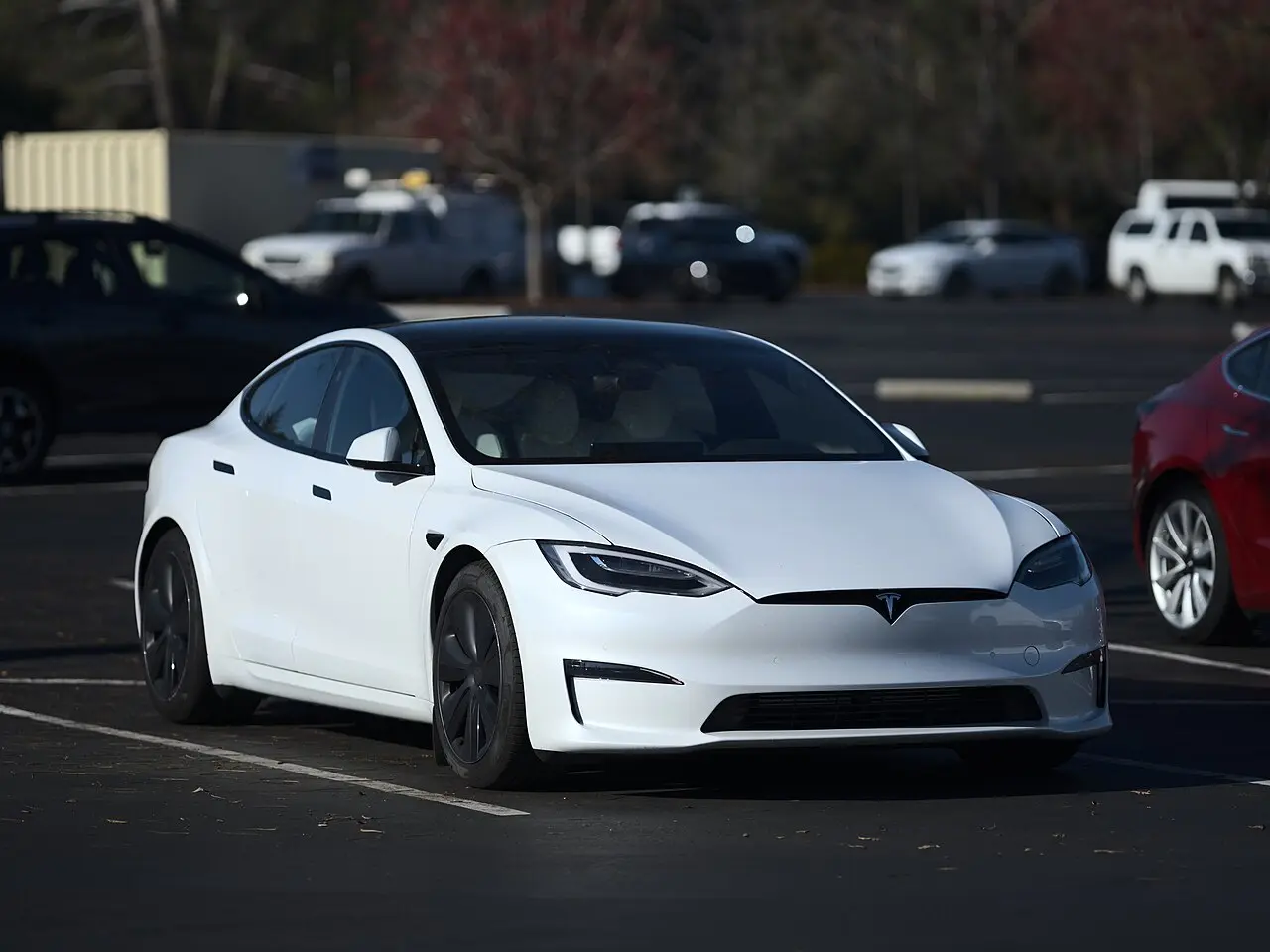
The Model S is a large battery-electric sedan with a liftback-style rear opening. As Tesla’s premium sedan, it helped establish the company as a maker of electric cars designed from the ground up. Its first generation is listed from 2013 to 2026.
The Model S brings Tesla’s focus on electric power and software-oriented controls into a roomy four-door layout. Its cabin centers on a large touchscreen, and it sits at the premium end of the marque’s range.
Engines and power
All listed Model S versions are electric. EU power ranges from 193 kW (262 PS) to 623 kW (847 PS), while Canadian versions span 225 kW (306 PS) to 750 kW (1,020 PS). The UK figure is 504 kW (685 PS). These figures are market-specific and should be read in their own context.
Where was the Model S sold?
The Model S appears in official figures for the EU, the UK, France, the US and Canada. EU registrations cover 2013-2025 and total 127,660. In 2015 the leading listed EU version was rated at 386 kW (525 PS), while for the leading versions in 2018 and 2017 no power figure is listed. The listed years begin in 2012 in the US and include a 2015 listing in France.
How economical is the Tesla Model S?
The Model S runs on electricity, so petrol consumption and tailpipe CO₂ do not describe its powertrain. Test procedures differ by market: Europe uses WLTP or NEDC, the US uses EPA ratings and Canada uses the 5-cycle procedure. Results from different systems are not directly comparable.
Questions and answers
Is the Tesla Model S fully electric?
Yes. The listed versions in the EU, UK, France, US and Canada are electric.
What years does the Model S generation cover?
The first generation is listed from 2013 to 2026.
How many Model S cars were registered in the EU?
EU registrations total 127,660 for 2013-2025.
Why are efficiency ratings not directly comparable across markets?
Test procedures differ: Europe uses WLTP or NEDC, the US uses EPA and Canada uses the 5-cycle procedure.