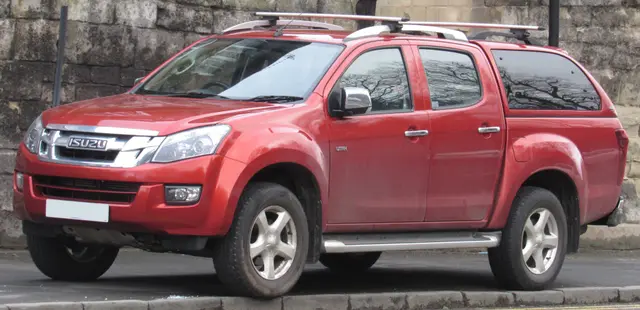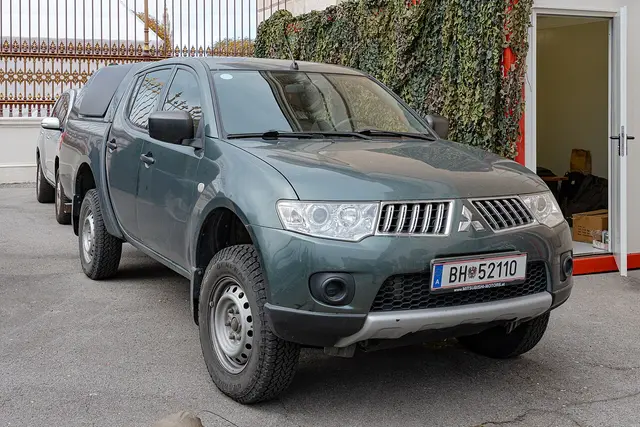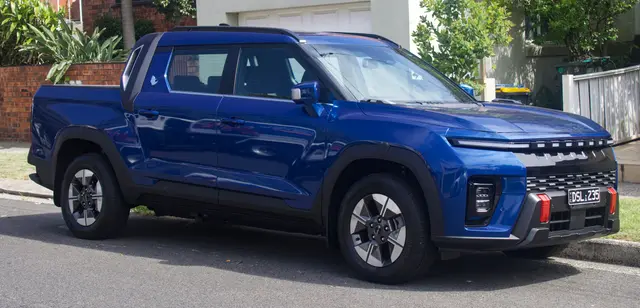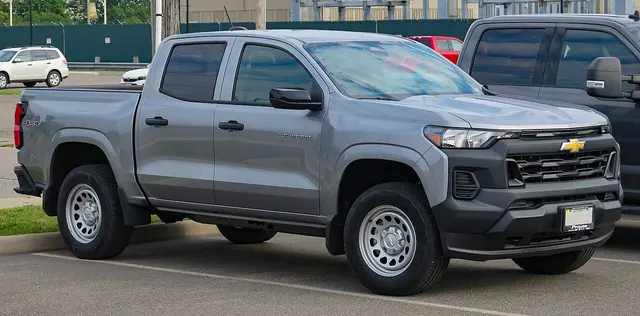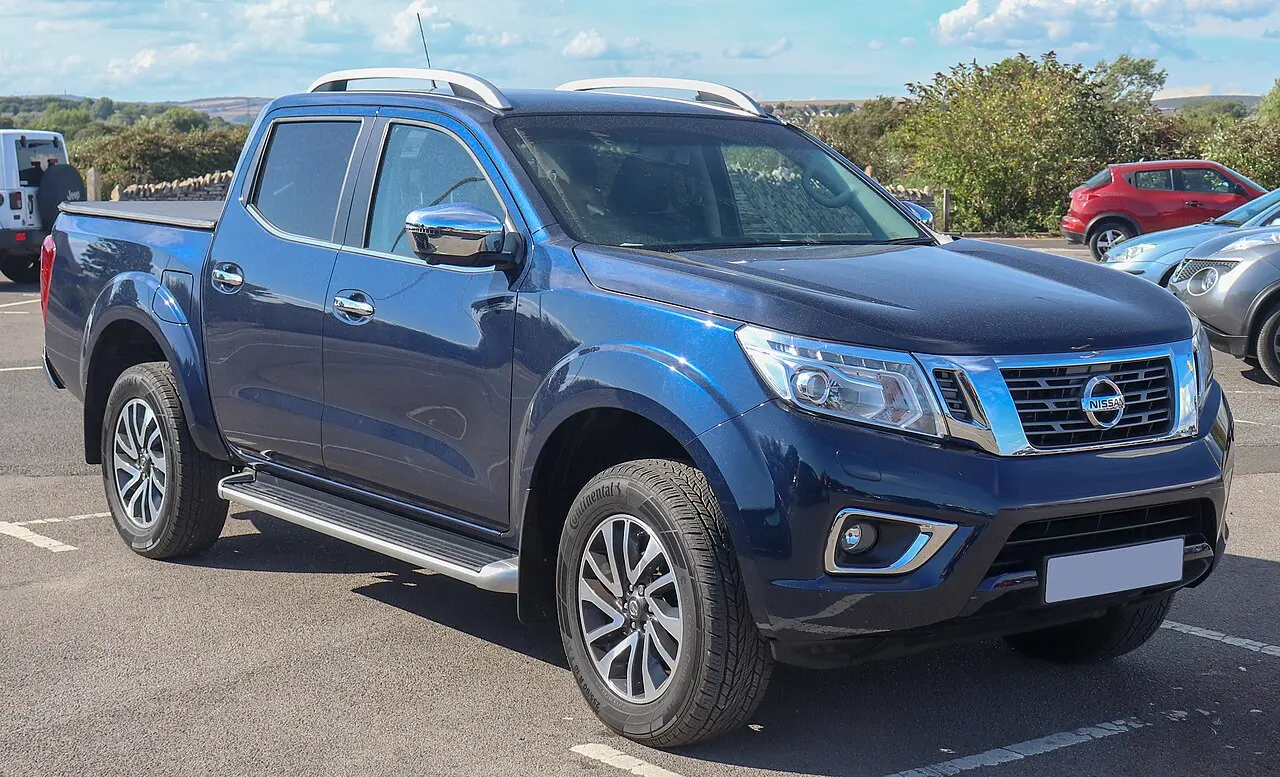
Nissan Navara

Nissan Navara
Photo: Vauxford / Wikimedia Commons · CC BY-SA 4.0

The official data lists 4 versions of the Nissan Navara (2010 - 2018), in the European Union. Each market publishes its own figures, measured on its own test procedure.

At a glance

Years in the data
2010 - 2018
Markets
European Union
Engines
2.3 L
Power
120 kW (163 PS) to 140 kW (190 PS)
Fuels
Diesel
New registrations in the EU
132

What is the Nissan Navara?

The Nissan Navara is a pickup with an open load bed and a passenger cabin. It is built to carry people and cargo, making it suited to work as well as everyday driving.

The Navara name spans more than one generation. The European registration period is only part of the model’s history.

Navara generations

The third-generation Navara, code D40, ran from 2005 to 2015. The fourth-generation D23 followed from 2015 to 2021. Both generations were sold in Europe.

Across those generations, the Navara kept its pickup layout: a cabin for passengers and a separate bed for cargo. Nissan has made both passenger cars and commercial vehicles, and the Navara sits at the practical end of its range.

Engines and power

The European registration figures include diesel and other fuel types.

These registrations show several Navara engine versions in Europe over the period. The model’s specification varied by market and year.

Fuel consumption and CO₂

Fuel consumption and CO₂ ratings depend on the Navara’s engine and the test procedure used. In Europe, ratings may use NEDC or WLTP, depending on the vehicle and year. No single consumption or CO₂ figure applies to every Navara. When comparing markets, bear in mind that US EPA and Canadian 5-cycle tests differ from European procedures.

Questions and answers

What kind of vehicle is the Nissan Navara?

It is a pickup with a passenger cabin and an open load bed.

Which Navara generations are listed for Europe?

The third-generation D40 ran from 2005 to 2015, followed by the fourth-generation D23 from 2015 to 2021.

What engine and power figure is listed for the European Navara?

The engine and power summary lists a 2.3-litre engine producing 120 kW (163 PS). European registrations also include earlier 2.5-litre diesel versions.

What is the Navara’s official fuel consumption?

Ratings depend on the engine and test procedure. European figures may use NEDC or WLTP, depending on the vehicle and year.
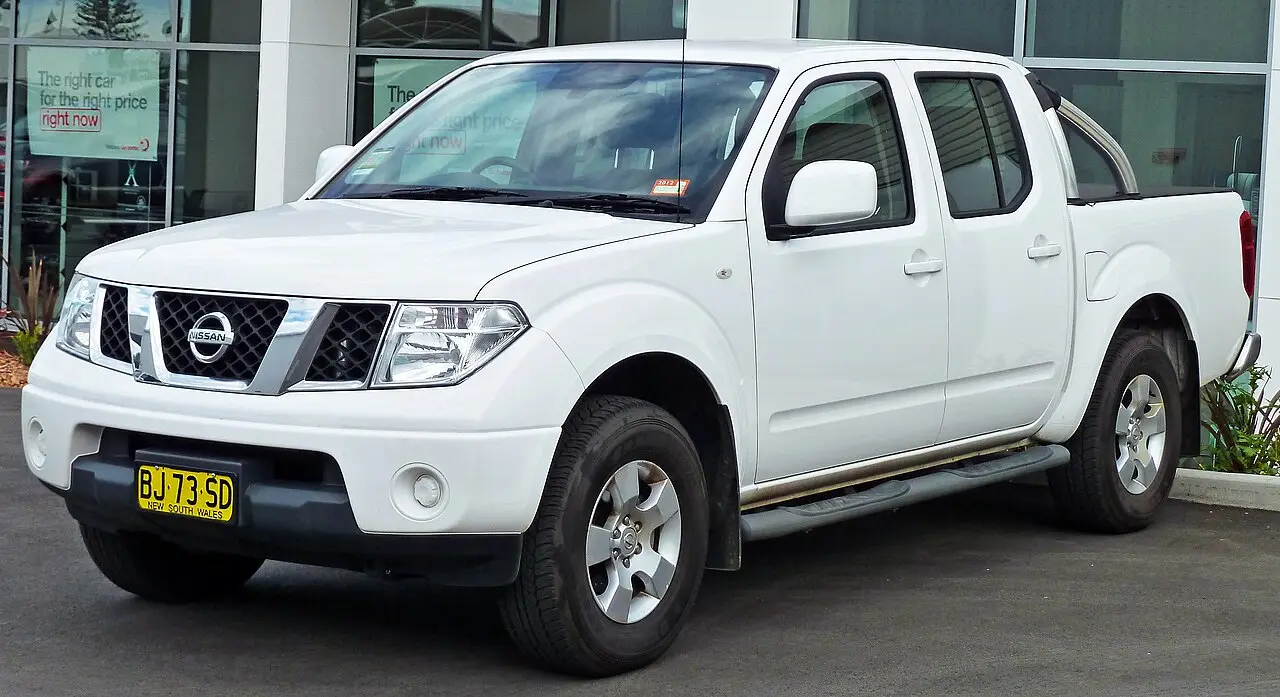
Navara third generation (2005 - 2015)

Nissan Navara third generation
Photo: OSX / Wikimedia Commons · Public domain

Model codes: D40 · Sold in: European Union · References: autobild.de, en.wikipedia.org

At a glance: Length 5,222 - 5,400 mm · Kerb weight 1,949 - 2,821 kg · Top speed 160 km/h Specifications, reliability and all versions

Show all 3 versions

Navara fourth generation (2015 - 2021)

Nissan Navara fourth generation
Photo: Vauxford / Wikimedia Commons · CC BY-SA 4.0

Model codes: D23 · Sold in: European Union · References: en.wikipedia.org, nissan.gr

At a glance: Length 5,225 - 5,400 mm · Top speed 172 - 184 km/h Specifications, reliability and all versions

European Union 1 version

New cars registered in the EU (plus Norway and Iceland), from the European Environment Agency. Figures on the NEDC procedure until 2020 and on WLTP from 2021; versions are grouped by engine and power, with their number of registrations.

Years and versionEnginePowerFuelCO₂EU registrations
2017 - 20182.3 L120 kW (163 PS)Diesel199 g/km70

Nissan Navara recalls

10 official safety recalls for the Nissan Navara from NHTSA (United States), DVSA (United Kingdom) and the EU Safety Gate, newest first. Recall repairs are normally free at the maker’s dealers.

  • AdBlue dosing control software will be updated2016 - 2019
  • Rear door child lock switch may not stay in place2015 - 2018
  • Passenger airbag inflator may need replacement2004 - 2012
  • Airbag inflators checked in an earlier recall to be replaced2004 - 2012
  • High-mounted stop lamp may not illuminate2015 - 2016

See all 10 recalls

Official figures are measured on standard test procedures and differ between markets. Your consumption depends on how, where and in what conditions you drive.