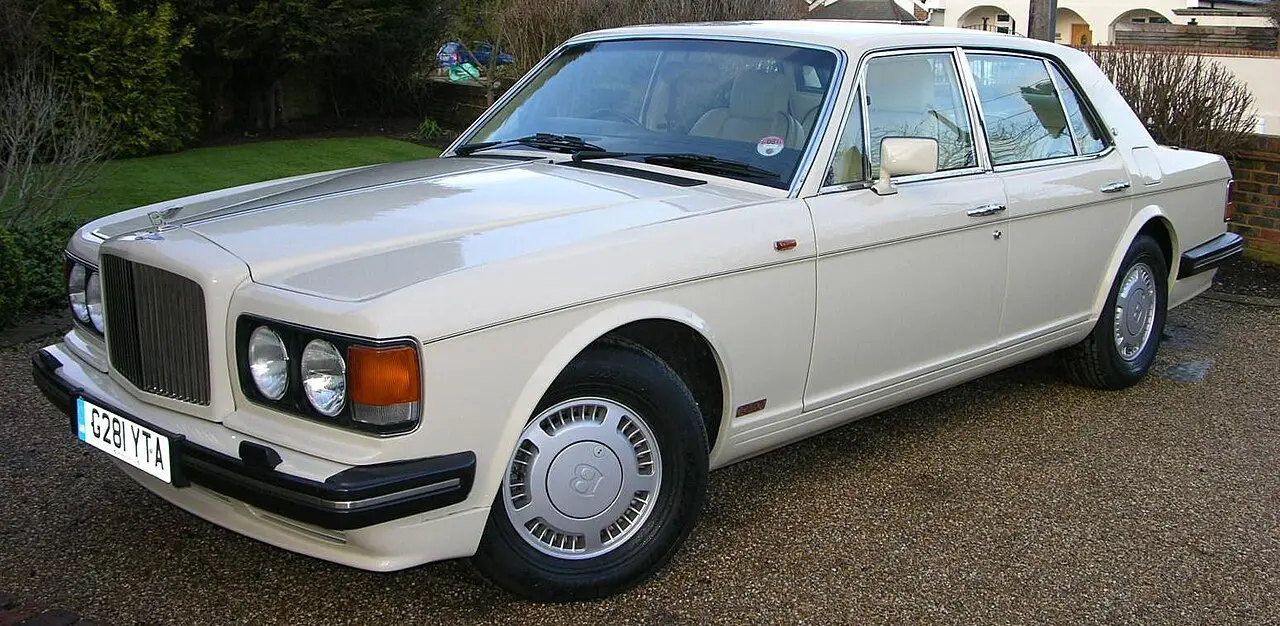
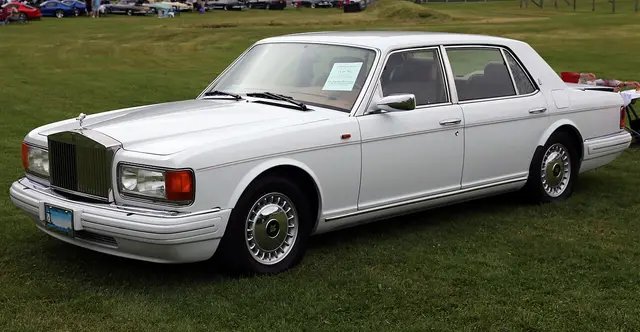
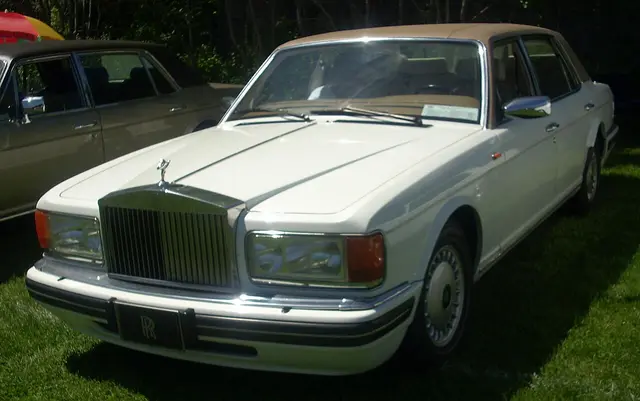
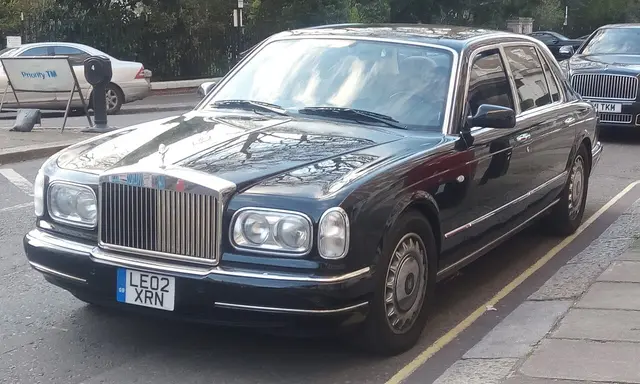
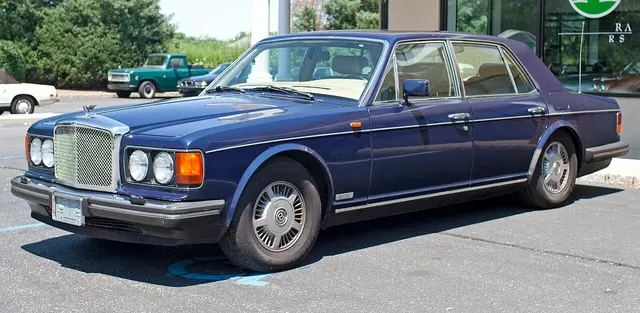
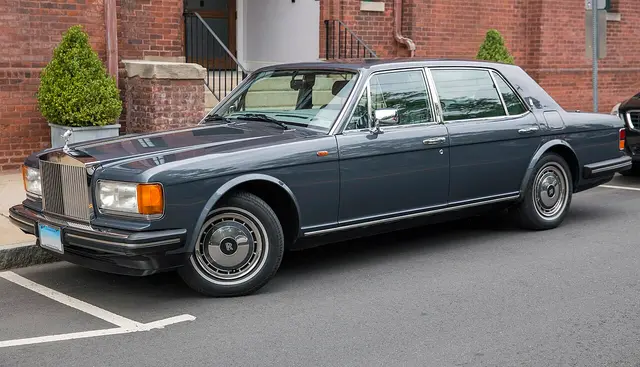
The official data lists 8 versions of the Bentley Turbo R (1989 - 1999), in the United States and Canada. Each market publishes its own figures, measured on its own test procedure.
At a glance
Years in the data
1989 - 1999
Markets
United States, Canada
Engines
6.5 L to 6.8 L
Fuels
Petrol
Lowest consumption (United States)
19.6 L/100 km (EPA)
Lowest consumption (Canada)
19.9 L/100 km (5-cycle)
What is the Bentley Turbo R?
The Turbo R is a full-size Bentley saloon produced from 1985 to 1999. The “R” stood for roadholding, and the model paired a turbocharged V8 with retuned suspension and wider tyres.
Generation, engines and power
The Turbo R’s single generation ran from 1985 to 1999. It followed the Mulsanne Turbo and received further refinements during its run, including fuel injection and chassis and suspension changes.
The market listings specify petrol engines of 6.7 L in Canada and 6.7 L to 6.8 L in the United States.
How economical is the Bentley Turbo R?
The US EPA listing gives a lowest consumption figure of 19.6 L/100 km and a combined rating of 12 MPG. In Canada, the NRCan five-cycle figure is 19.9 L/100 km. EPA and NRCan use different test procedures, so the figures are not directly comparable.
Where was the Turbo R sold?
Official market figures cover the United States and Canada. US EPA entries span 1989 to 1999, while Canadian NRCan entries span 1995 to 1998. The Turbo R itself was produced from 1985 to 1999.
Questions and answers
What does the R in Turbo R mean?
It stands for roadholding, reflecting the model’s focus on handling.
What engine did the Turbo R use?
The listed versions use petrol engines in the 6.7 L to 6.8 L range.
How much fuel does the Turbo R use?
The lowest listed figure is 19.6 L/100 km in the USA on EPA, or 19.9 L/100 km in Canada on NRCan’s five-cycle test.
Model years sold in Canada, from Natural Resources Canada fuel consumption ratings (5-cycle test).
Years and version
Engine
Fuel
Gearbox
Consumption (combined)
CO₂
1995 - 1998Mid-size
6.7 L
Petrol
4-speed automatic
19.9 - 20.9 L/100 km 5-cycle
458 - 481 g/km
Bentley Turbo R recalls
4 official safety recalls for the Bentley Turbo R from NHTSA (United States), DVSA (United Kingdom) and the EU Safety Gate, newest first. Recall repairs are normally free at the maker’s dealers.
Steering column bolts may damage brake pipes1994 - 1998
Brake pipes may leak fluid1997
Brake fluid may reduce braking capability1996
Transmission actuator wire may blow fuse1994 - 1996
Official figures are measured on standard test procedures and differ between markets. Your consumption depends on how, where and in what conditions you drive.