What is the Rolls-Royce Silver Spur?
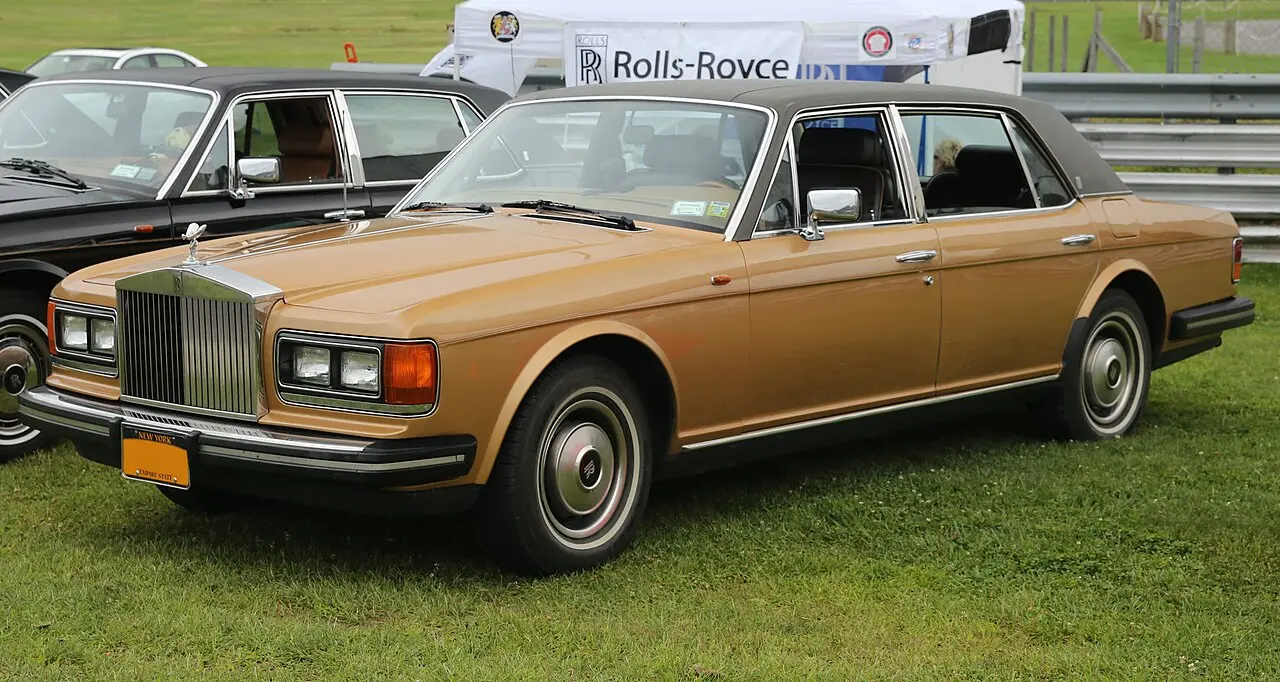
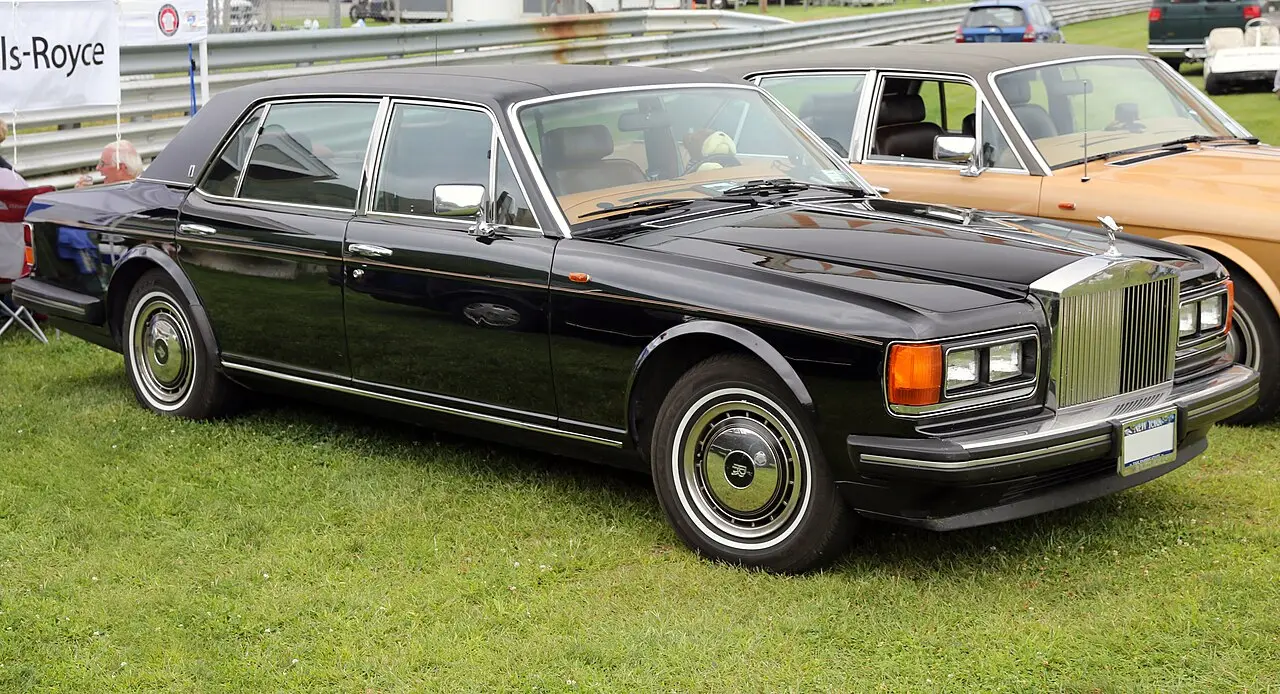
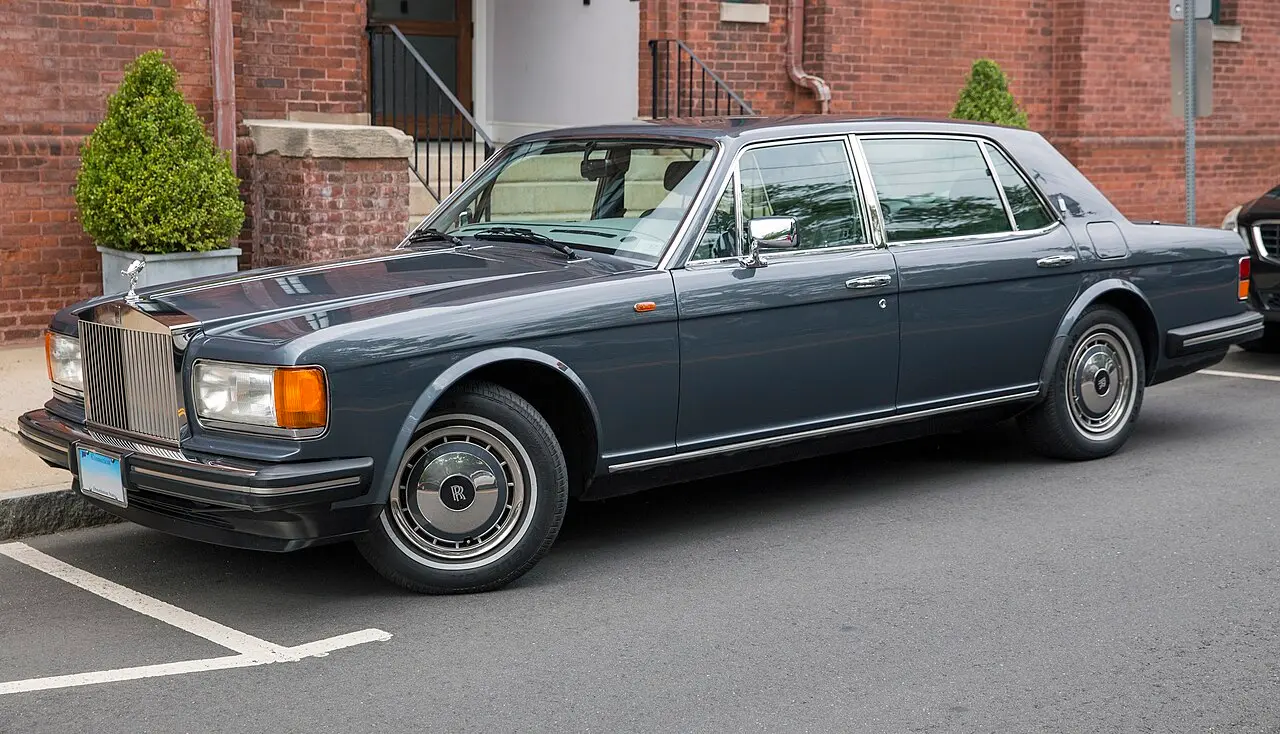
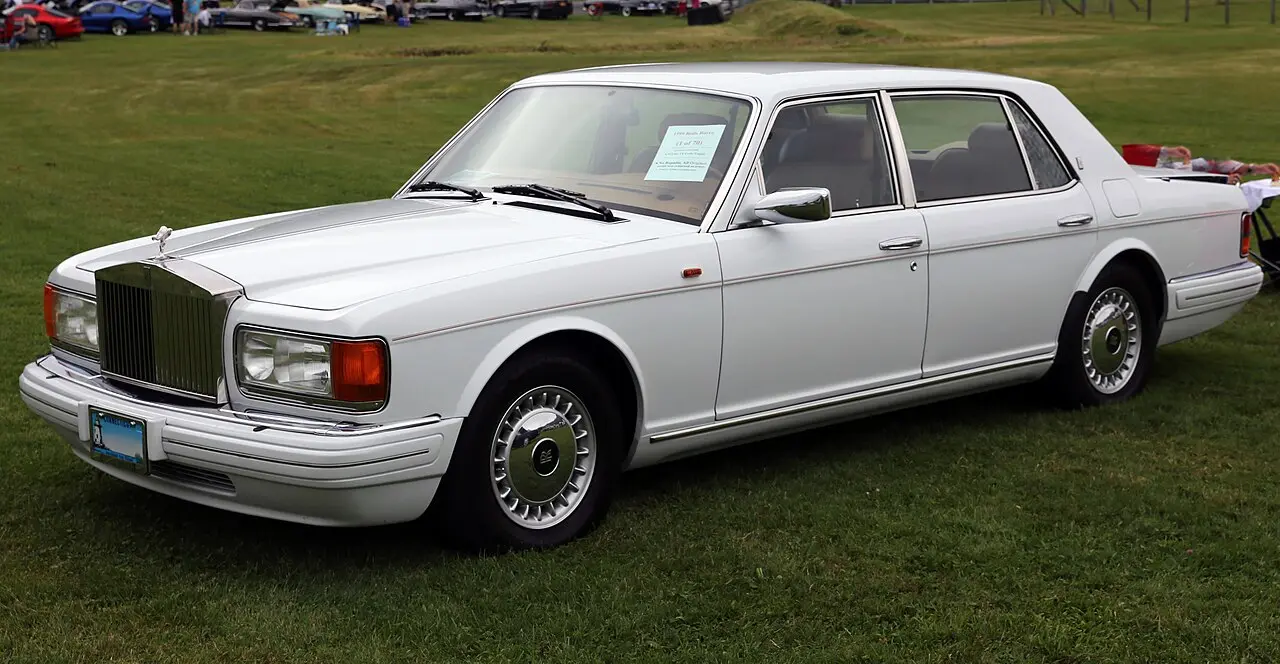
The Silver Spur is a long-wheelbase, four-door luxury saloon in Rolls-Royce’s SZ range. Its extended layout gives rear passengers more room, suiting the car to chauffeur use and comfortable travel. It shares the formal character of the Silver Spirit, with a focus on a spacious cabin and composed journeys.
The Silver Spur’s place in the range was clear: it was the roomier saloon alongside the Silver Spirit. Across its successive versions, it kept that stately shape while receiving updates as the SZ range evolved.
Silver Spur generations
The Silver Spur ran from 1984 to 1989, followed by the Silver Spur II from 1989 to 1993, the Silver Spur III from 1993 to 1995 and the Silver Spur IV from 1995 to 1999. Each version continued the long-wheelbase saloon theme, with revisions marking the different stages of the SZ range.
Engines and fuel consumption
In the United States, EPA figures cover petrol engines from 6.7 to 6.8 litres for model years 1984–1999. The best combined rating listed is 12 MPG, equivalent to 19.6 L/100 km. Canadian figures cover a 6.7-litre petrol engine for 1995–1998, with a lowest listed value of 18.8 L/100 km on the NRCan 5-cycle test.
The EPA and Canadian 5-cycle procedures differ, so their results are best understood within their own markets.
Where was the Silver Spur sold?
Official fuel consumption figures are listed for the United States and Canada. The EPA model years span 1984–1999 in the United States, while the Canadian figures cover 1995–1998.
Questions and answers
What body style is the Silver Spur?
It is a four-door, long-wheelbase luxury saloon with extra space for rear passengers.
What generations did the Silver Spur have?
The Silver Spur (1984–1989), Silver Spur II (1989–1993), Silver Spur III (1993–1995) and Silver Spur IV (1995–1999).
What is the Silver Spur’s best listed EPA fuel economy?
The best combined figure listed is 12 MPG, or 19.6 L/100 km.
Which markets have official consumption figures?
The United States, measured by the EPA, and Canada, measured using NRCan’s 5-cycle procedure.