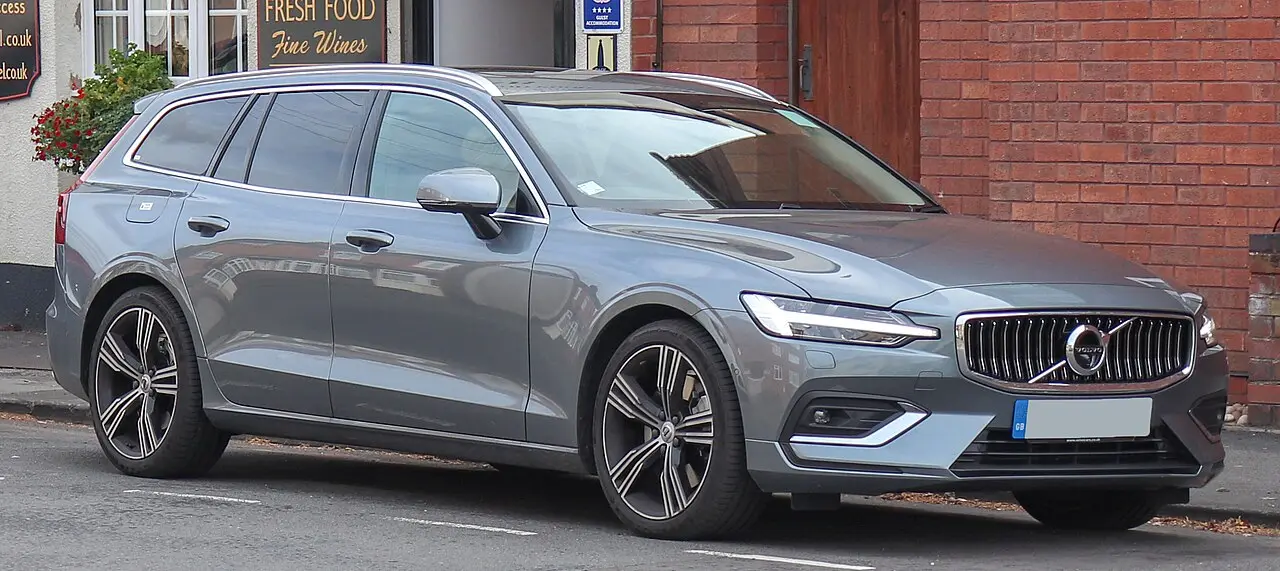
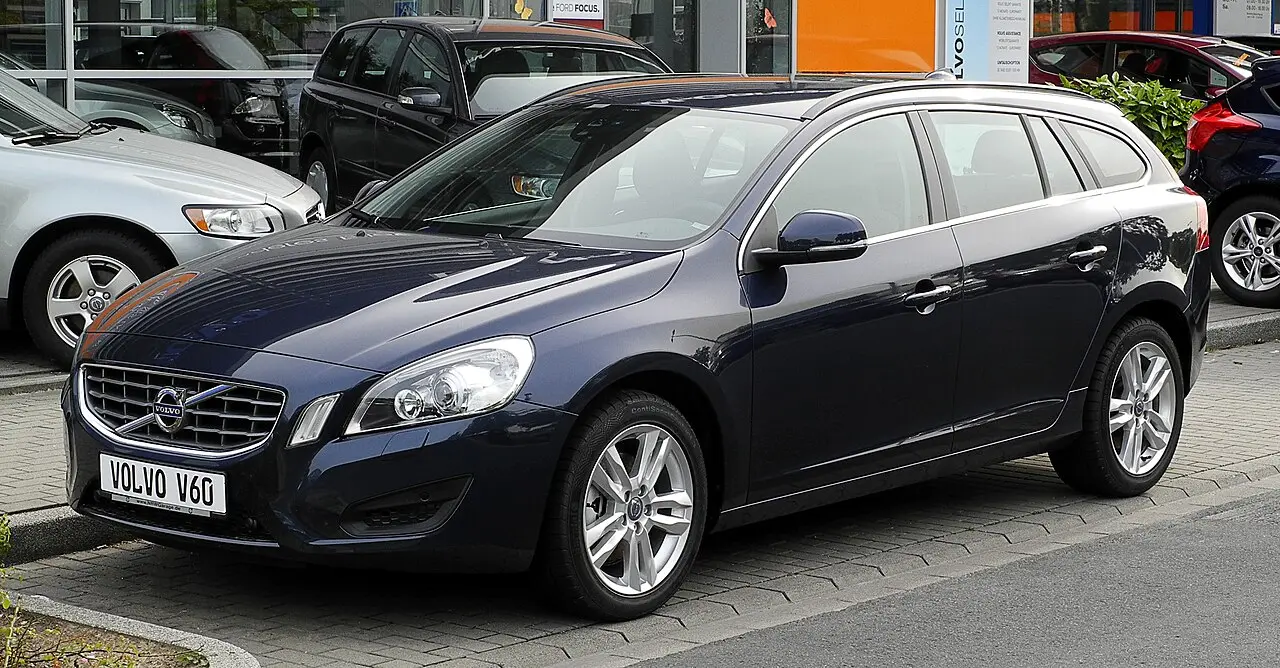
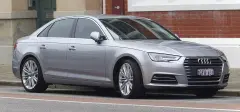
I dati ufficiali indicano 348 versioni della Volvo V60 (2010–2026), nei mercati nell'Unione europea, nel Regno Unito, in Francia, negli Stati Uniti e in Canada. Ogni mercato pubblica i propri dati, misurati secondo la propria procedura di prova.
In breve
Anni coperti dai dati
2010–2026
Mercati
Unione europea, Regno Unito, Francia, Stati Uniti e Canada
Motori
da 1,6 L a 3,0 L
Potenza
da 84 kW (114 PS) a 335 kW (455 PS)
Carburanti
Diesel, Benzina, Ibrida plug-in, Ibrida, Gas naturale e Carburante flessibile (E85)
Consumo più basso (Francia)
3,8 L/100 km (NEDC)
Consumo più basso (Regno Unito)
3,8 L/100 km (NEDC)
Consumo più basso (Unione europea)
4,6 L/100 km (WLTP)
Ibrida plug-in, ponderata (Unione europea)
0,8 L/100 km (WLTP)
Ibrida plug-in, ponderata (Francia)
1,8 L/100 km (NEDC)
Nuove immatricolazioni nell'UE
882.833
Che cos’è la Volvo V60?
La V60 è la station wagon di medie dimensioni di Volvo, con una linea più bassa e allungata rispetto ai SUV del marchio. La carrozzeria familiare offre spazio per passeggeri e bagagli, in una forma che si inserisce naturalmente nella lunga tradizione Volvo di station wagon pratiche.
Generazioni della V60
La prima generazione della V60 è stata prodotta dal 2010 al 2018; dal 2018 è arrivata la seconda. Quest’ultima ha adottato l’architettura SPA di Volvo. La V60 Cross Country ha aggiunto alla carrozzeria station wagon un’altezza da terra maggiore e uno stile più robusto.
Motori e potenza
La V60 è stata proposta con motori a benzina, diesel, ibridi e ibridi plug-in. I dati UE comprendono anche versioni a gas naturale e a etanolo E85. Le cilindrate indicate vanno da 1,5 L a 3,0 L nell’UE e da 2,0 L a 3,0 L negli USA e in Canada; nel Regno Unito si va da 1,6 L a 2,4 L. La potenza nell’UE va da 84 kW (114 PS) a 258 kW (351 PS), mentre le versioni britanniche spaziano da 110 kW (150 PS) a 335 kW (455 PS).
Quanto consuma la Volvo V60?
Il consumo più basso indicato nell’UE per le versioni a benzina, diesel o ibride è di 4,6 L/100 km nel ciclo WLTP. Il valore ponderato più basso per l’ibrida plug-in è di 0,8 L/100 km WLTP e presuppone che una parte della guida avvenga in modalità elettrica. I cicli di prova variano da un mercato all’altro: in Europa si usano WLTP o NEDC, negli USA i test EPA e in Canada una procedura a 5 cicli. I valori più bassi indicati per le versioni convenzionali sono 8,1 L/100 km negli USA e 8,3 L/100 km in Canada.
Dove è stata venduta la V60?
La V60 compare nei dati ufficiali dell’UE, del Regno Unito, della Francia, degli USA e del Canada. I dati sulle immatricolazioni nell’UE coprono il periodo 2010–2025 e totalizzano 882.833 vetture. I dati britannici vanno dal 2012 al 2026, quelli francesi dal 2012 al 2015, mentre quelli statunitensi e canadesi partono dal 2015.
Domande e risposte
Quando sono state prodotte le generazioni della V60?
La prima generazione è stata prodotta dal 2010 al 2018; la seconda dal 2018.
La V60 era disponibile come ibrida plug-in?
Sì. I dati di mercato dell’UE, del Regno Unito, della Francia, degli USA e del Canada includono versioni ibride plug-in.
Qual è il consumo più basso indicato per la V60 nell’UE?
Il valore più basso indicato per le versioni a benzina, diesel o ibride è di 4,6 L/100 km WLTP. Per l’ibrida plug-in il valore ponderato è di 0,8 L/100 km WLTP.
In breve: Lunghezza 4630–4640 mm · Massa a vuoto 1432–1880 kg · Velocità massima 190–230 km/h · Superamento della revisione MOT al primo tentativo a 9–12 anni: 80,5% (Media del Regno Unito 77,9%) Specifiche, affidabilità e tutte le versioni →
In breve: Lunghezza 4760–4780 mm · Massa a vuoto 1603–1975 kg · Velocità massima 180–250 km/h · Superamento della revisione MOT al primo tentativo a 4–5 anni: 89,8% (Media del Regno Unito 91,0%) Specifiche, affidabilità e tutte le versioni →
Mostra tutte le 157 versioni
Unione europea 58 versioni
Auto nuove immatricolate nell'UE (oltre che in Norvegia e Islanda), dati dell'Agenzia europea dell'ambiente. Cifre secondo la procedura NEDC fino al 2020 e WLTP dal 2021; le versioni sono raggruppate per motore e potenza, con il relativo numero di immatricolazioni.
Anni e versione
Motore
Potenza
Carburante
Consumo (combinato)
CO₂
Autonomia elettrica
Immatricolazioni UE
2021–2025
2,0 L
186 kW (253 PS)
Ibrida plug-in
0,8–1,9 L/100 km WLTP16,0–17,6 kWh/100 km WLTP
17–42 g/km
54–91 km
58.263
2021–2025
2,0 L
145 kW (197 PS)
Ibrida
5,6–6,2 L/100 km WLTP
144–148 g/km
–
40.002
2021–2025
2,0 L
228 kW (310 PS)
Ibrida plug-in
0,8–1,2 L/100 km WLTP15,8–18,3 kWh/100 km WLTP
18–24 g/km
83–91 km
6834
2025
2,0 L
–
Benzina
5,8 L/100 km WLTP
138 g/km
–
366
2021–2025
2,0 L
120 kW (163 PS)
Ibrida
6,2–6,5 L/100 km WLTP
141–154 g/km
–
16.838
2025
2,0 L
145 kW (197 PS)
Ibrida plug-in
6,4 L/100 km WLTP
144 g/km
–
28
2021–2023
2,0 L
184 kW (250 PS)
Ibrida
7,0–7,3 L/100 km WLTP
162–166 g/km
–
853
2021–2023
2,0 L
220 kW (299 PS)
Ibrida
8,0–8,4 L/100 km WLTP
179–189 g/km
–
110
2021–2022
2,0 L
223 kW (303 PS)
Ibrida plug-in
1,9–2,2 L/100 km WLTP16,1–16,4 kWh/100 km WLTP
42–43 g/km
52–53 km
3654
2022
2,0 L
228 kW (310 PS)
Ibrida
6,8 L/100 km WLTP
139 g/km
–
15
2022
2,0 L
186 kW (253 PS)
Ibrida
6,8 L/100 km WLTP
139 g/km
–
11
2021
2,0 L
110 kW (150 PS)
Diesel
4,6 L/100 km WLTP
145 g/km
–
1345
2021
2,0 L
140 kW (190 PS)
Diesel
5,2 L/100 km WLTP
149 g/km
–
1006
2021
2,0 L
233 kW (317 PS)
Ibrida plug-in
2,4 L/100 km WLTP15,7 kWh/100 km WLTP
49 g/km
55 km
666
2021
2,0 L
120 kW (163 PS)
Benzina
6,3 L/100 km WLTP
140 g/km
–
202
2021
2,0 L
140 kW (190 PS)
Benzina
7,1 L/100 km WLTP
170 g/km
–
130
2021
2,0 L
145 kW (197 PS)
Diesel
5,1 L/100 km WLTP
145 g/km
–
116
2021
2,0 L
145 kW (197 PS)
Benzina
6,5 L/100 km WLTP
143 g/km
–
108
2021
2,0 L
184 kW (250 PS)
Benzina
7,0 L/100 km WLTP
167 g/km
–
90
2021
2,0 L
228 kW (310 PS)
Benzina
–
196 g/km
–
10
2019–2020
2,0 L
186 kW (253 PS)
Ibrida plug-in
16,4–16,6 kWh/100 km NEDC
38–42 g/km
54 km
19.986
2018–2020
2,0 L
110 kW (150 PS)
Diesel
–
117–121 g/km
–
73.242
2018–2020
2,0 L
140 kW (190 PS)
Diesel
–
118–123 g/km
–
62.190
2019–2020
2,0 L
223 kW (303 PS)
Ibrida plug-in
15,5–16,5 kWh/100 km NEDC
40–43 g/km
54 km
20.933
2018–2020
2,0 L
140 kW (190 PS)
Benzina
–
136–155 g/km
–
12.733
2020
2,0 L
145 kW (197 PS)
Ibrida
–
135 g/km
–
5648
2020
2,0 L
120 kW (163 PS)
Ibrida
–
139 g/km
–
3876
2018–2020
2,0 L
184 kW (250 PS)
Benzina
–
158 g/km
–
14.667
2019–2020
2,0 L
233 kW (317 PS)
Ibrida plug-in
16,9–17,0 kWh/100 km NEDC
45–46 g/km
50 km
1521
2020
2,0 L
184 kW (250 PS)
Ibrida
–
144 g/km
–
747
2019–2020
2,0 L
28 kW (38 PS)
Ibrida plug-in
15,4–16,9 kWh/100 km NEDC
39–44 g/km
54 km
1523
2019–2020
2,0 L
155 kW (211 PS)
Benzina
–
155 g/km
–
837
2018–2020
2,0 L
147 kW (200 PS)
Diesel
–
123–127 g/km
–
800
2018–2020
2,0 L
228 kW (310 PS)
Benzina
–
172–175 g/km
–
3272
2019–2020
2,0 L
186 kW (253 PS)
Benzina
–
157–158 g/km
–
221
2018–2020
2,0 L
240 kW (326 PS)
Benzina
–
172–175 g/km
–
316
2020
2,0 L
220 kW (299 PS)
Ibrida
–
156 g/km
–
41
2020
2,0 L
145 kW (197 PS)
Benzina
–
143 g/km
–
37
2020
2,0 L
120 kW (163 PS)
Benzina
–
139 g/km
–
34
2020
2,0 L
200 kW (272 PS)
Ibrida plug-in
16,7 kWh/100 km NEDC
41 g/km
56 km
22
2020
2,0 L
145 kW (197 PS)
Diesel
–
135 g/km
–
14
2018–2019
2,0 L
88 kW (120 PS)
Diesel
–
106 g/km
–
5726
2018–2019
2,0 L
112 kW (152 PS)
Benzina
–
135 g/km
–
6252
2018–2019
2,0 L
270 kW (367 PS)
Benzina
–
186 g/km
–
254
2018–2019
1,5 L
112 kW (152 PS)
Benzina
–
138 g/km
–
4030
2019
2,0 L
184 kW (250 PS)
Gas naturale
–
157 g/km
–
26
2019
2,4 L
120 kW (163 PS)
Ibrida plug-in
15,1 kWh/100 km NEDC
48 g/km
–
20
2018–2019
1,5 L
90 kW (122 PS)
Benzina
–
138 g/km
–
608
2018–2019
2,4 L
140 kW (190 PS)
Diesel
–
146 g/km
–
1074
2019
2,0 L
223 kW (303 PS)
Ibrida
–
151 g/km
–
11
2018
2,4 L
162 kW (220 PS)
Ibrida
15,1 kWh/100 km NEDC
48 g/km
–
654
2018
2,0 L
112 kW (152 PS)
Diesel
–
135 g/km
–
210
2018
2,0 L
180 kW (245 PS)
Gas naturale
–
109 g/km
–
156
2018
2,0 L
165 kW (224 PS)
Diesel
–
125 g/km
–
72
2018
2,0 L
180 kW (245 PS)
Benzina
–
150 g/km
–
68
2018
2,0 L
223 kW (303 PS)
Ibrida
14,8 kWh/100 km NEDC
48 g/km
–
34
2018
2,0 L
225 kW (306 PS)
Benzina
–
162 g/km
–
22
2018
2,4 L
20 kW (27 PS)
Ibrida
15,1 kWh/100 km NEDC
48 g/km
–
20
Regno Unito 94 versioni
Auto nuove in vendita nel Regno Unito, dati della Vehicle Certification Agency. Cifre NEDC fino al 2018 e WLTP in seguito; gli anni indicano le edizioni in cui è comparsa una versione.
Anni e versione
Motore
Potenza
Carburante
Cambio
Consumo (combinato)
CO₂
Autonomia elettrica
2025–2026B3 Plus
2,0 L
120 kW (163 PS)
Ibrida
Automatica a 8 marce
6,8 L/100 km WLTP
155 g/km
–
2025–2026B3 Core
2,0 L
120 kW (163 PS)
Ibrida
Automatica a 8 marce
7,4 L/100 km WLTP
168 g/km
–
2026B3 Plus
2,0 L
120 kW (163 PS)
Ibrida
Automatica a 7 marce
6,2 L/100 km WLTP
142 g/km
–
2025–2026B4 Ultimate
2,0 L
145 kW (197 PS)
Ibrida
Automatica a 8 marce
6,8 L/100 km WLTP
154 g/km
–
2025–2026B4 Plus
2,0 L
145 kW (197 PS)
Ibrida
Automatica a 8 marce
7,4 L/100 km WLTP
168 g/km
–
2026B4 Plus
2,0 L
145 kW (197 PS)
Ibrida
Automatica a 7 marce
6,3 L/100 km WLTP
143 g/km
–
2026B4 Ultimate
2,0 L
145 kW (197 PS)
Ibrida
Automatica a 7 marce
6,3 L/100 km WLTP
144 g/km
–
2026B4 Plus - Dark Theme
2,0 L
145 kW (197 PS)
Ibrida
Automatica a 8 marce
6,3 L/100 km WLTP
143 g/km
–
2026B4 Ultra - Dark Theme
2,0 L
145 kW (197 PS)
Ibrida
Automatica a 8 marce
6,3 L/100 km WLTP
144 g/km
–
2026Cross Country B5 AWD Ultimate
2,0 L
184 kW (250 PS)
Ibrida
Automatica a 8 marce
7,5 L/100 km WLTP
170 g/km
–
2026Cross Country B5 Ultimate AWD · Cross Country B5 AWD Plus
2,0 L
184 kW (250 PS)
Ibrida
Automatica a 8 marce
7,4 L/100 km WLTP
168 g/km
–
2026Cross Country B5 Plus AWD
2,0 L
184 kW (250 PS)
Ibrida
Automatica a 8 marce
7,9 L/100 km WLTP
180 g/km
–
2026Plug-in Hybrid T6 Plus - Dark Theme
2,0 L
186 kW (253 PS)
Ibrida plug-in
Automatica a 8 marce
16,5 kWh/100 km WLTP
–
91 km
2026Plug-in Hybrid T8 Ultra - Dark Theme
2,0 L
228 kW (310 PS)
Ibrida plug-in
Automatica a 8 marce
16,7 kWh/100 km WLTP
–
90 km
2026Recharge T6 Plug-in Hybrid AWD Inscription
2,0 L
257 kW (349 PS)
Ibrida plug-in
Automatica a 8 marce
17,4 kWh/100 km WLTP
146 g/km
88 km
2026Recharge Plug-in Hybrid T6 AWD Plus
2,0 L
257 kW (349 PS)
Ibrida plug-in
Automatica a 8 marce
17,5 kWh/100 km WLTP
–
88 km
2026Recharge Plug-in Hybrid T8 AWD Ultimate
2,0 L
335 kW (455 PS)
Ibrida plug-in
Automatica a 8 marce
17,6 kWh/100 km WLTP
–
87 km
2023–2025B3 Plus
2,0 L
120 kW (163 PS)
Ibrida
–
6,2 L/100 km WLTP
142 g/km
–
2025B4 Plus · B4 Plus - Dark Theme
2,0 L
145 kW (197 PS)
Ibrida
–
6,3 L/100 km WLTP
143 g/km
–
2025B4 Ultimate · B4 Ultra - Dark Theme
2,0 L
145 kW (197 PS)
Ibrida
–
6,3 L/100 km WLTP
144 g/km
–
2025Cross Country B5 Ultimate AWD · Cross Country B5 AWD Plus
2020D3 Inscription Plus 18" Alloy · D3 Inscription Plus 19" Alloy · D3 Inscription Plus 20" Alloy e altre 5 versioni
2,0 L
110 kW (150 PS)
Diesel
Manuale a 6 marce
5,1–5,8 L/100 km WLTP
133–153 g/km
–
2020D3 Inscription Plus 18" Alloy · D3 Inscription Plus 19" Alloy · D3 Inscription Plus 20" Alloy e altre 5 versioni
2,0 L
110 kW (150 PS)
Diesel
Automatica a 8 marce
5,5–6,2 L/100 km WLTP
143–162 g/km
–
2020D4 Inscription Plus 18" Alloy · D4 Inscription Plus 19" Alloy · D4 Inscription Plus 20" Alloy e altre 5 versioni
2,0 L
140 kW (190 PS)
Diesel
Automatica a 8 marce
5,4–6,1 L/100 km WLTP
141–160 g/km
–
2020D4 Momentum Plus 18" Alloy · D4 Momentum Plus 19" Alloy · D4 R-Design Plus 18" Alloy e altre 2 versioni
2,0 L
140 kW (190 PS)
Diesel
Manuale a 6 marce
5,1–5,9 L/100 km WLTP
134–154 g/km
–
2020D4 AWD Cross Country Plus 18" Alloy · D4 AWD Cross Country Plus 19" Alloy · D4 AWD Cross Country Plus 20" Alloy
2,0 L
140 kW (190 PS)
Diesel
Automatica a 8 marce
5,9–6,6 L/100 km WLTP
155–173 g/km
–
2020T4 Inscription Plus 18" Alloy · T4 Inscription Plus 19" Alloy · T4 Inscription Plus 20" Alloy e altre 5 versioni
2,0 L
140 kW (190 PS)
Benzina
Automatica a 8 marce
7,3–8,2 L/100 km WLTP
166–187 g/km
–
2020T5 Inscription Plus 18" Alloy · T5 Inscription Plus 19" Alloy · T5 Inscription Plus 20" Alloy e altre 5 versioni
2,0 L
184 kW (250 PS)
Benzina
Automatica a 8 marce
7,3–8,3 L/100 km WLTP
166–187 g/km
–
2020T8 Twin Engine AWD R-Design Plus 18" Alloy
2,0 L
223 kW (303 PS)
Ibrida plug-in
–
6,7–7,6 L/100 km WLTP15,7–16,6 kWh/100 km WLTP
36–51 g/km
54 km
2020T8 Twin Engine AWD R-Design Plus 19" Alloy
2,0 L
223 kW (303 PS)
Ibrida plug-in
–
6,7–7,6 L/100 km WLTP15,7–16,6 kWh/100 km WLTP
36–51 g/km
56 km
2019D3 Inscription 18" Alloy · D3 Inscription 19" Alloy · D3 Inscription 20" Alloy e altre 21 versioni
2,0 L
110 kW (150 PS)
Diesel
Manuale a 6 marce
5,1–5,8 L/100 km WLTP
–
–
2019D3 Inscription 18" Alloy · D3 Inscription 19" Alloy · D3 Inscription 20" Alloy e altre 21 versioni
2,0 L
110 kW (150 PS)
Diesel
Automatica a 8 marce
5,5–6,2 L/100 km WLTP
–
–
2019D4 Inscription 18" Alloy · D4 Inscription 19" Alloy · D4 Inscription 20" Alloy e altre 21 versioni
2,0 L
140 kW (190 PS)
Diesel
Manuale a 6 marce
5,1–5,9 L/100 km WLTP
–
–
2019D4 Inscription 18" Alloy · D4 Inscription 19" Alloy · D4 Inscription 20" Alloy e altre 21 versioni
2,0 L
140 kW (190 PS)
Diesel
Automatica a 8 marce
5,4–6,1 L/100 km WLTP
–
–
2019D4 AWD Cross Country 18" Alloy · D4 AWD Cross Country 19" Alloy · D4 AWD Cross Country 20" Alloy e altre 3 versioni
2,0 L
140 kW (190 PS)
Diesel
Automatica a 8 marce
5,9–6,6 L/100 km WLTP
–
–
2019T4 Inscription Plus 18" Alloy · T4 Inscription Plus 19" Alloy · T4 Inscription Plus 20" Alloy e altre 5 versioni
2,0 L
140 kW (190 PS)
Benzina
Automatica a 8 marce
7,3–8,2 L/100 km WLTP
–
–
2019T5 Inscription 18" Alloy · T5 Inscription 19" Alloy · T5 Inscription 20" Alloy e altre 21 versioni
2,0 L
184 kW (250 PS)
Benzina
Automatica a 8 marce
7,3–8,3 L/100 km WLTP
–
–
2019T5 AWD Cross Country Plus 18" Alloy · T5 AWD Cross Country Plus 19" Alloy · T5 AWD Cross Country Plus 20" Alloy
2,0 L
184 kW (250 PS)
Benzina
–
7,9–8,8 L/100 km WLTP
–
–
2019T8 Twin Engine AWD R-Design Plus 18" Alloy · T8 Twin Engine AWD R-Design Plus 19" Alloy
2,0 L
223 kW (303 PS)
Ibrida
–
6,7–7,6 L/100 km WLTP
–
50–59 km
2018D3 Momentum 17" Alloys · D3 Momentum Pro 17" Alloys
2,0 L
–
Diesel
Automatica a 8 marce
4,6 L/100 km NEDC
120 g/km
–
2018D3 Momentum 18" Alloys · D3 Momentum Pro 18" Alloys · D3 Inscription 18" Alloys e altre 1 versioni
2,0 L
–
Diesel
Automatica a 8 marce
4,7 L/100 km NEDC
123 g/km
–
2018D3 Momentum 19" Alloys · D3 Momentum Pro 19" Alloys · D3 Inscription 19" Alloys e altre 7 versioni
2,0 L
–
Diesel
Automatica a 8 marce
4,8 L/100 km NEDC
126 g/km
–
2018D3 Momentum 17" Alloys · D3 Momentum Pro 17" Alloys
2,0 L
–
Diesel
Manuale a 6 marce
4,4 L/100 km NEDC
117 g/km
–
2018D3 Momentum 18" Alloys · D3 Momentum Pro 18" Alloys · D3 Inscription 18" Alloys e altre 1 versioni
2,0 L
–
Diesel
Manuale a 6 marce
4,5 L/100 km NEDC
119 g/km
–
2018D3 Momentum 19" Alloys · D3 Momentum Pro 19" Alloys · D3 Inscription 19" Alloys e altre 7 versioni
2,0 L
–
Diesel
Manuale a 6 marce
4,6 L/100 km NEDC
122 g/km
–
2018D4 Momentum 17'' Alloys · D4 Momentum Pro 17'' Alloys
2,0 L
–
Diesel
Automatica a 8 marce
4,5 L/100 km NEDC
119 g/km
–
2018D4 Momentum 18'' Alloys · D4 Momentum Pro 18'' Alloys · D4 Inscription 18'' Alloys e altre 1 versioni
2,0 L
–
Diesel
Automatica a 8 marce
4,6 L/100 km NEDC
122 g/km
–
2018D4 Momentum 19'' Alloys · D4 Momentum Pro 19'' Alloys · D4 Inscription 19'' Alloys e altre 7 versioni
2,0 L
–
Diesel
Automatica a 8 marce
4,7 L/100 km NEDC
125 g/km
–
2018D4 Momentum 17'' Alloys · D4 Momentum Pro 17'' Alloys
2,0 L
–
Diesel
Manuale a 6 marce
4,4 L/100 km NEDC
117 g/km
–
2018D4 Momentum 18'' Alloys · D4 Momentum Pro 18'' Alloys · D4 Inscription 18'' Alloys e altre 1 versioni
2,0 L
–
Diesel
Manuale a 6 marce
4,5 L/100 km NEDC
119 g/km
–
2018D4 Momentum 19'' Alloys · D4 Momentum Pro 19'' Alloys · D4 Inscription 19'' Alloys e altre 7 versioni
2,0 L
–
Diesel
Manuale a 6 marce
4,6 L/100 km NEDC
122 g/km
–
2018D4 AWD Cross Country 18" Alloy
2,0 L
–
Diesel
Automatica a 8 marce
5,1 L/100 km NEDC
135 g/km
–
2018D4 AWD Cross Country 19" Alloy · D4 AWD Cross Country 20" Alloy
2,0 L
–
Diesel
Automatica a 8 marce
5,4 L/100 km NEDC
143 g/km
–
2018T5 Momentum 18" Alloy · T5 Momentum Pro 18" Alloy · T5 Inscription 18" Alloy e altre 1 versioni
2,0 L
–
Benzina
Automatica a 8 marce
6,8 L/100 km NEDC
157 g/km
–
2018T5 Momentum 19" Alloy · T5 Momentum 20" Alloy · T5 Momentum Pro 19" Alloy e altre 9 versioni
2,0 L
–
Benzina
Automatica a 8 marce
6,9 L/100 km NEDC
160 g/km
–
2018T8 Twin Engine AWD R-Design Pro 19'' Alloys
2,0 L
–
Ibrida plug-in
Automatica a 8 marce
2,2 L/100 km NEDC23,5 kWh/100 km NEDC
49 g/km
44 km
Stati Uniti 3 versioni
Anni modello venduti negli USA, dati dell'EPA e del Department of Energy (fueleconomy.gov). MPG calcolati secondo il test EPA; litri per 100 km = 235.215 ÷ MPG.
Anni e versione
Motore
Carburante
Cambio
Trazione
Consumo (combinato)
CO₂
2020–2025SIDI; PHEV
2,0 L
Ibrida plug-in
Automatica a 8 marce
Trazione integrale permanente
30–31 MPG (7,6–7,8 L/100 km) EPA
62–96 g/km
2018–2021SIDI
2,0 L
Benzina
Automatica a 8 marce
Trazione anteriore
27–29 MPG (8,1–8,7 L/100 km) EPA
189–200 g/km
2018–2019SIDI
2,0 L
Benzina
Automatica a 8 marce
Trazione integrale permanente
22–26 MPG (9,0–10,7 L/100 km) EPA
210–244 g/km
Canada 2 versioni
Anni modello venduti in Canada, dati delle valutazioni dei consumi di carburante di Natural Resources Canada (test a 5 cicli).
Anni e versione
Motore
Carburante
Cambio
Consumo (combinato)
CO₂
Autonomia elettrica
2020–2025Station wagon: Small
2,0 L
Ibrida plug-in
Automatica a 8 marce
7,6–7,8 L/100 km 5 cicli
58–94 g/km
35–64 km
2018–2023Station wagon: Small
2,0 L
Benzina
Automatica a 8 marce
8,4–9,7 L/100 km 5 cicli
197–226 g/km
–
Richiami Volvo V60
57 richiami ufficiali per la sicurezza della Volvo V60, da NHTSA (Stati Uniti), DVSA (Regno Unito) e EU Safety Gate, dal più recente al meno recente. Le riparazioni previste dai richiami sono di norma gratuite presso i concessionari della casa.
L'immagine della telecamera posteriore potrebbe non essere visualizzata in retromarcia2023–2025
La barra di torsione della cintura di sicurezza anteriore potrebbe essere difettosa2025
La frenata potrebbe essere temporaneamente persa dopo la marcia per inerzia2019–2025
La funzione di frenata potrebbe perdersi procedendo per inerzia in discesa2024–2025
L'immagine della telecamera posteriore potrebbe non essere visualizzata in retromarcia2023–2025
I dati ufficiali sono misurati secondo procedure di prova standard e variano da un mercato all'altro. Il consumo dipende da come, dove e in quali condizioni guidi.