The official data lists 14 versions of the Vauxhall Grandland (2024 - 2026), in the United Kingdom. Each market publishes its own figures, measured on its own test procedure.
At a glance
Years in the data
2024 - 2026
Markets
United Kingdom
Engines
1.2 L to 1.6 L
Power
100 kW (136 PS) to 240 kW (326 PS)
Fuels
Electric, Hybrid, Plug-in hybrid
Lowest consumption (United Kingdom)
5.3 L/100 km (WLTP)
What is the Vauxhall Grandland?
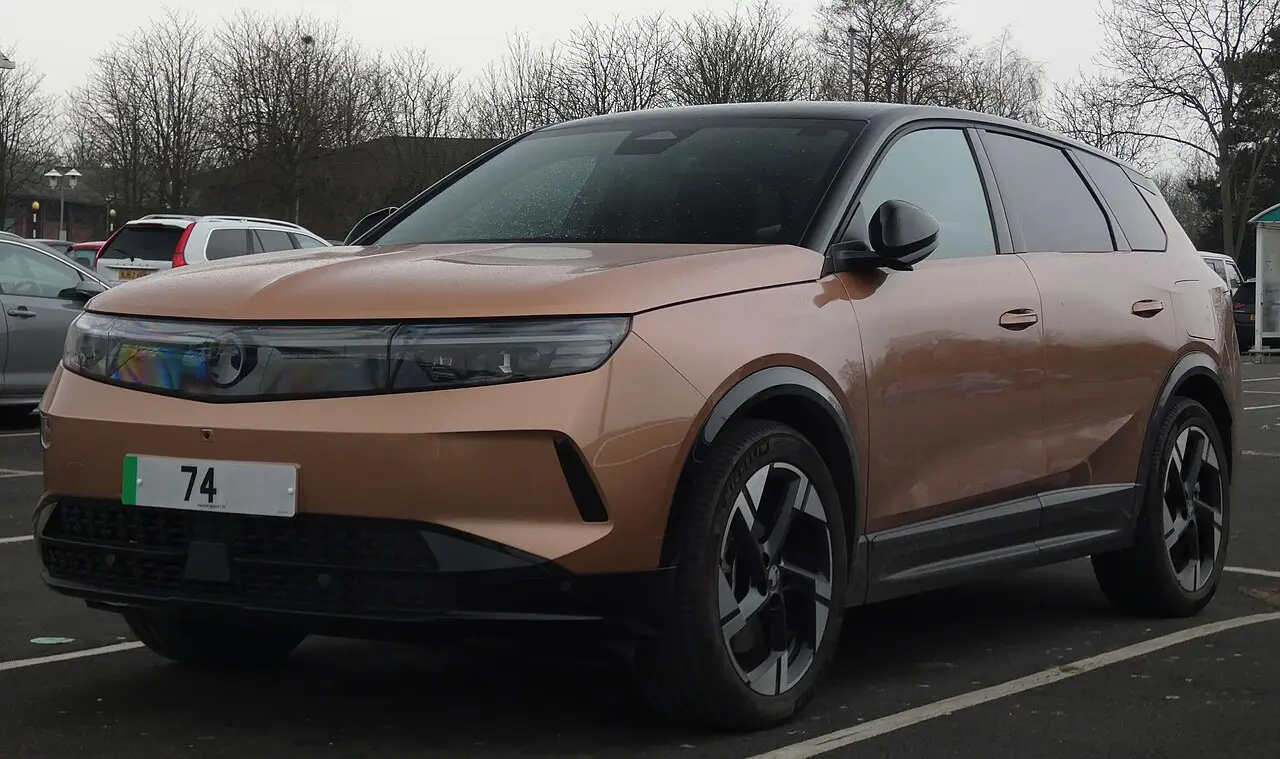
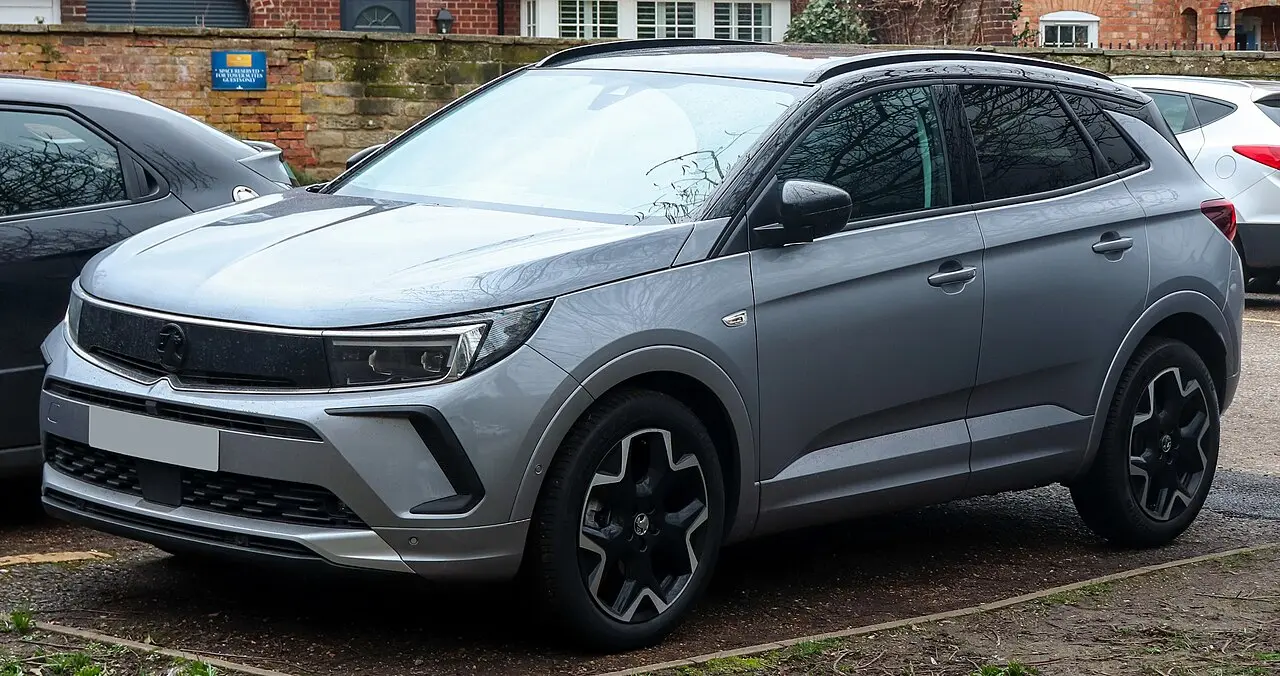
The Grandland is Vauxhall’s largest SUV, with a roomy cabin and a higher driving position. It sits at the top of the brand’s SUV range. First sold as the Grandland X, it joined the range in 2017; Vauxhall later dropped the X. The second generation brought a 3D Vizor front, an illuminated Griffin emblem and a choice of electric, hybrid and plug-in hybrid powertrains.
Grandland generations
The first generation (2017-2024) gave Vauxhall a five-seat SUV with a conventional, practical shape. The second generation (2024-today) brought a fresh design inspired by the Vauxhall Experimental concept. Its STLA Medium platform was designed to accommodate electric power, alongside hybrid and plug-in hybrid versions.
Engines and power
UK figures cover electric, hybrid and plug-in hybrid versions. Engine sizes range from 1.2 L to 1.6 L, while power spans 100 kW (136 PS) to 240 kW (326 PS). The engine-size range applies to versions with combustion engines.
How economical is the Vauxhall Grandland?
The lowest listed UK consumption is 5.3 L/100 km on the WLTP test for hybrid versions.
Where was the Grandland sold?
Vauxhall sells the Grandland in the UK, while Opel sells it in many European markets. The consumption and power figures here are for the UK market.
Questions and answers
When did the Vauxhall Grandland first go on sale?
The first generation arrived in 2017 as the Grandland X.
What powertrains are available for the Grandland?
The UK range includes electric, hybrid and plug-in hybrid versions.
What is the lowest listed Grandland consumption?
The lowest figure is 5.3 L/100 km WLTP for hybrid versions.
New cars on sale in the UK, from the Vehicle Certification Agency. NEDC figures until 2018 and WLTP figures after; years are the editions a version appeared in.
New cars on sale in the UK, from the Vehicle Certification Agency. NEDC figures until 2018 and WLTP figures after; years are the editions a version appeared in.
Years and version
Engine
Power
Fuel
Gearbox
Consumption (combined)
CO₂
Electric range
2024 - 2026Hybrid Design 136PS e-DCT6 (VL) · Hybrid GS 136PS e-DCT6 (VL) · Hybrid Ultimate 136PS e-DCT6 (VL) and 1 more trim
1.2 L
100 kW (136 PS)
Hybrid
6-speed automatic
5.4 L/100 km WLTP
122 g/km
-
2024 - 2026Hybrid Design 136PS e-DCT6 (VH) · Hybrid GS 136PS e-DCT6 (VH) · Hybrid Ultimate 136PS e-DCT6 (VH) and 1 more trim
1.2 L
100 kW (136 PS)
Hybrid
6-speed automatic
6.3 L/100 km WLTP
143 g/km
-
2024Electric Design 73kWh 210PS Auto (VH) · Electric GS 73kWh 210PS Auto (VH) · Electric Ultimate 73kWh 210PS Auto (VH)
Electric motor
157 kW (213 PS)
Electric
Automatic
21.3 kWh/100 km WLTP
0 g/km
415 km
2024Electric Design 73kWh 210PS Auto (VL) · Electric GS 73kWh 210PS Auto (VL) · Electric Ultimate 73kWh 210PS Auto (VL)
Electric motor
157 kW (213 PS)
Electric
Automatic
16.0 kWh/100 km WLTP
0 g/km
545 km
Vauxhall Grandland recalls
14 official safety recalls for the Vauxhall Grandland from NHTSA (United States), DVSA (United Kingdom) and the EU Safety Gate, newest first. Recall repairs are normally free at the maker’s dealers.
Interior door handles may deactivate2024 - 2025
Power steering may fail due to software calibration2023
Front ball-joint bracket screws may fracture2024 - 2025
Official figures are measured on standard test procedures and differ between markets. Your consumption depends on how, where and in what conditions you drive.