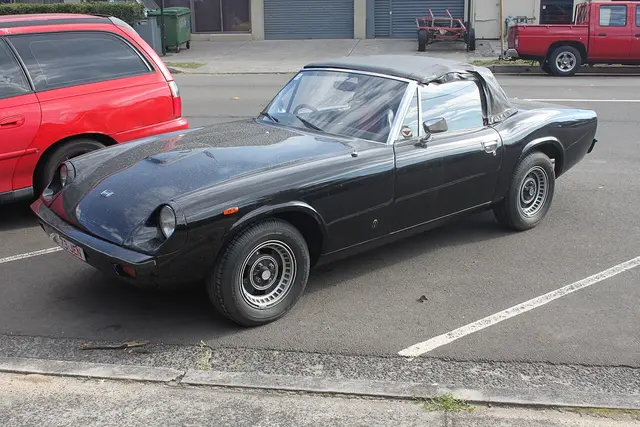
What is the Triumph Stag?
The Triumph Stag is an open grand touring car with seating for four. Its more spacious, comfortable character set it apart from the marque’s smaller sports roadsters. Giovanni Michelotti styled the car, and a project name became its production name. A removable hard top offered a more enclosed option.
Engine and design
The Stag was a single model rather than a succession of named generations. Its defining engine was Triumph’s petrol V8, and it was available with a manual or automatic transmission. The car’s four-seat layout and open body made it a relaxed choice for touring.
Fuel consumption and CO₂
Fuel consumption and CO₂ figures depend on the version and the test method used. European WLTP and NEDC procedures differ from the US EPA method and Canada’s five-cycle test, so results from different markets are not directly comparable.
Questions and answers
What body style is the Triumph Stag?
It is a four-seat grand touring convertible, and a removable hard top was offered.
What engine did the Stag use?
Its defining engine was a Triumph petrol V8.
Did the Stag have multiple generations?
It was produced as a single model rather than a sequence of named generations.
How much fuel does the Stag use, and what are its CO₂ emissions?
Figures vary by version and test method. European WLTP and NEDC results, US EPA ratings and Canadian five-cycle results use different procedures.